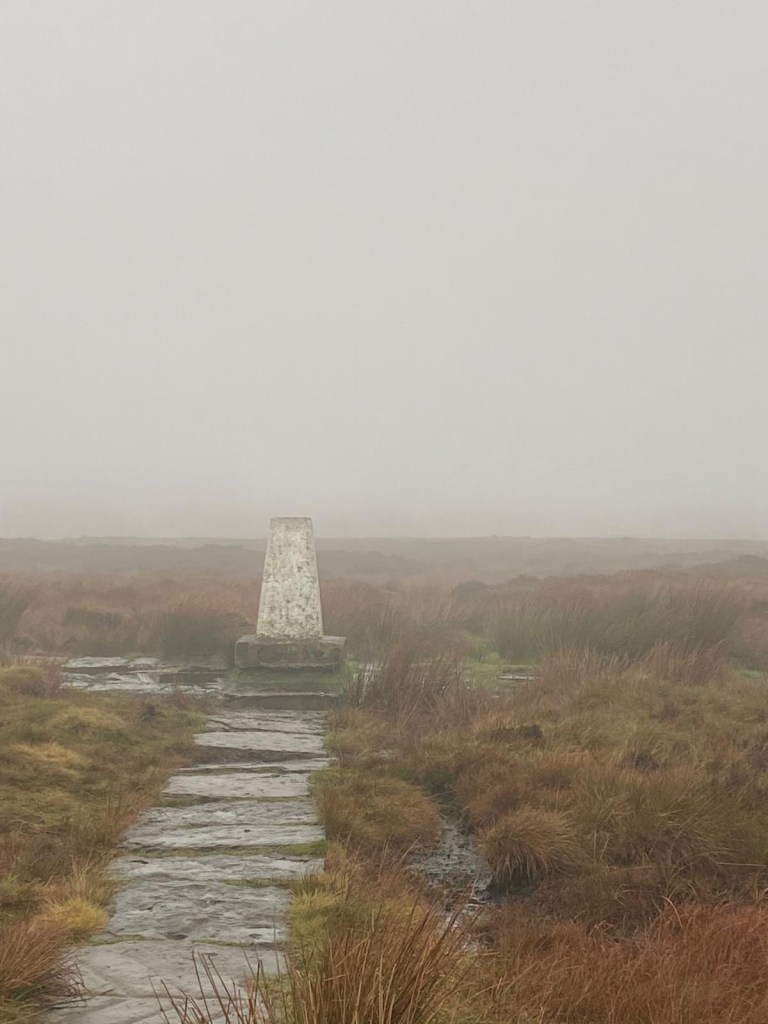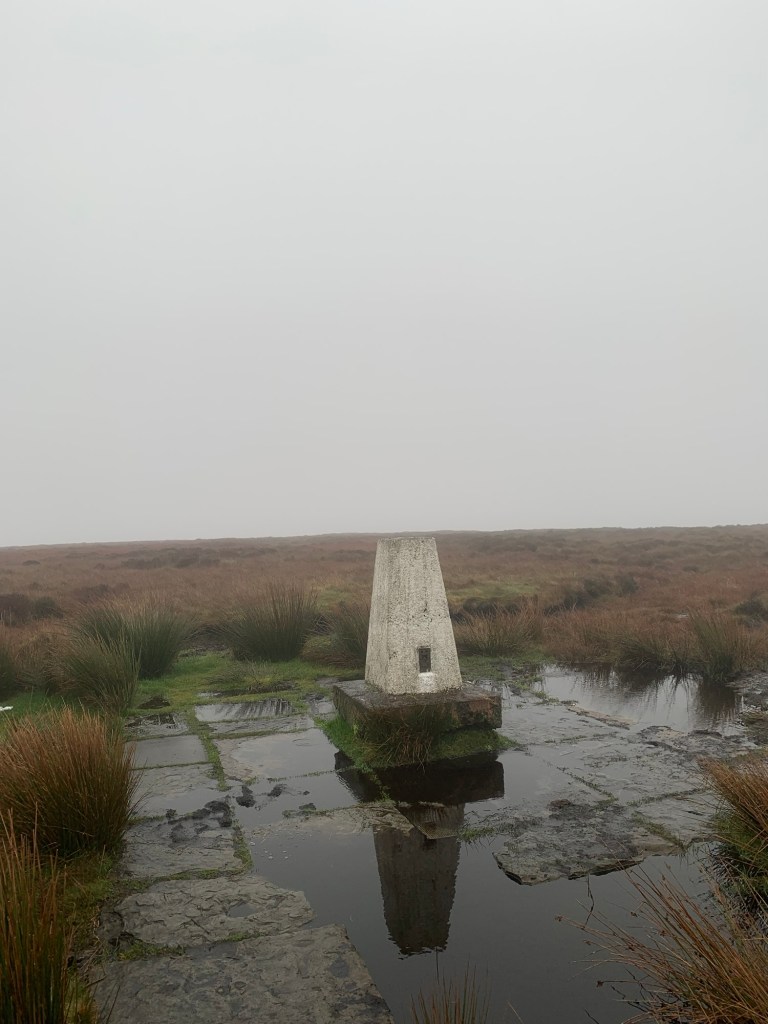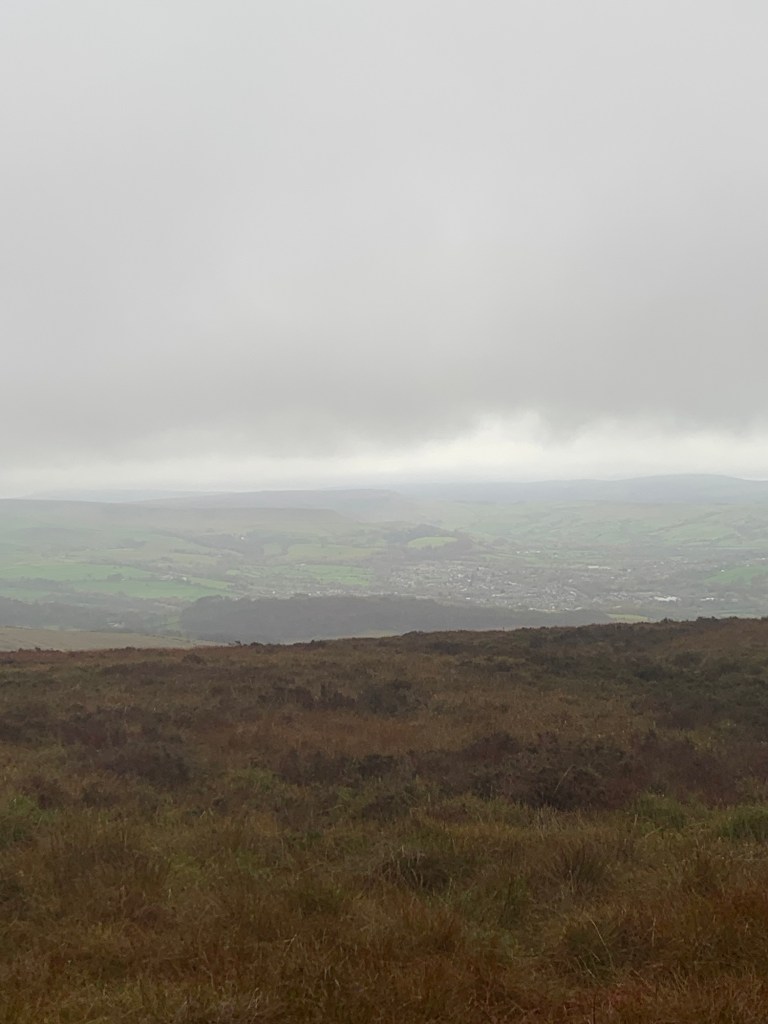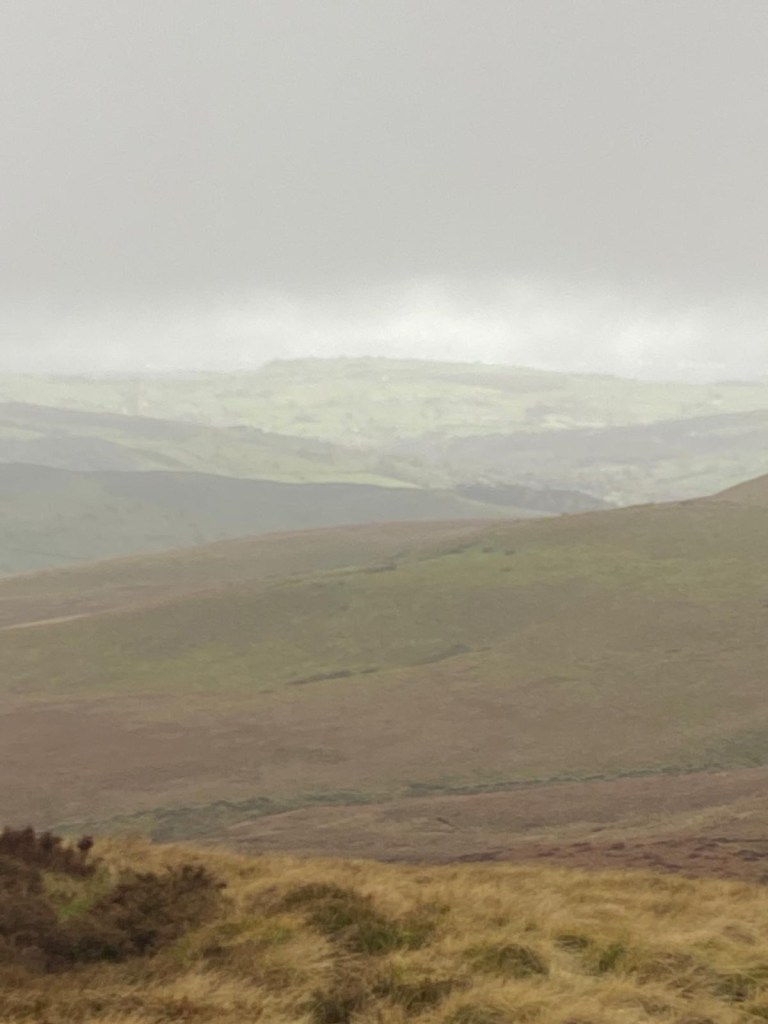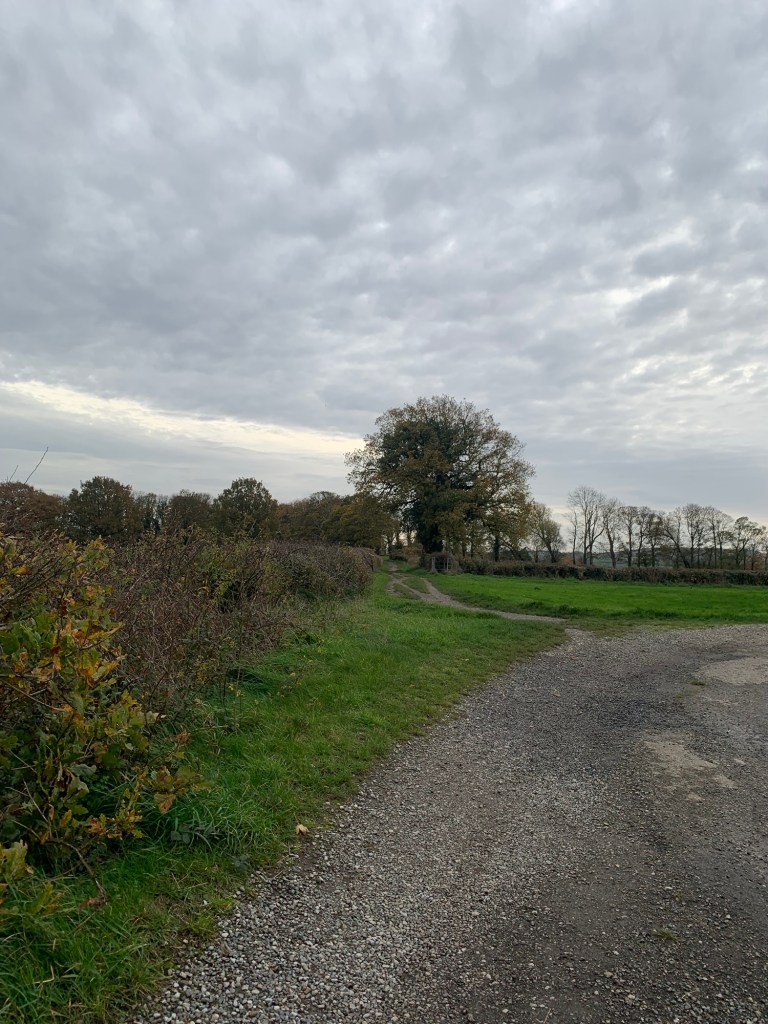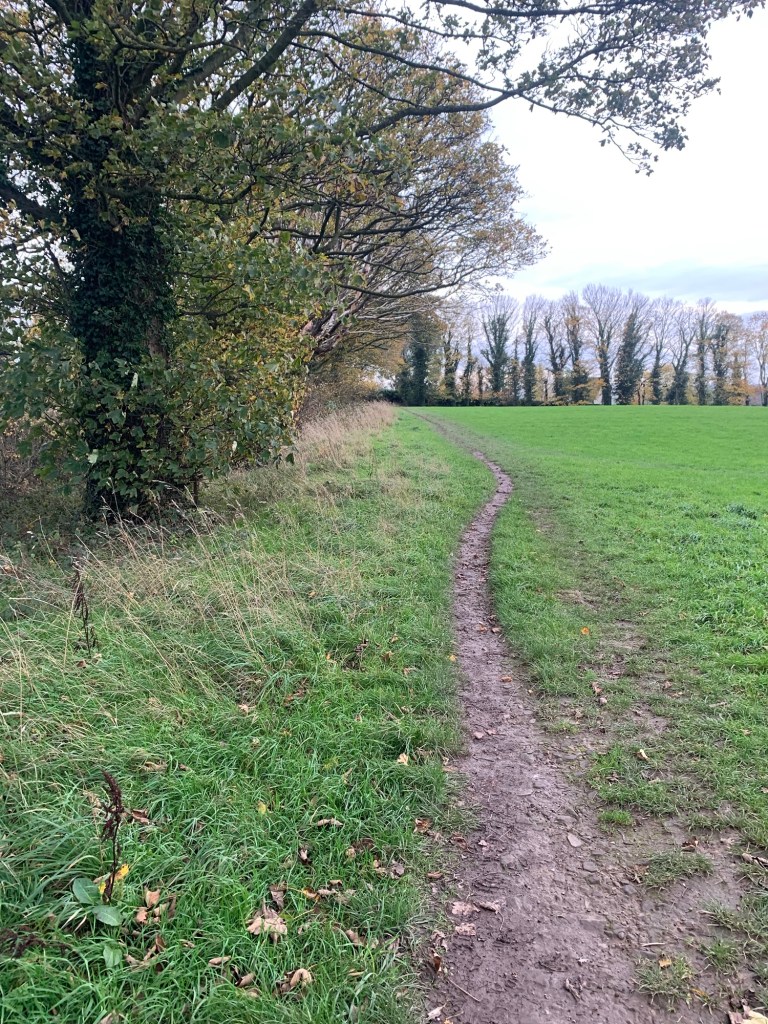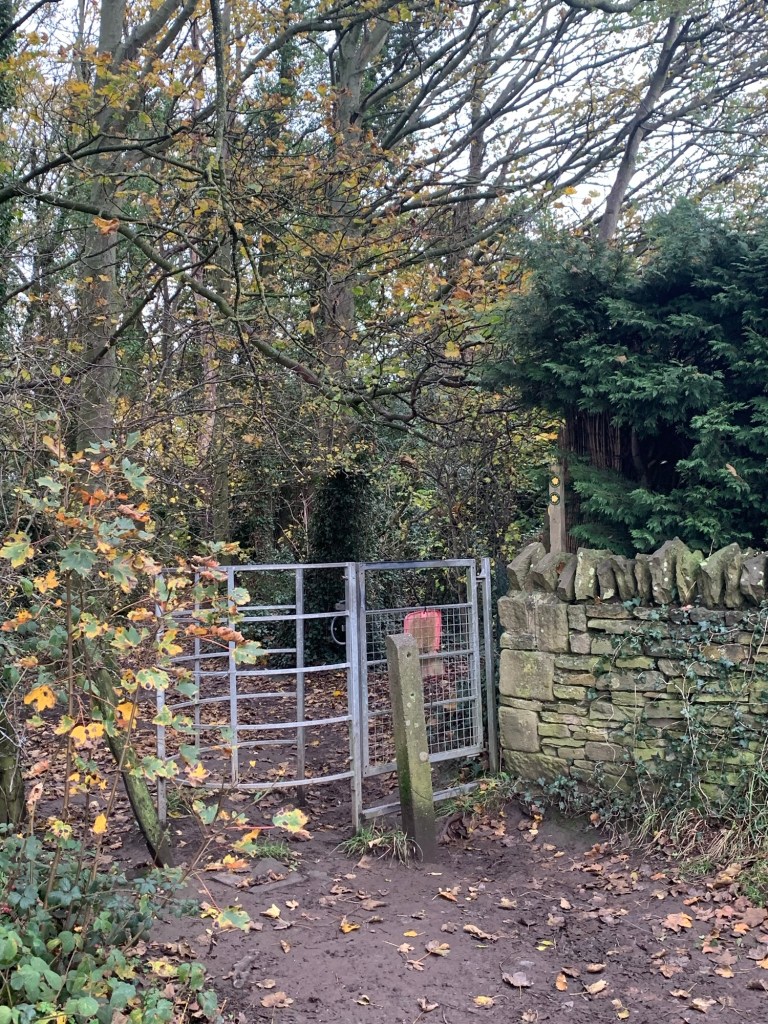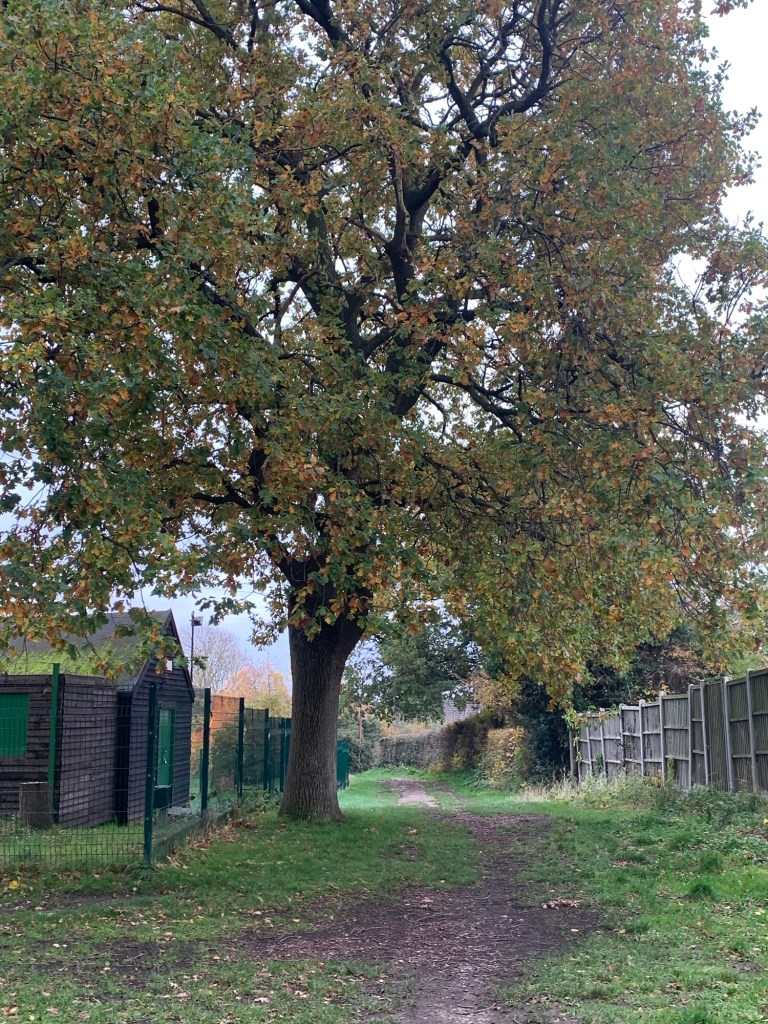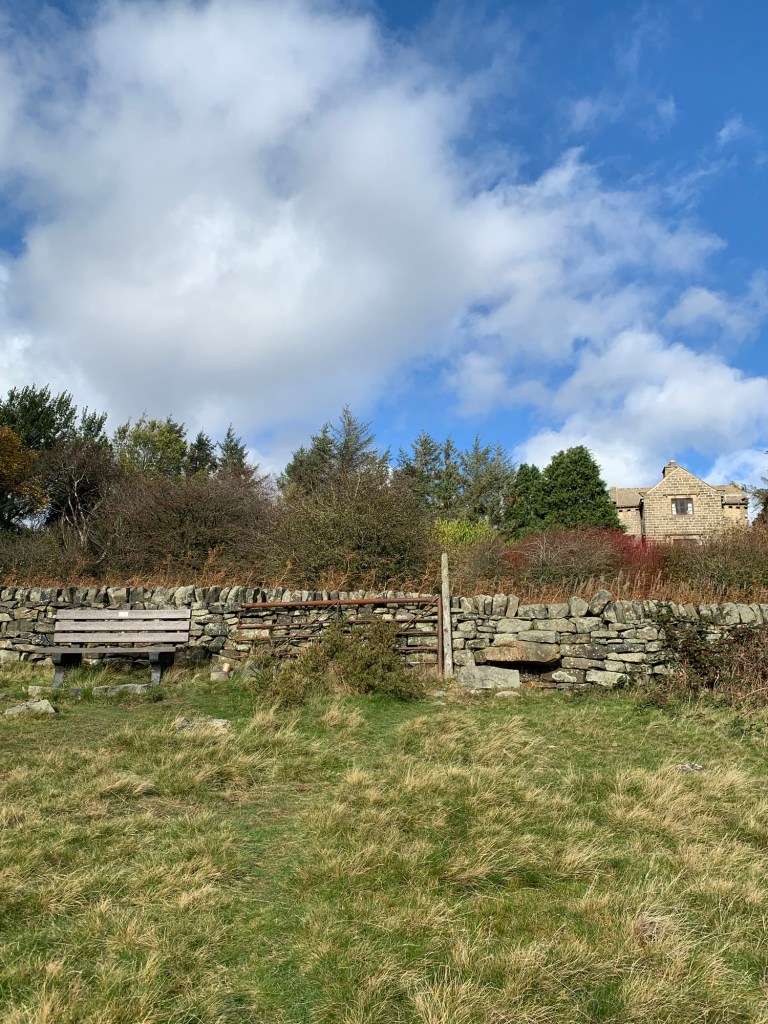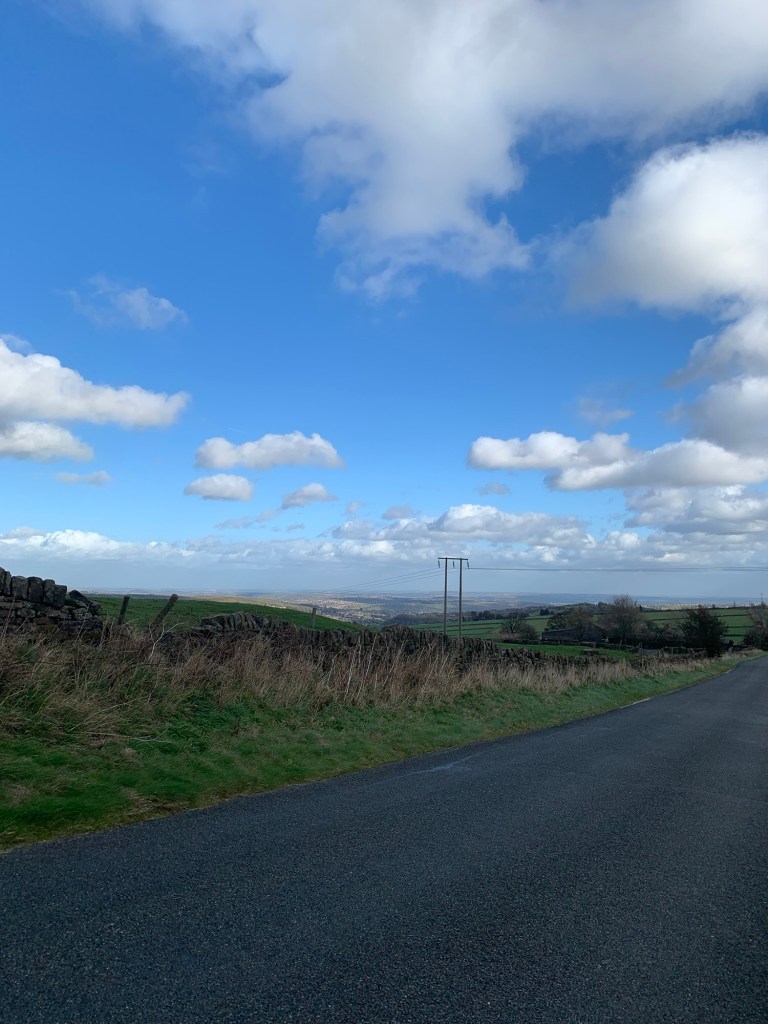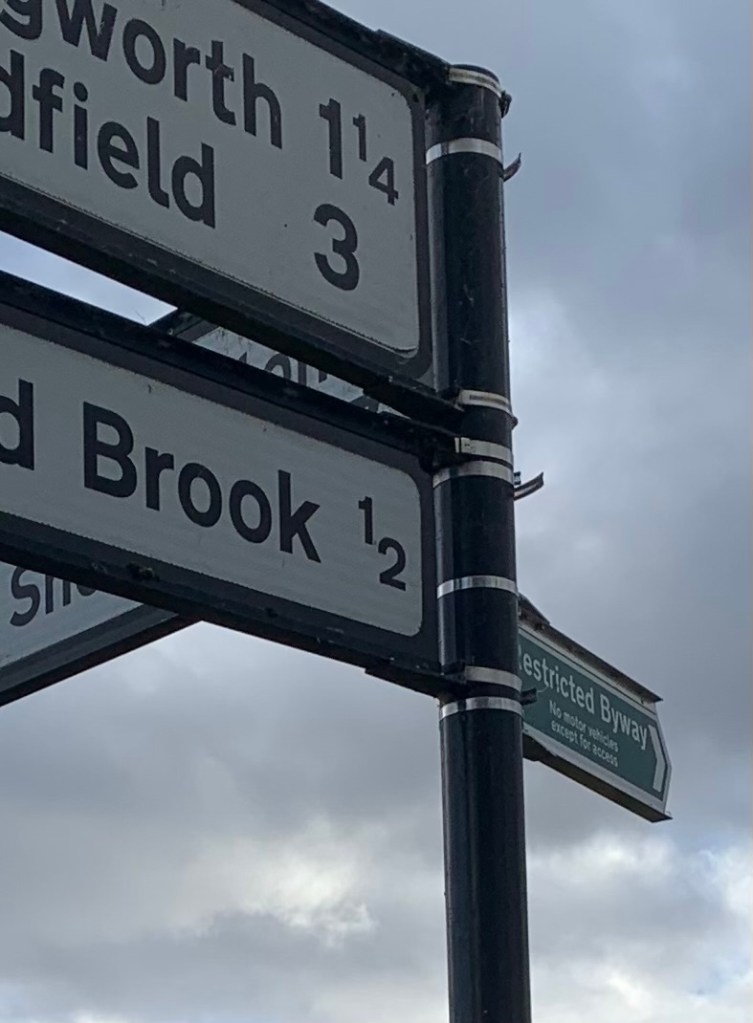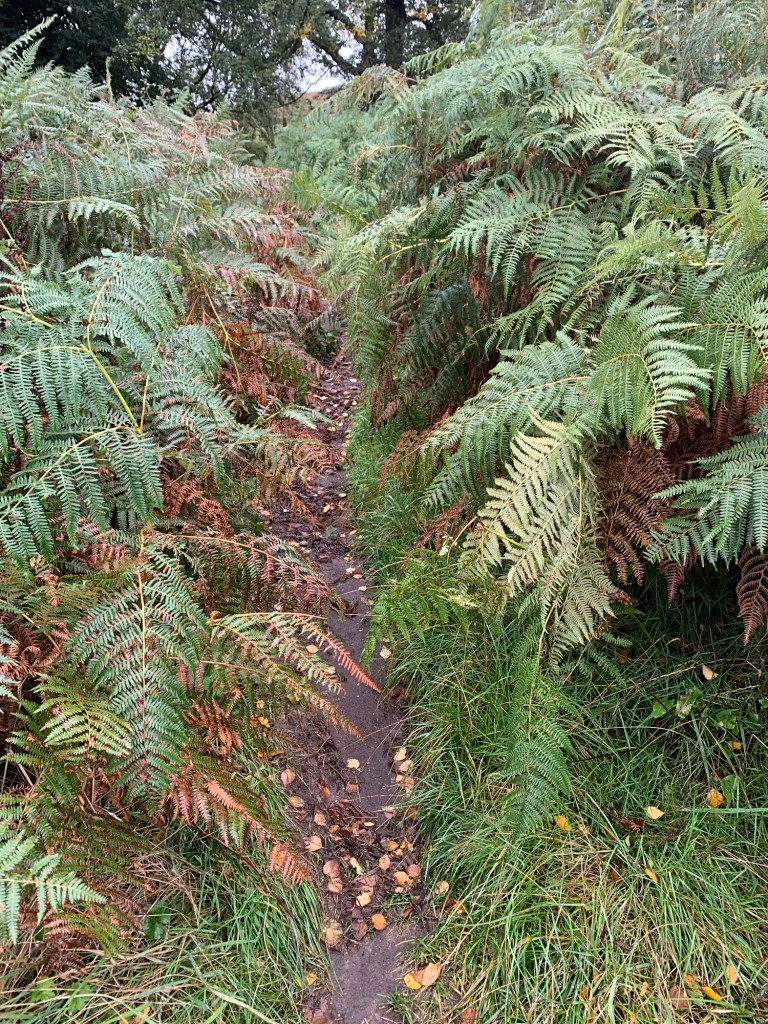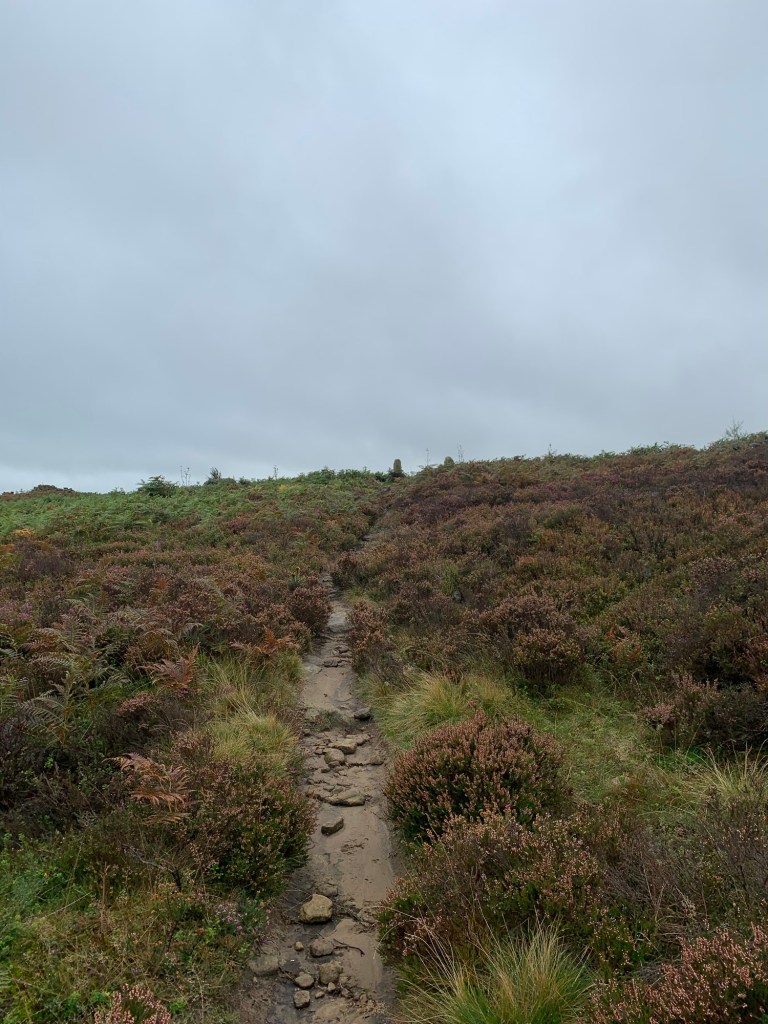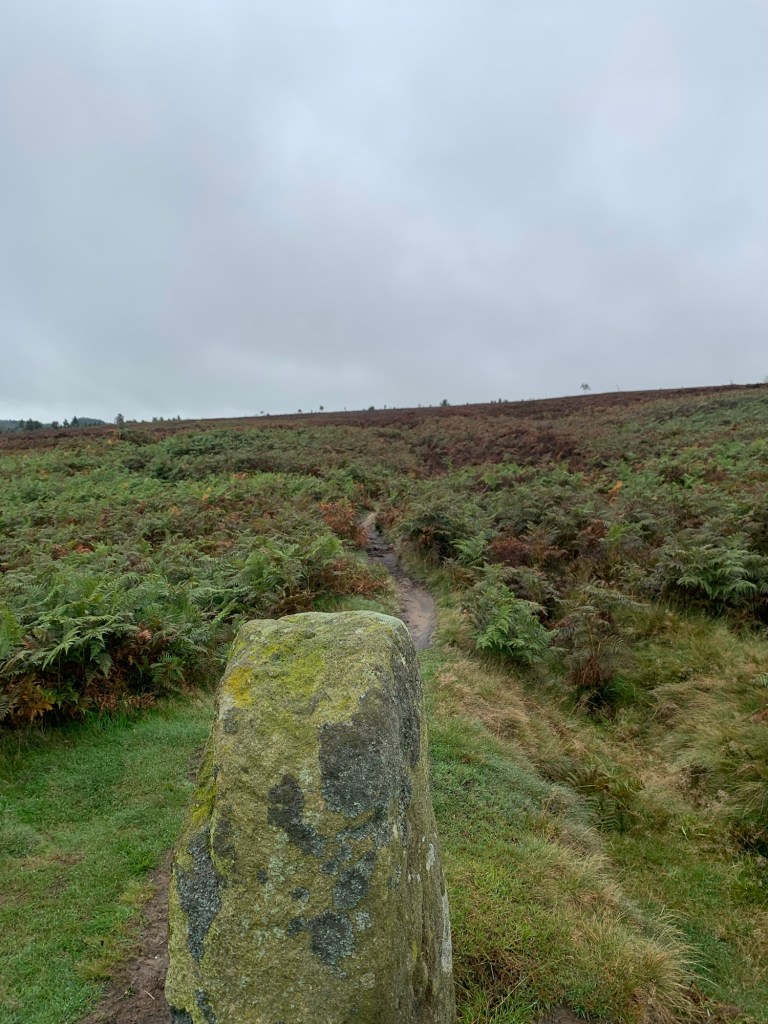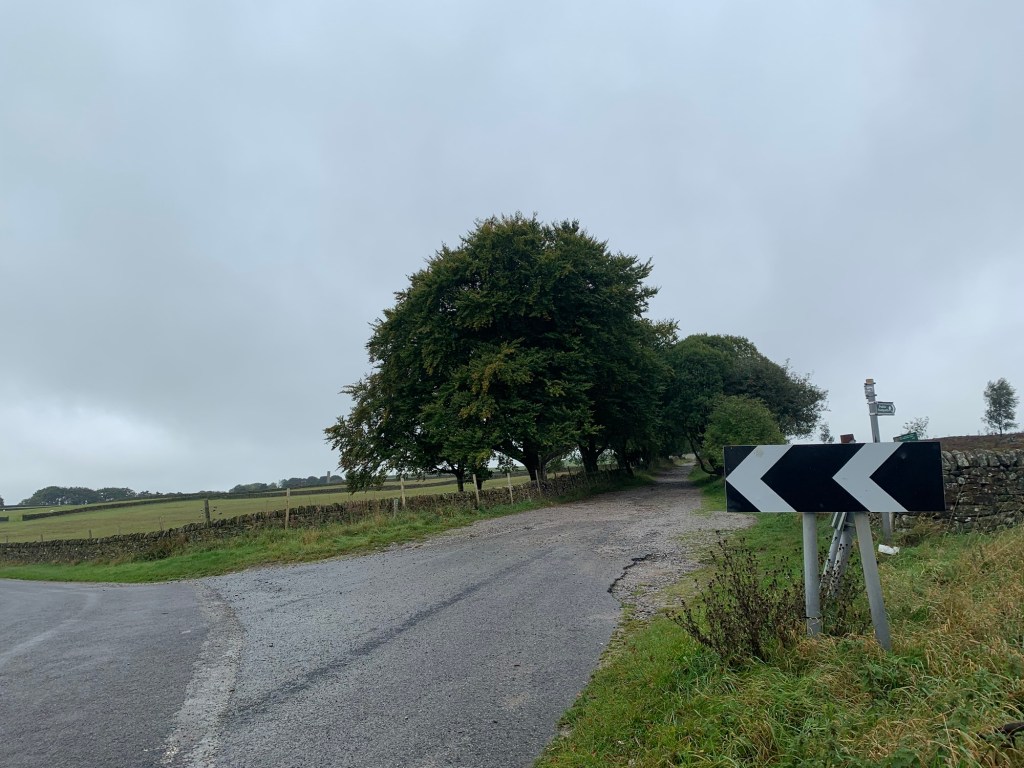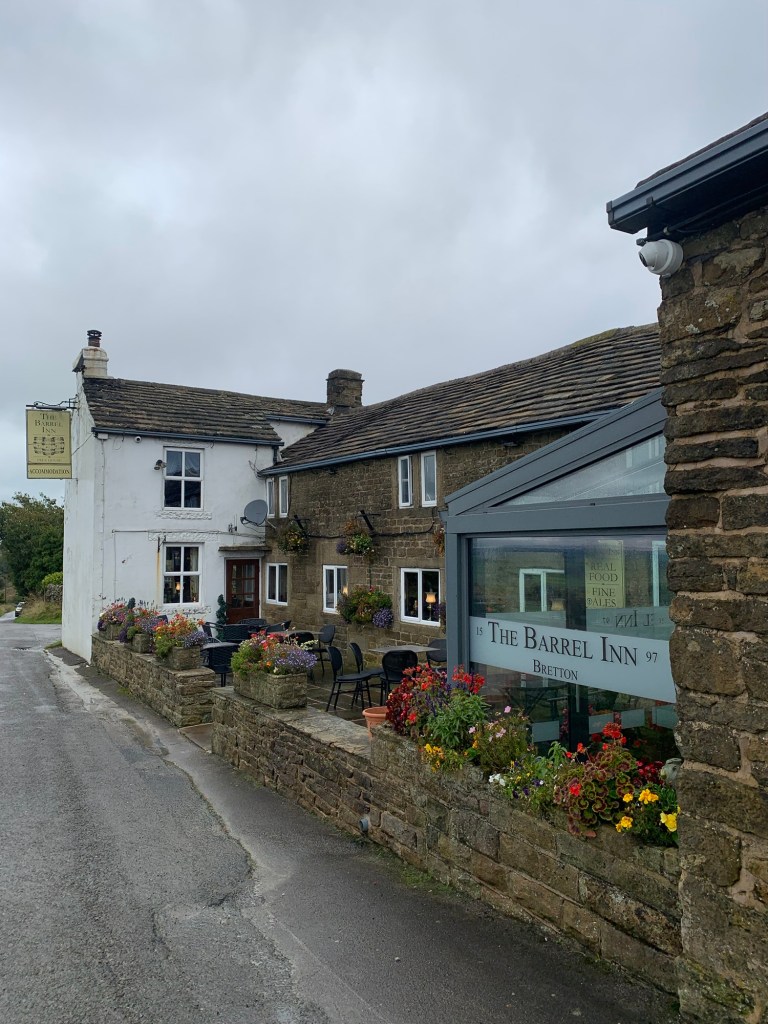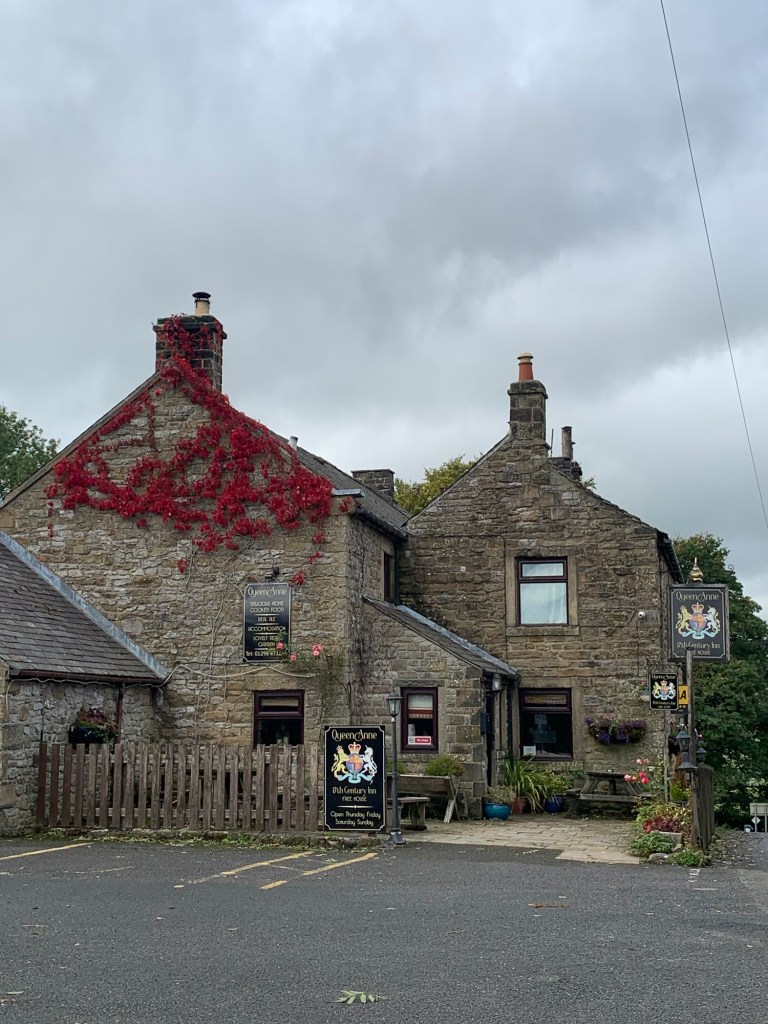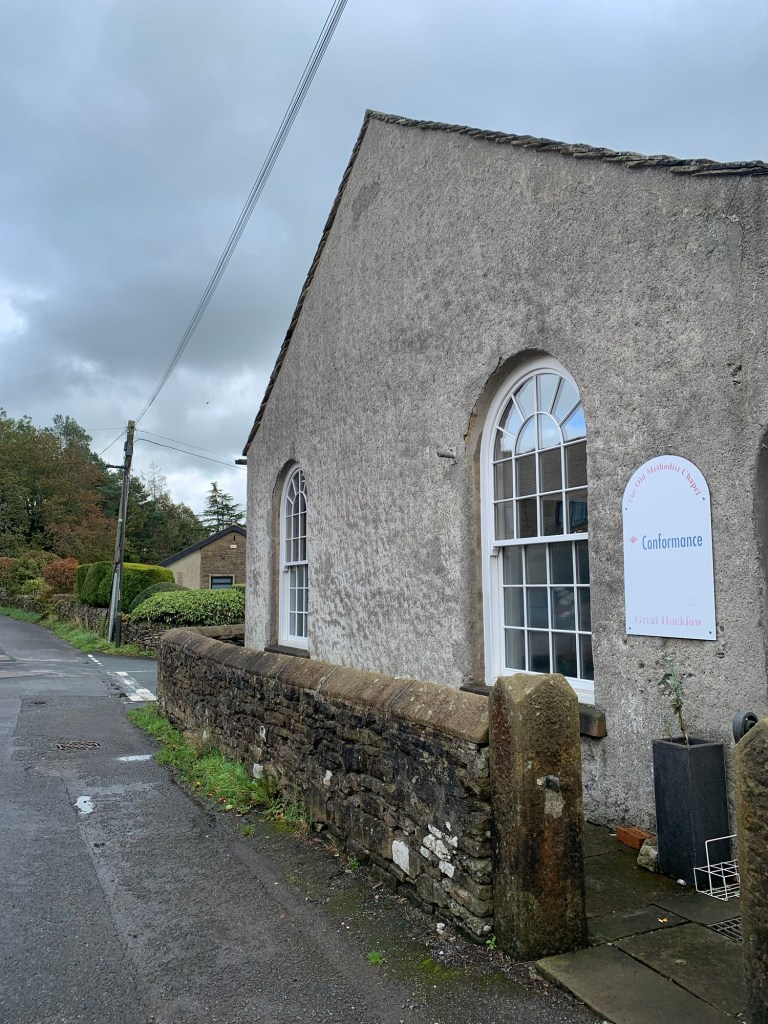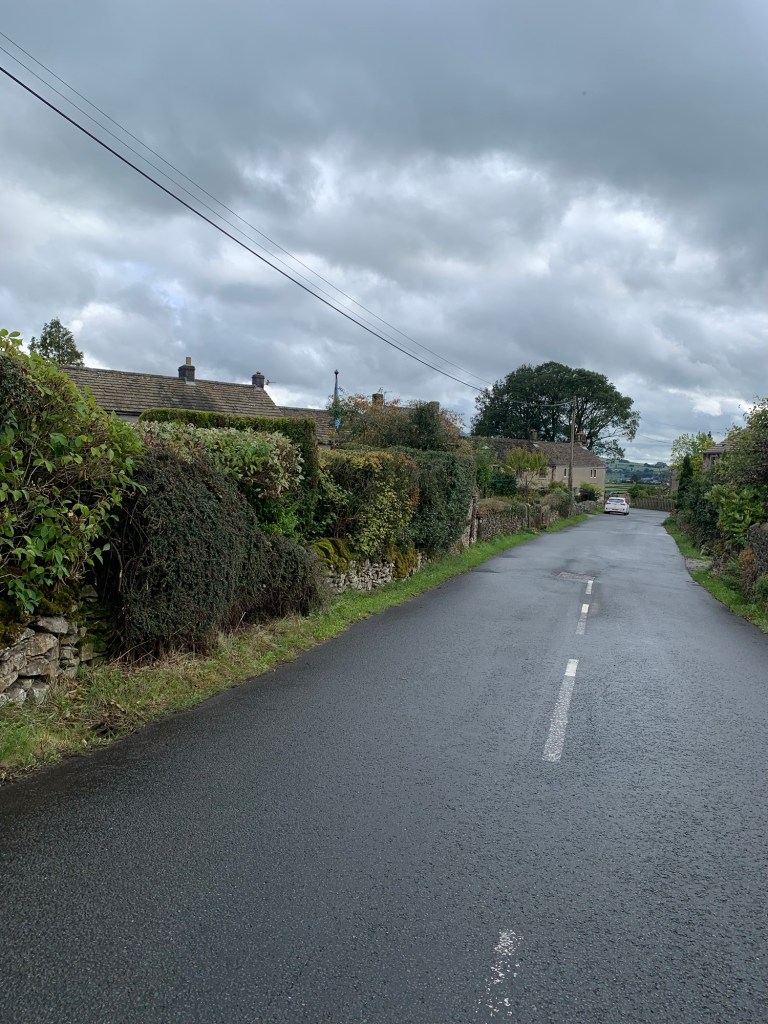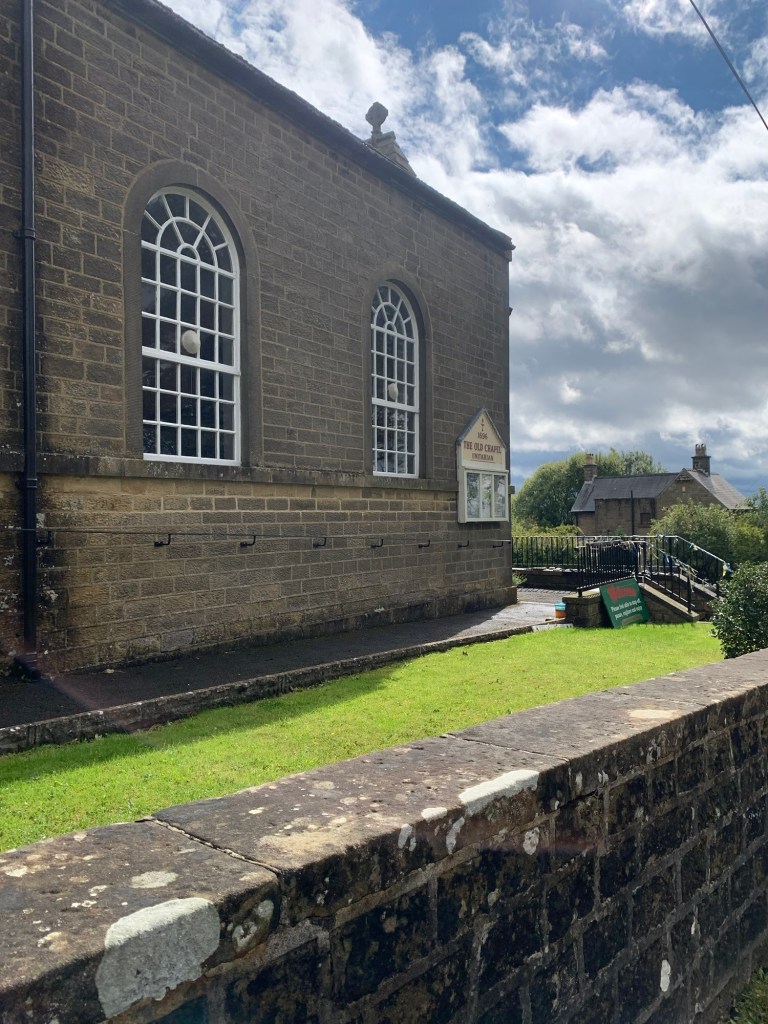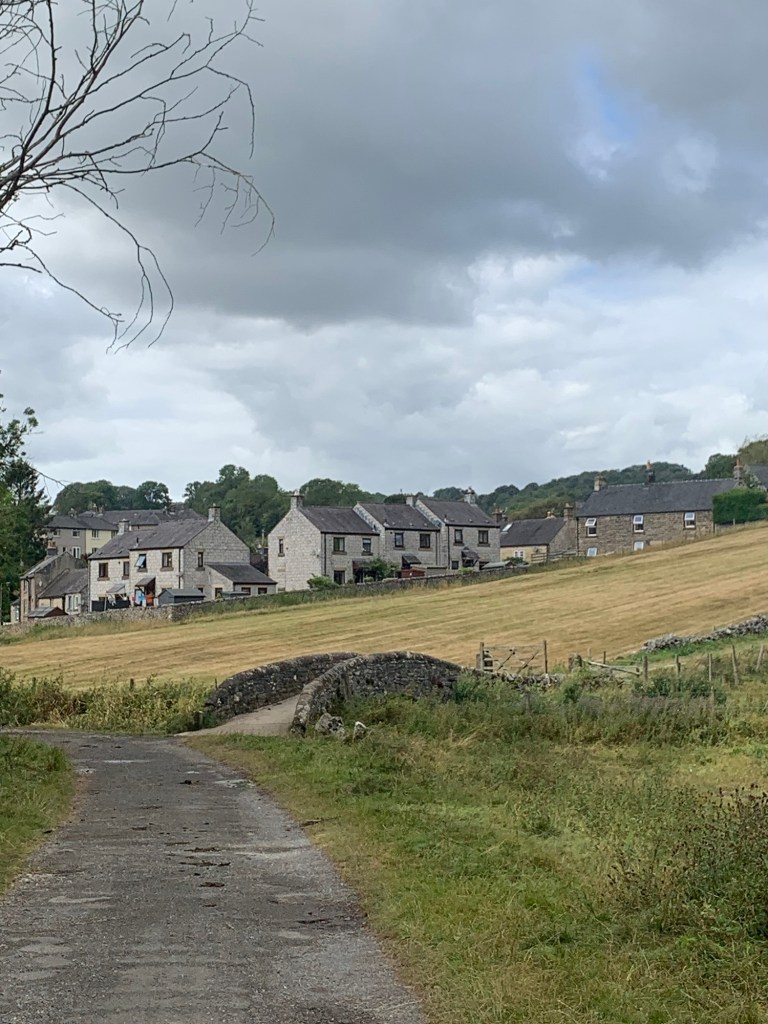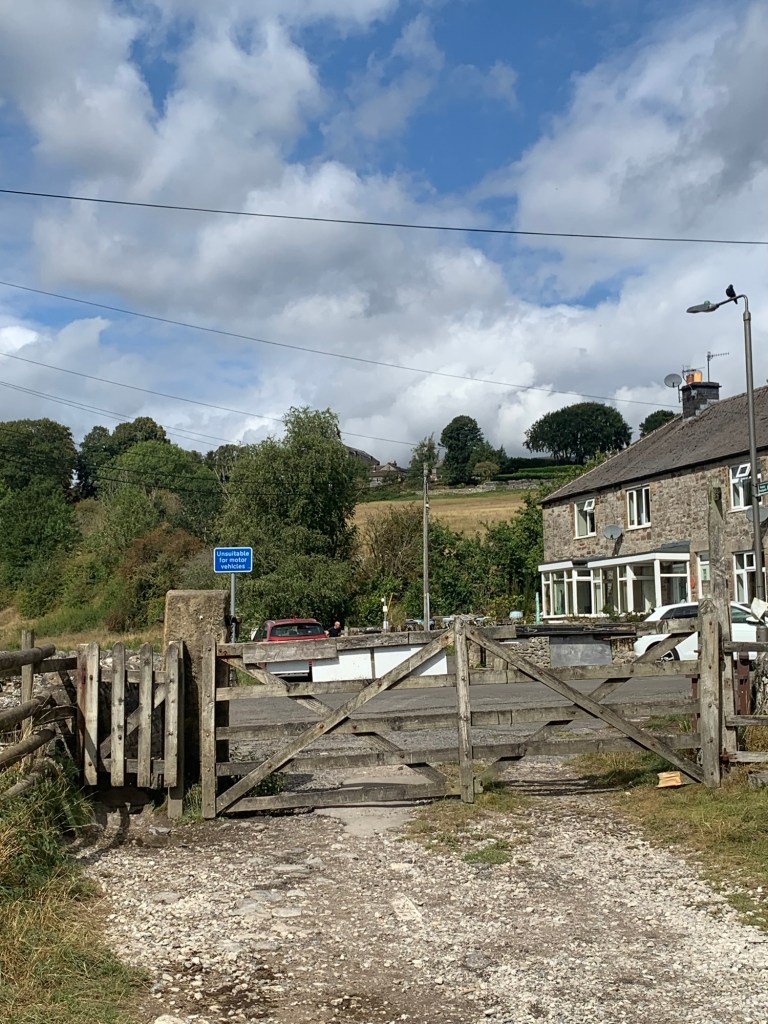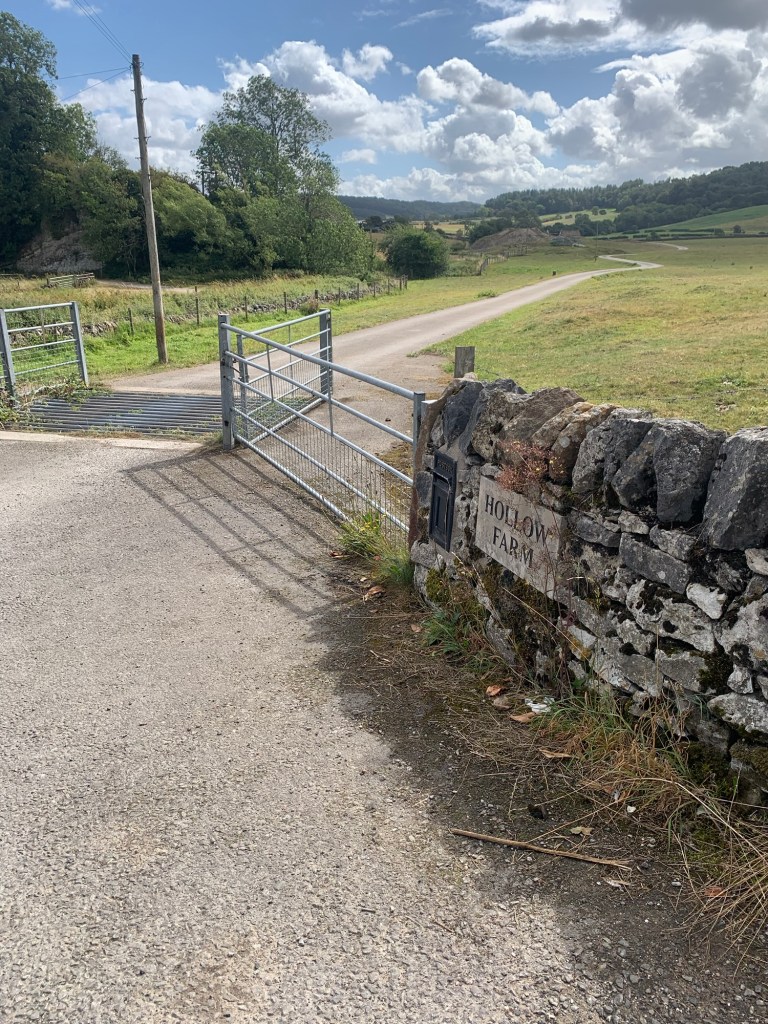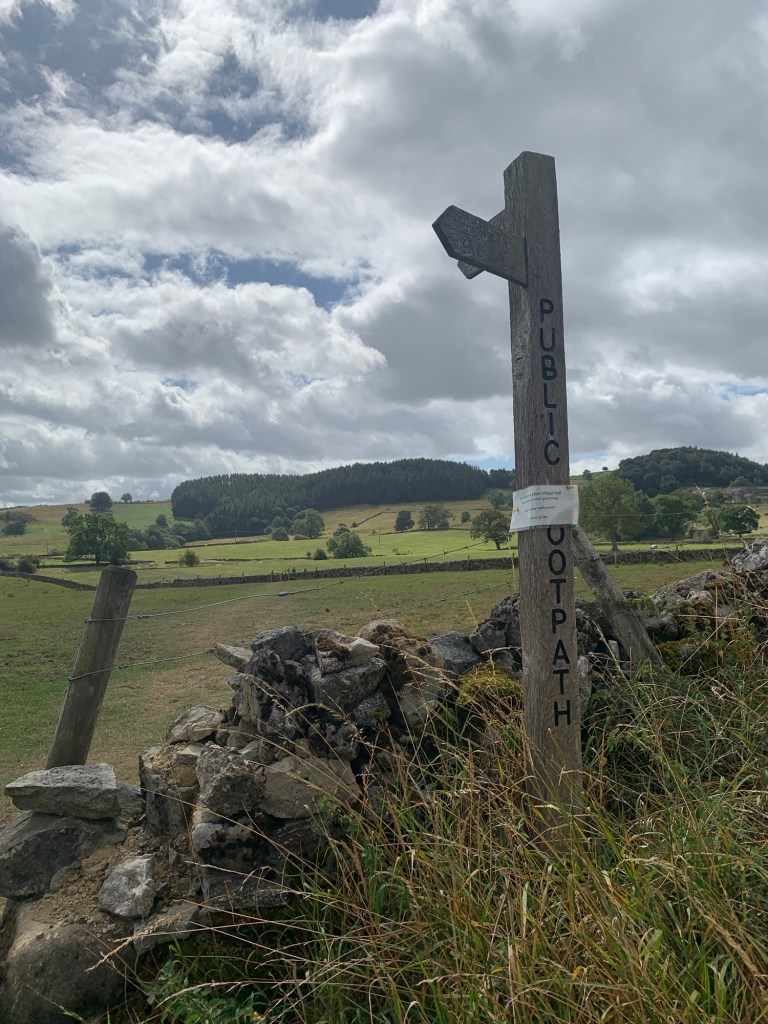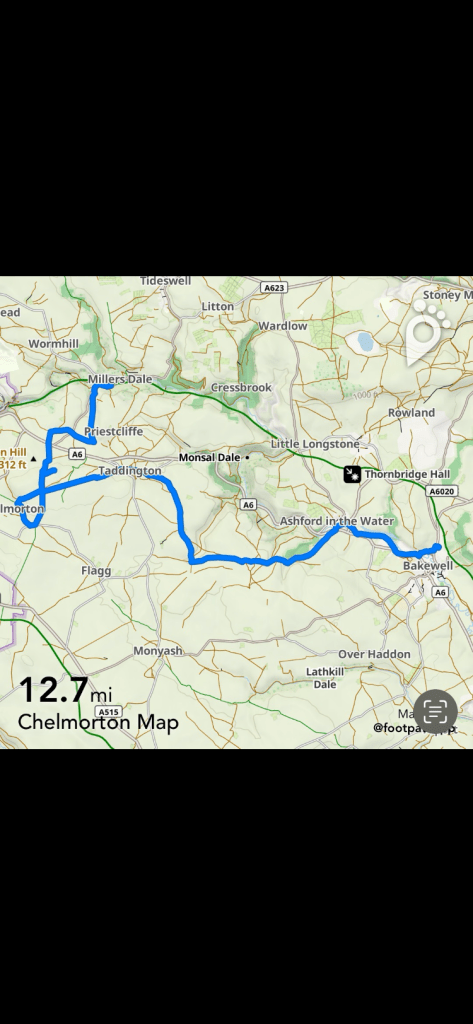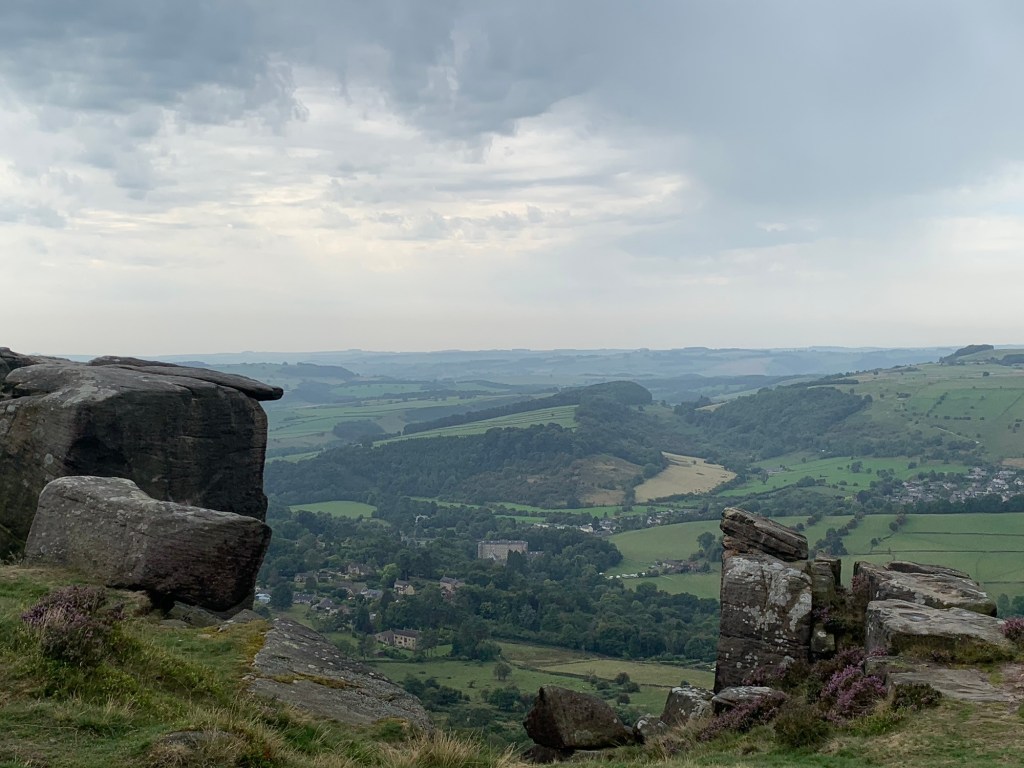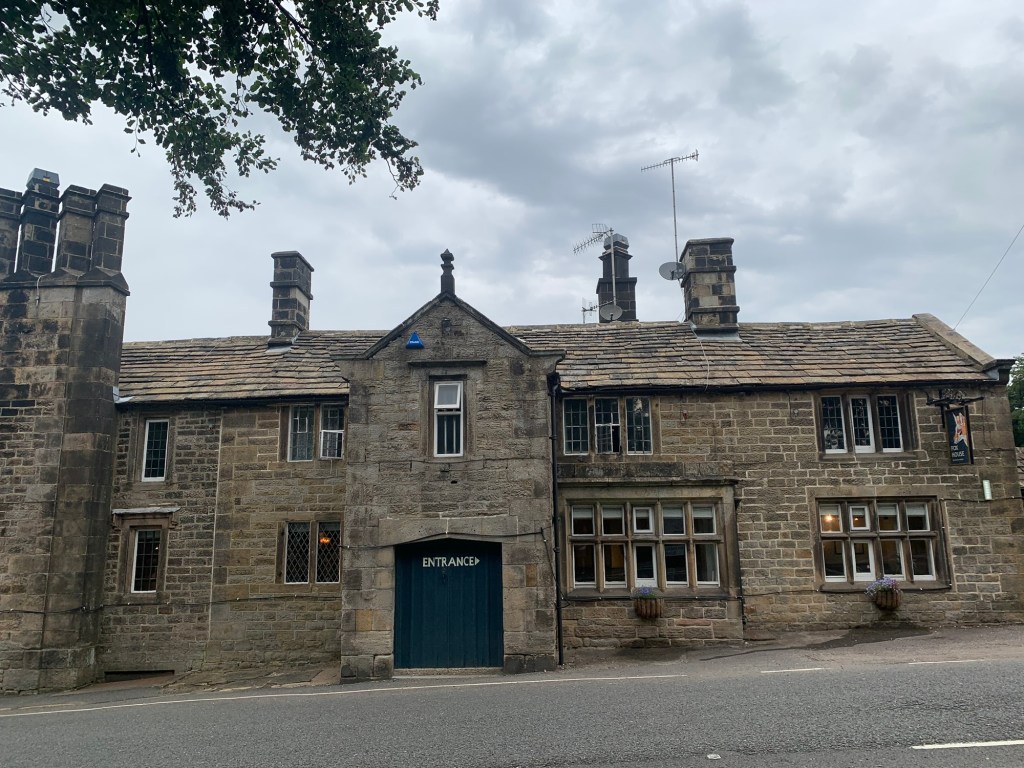
• F is for Flagg

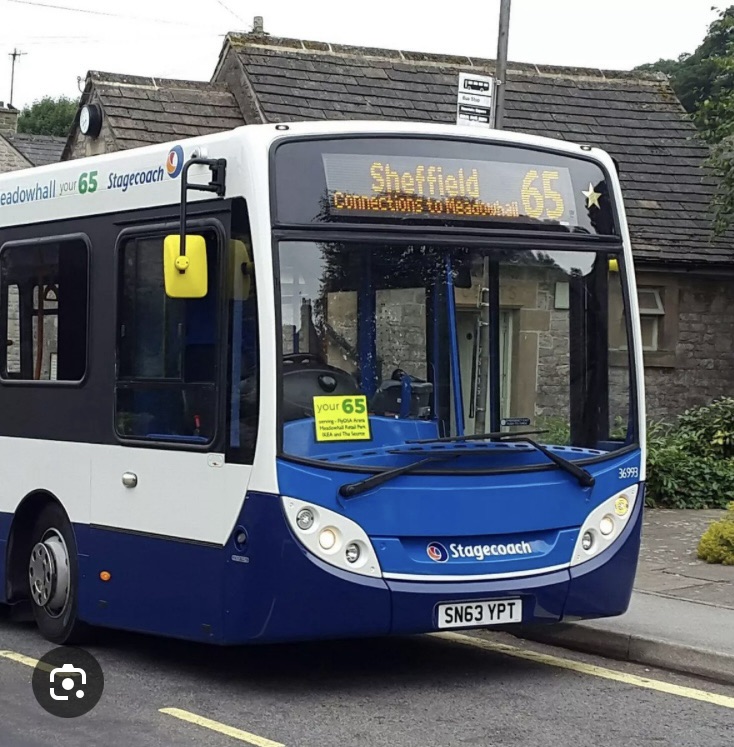
    Our bus into the Peak today is the 65 which plies daily between Meadowhall and Buxton. 

    We need to get off at Millers Dale. 

    It’s the stop after the Anglers Rest and it’s useful to be up and ready for it as the road is all ups and downs and bends around here. 

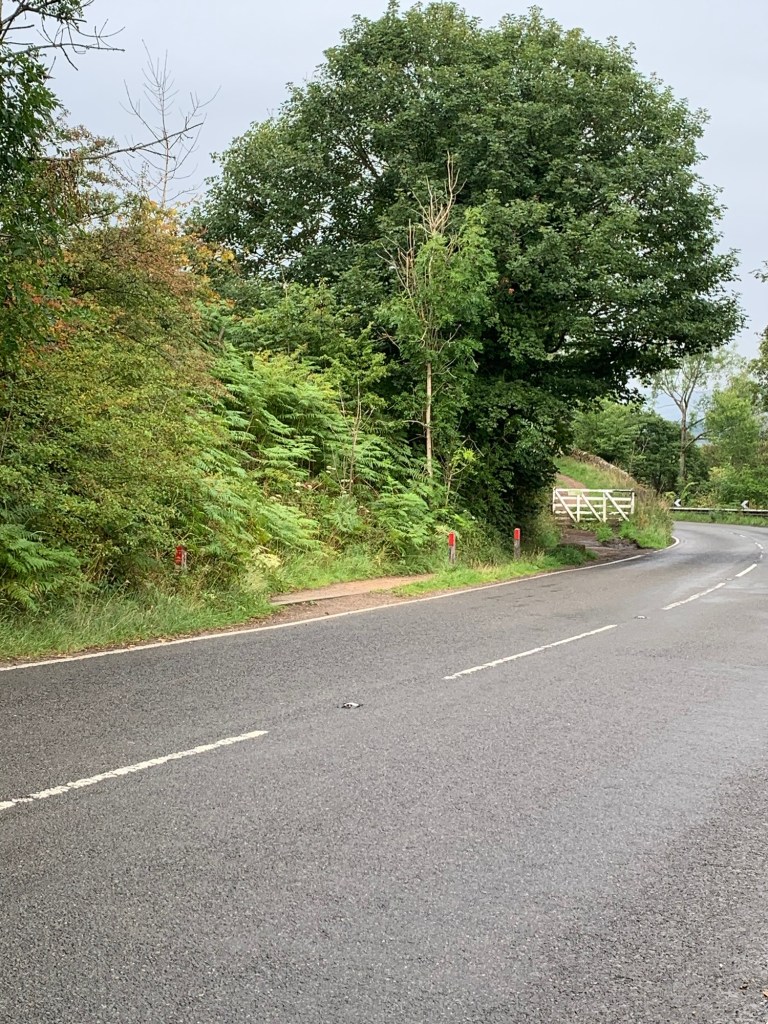
    The bus hurtles to a halt and we get off opposite the stop where we caught the 65 back to Sheffield at the end of C is for Chelmorton.

    Indeed there are a few familiar moments in the first part of today from the end of that walk.

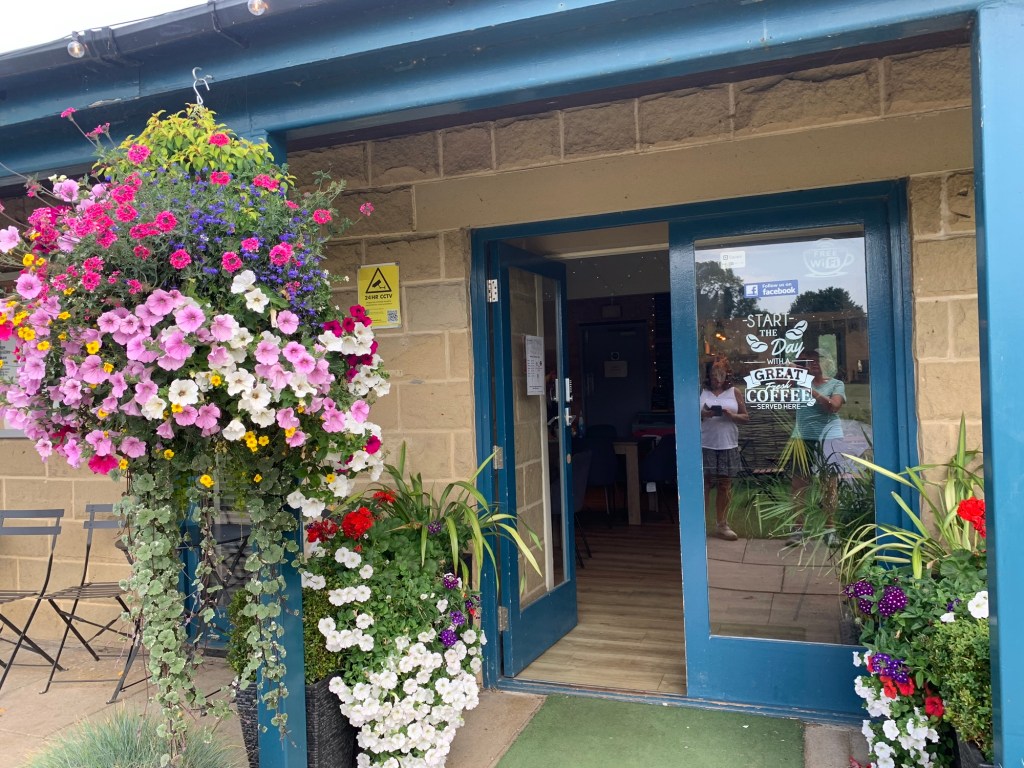
    The road to Wormhill turns right off the main road at Millers Dale and if we followed it briefly uphill we’d get to the Refreshment Room cafe and the car park for the Monsal Trail.

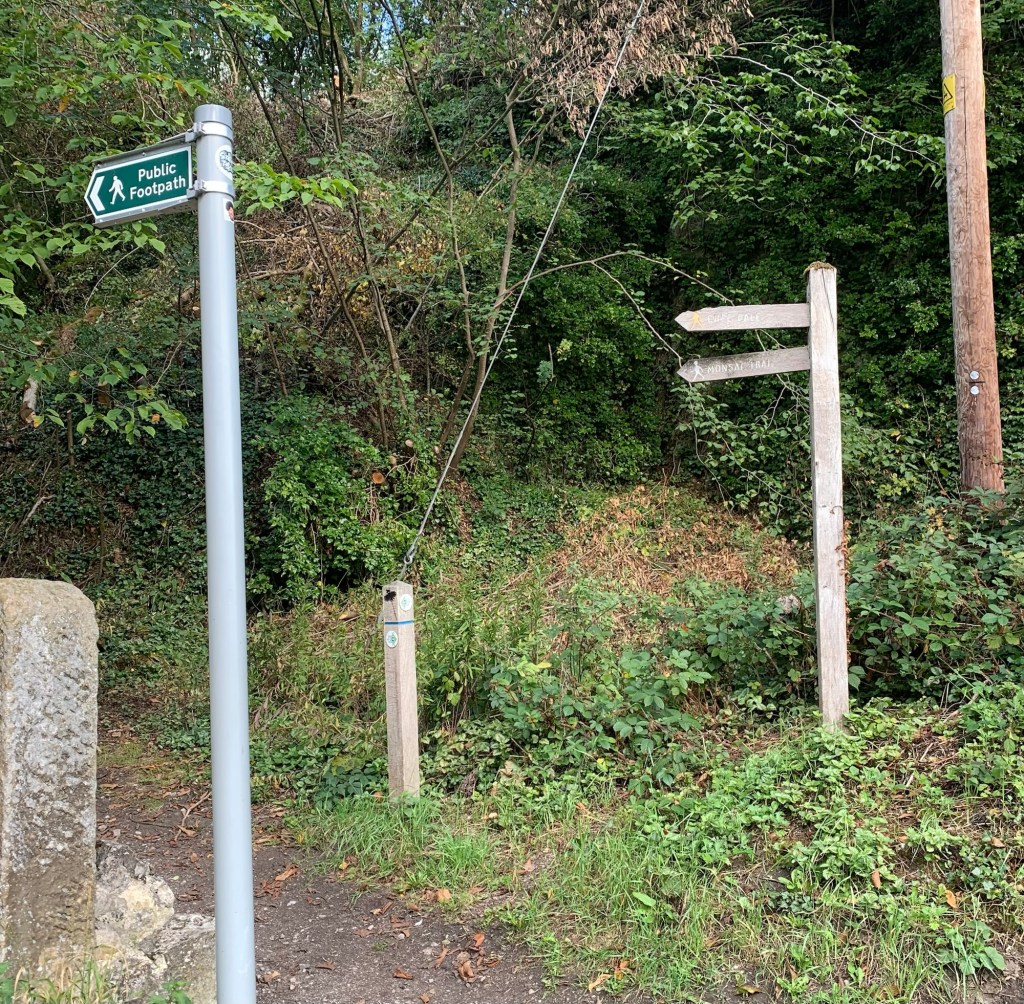
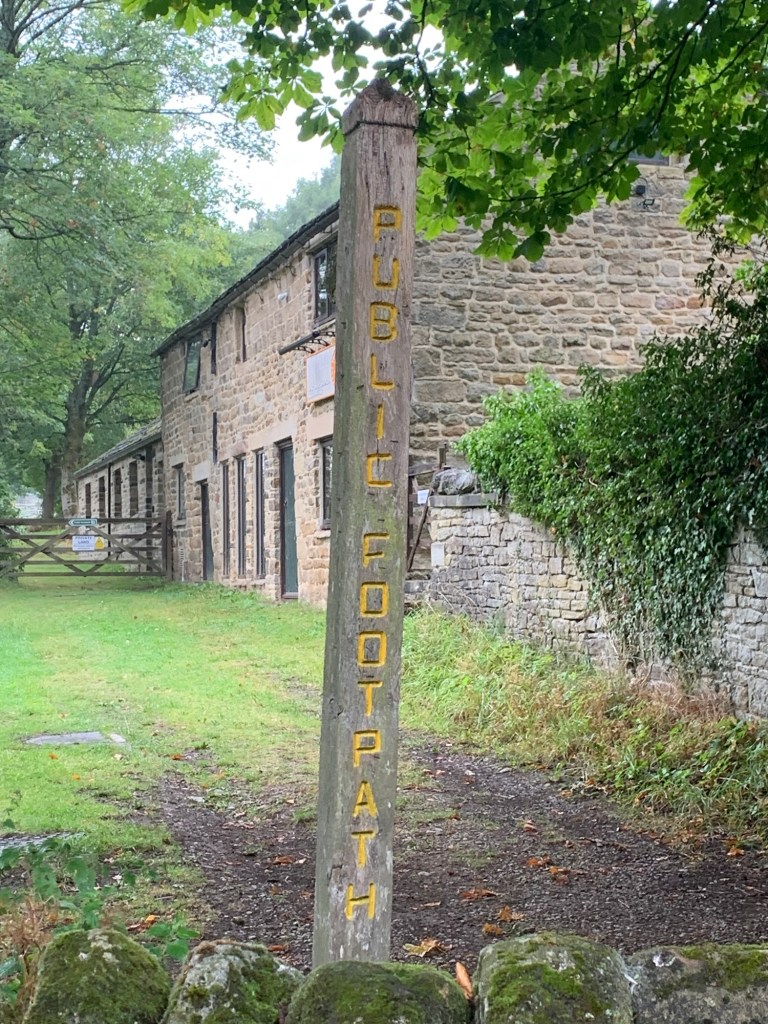
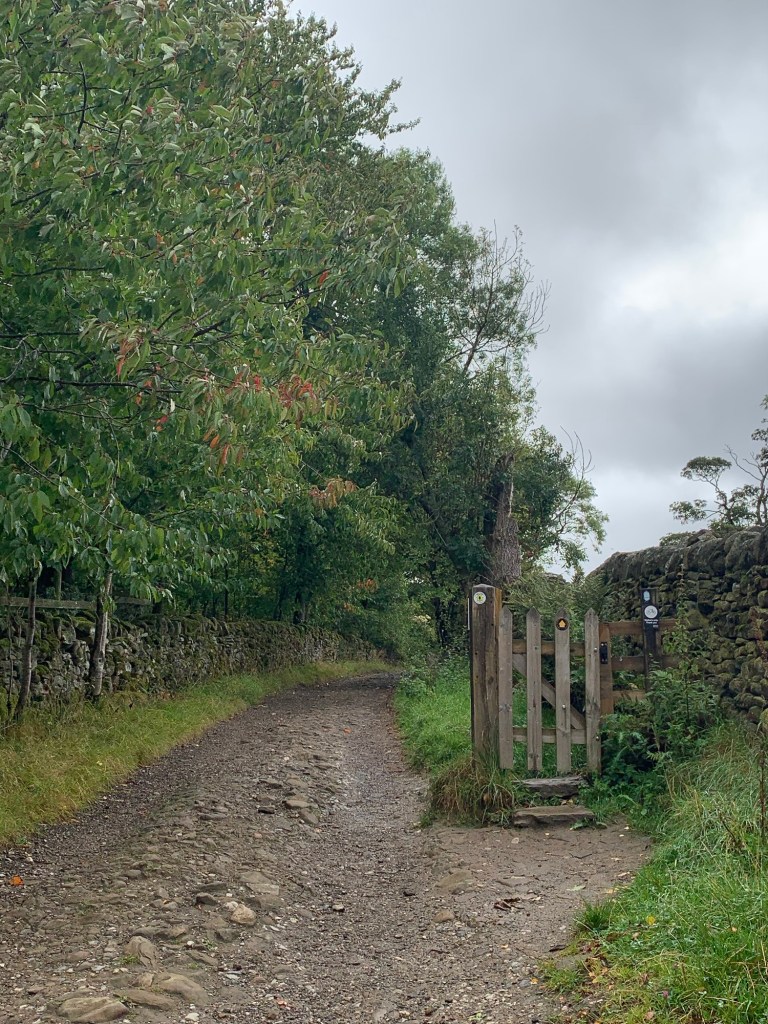
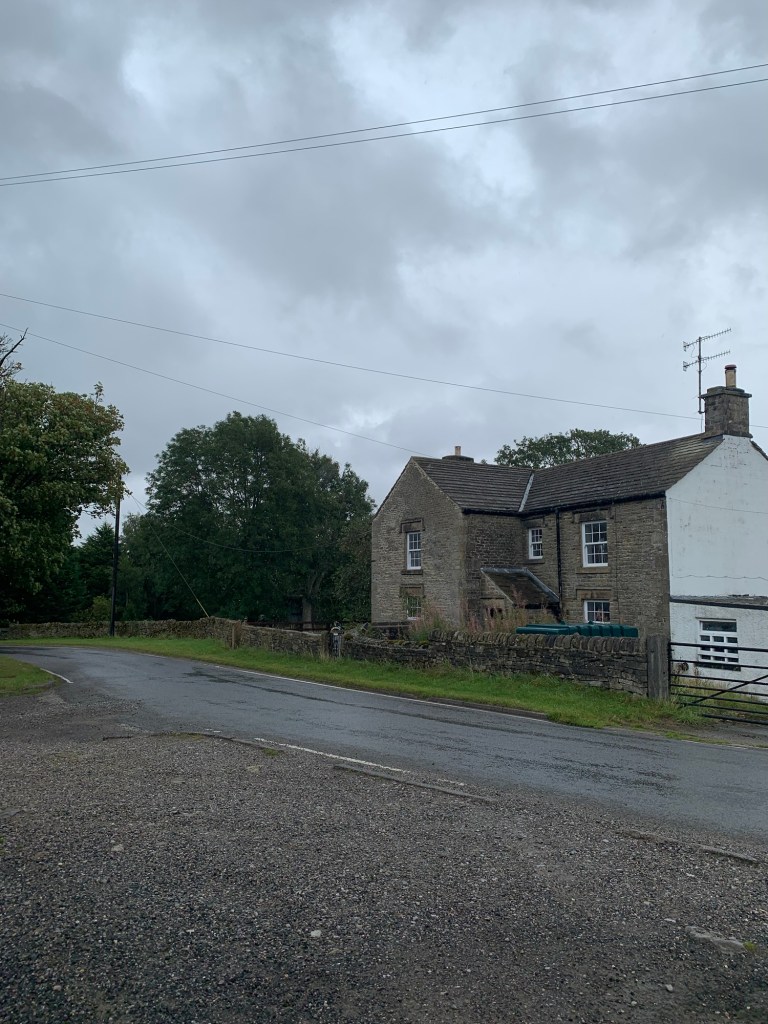
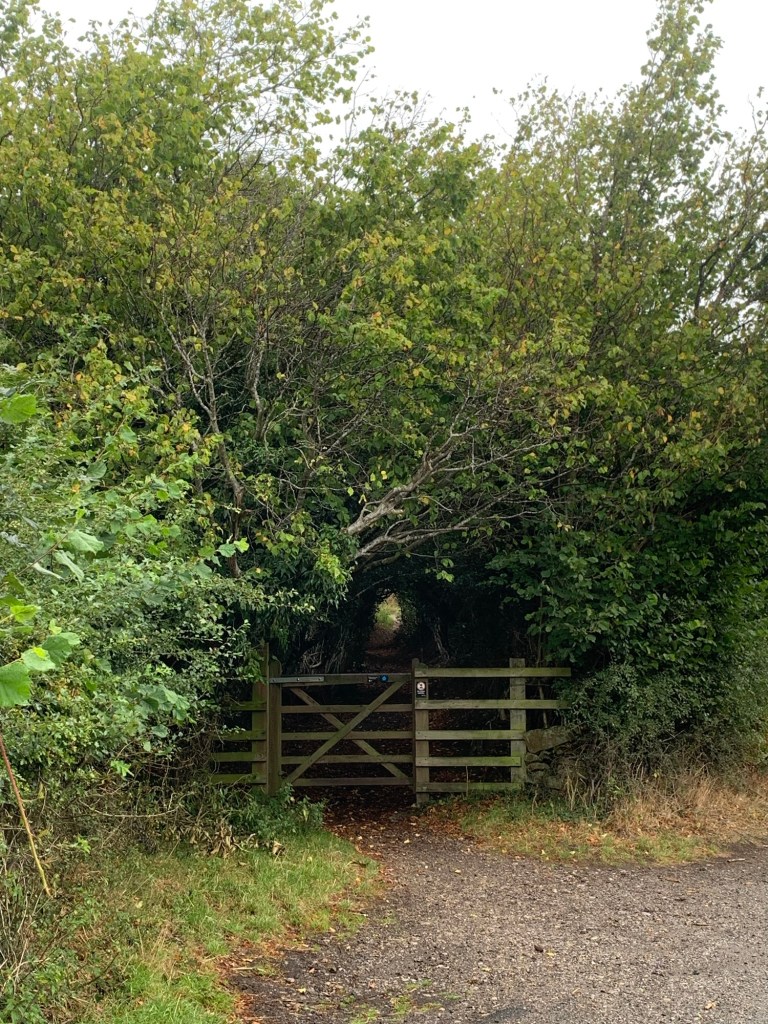
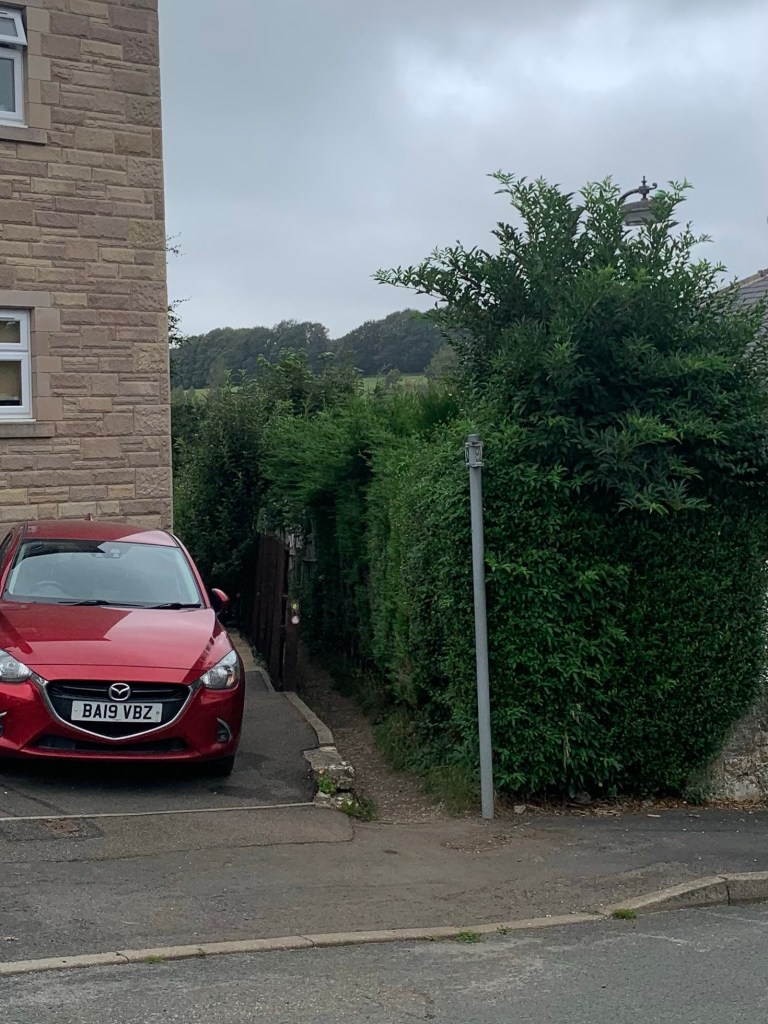
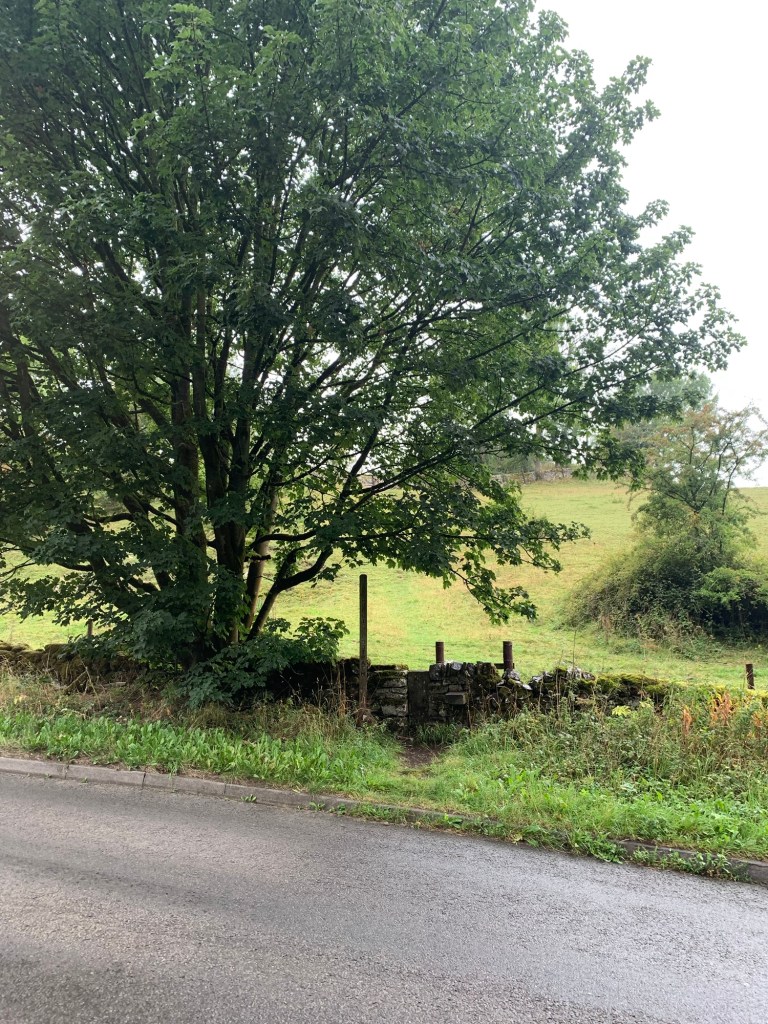
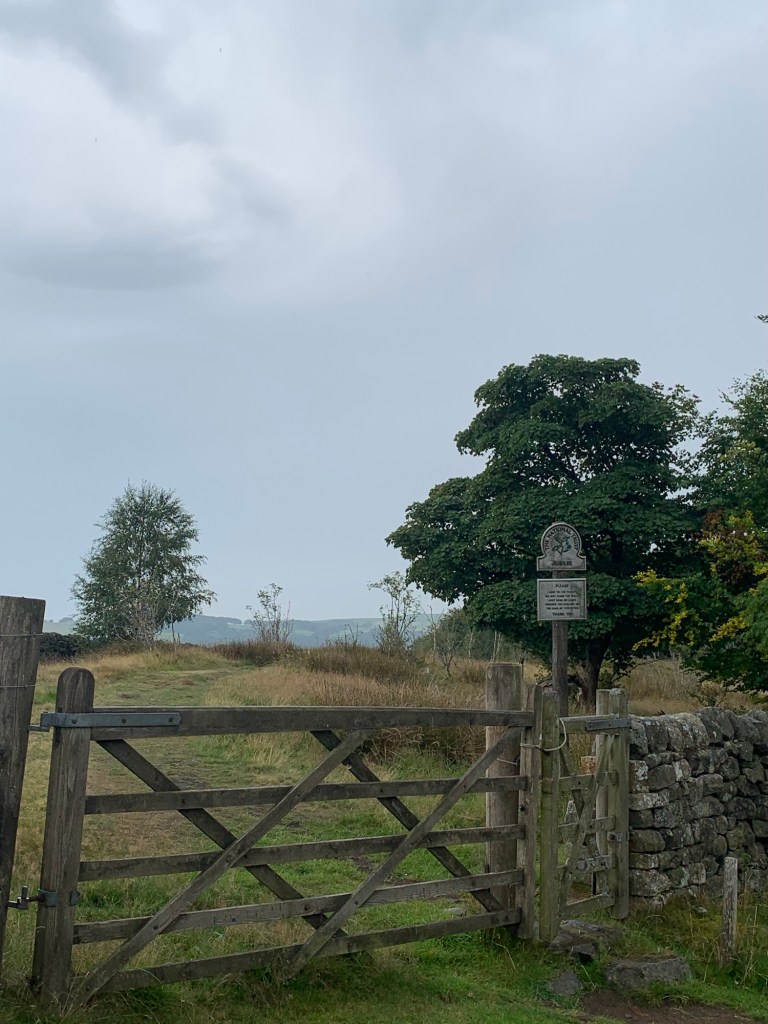
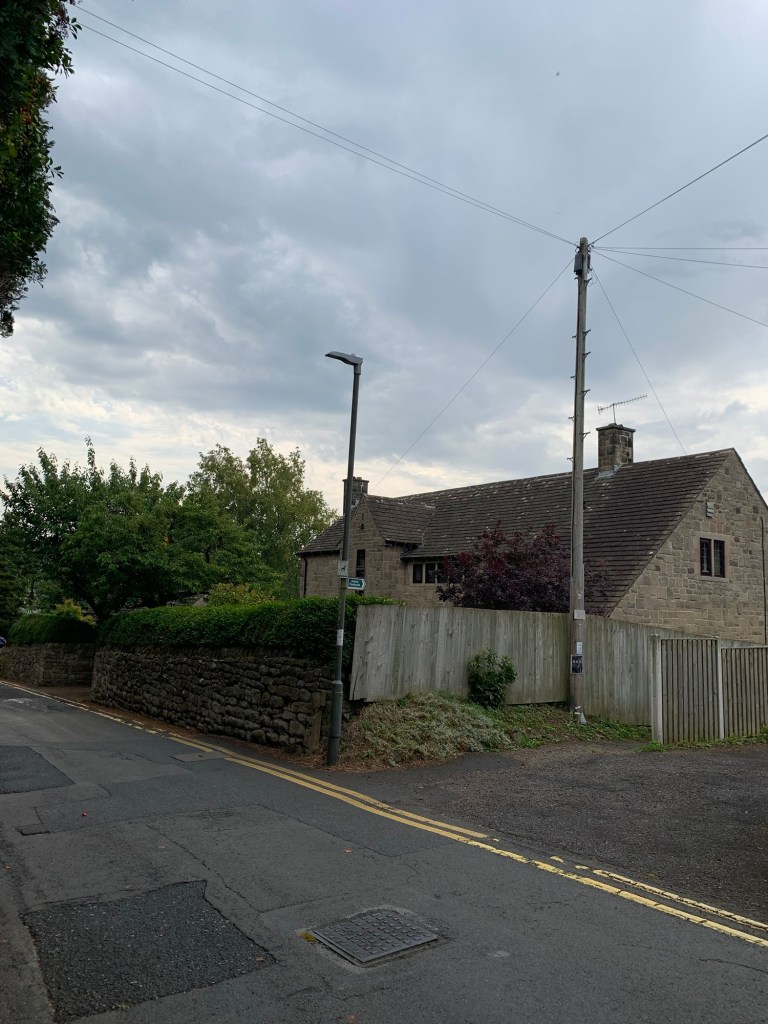
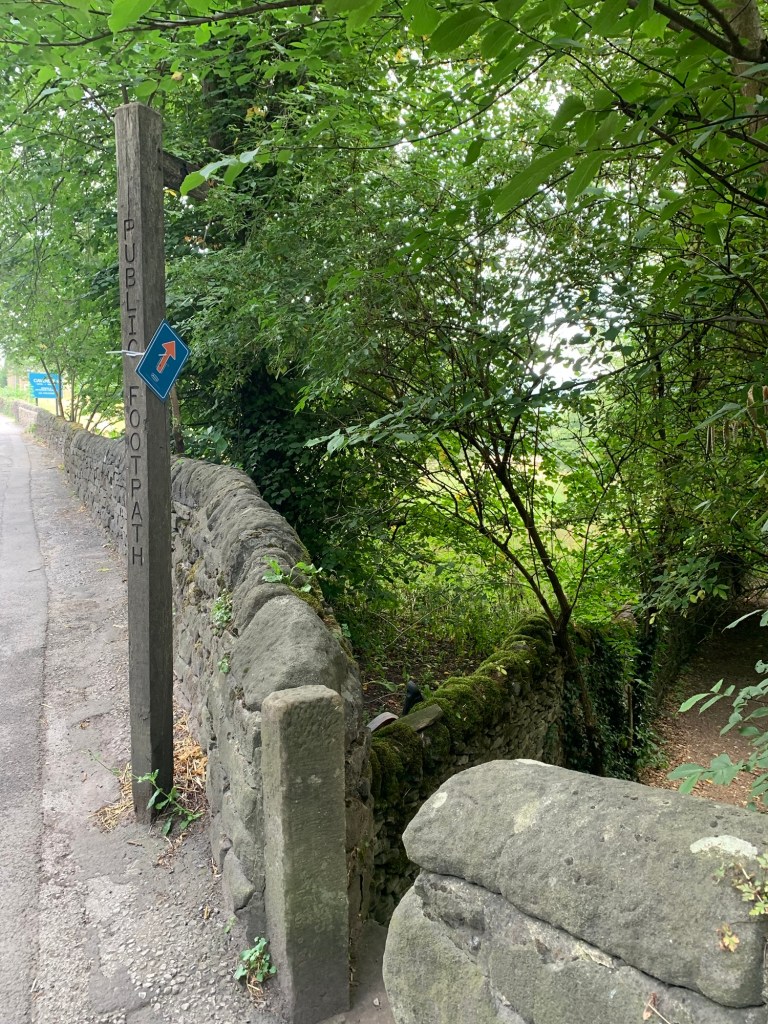
    But, as it’s way too soon to be thinking about cafes, we take the path on the left hand side just at the start of the Wormhill Road 

    and take a short cut up some steps to join the trail just past the cafe and head left. 

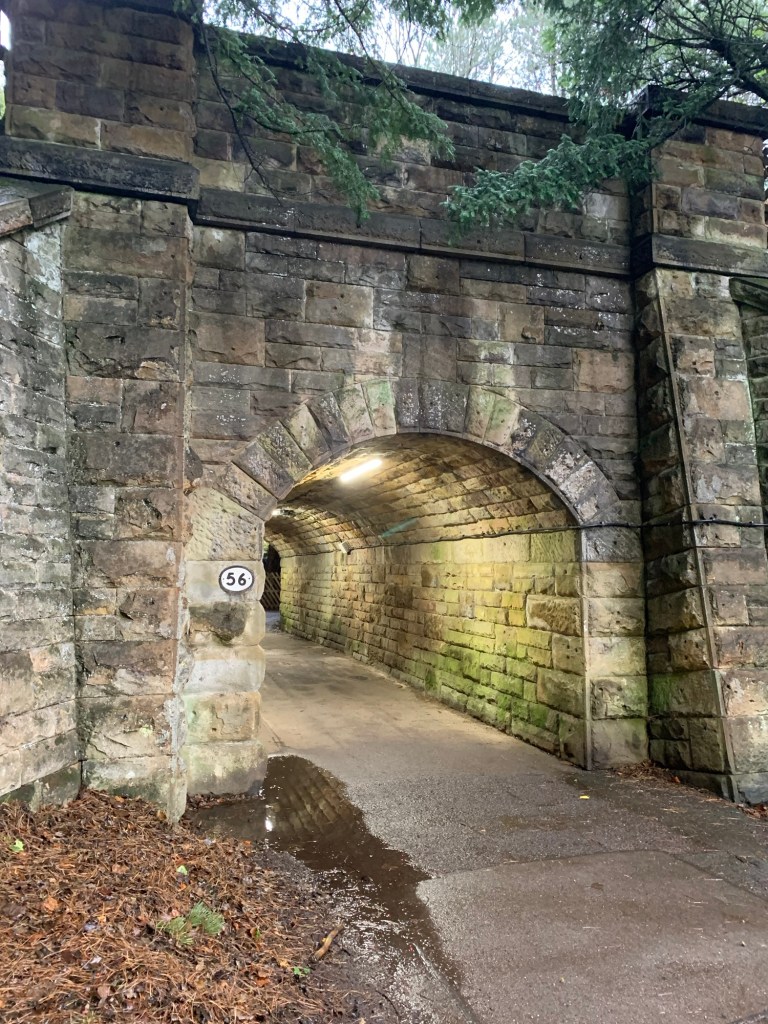
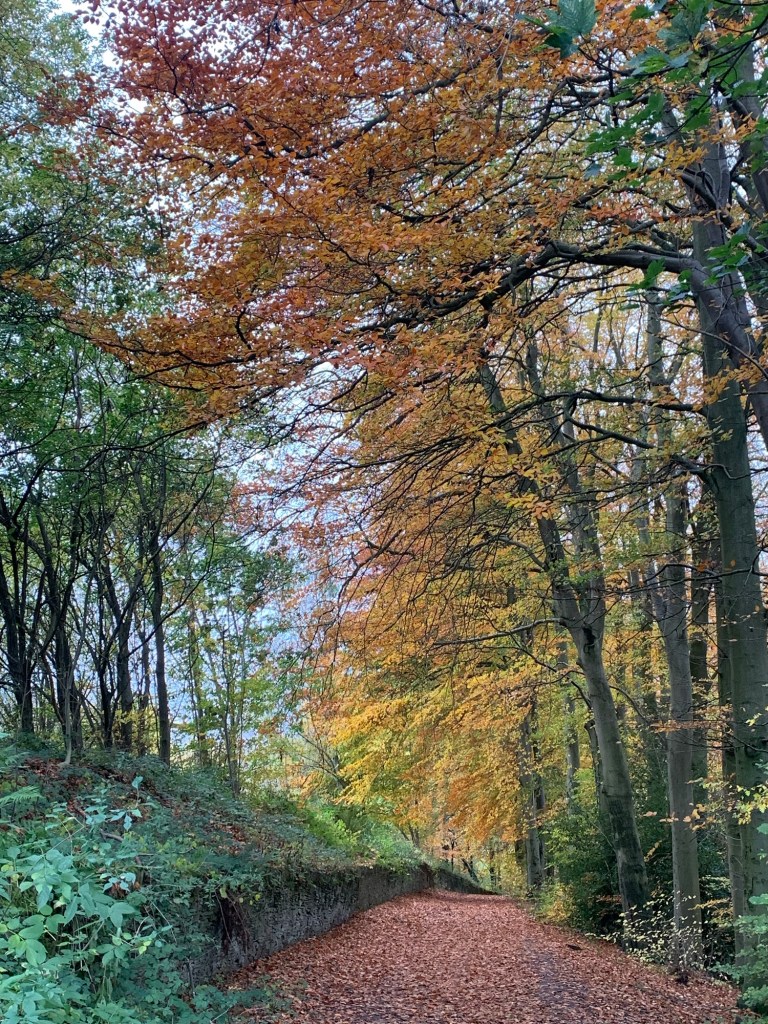
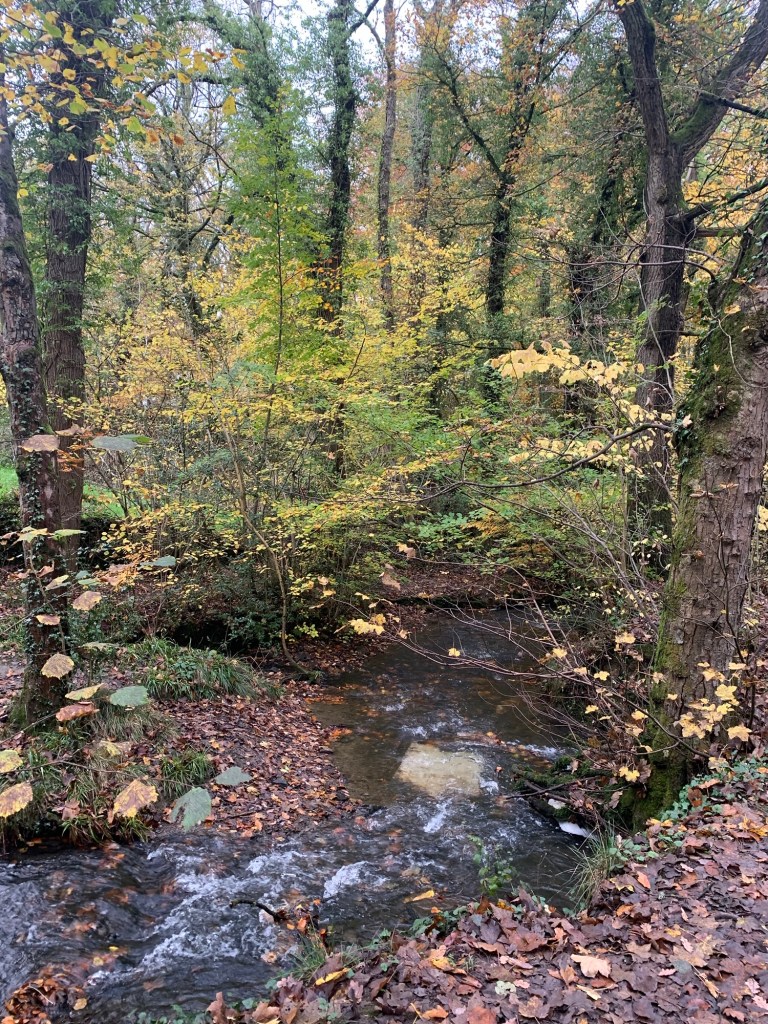
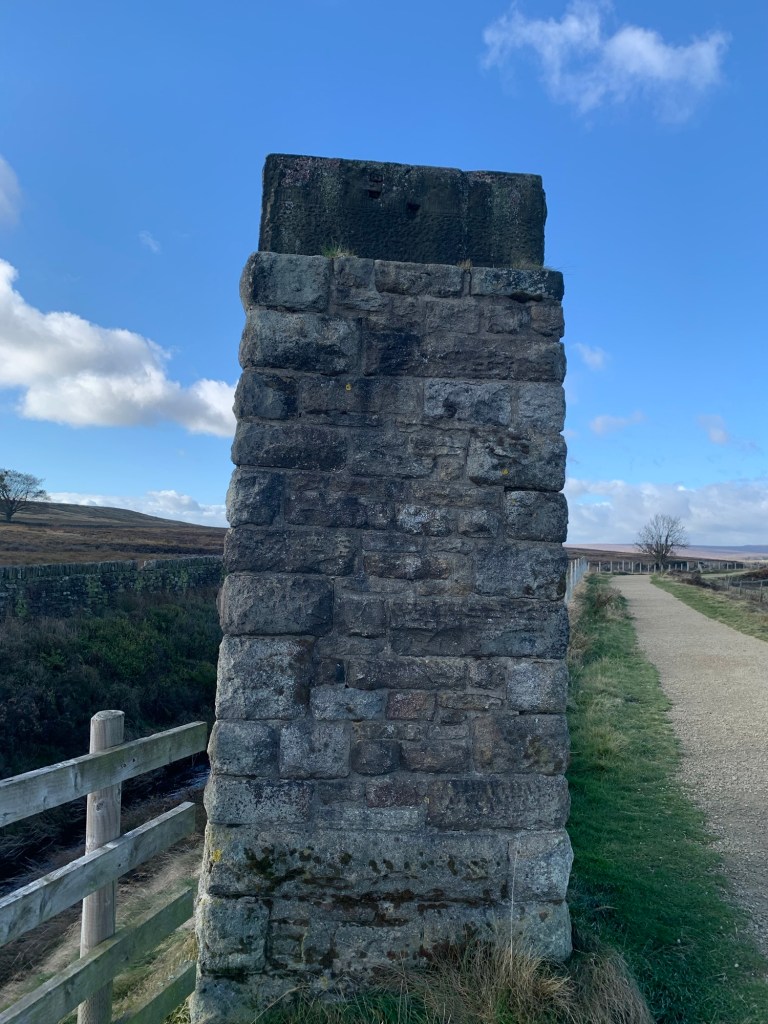
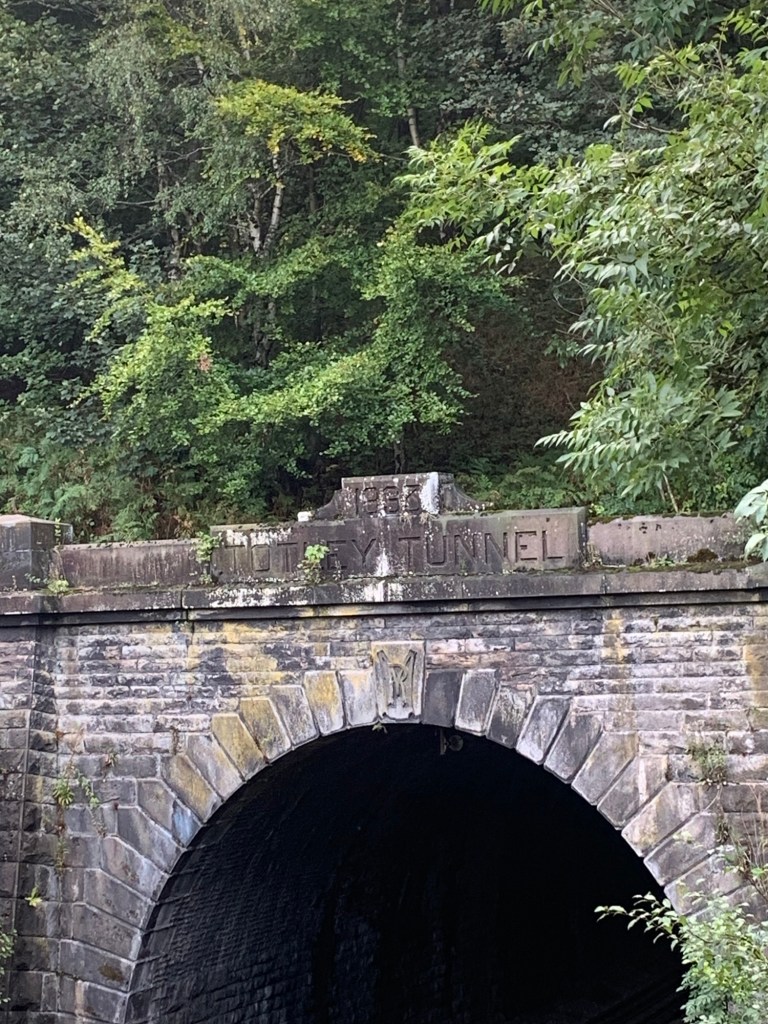
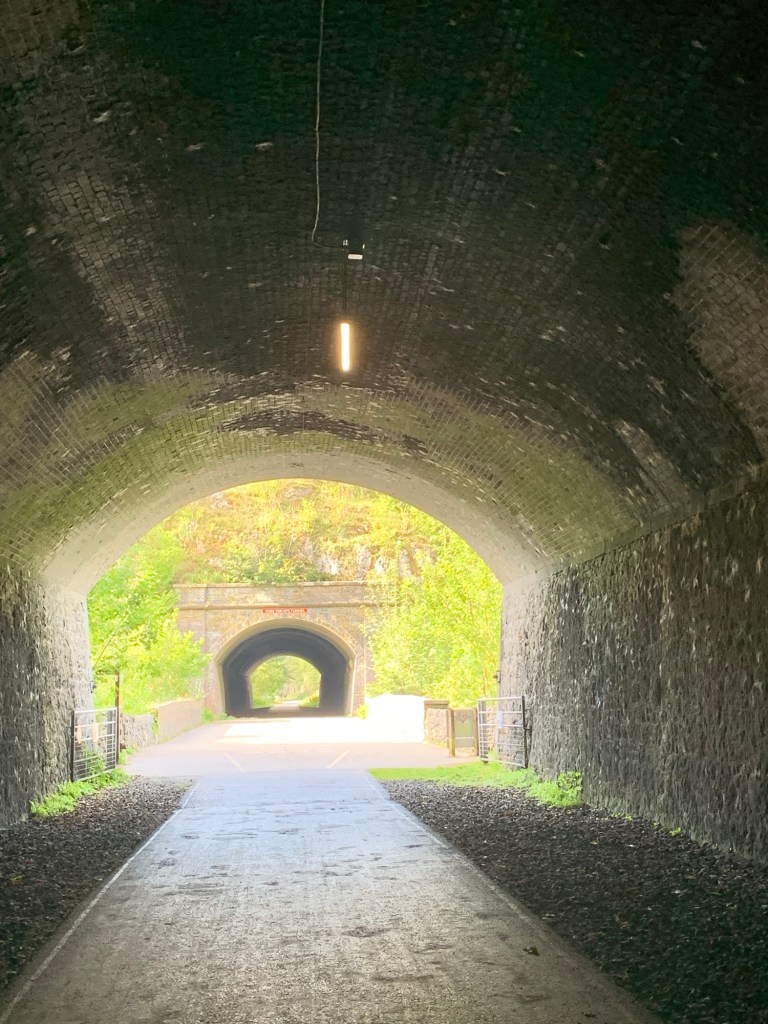
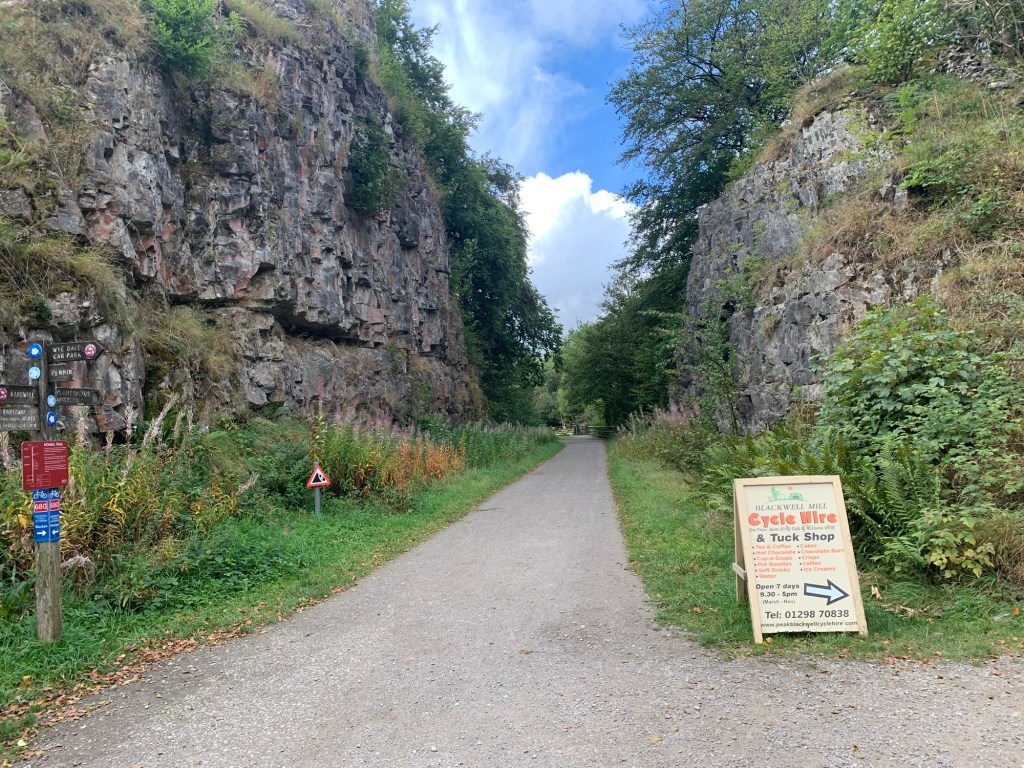
    We’re soon passing the imposing remains of the lime kilns ( bats live here) and although we’re probably only following the trail for a couple of km, it’s choc-full of interest with bridges, tunnels, astonishing glimpses of limestone cliffs and the river Wye winding beneath us.

    A great start to the day.

    At the sign for the Blackwell Bike Hire shop 

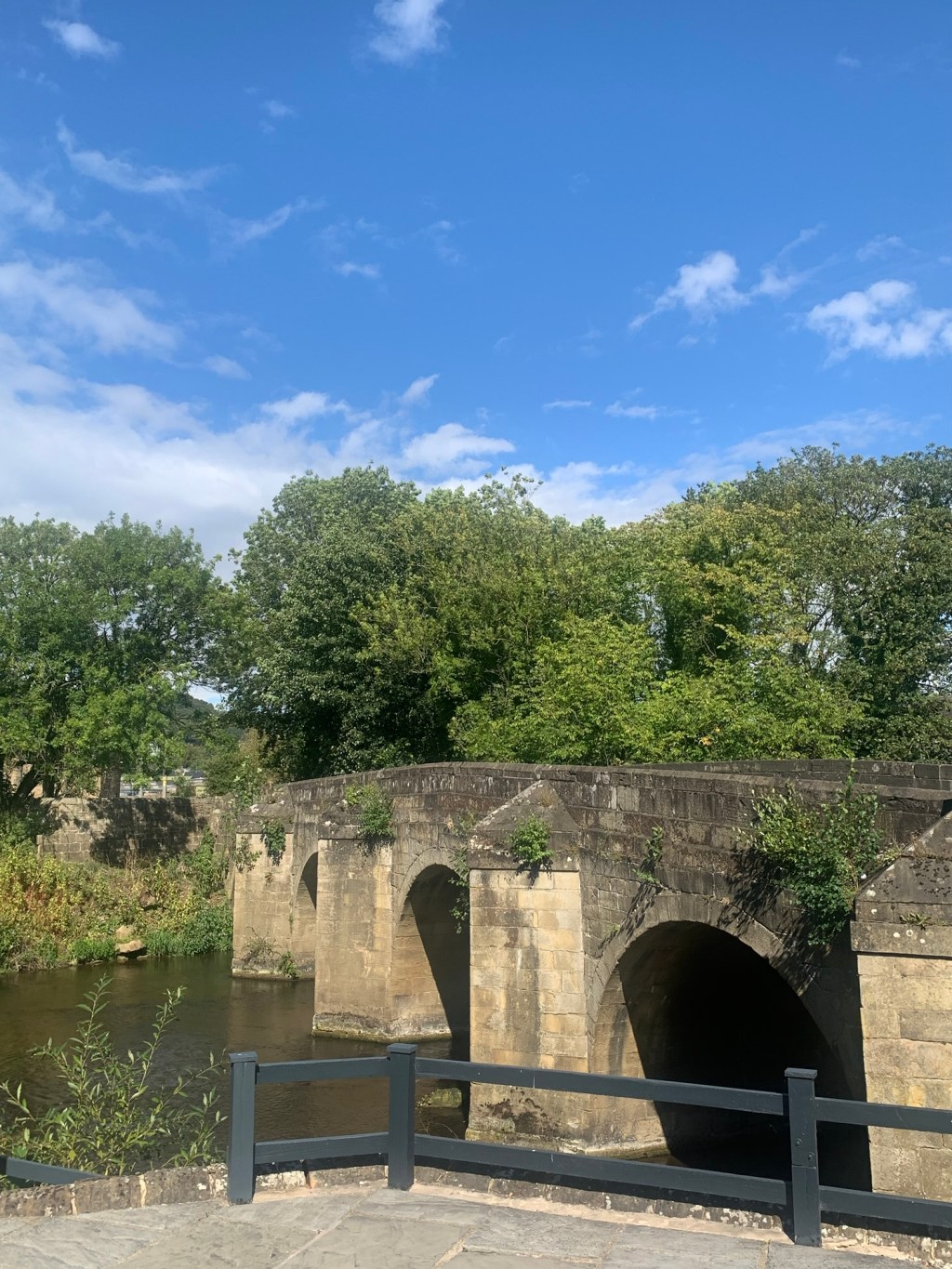
    we turn right off the trail and go back on ourselves in order to cross over the trail on the bridge. 

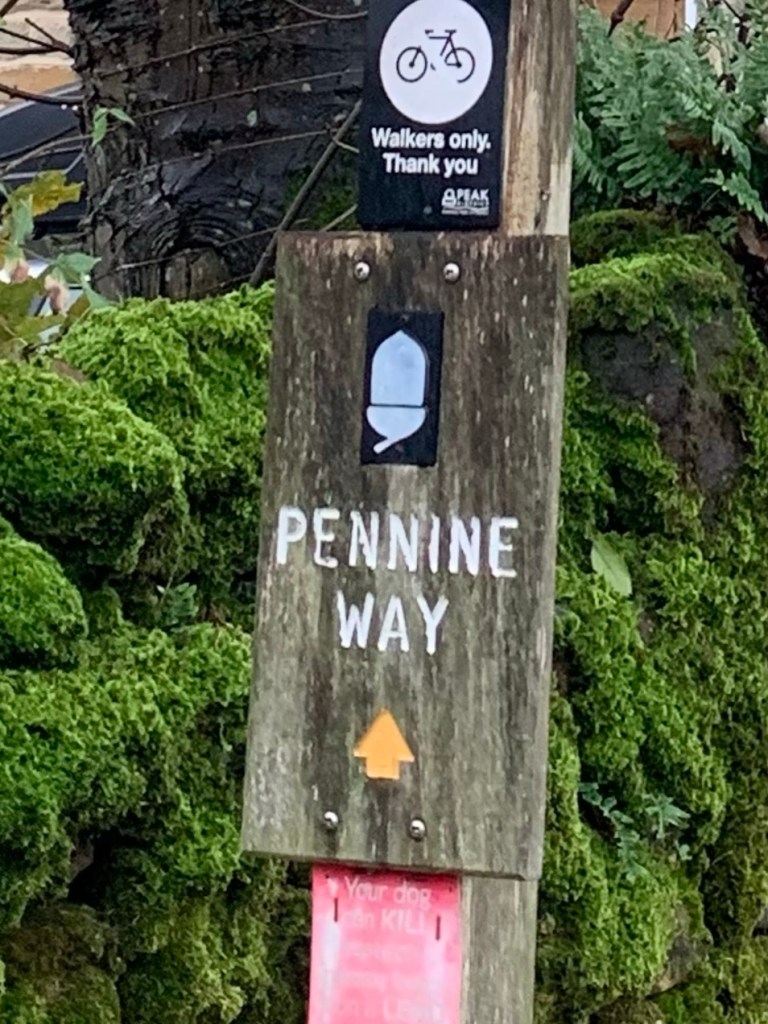
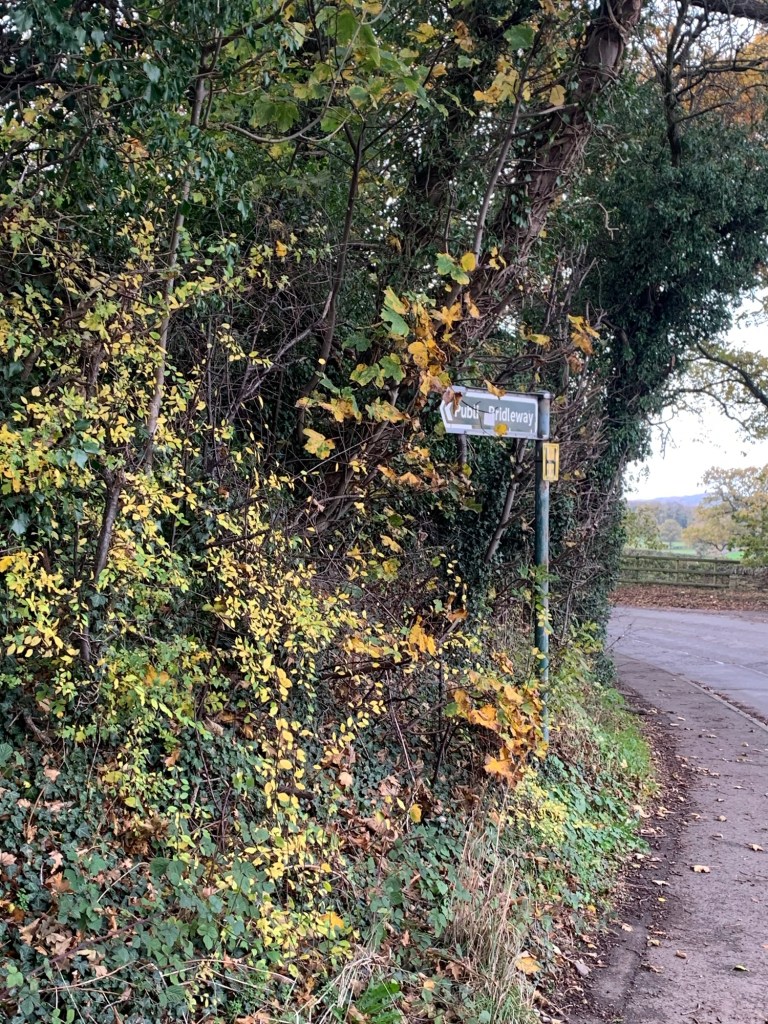
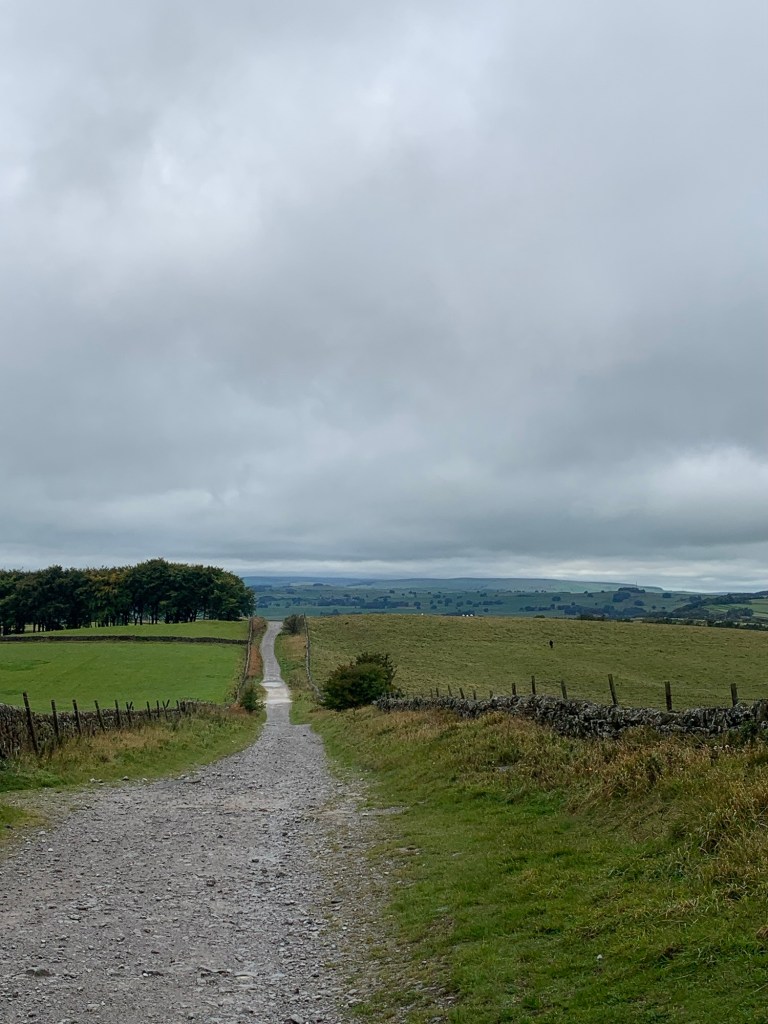
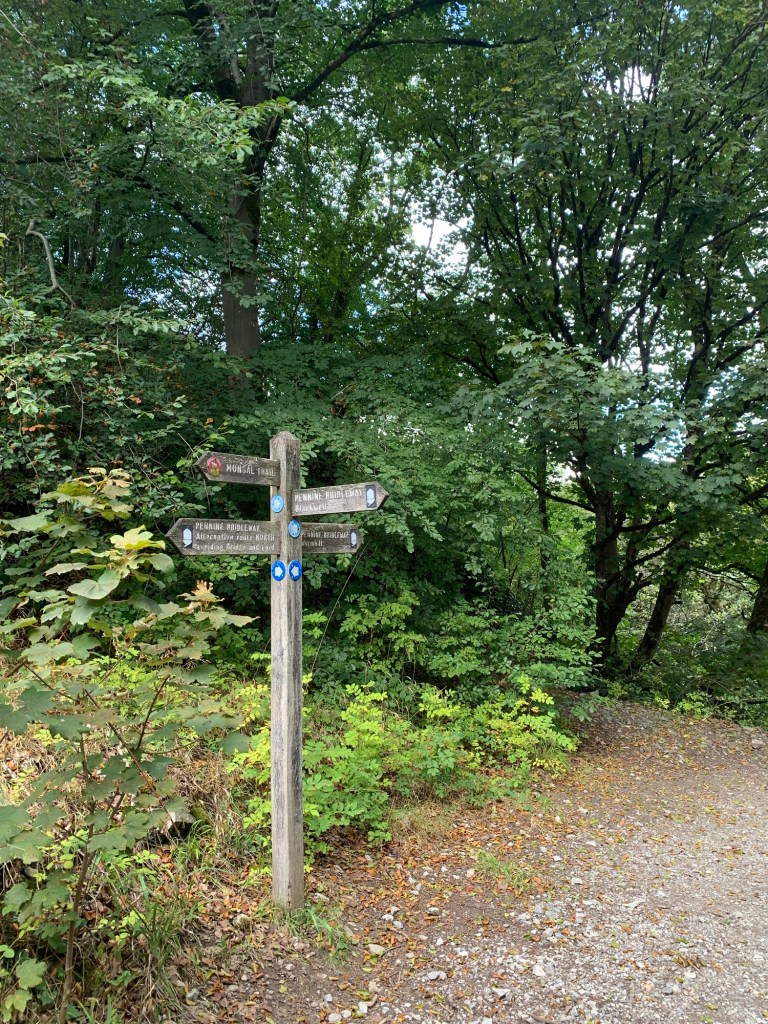
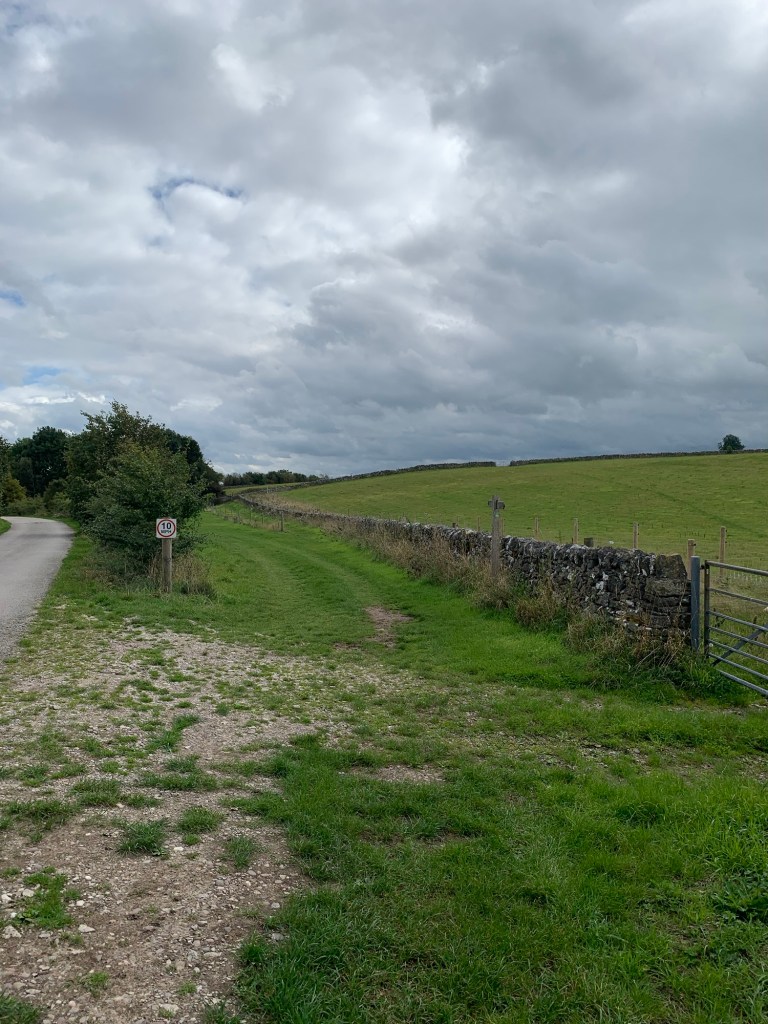
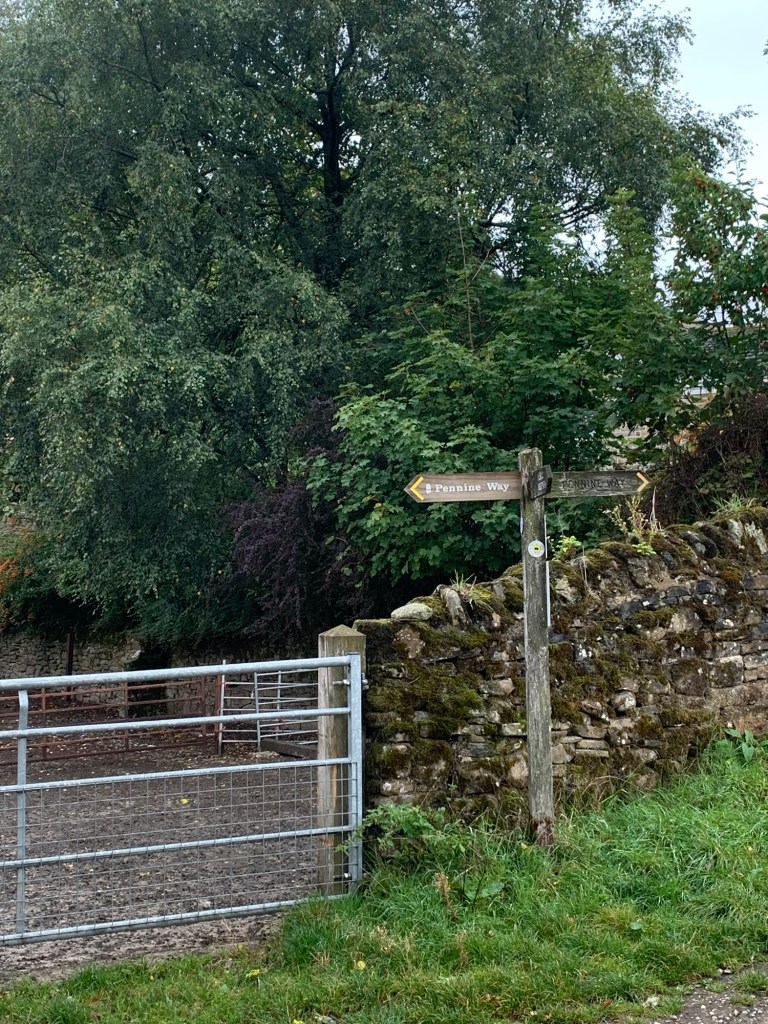
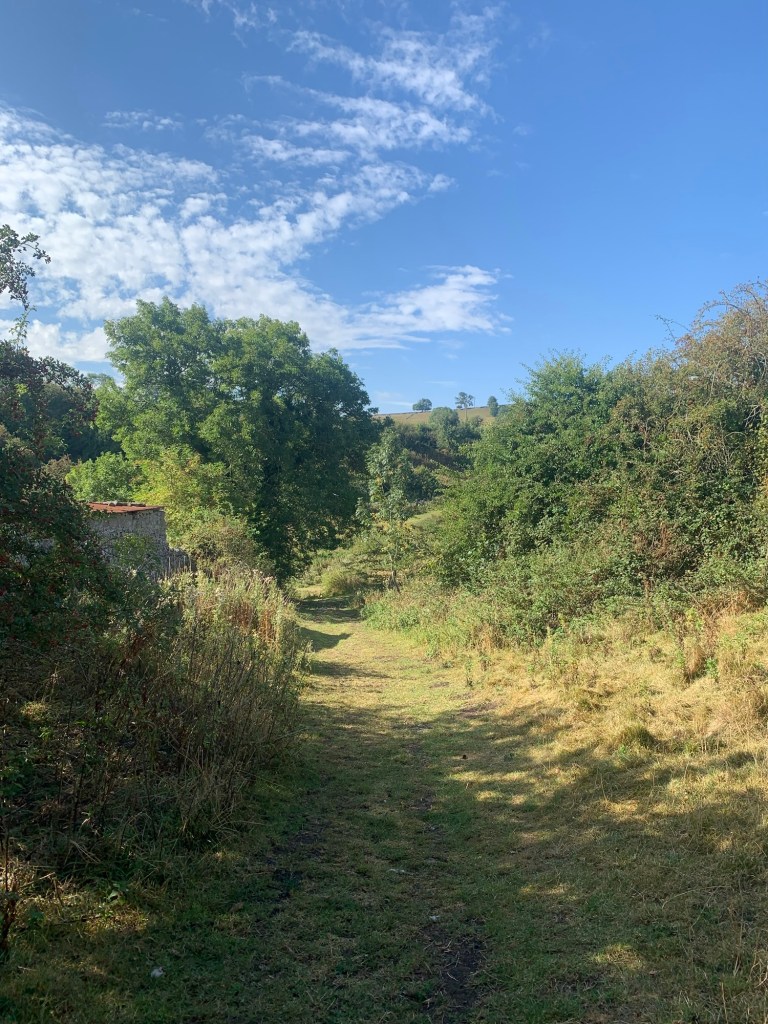
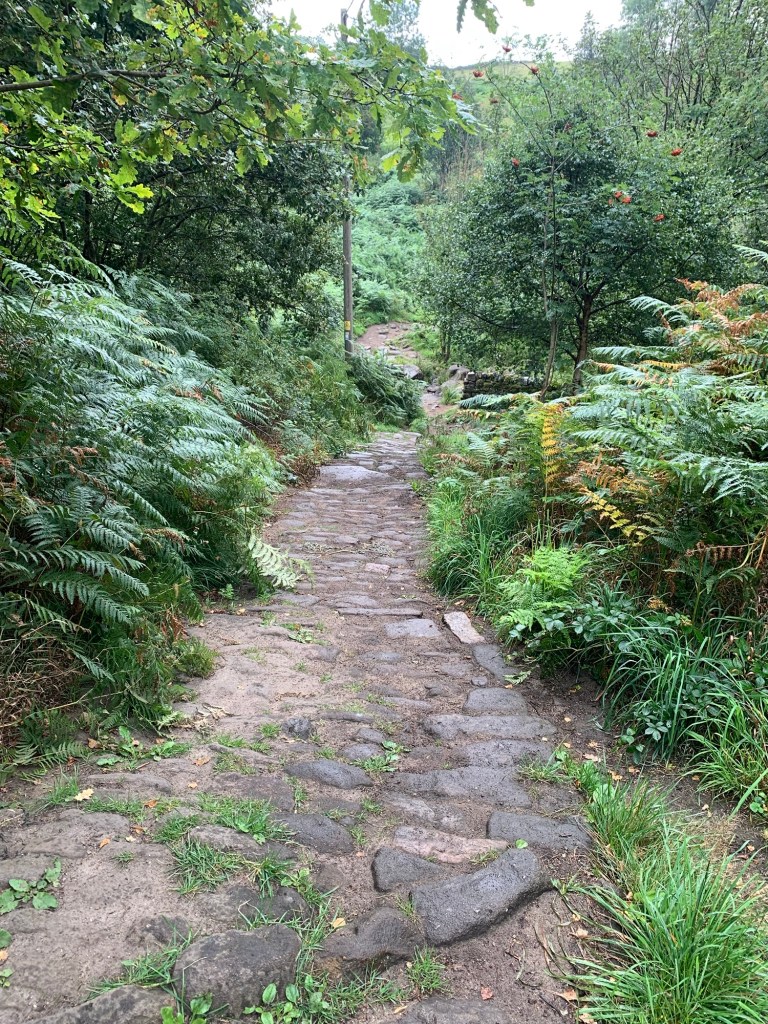
    We are now following the Pennine Bridleway as it climbs up to Blackwell caravan site and it’s probably worth mentioning that this section of the walk is one of the alternative endings to the C for Chelmorton walk although, obviously, in the opposite direction!

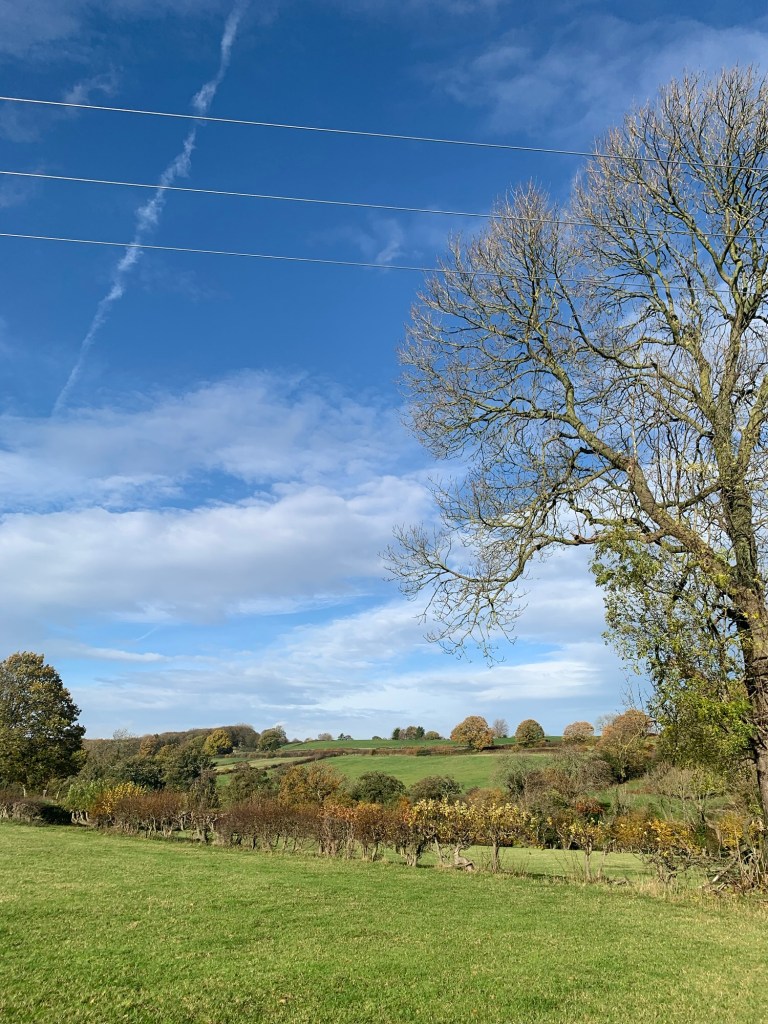
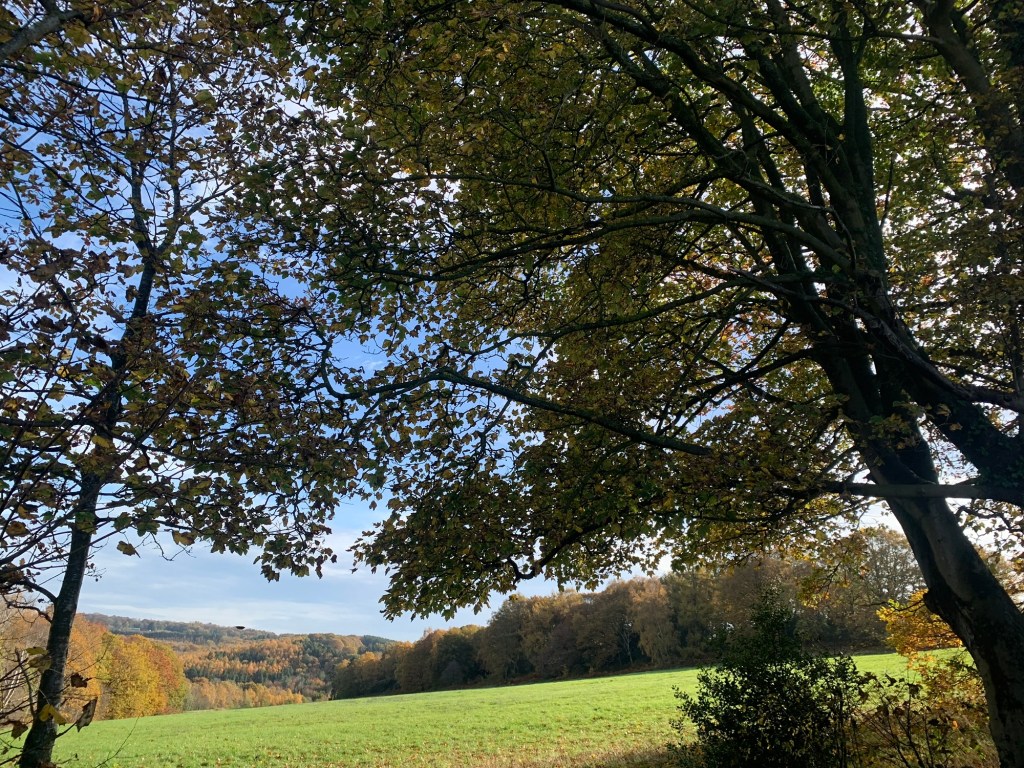
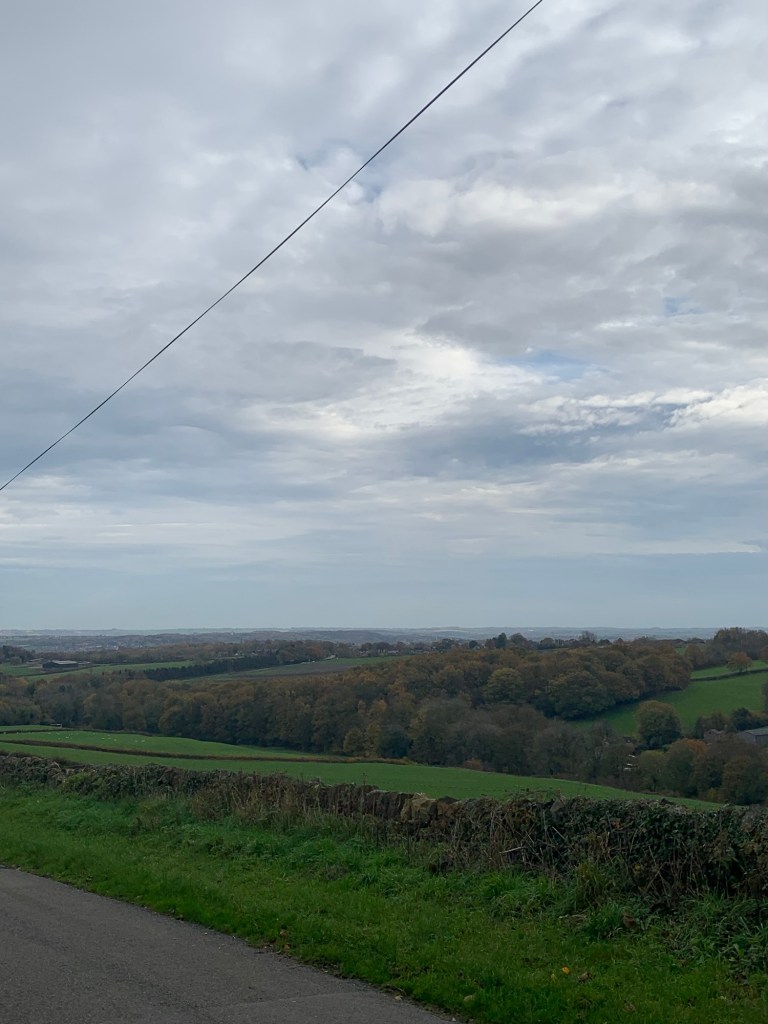
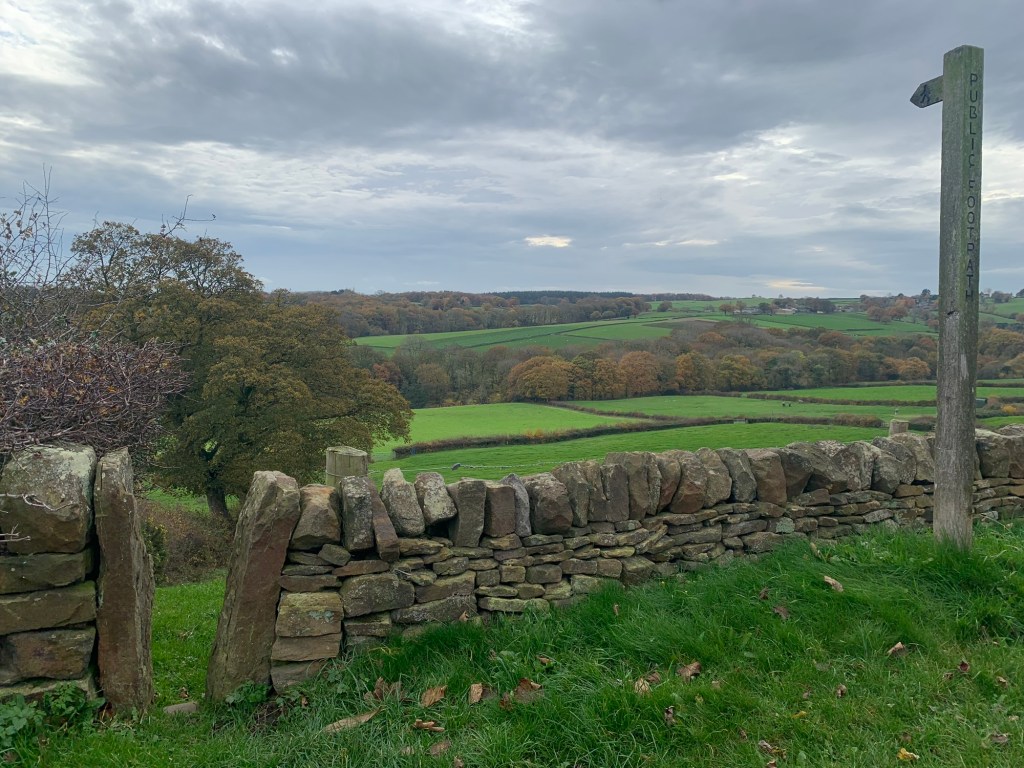
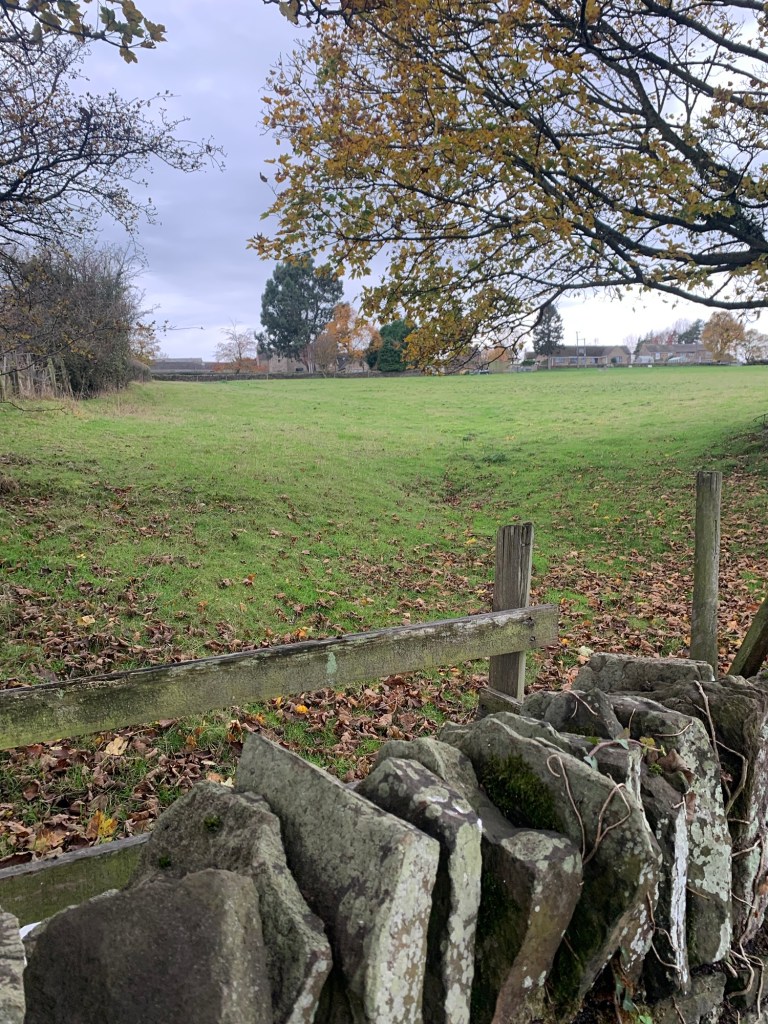
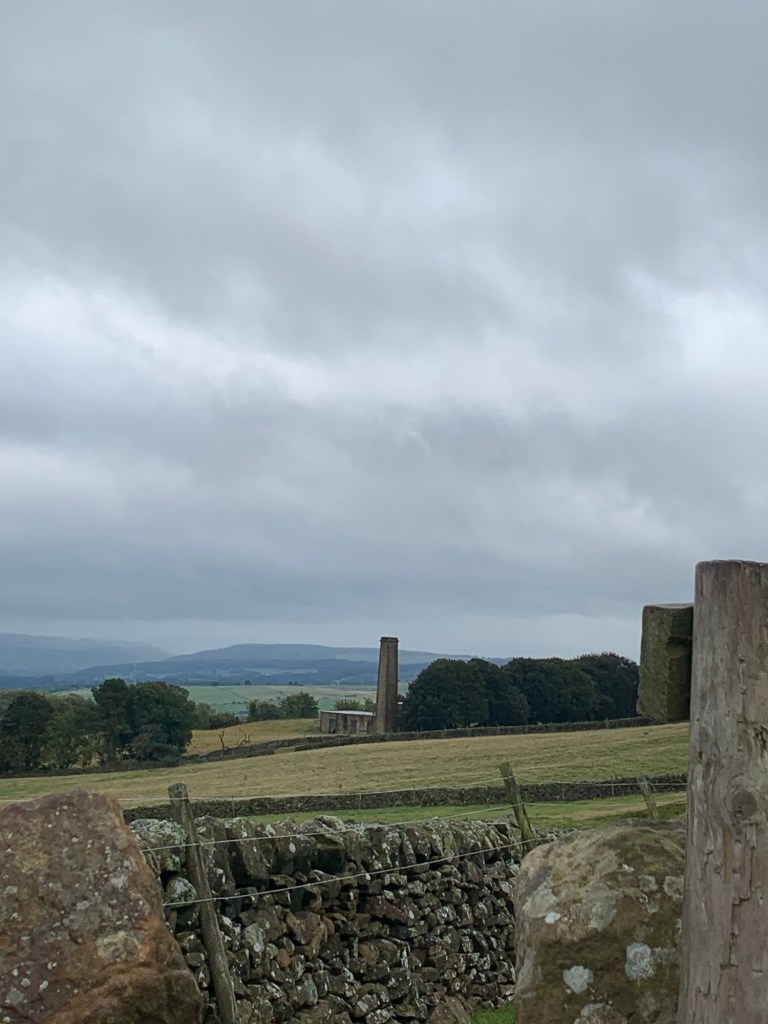
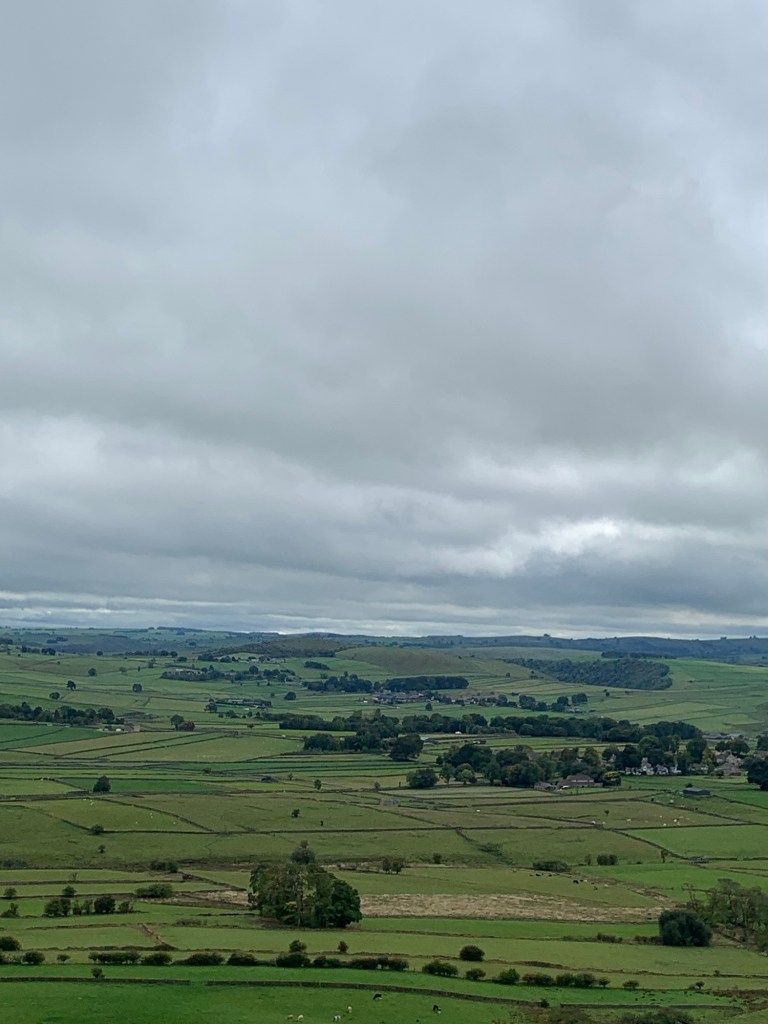
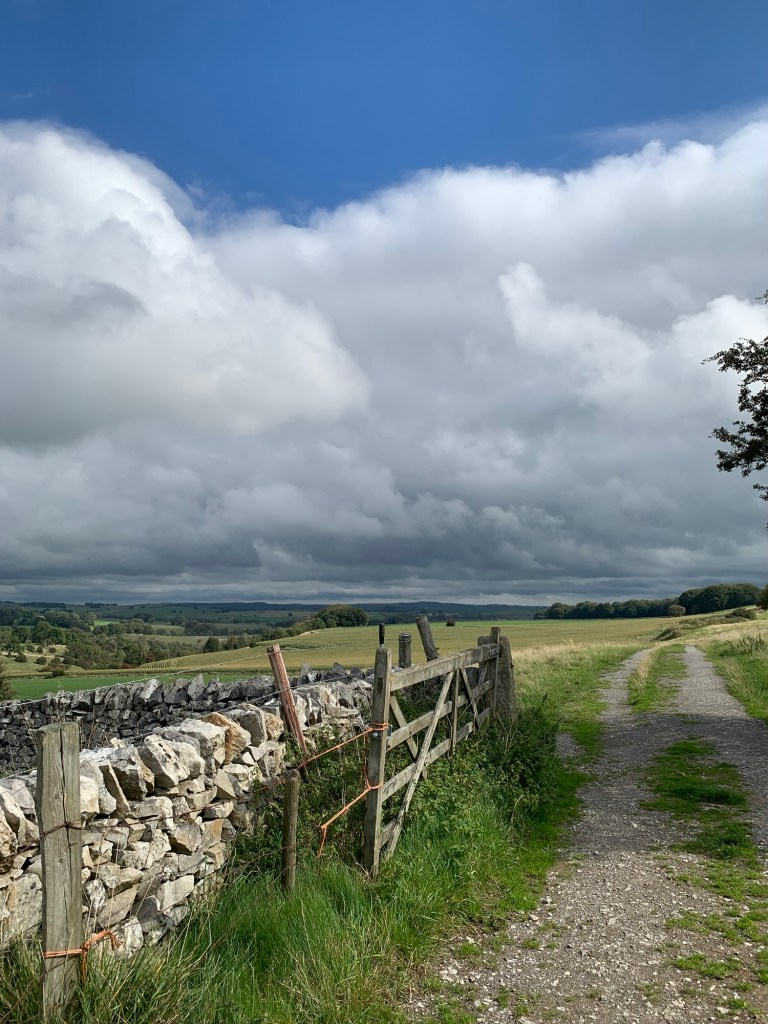
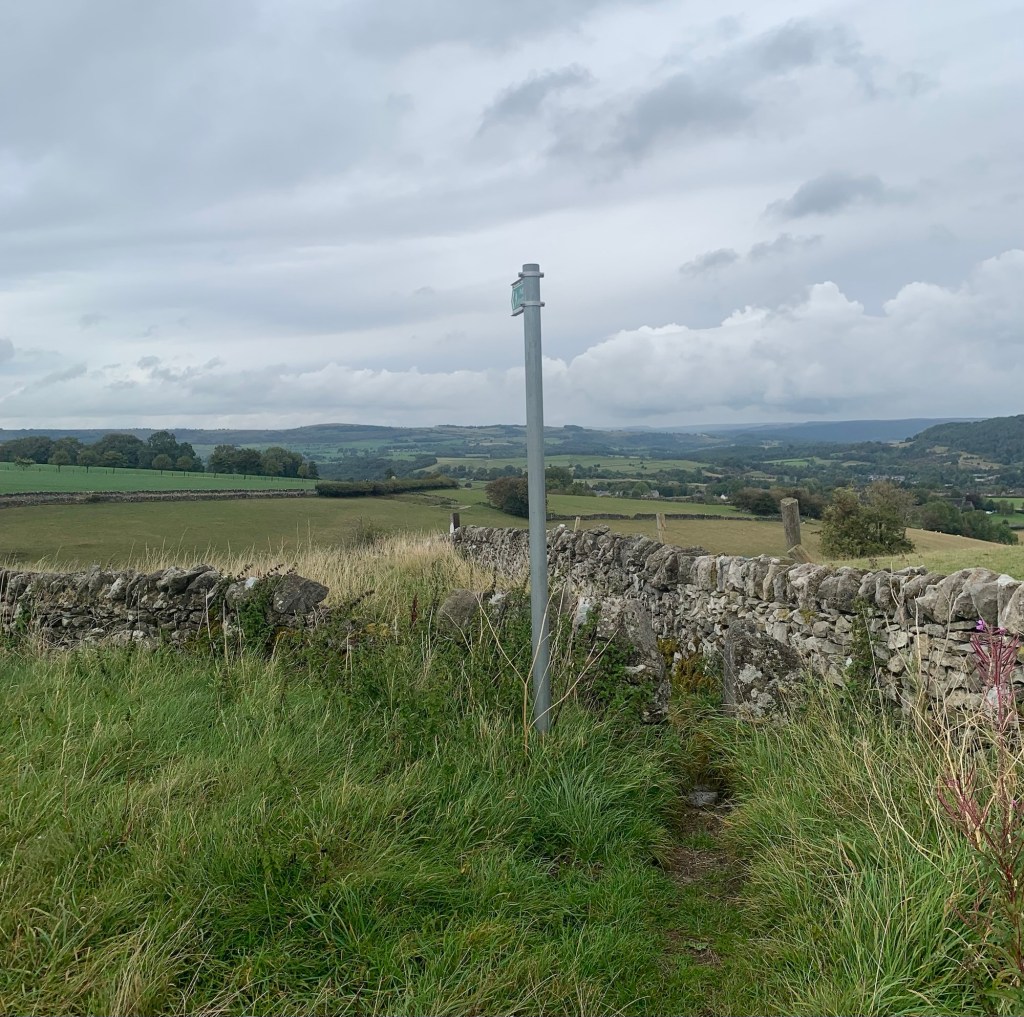
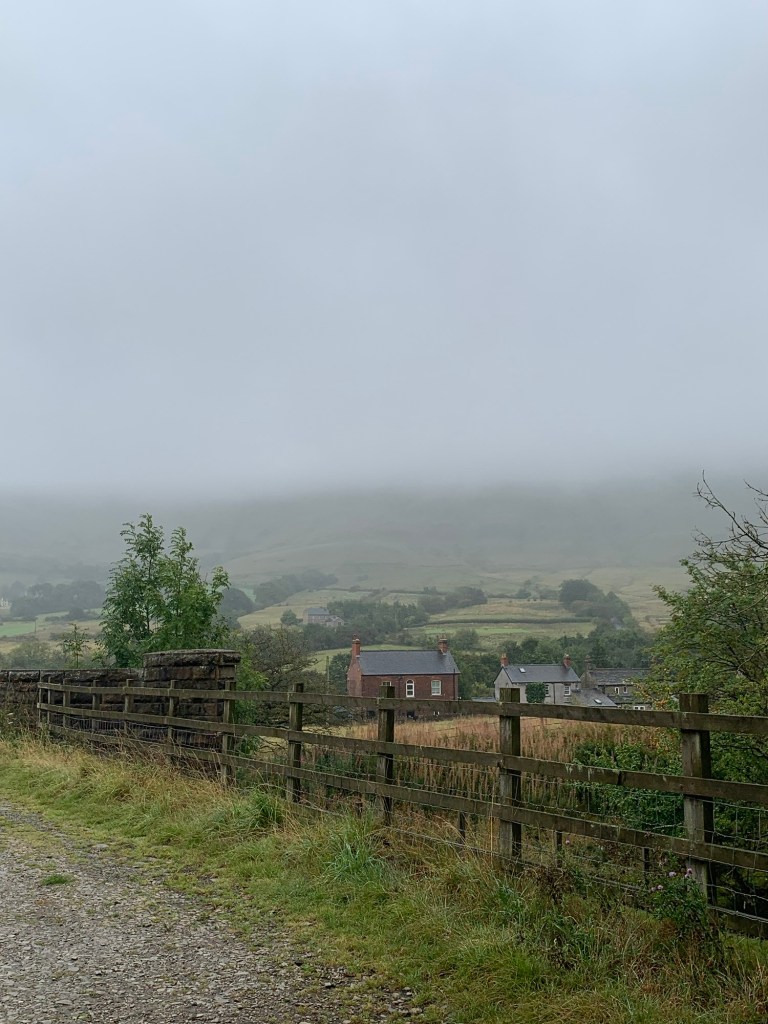
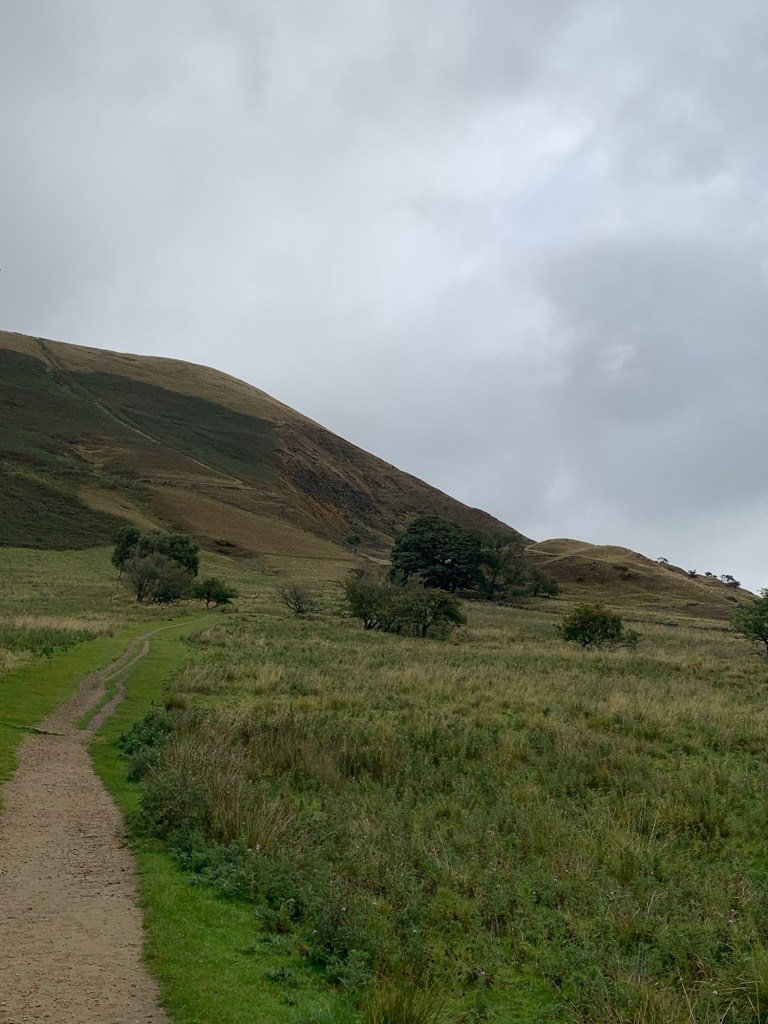
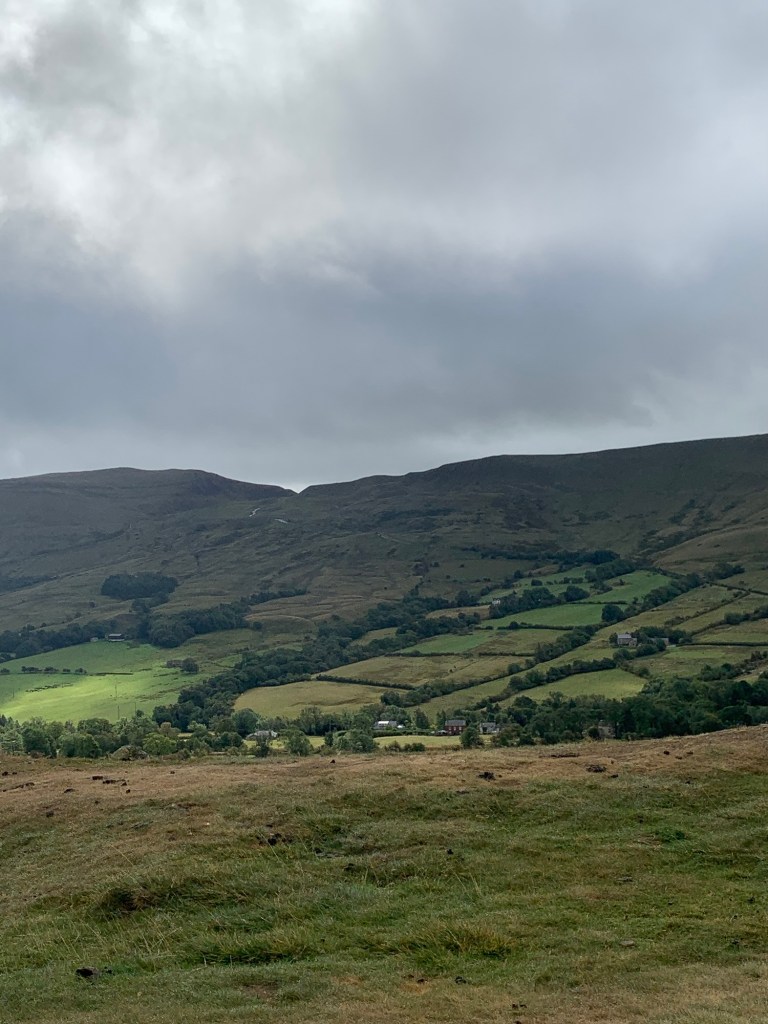
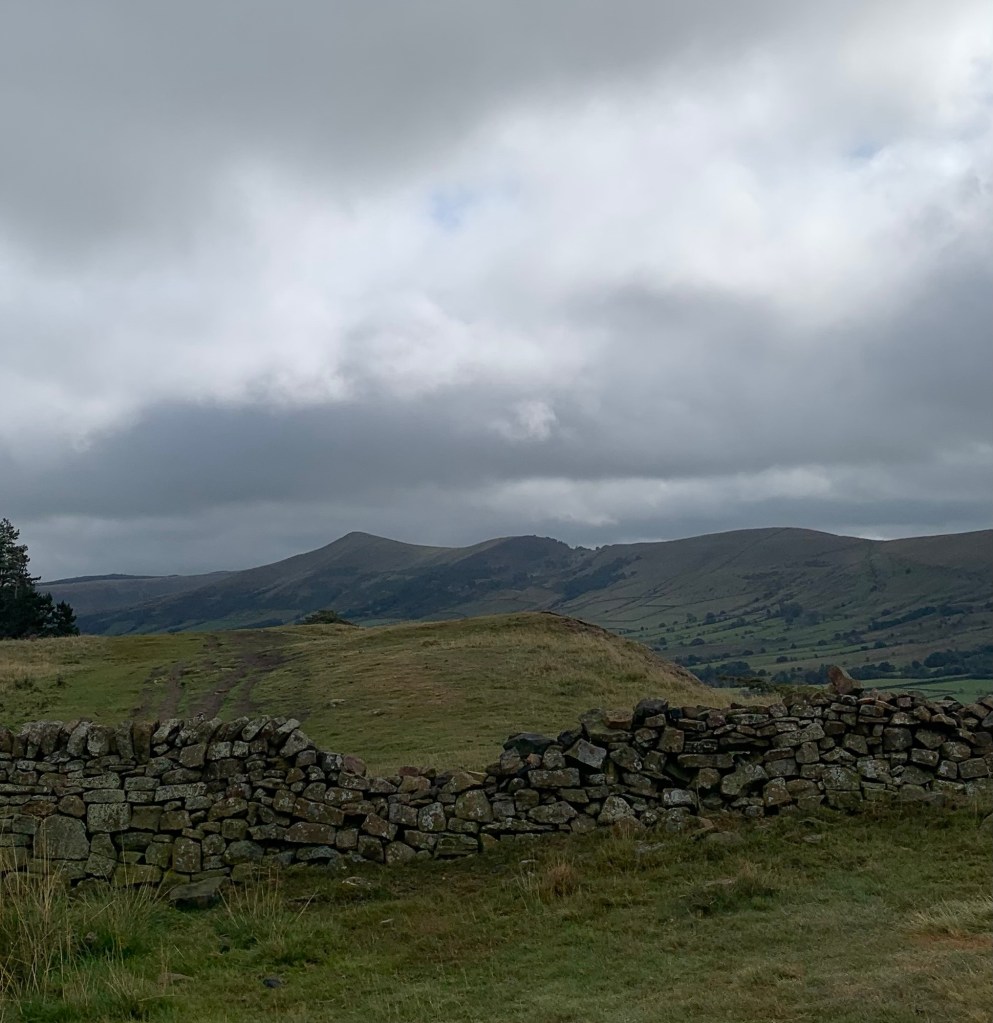
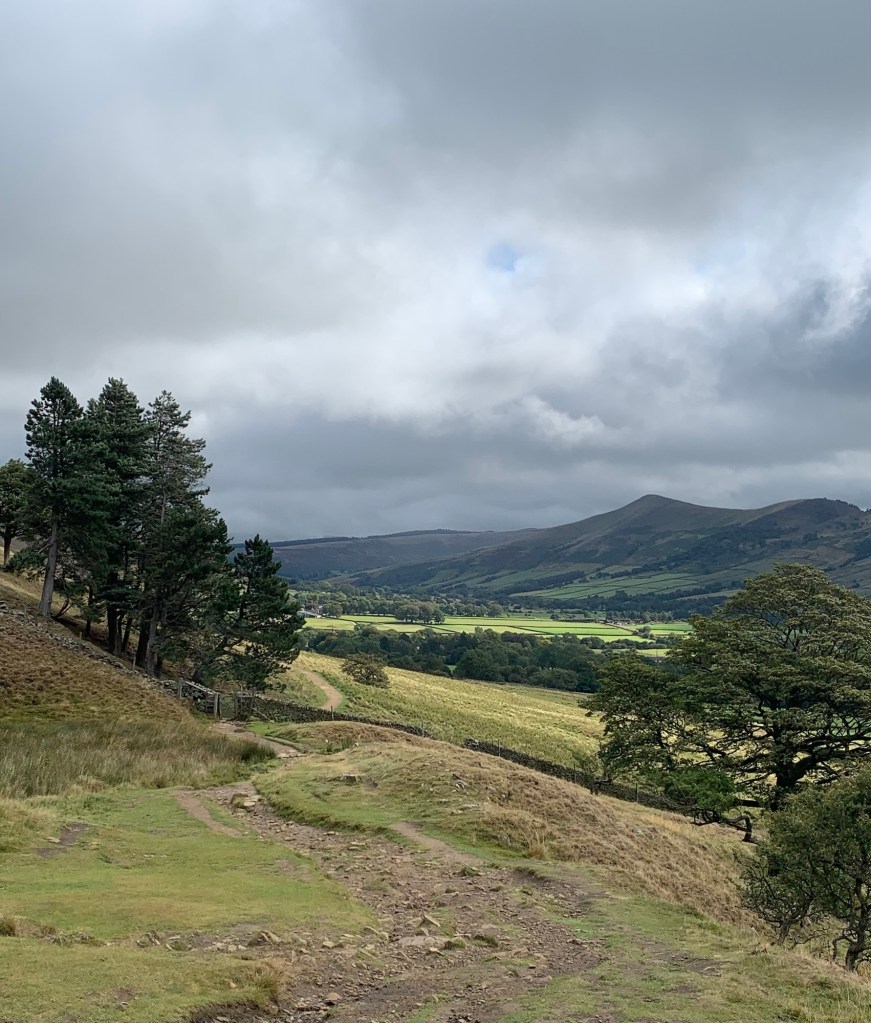
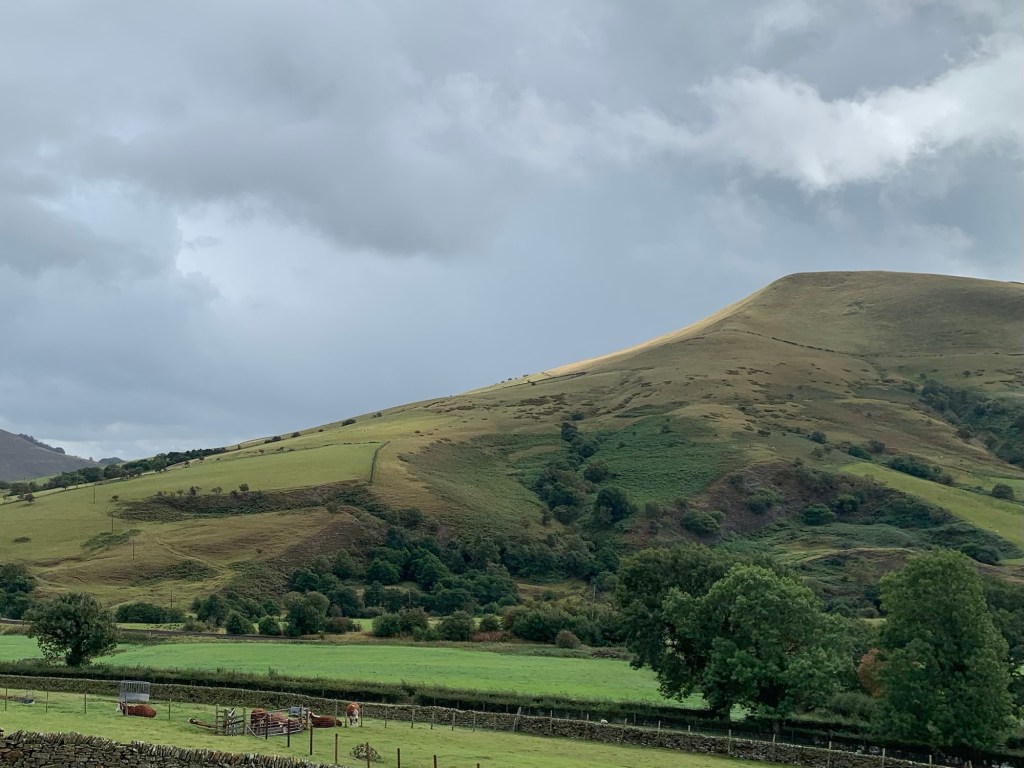
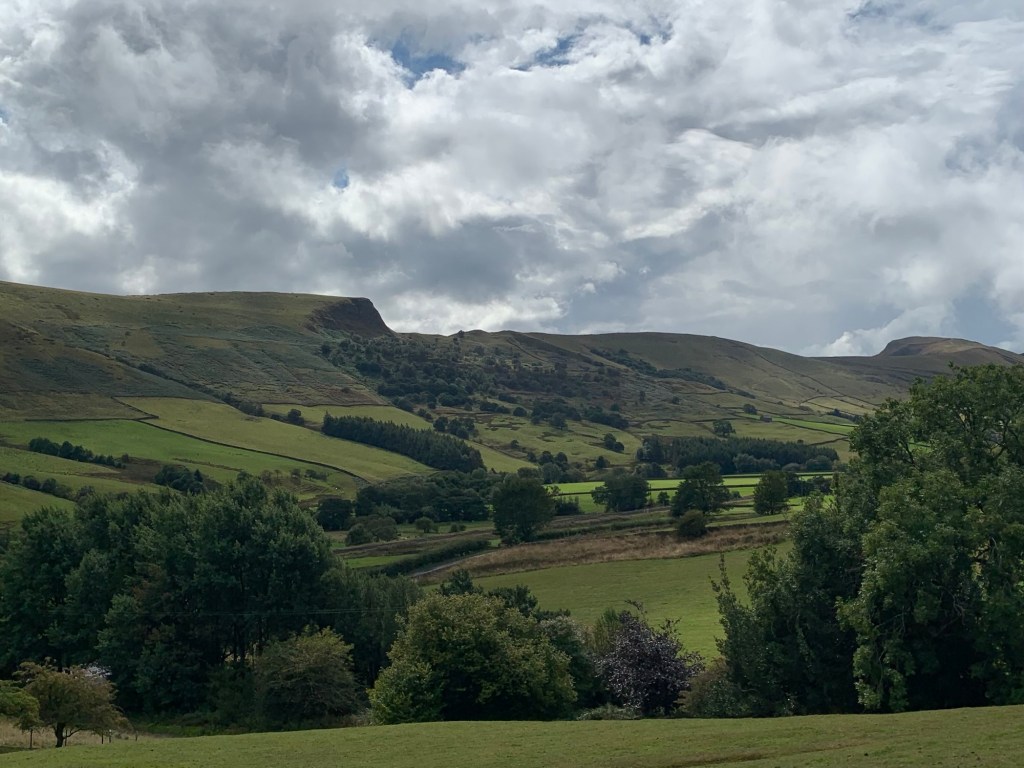
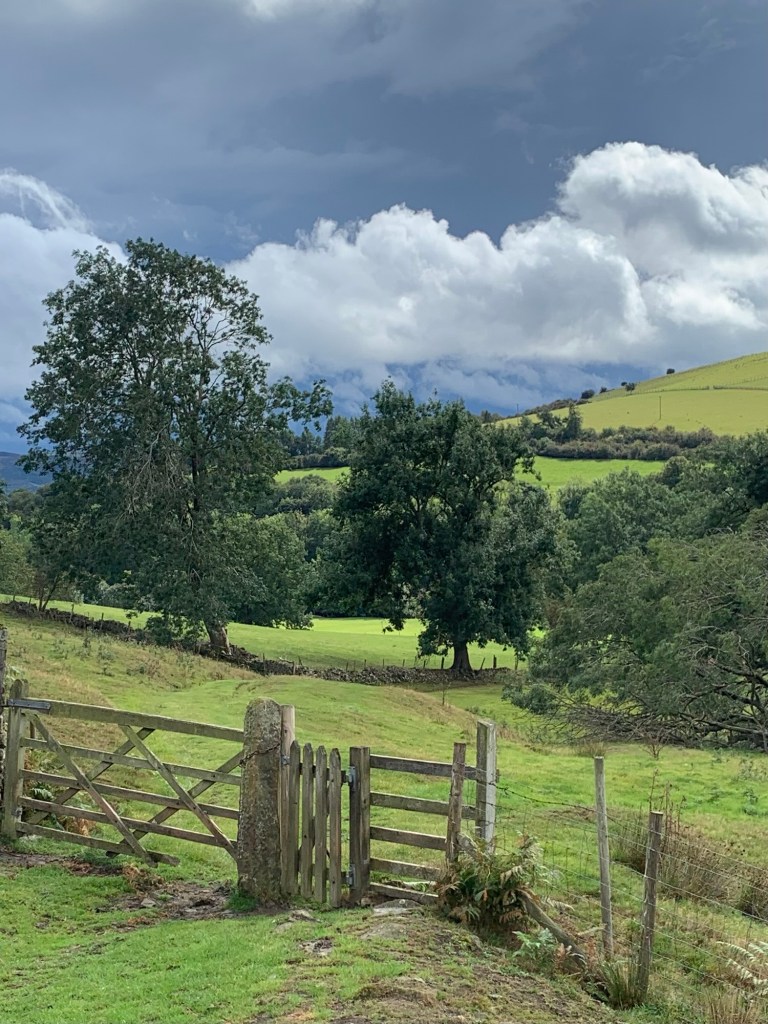
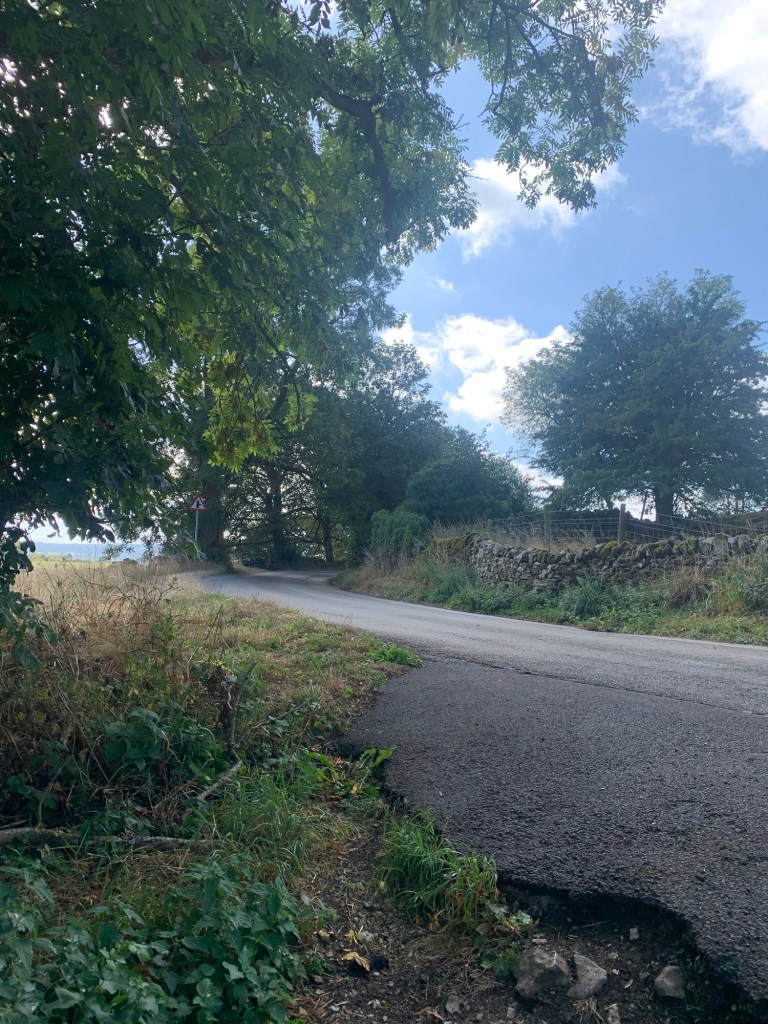
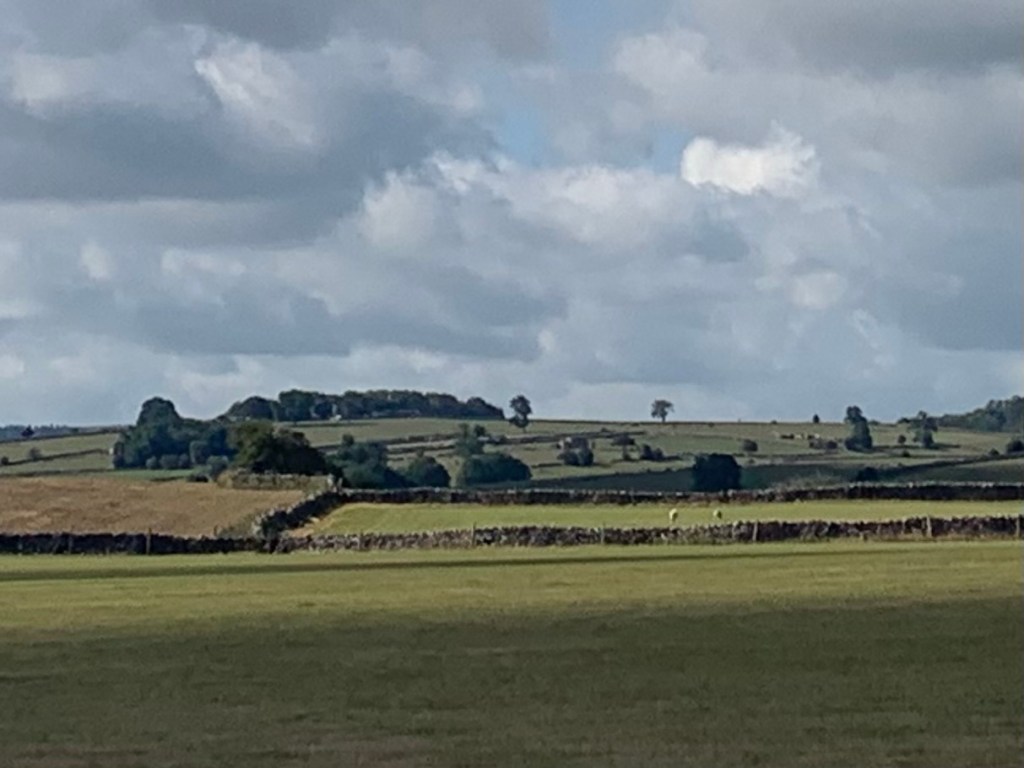
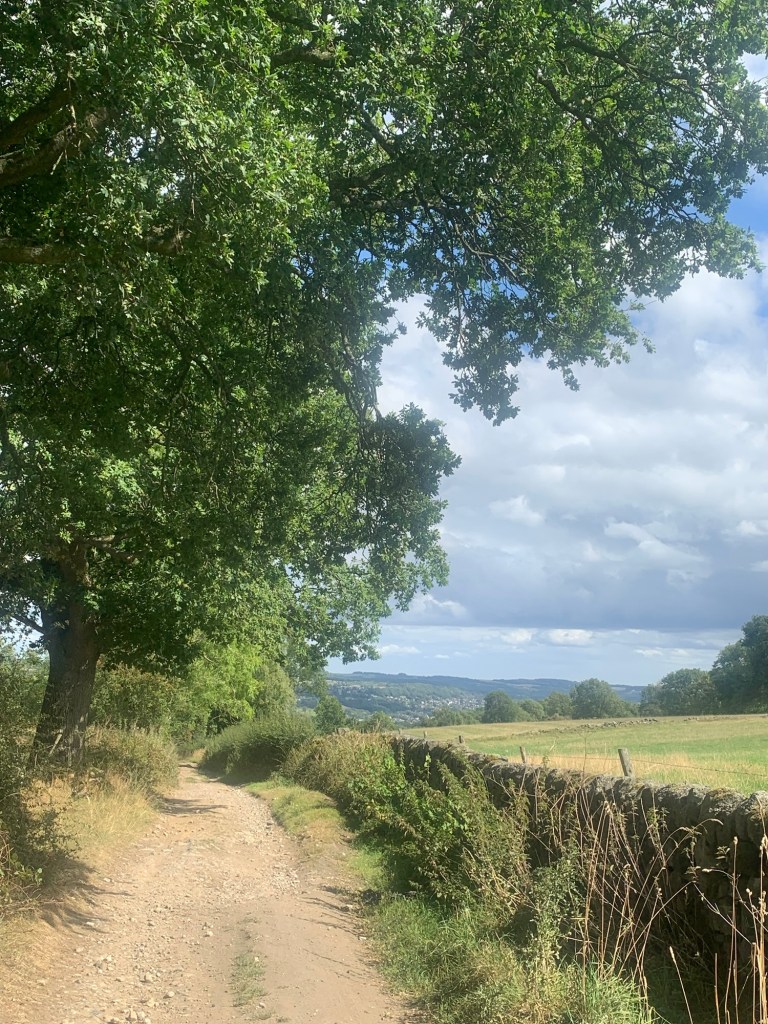
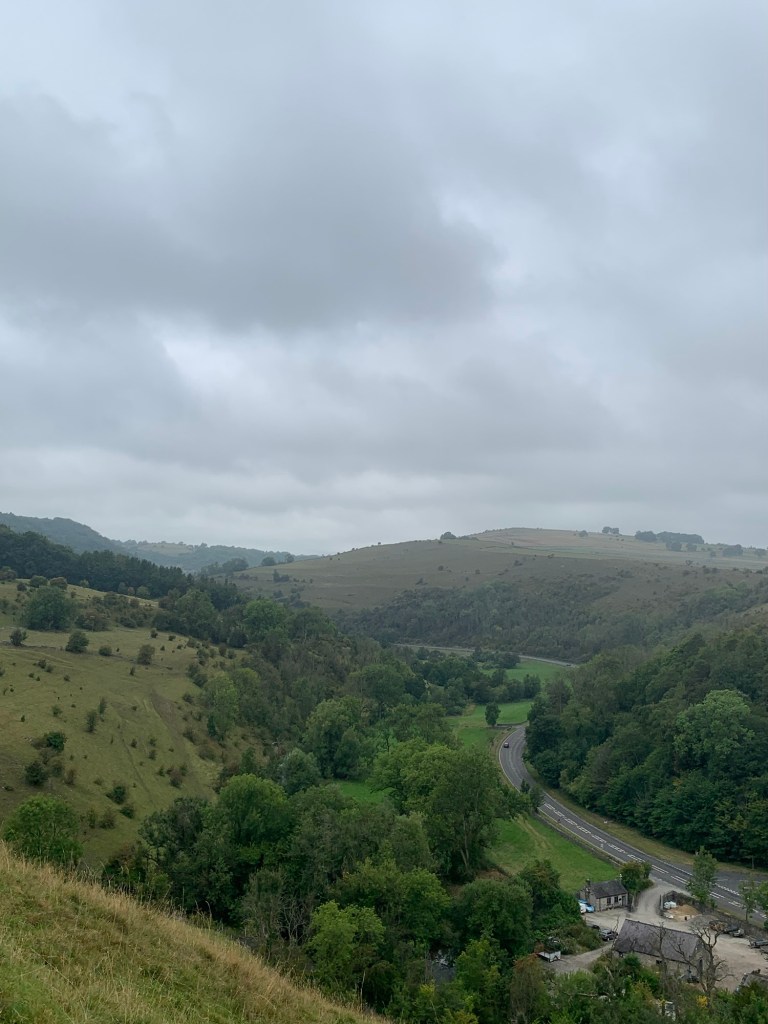
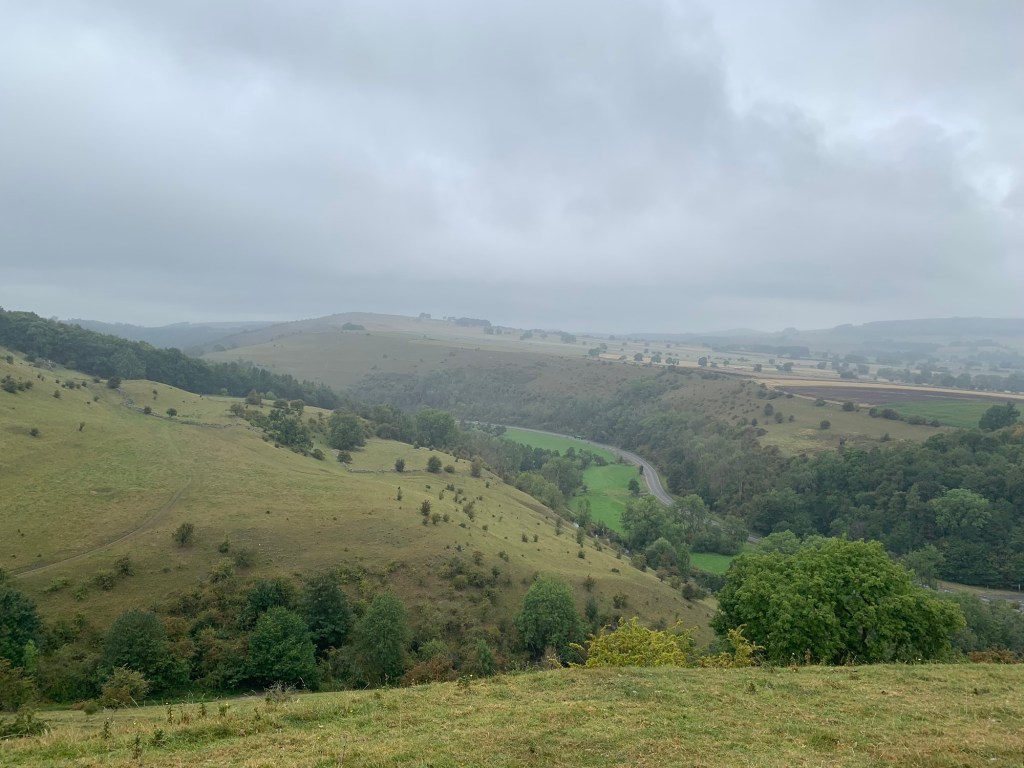
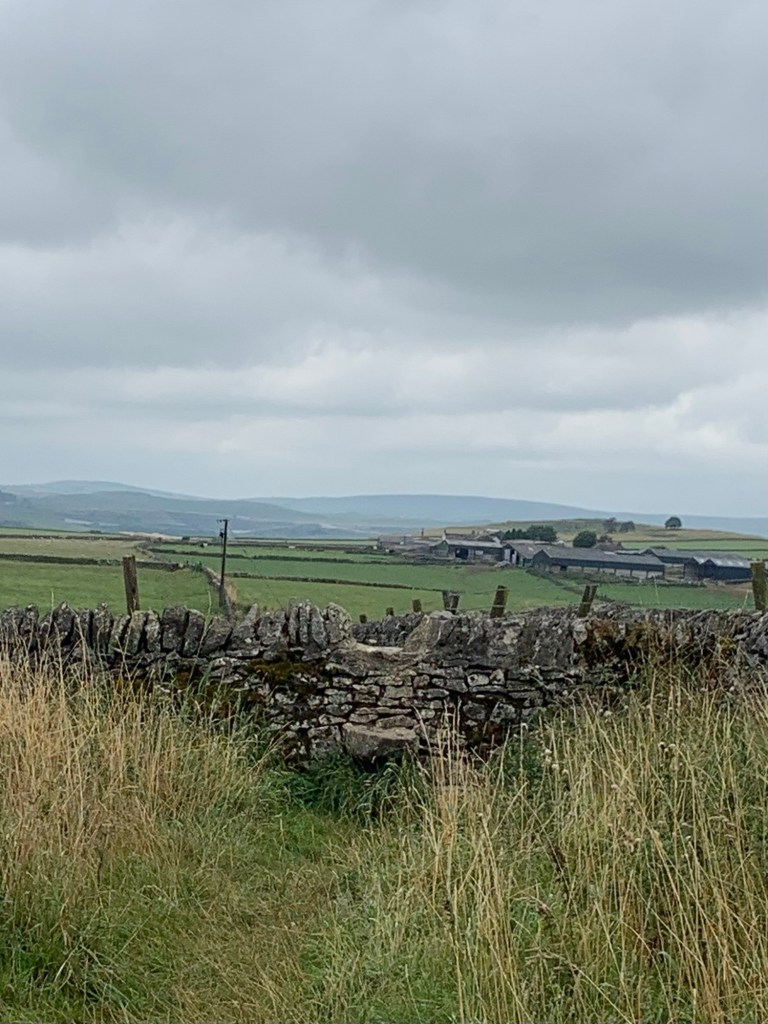
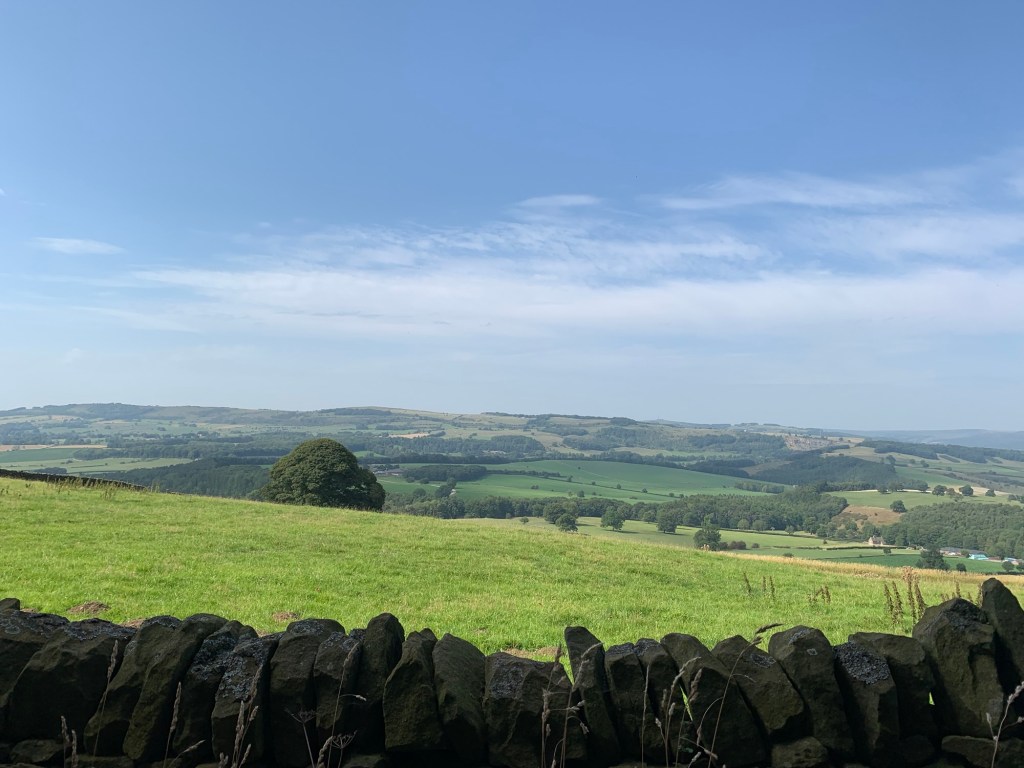
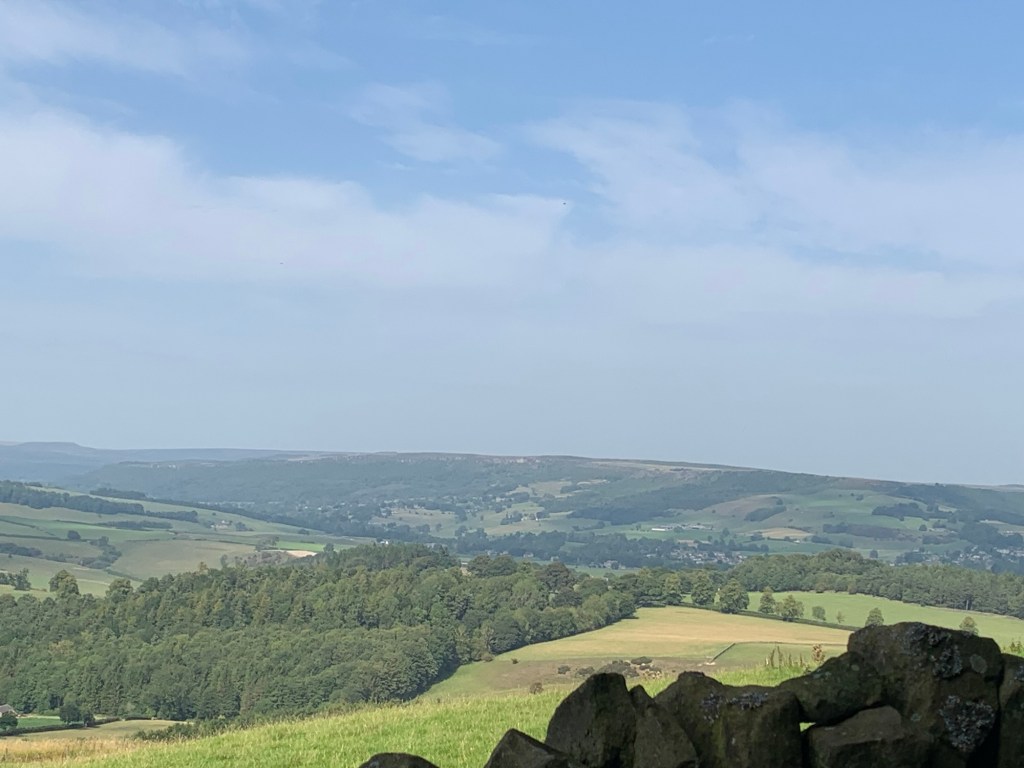
    The views from the bridleway are breathtaking today 

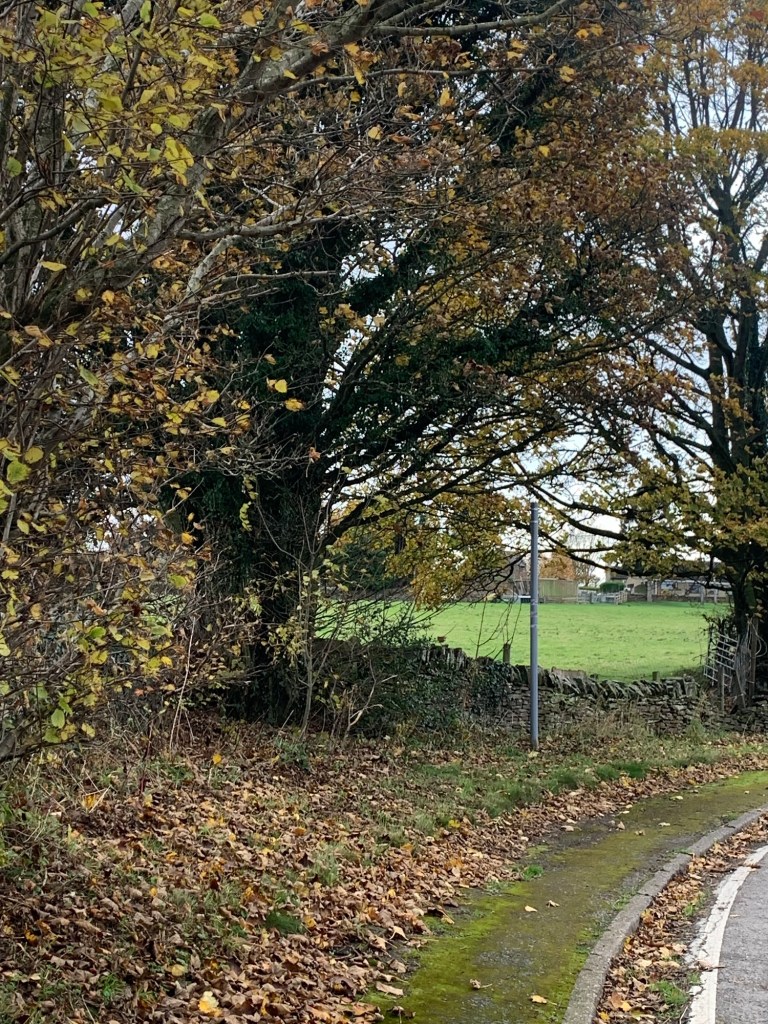
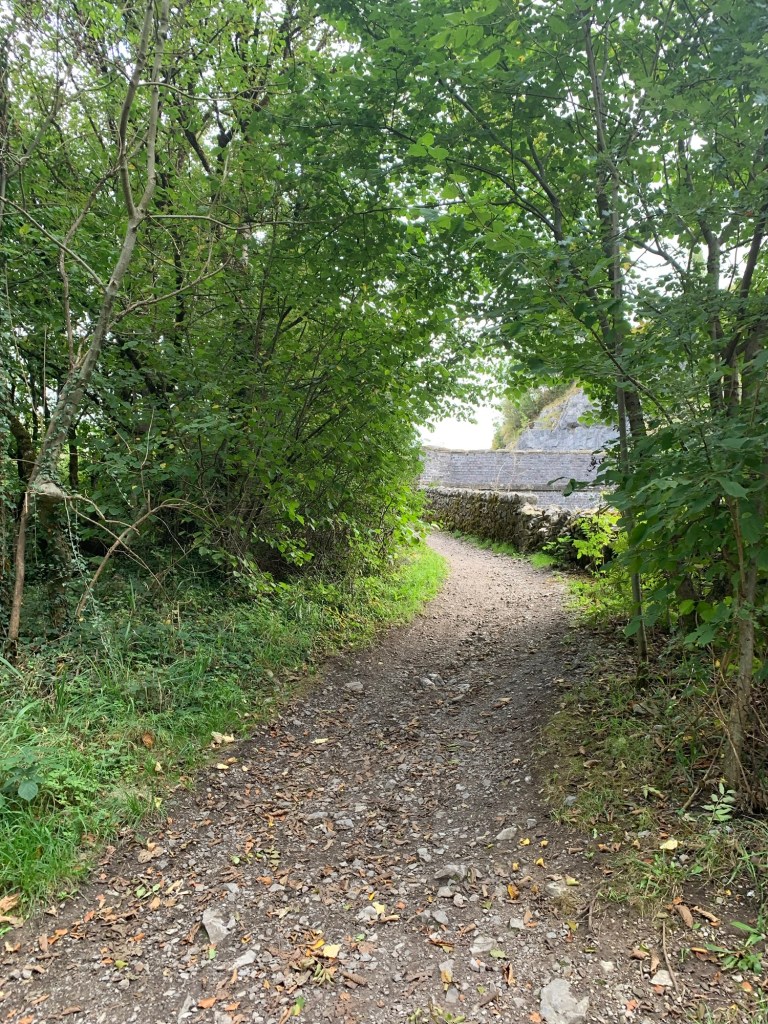
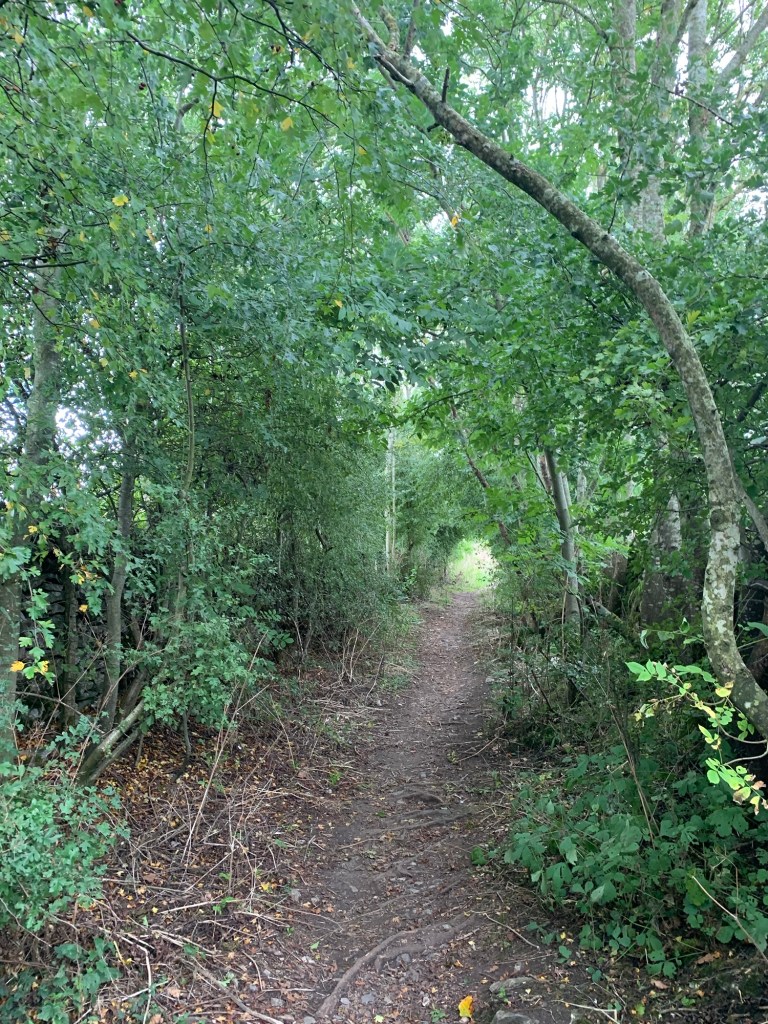
    and I love how the track feels as though it’s miles from anywhere whilst actually being very near the A6 at times. 

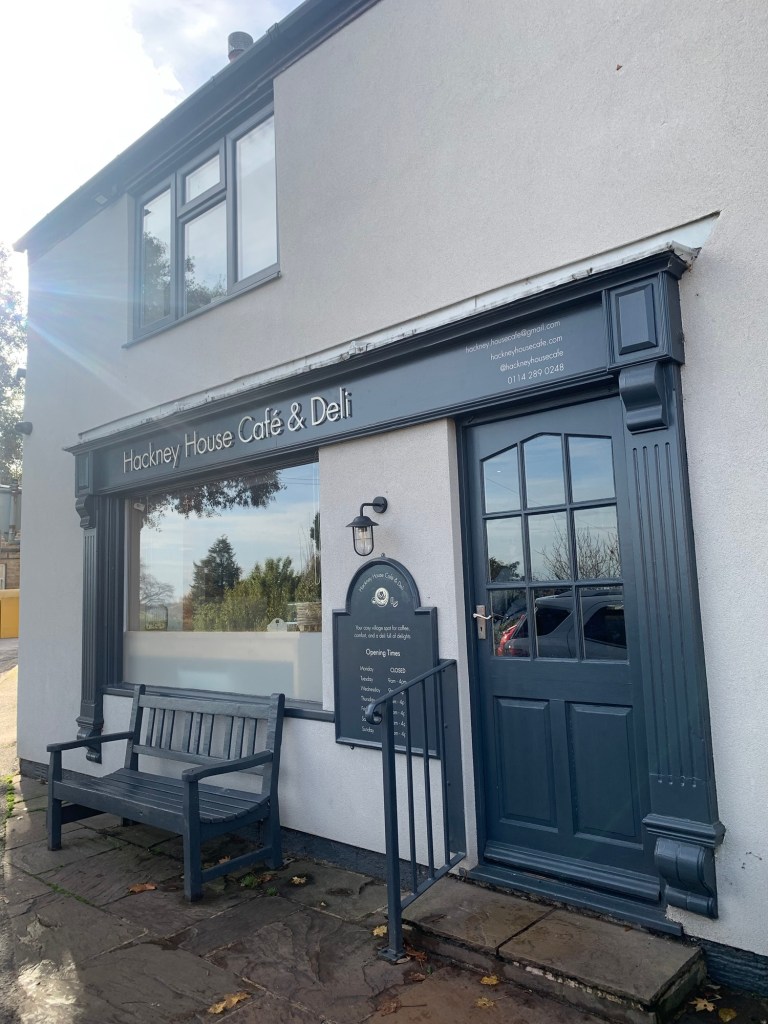
    As the Bridleway joins the metalled road just before the caravan site at Blackwell village ( check out Daisies Cafe if it’s open) 

    we turn right up the road and cross straight over the A6 continuing uphill on the Bridleway 

    with even more splendid views looking back, now that we’ve gained more height.

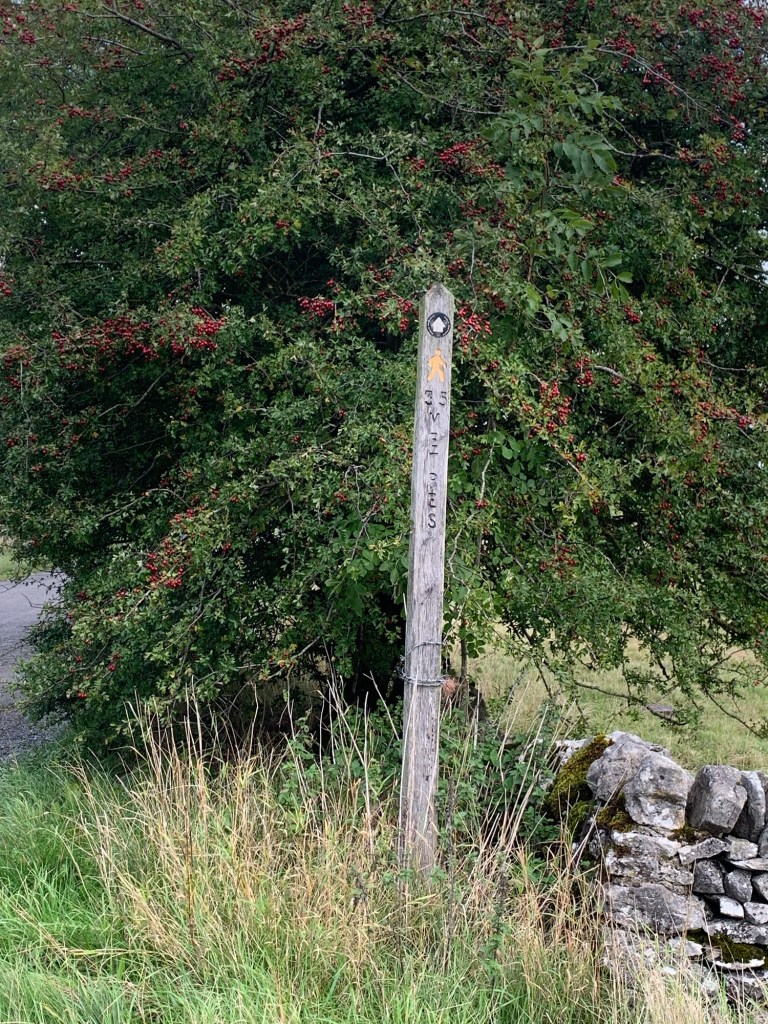
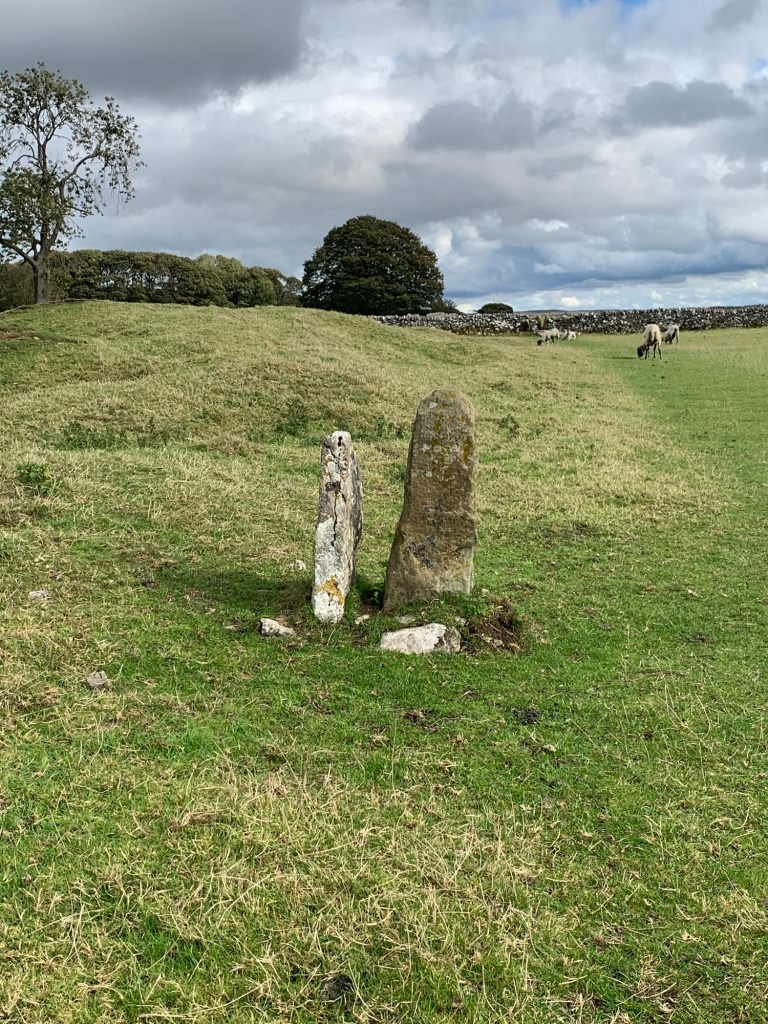
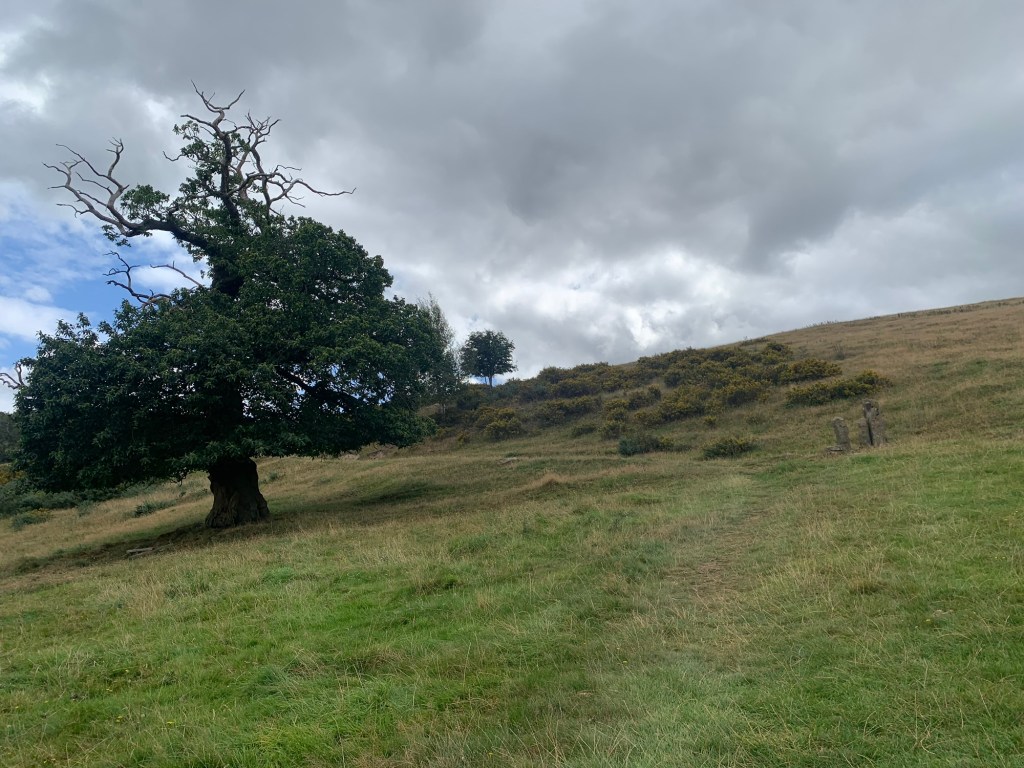
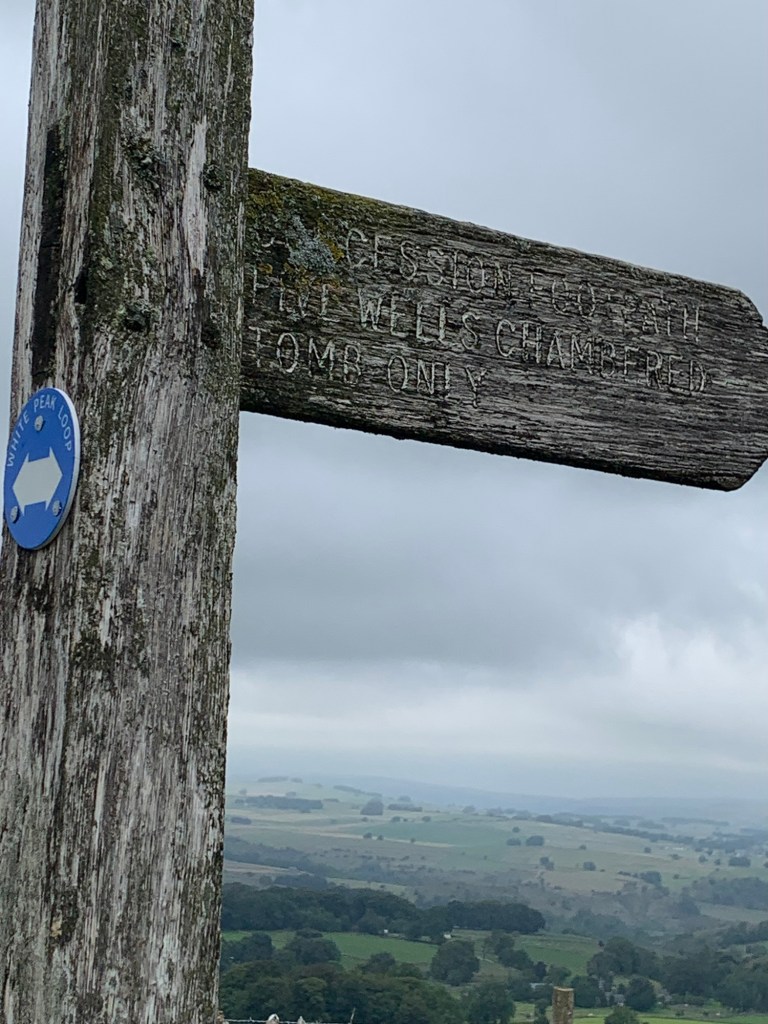
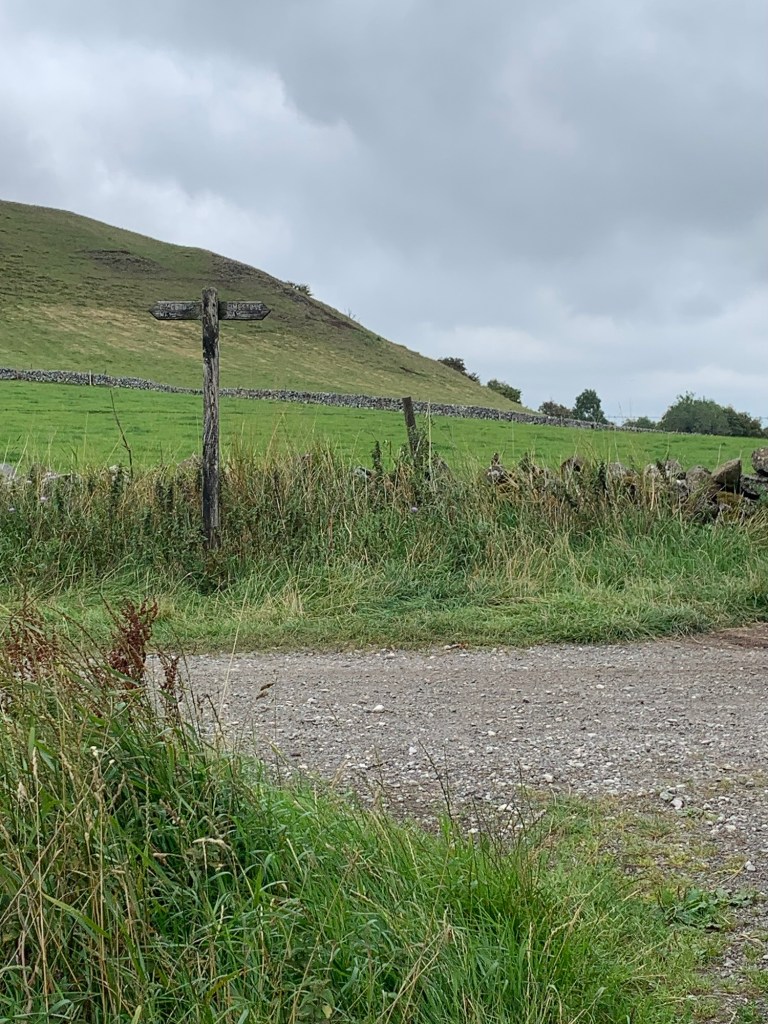
    At Pillwell Gate where there’s a sign to the ancient burial chamber of Five Wells, a favourite place of mine, well worth a detour if you’re into ancient sites.

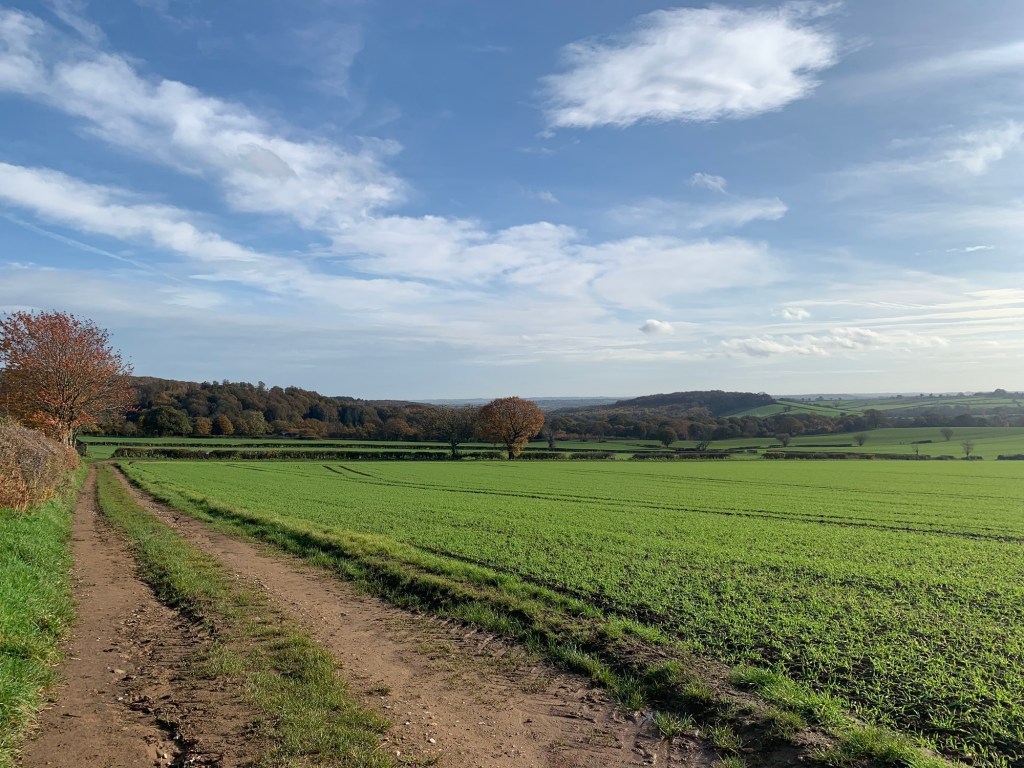
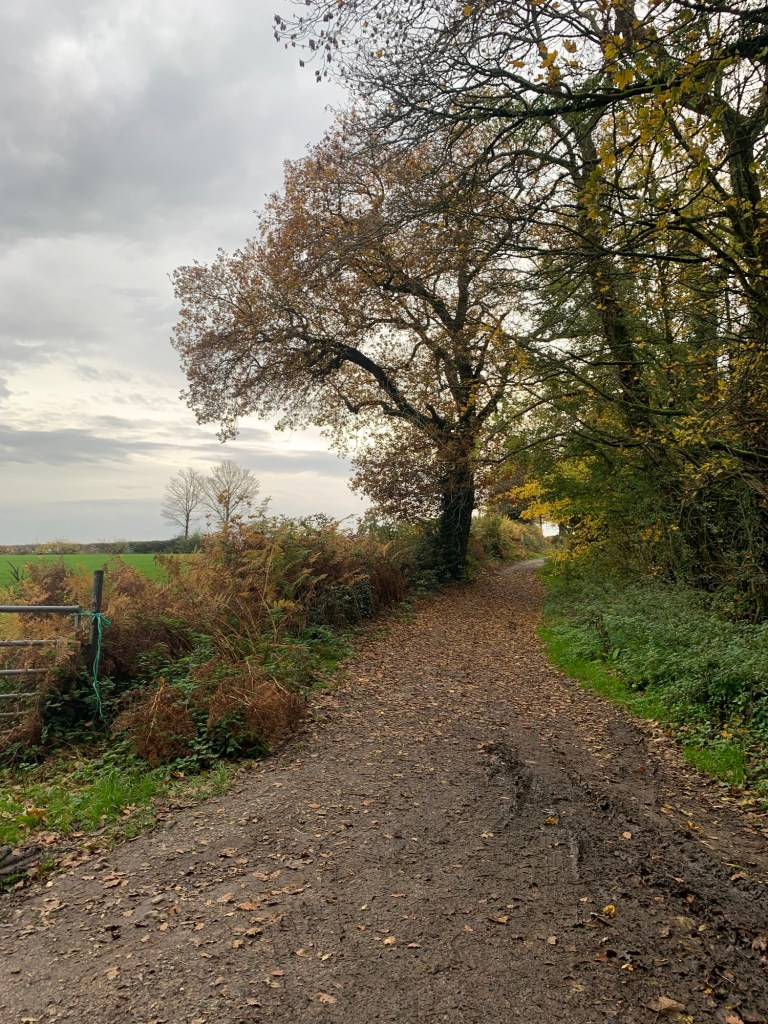
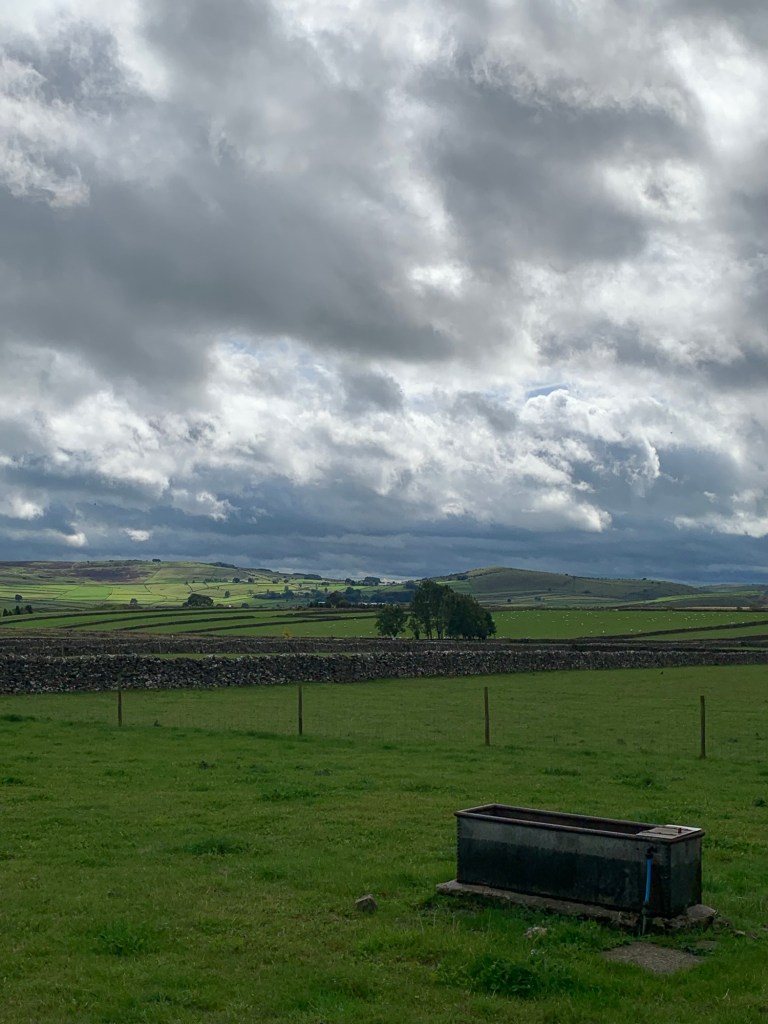
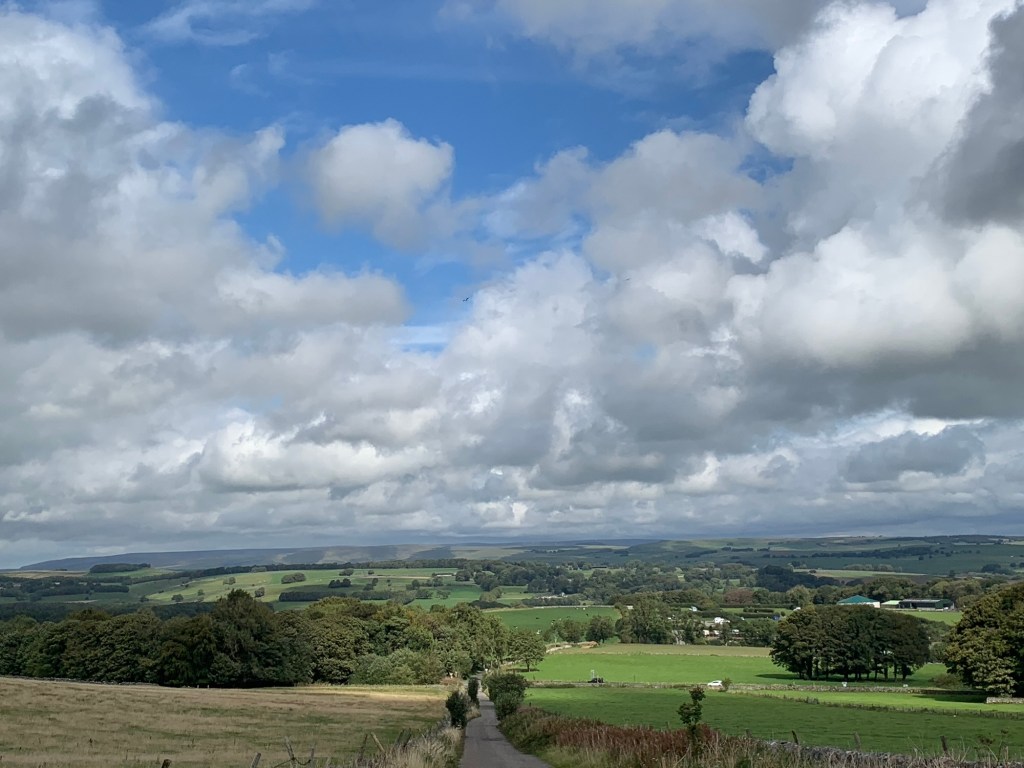
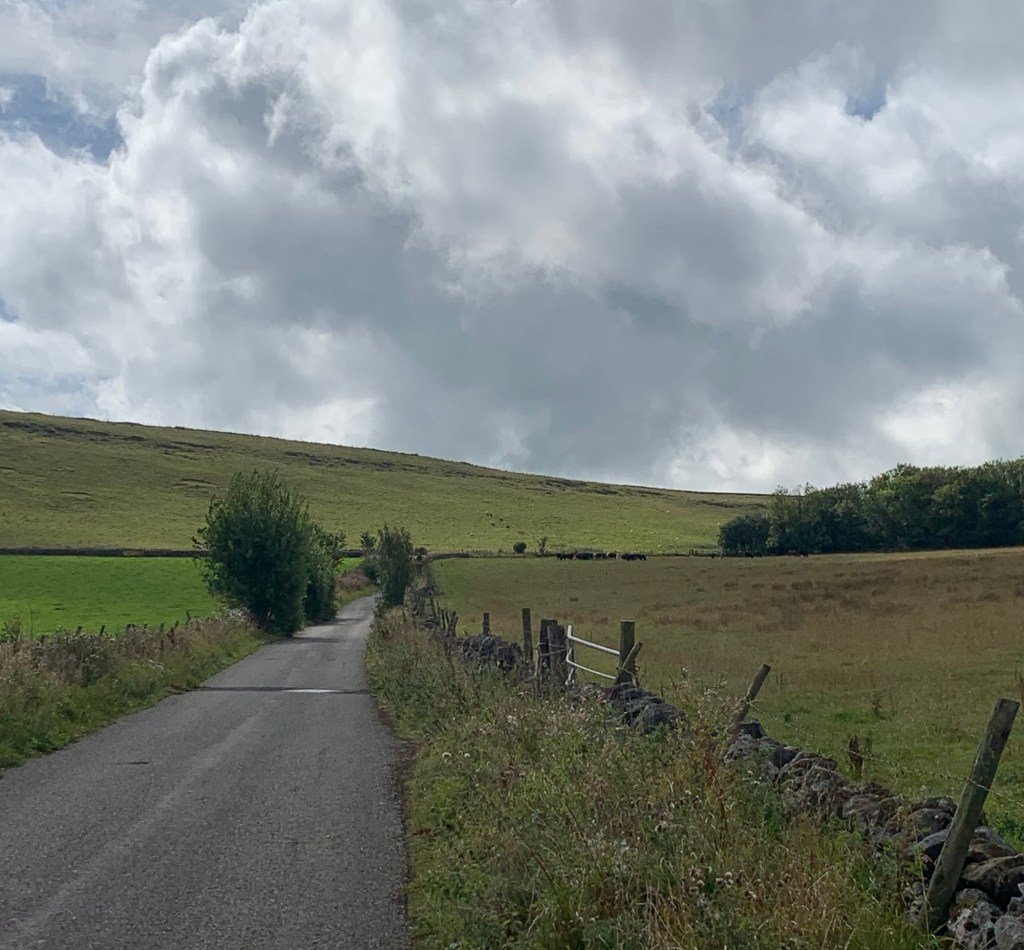
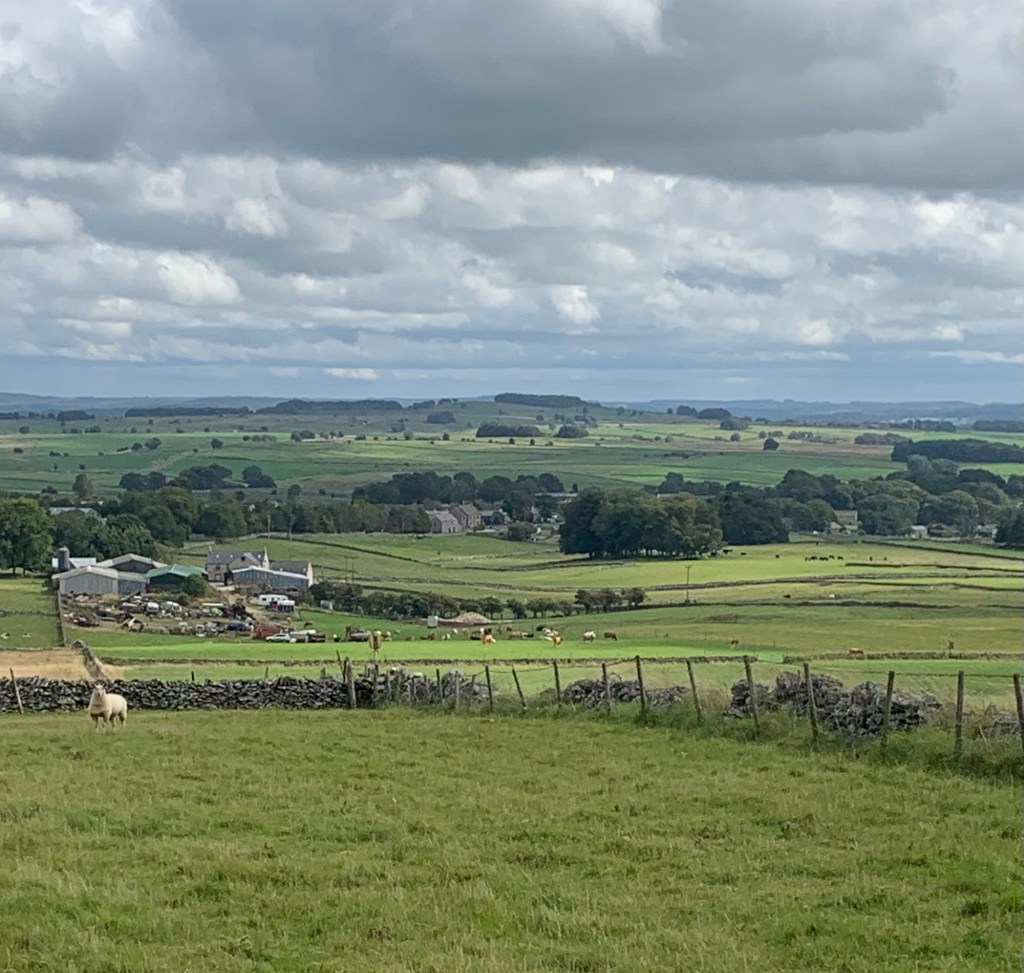
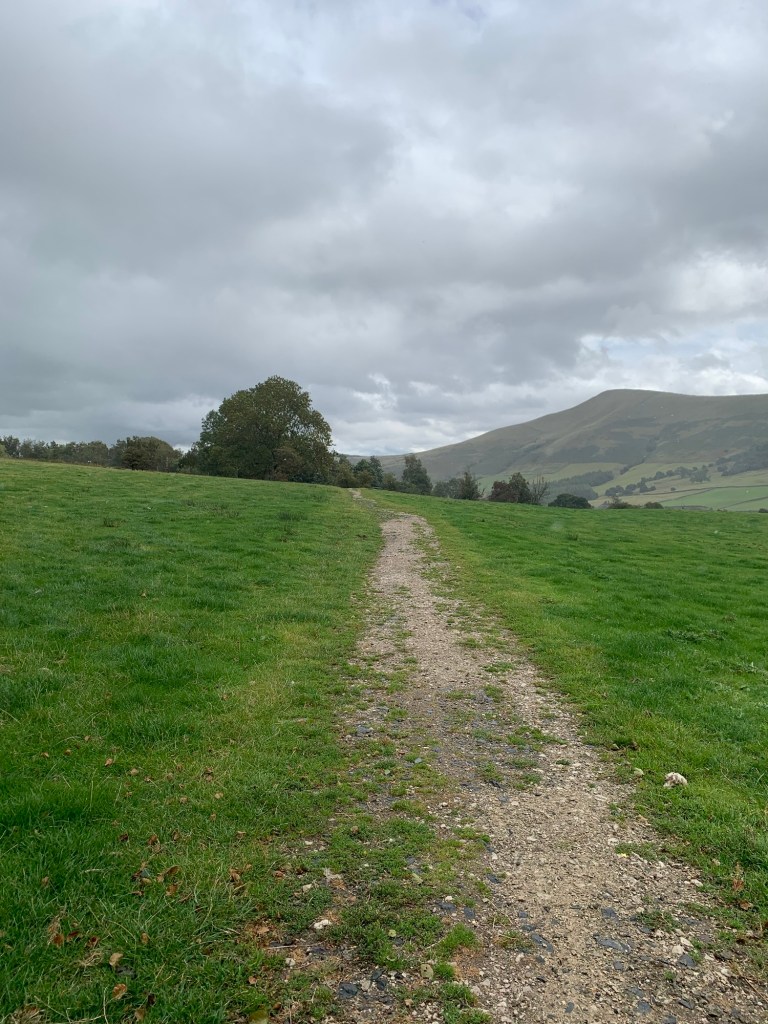
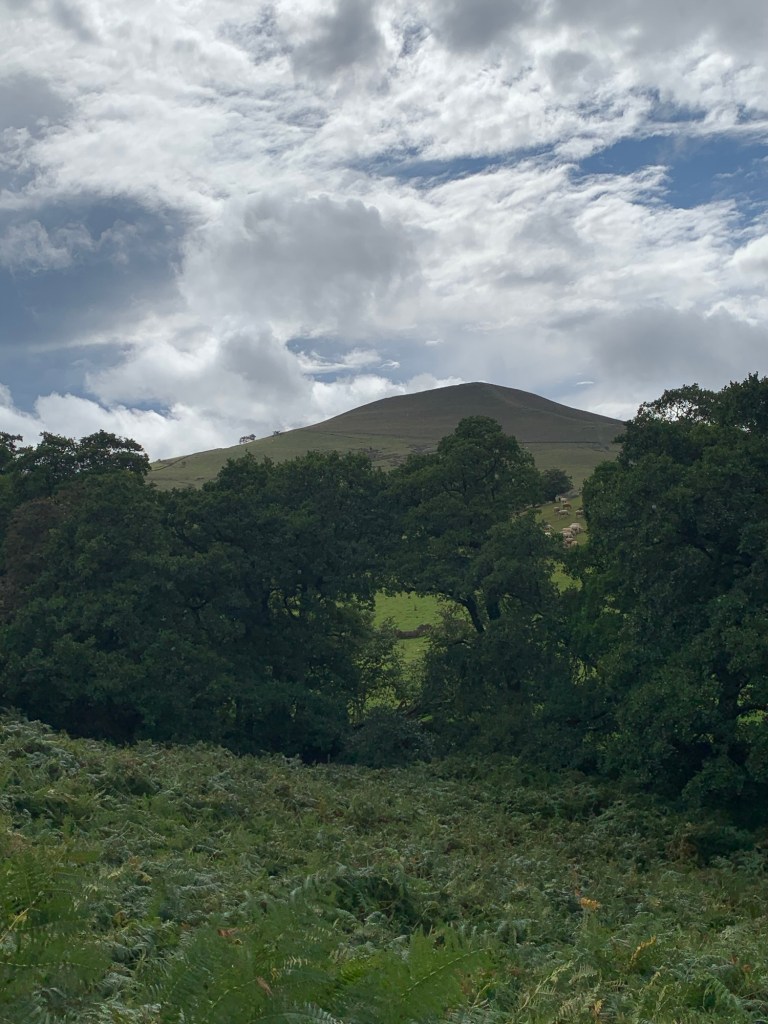
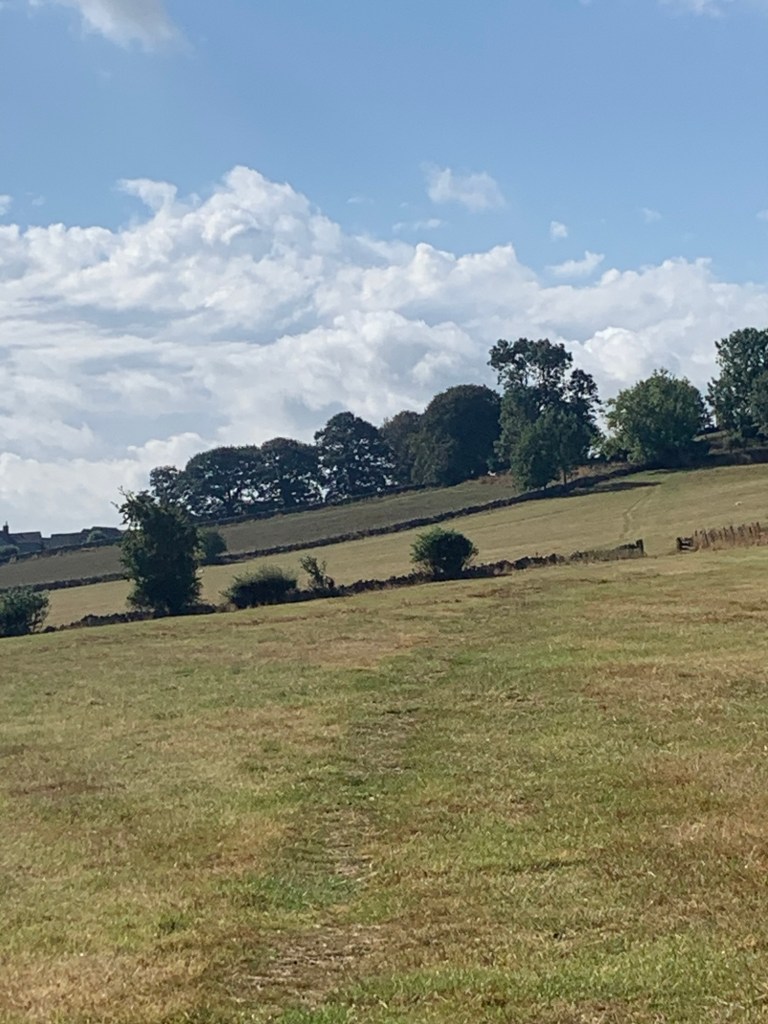
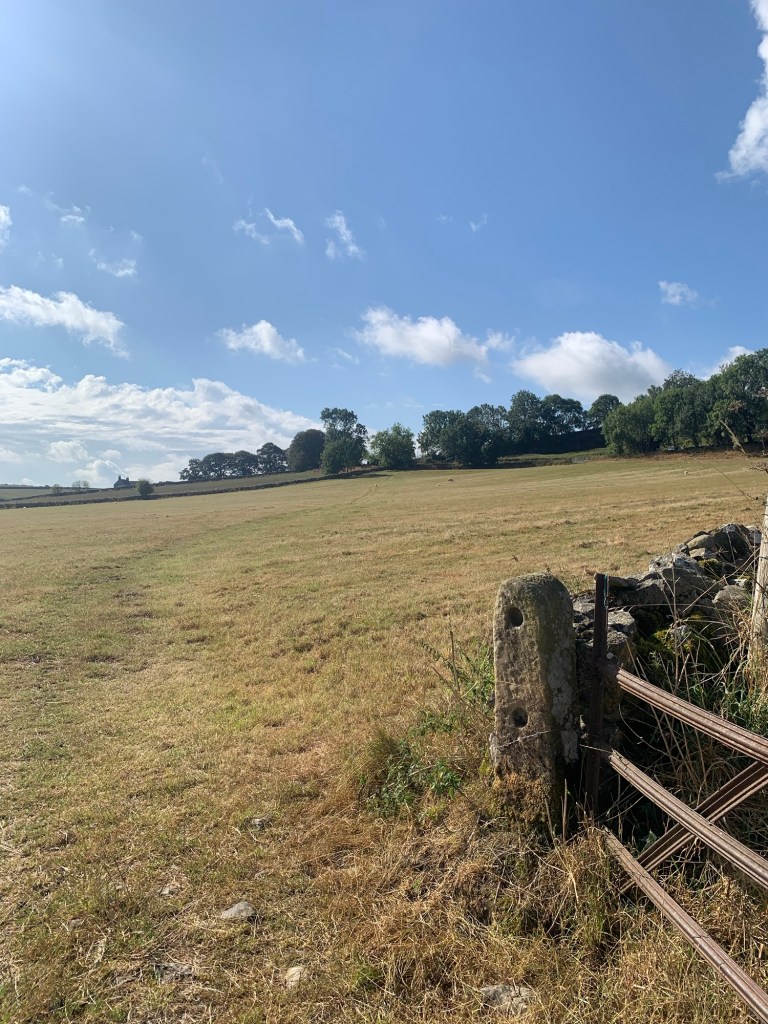
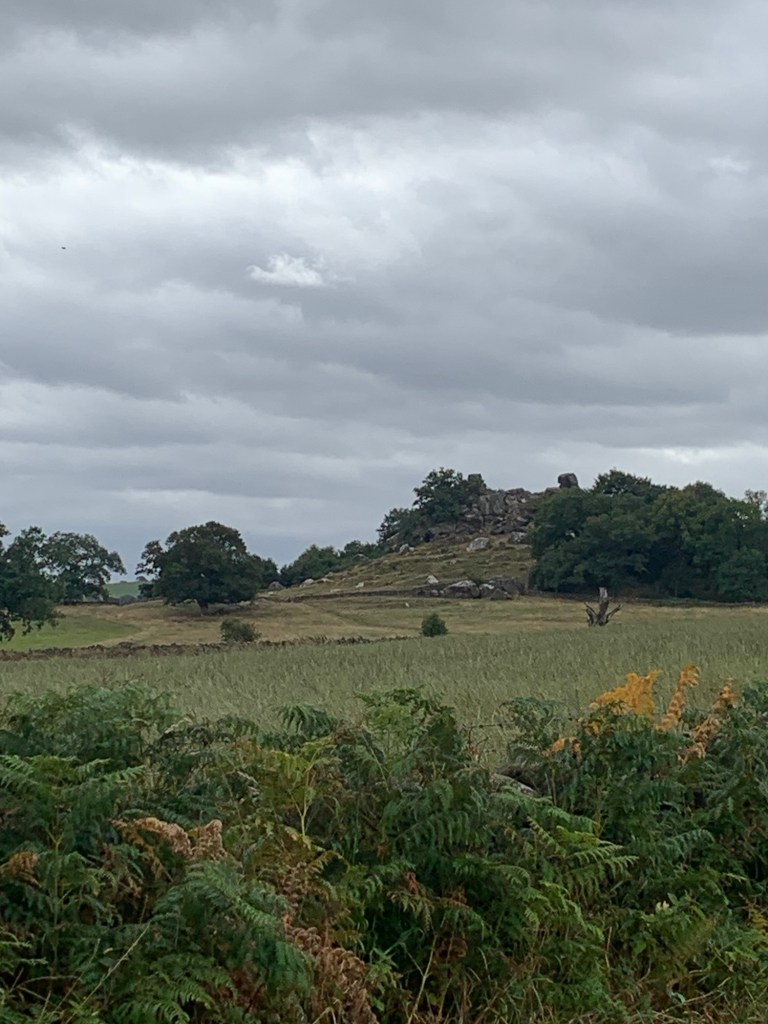
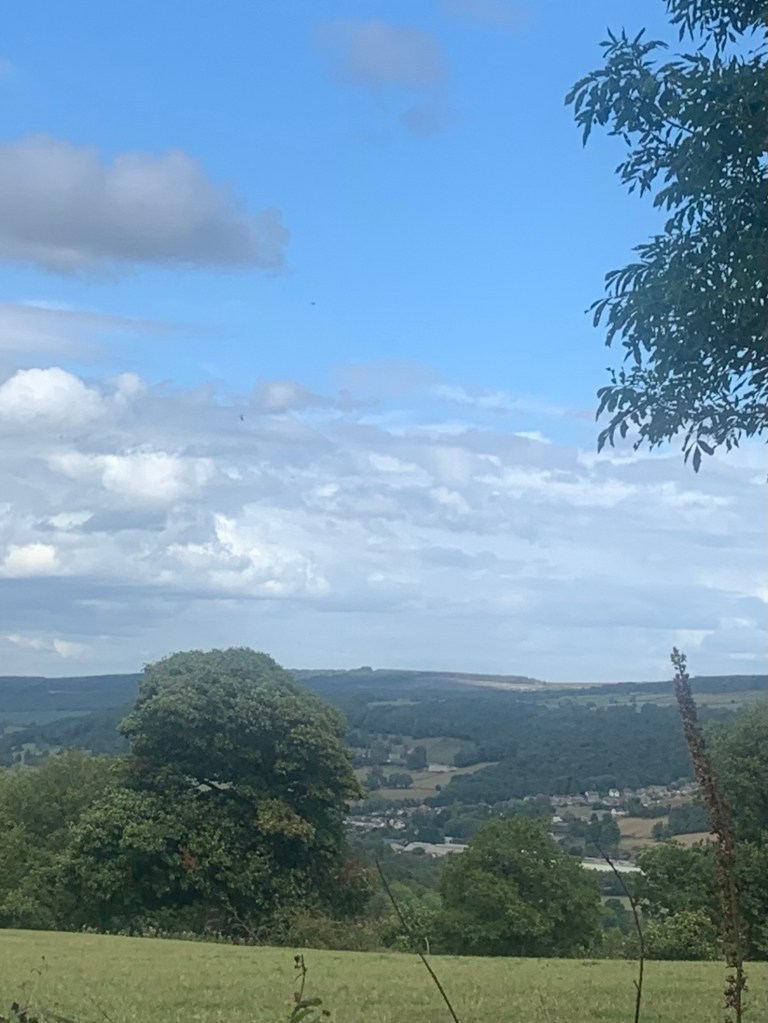
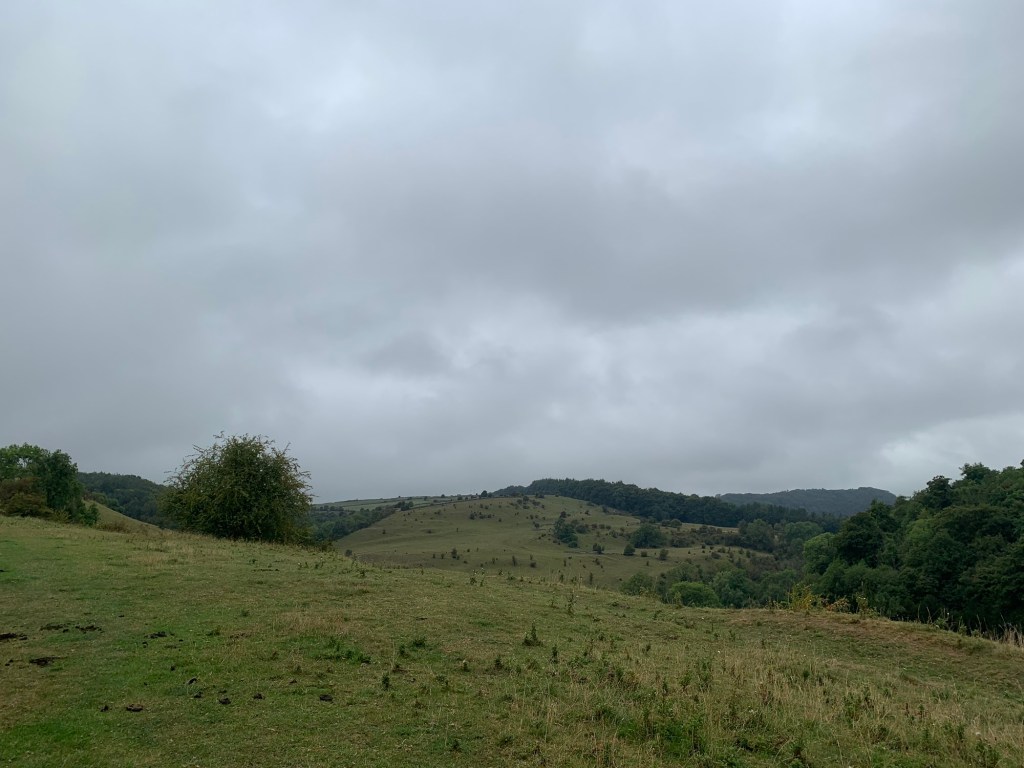
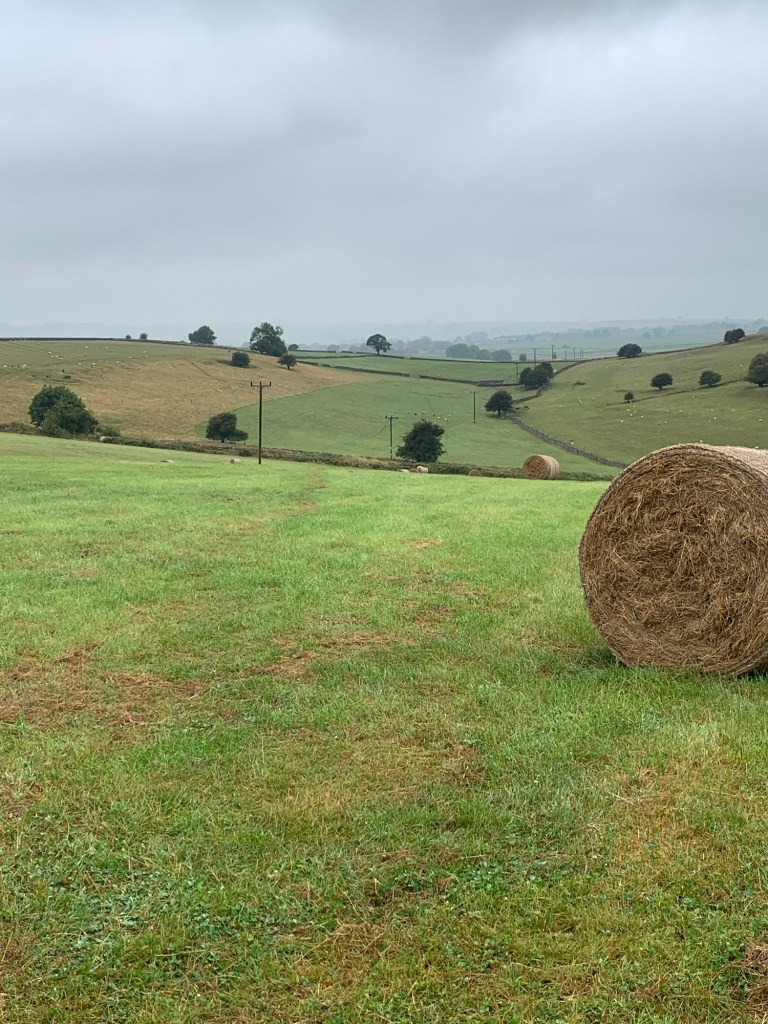
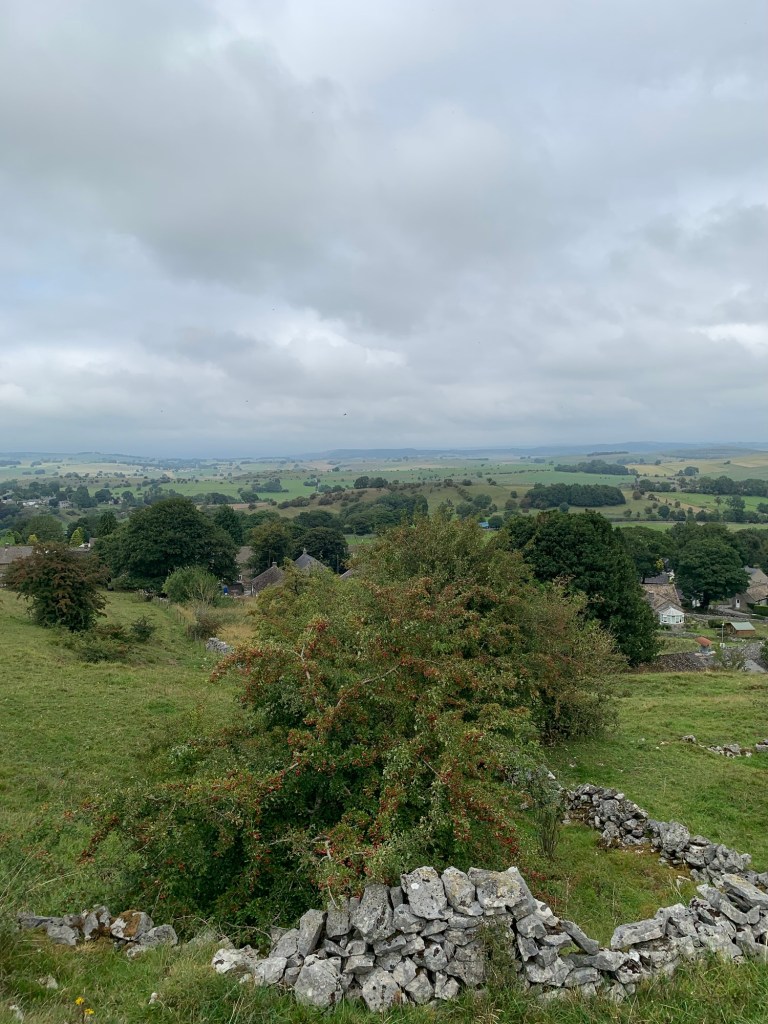
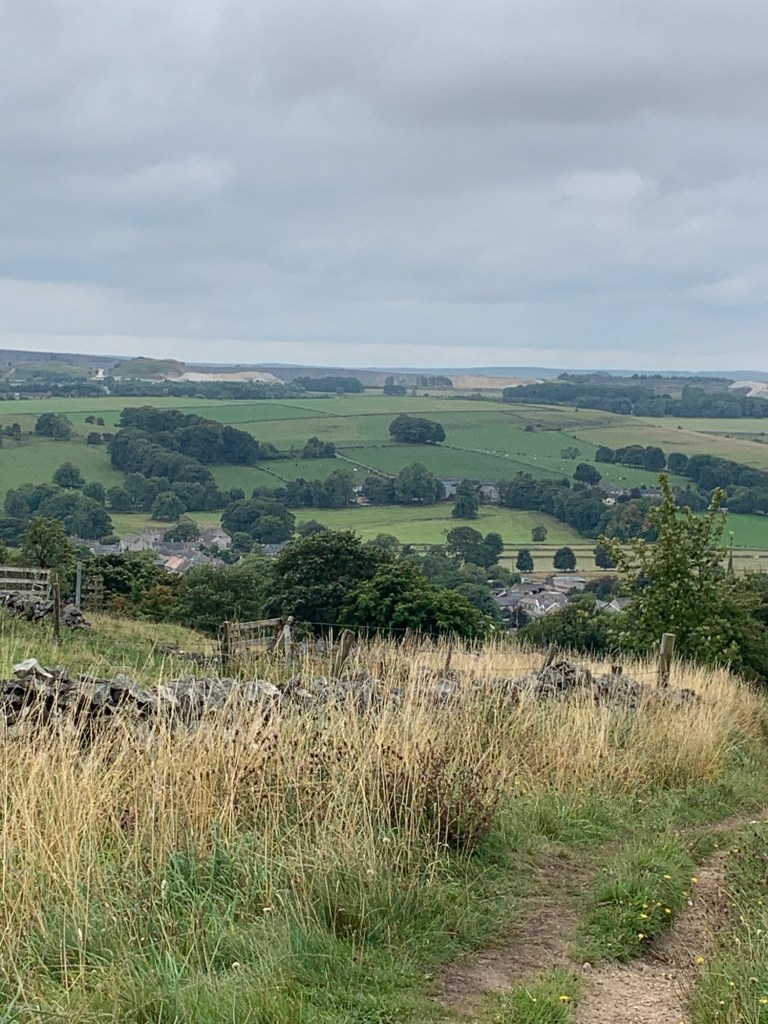
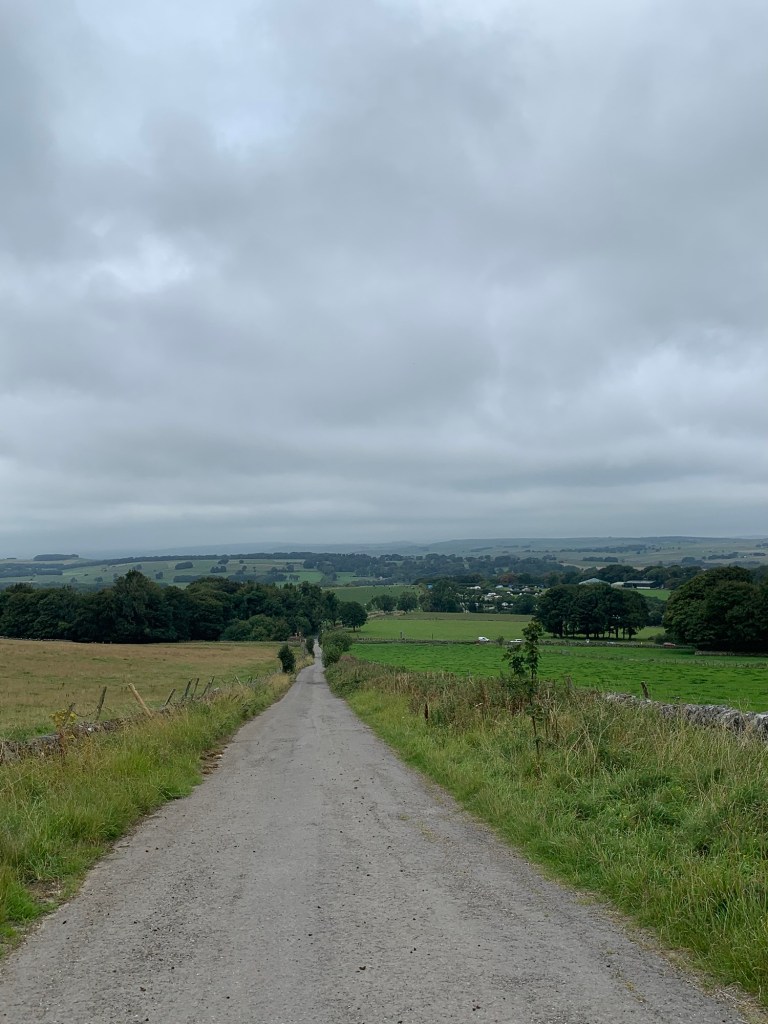
    We’re soon over the crest of the hill and heading down Pillwell Lane with Chelmorton hidden over to our right. And now that we’re on the other side of the hill we have a new set of absolutely stunning panoramic views stretching out ahead of us.

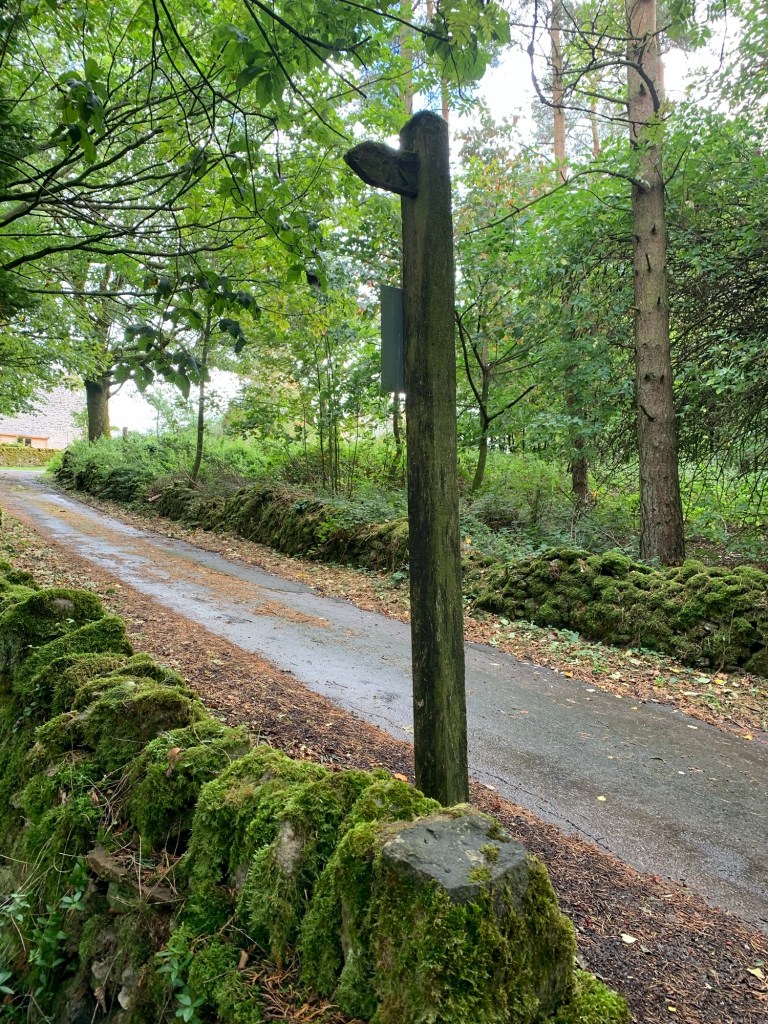
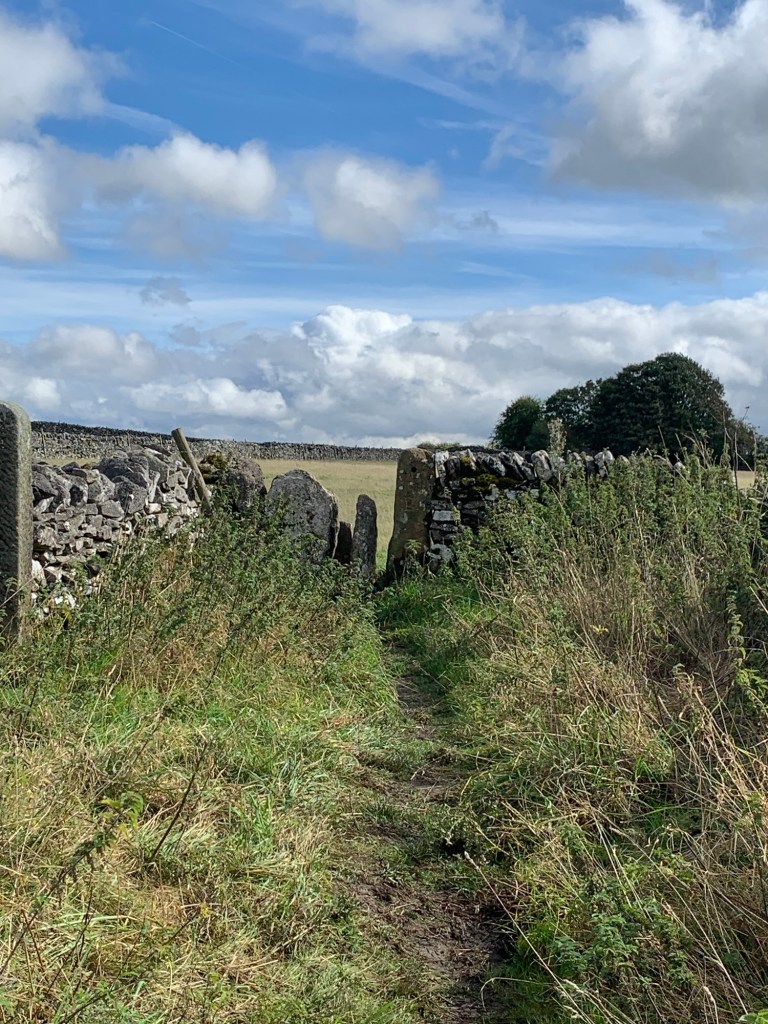
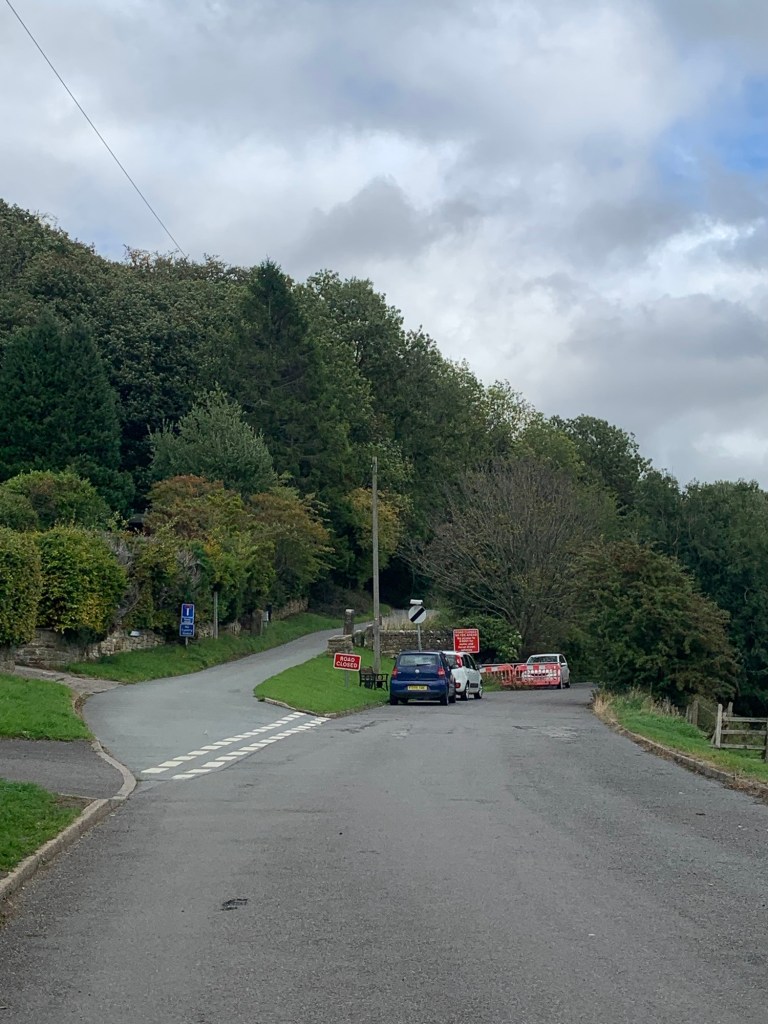
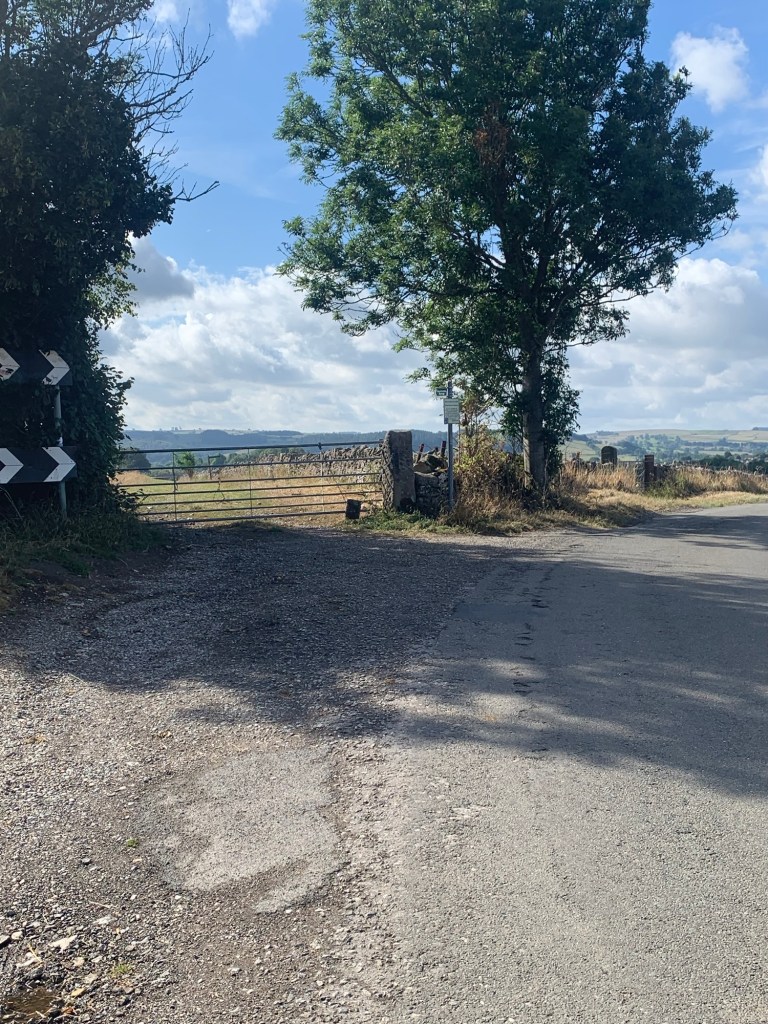
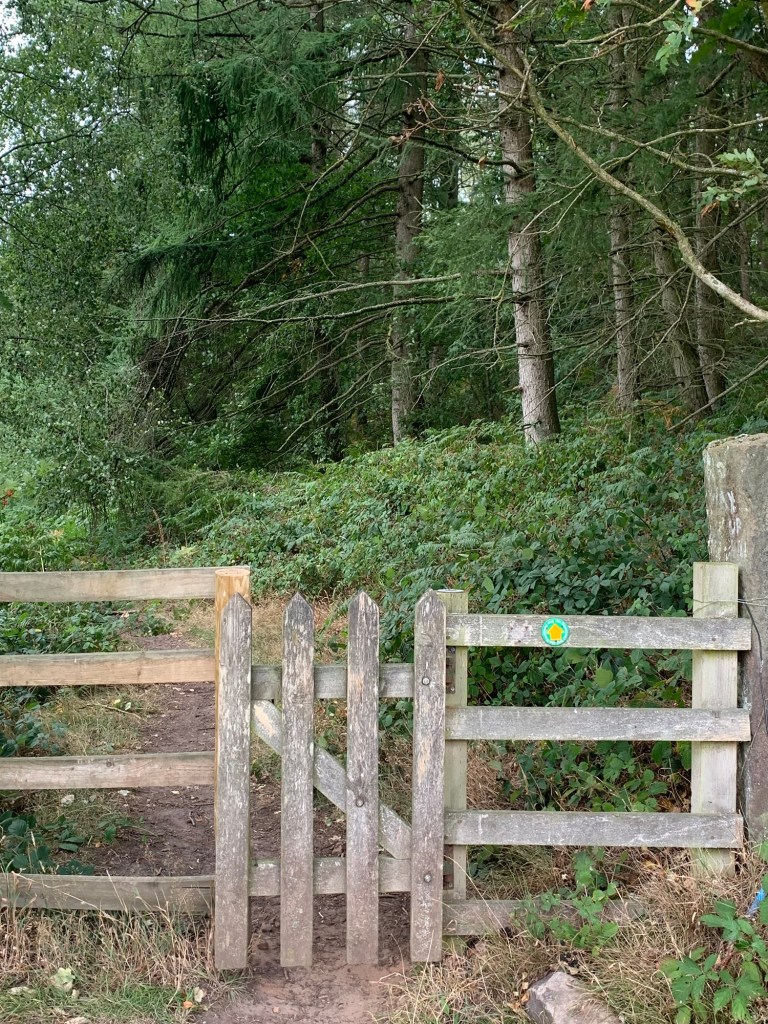
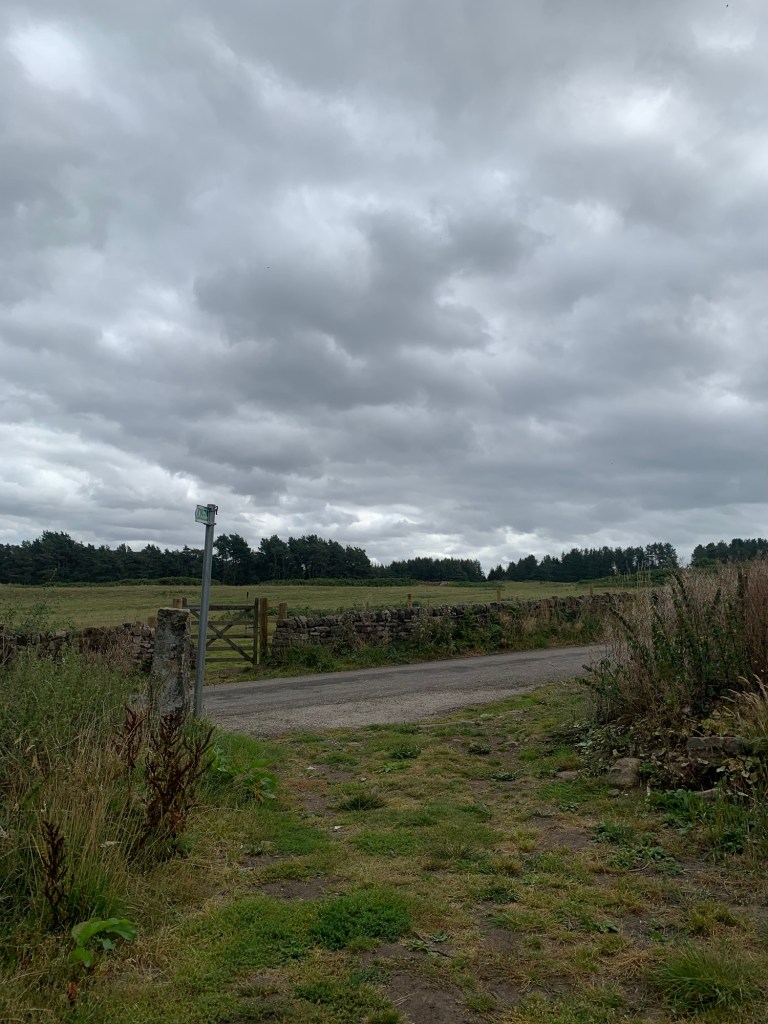
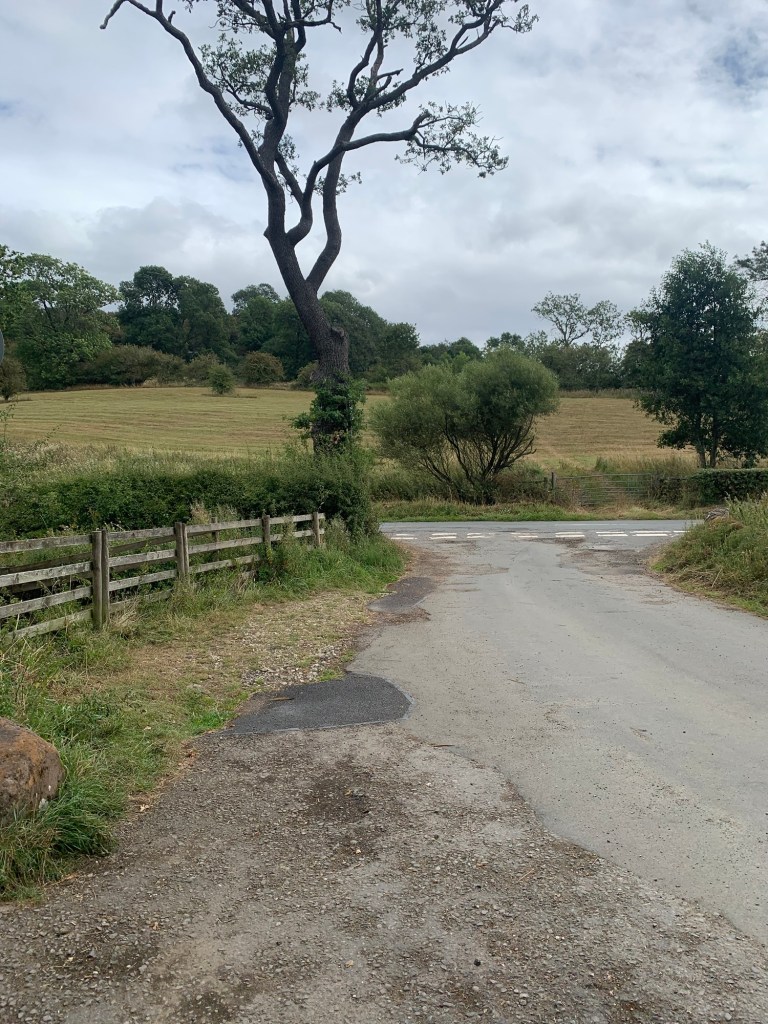
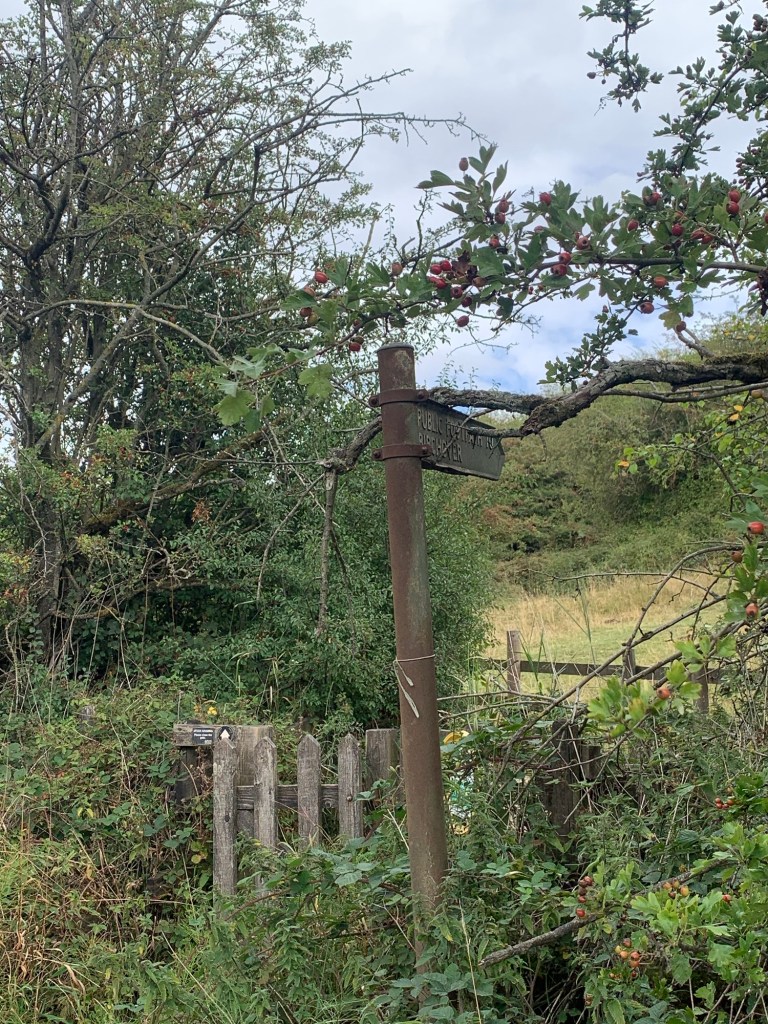
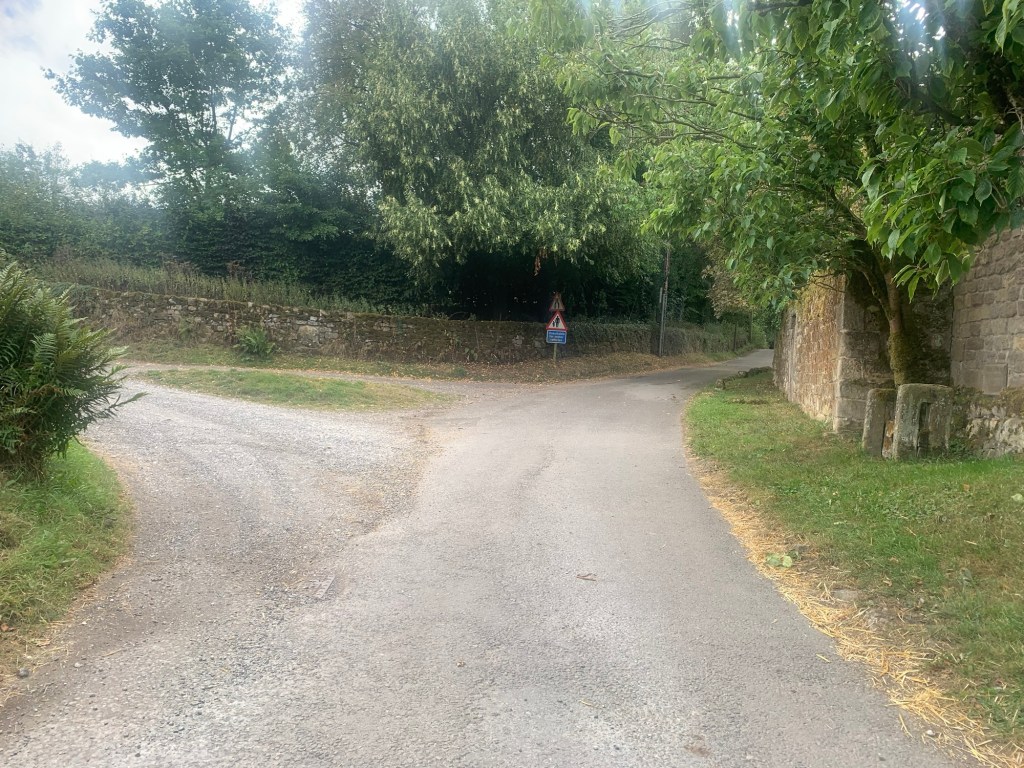
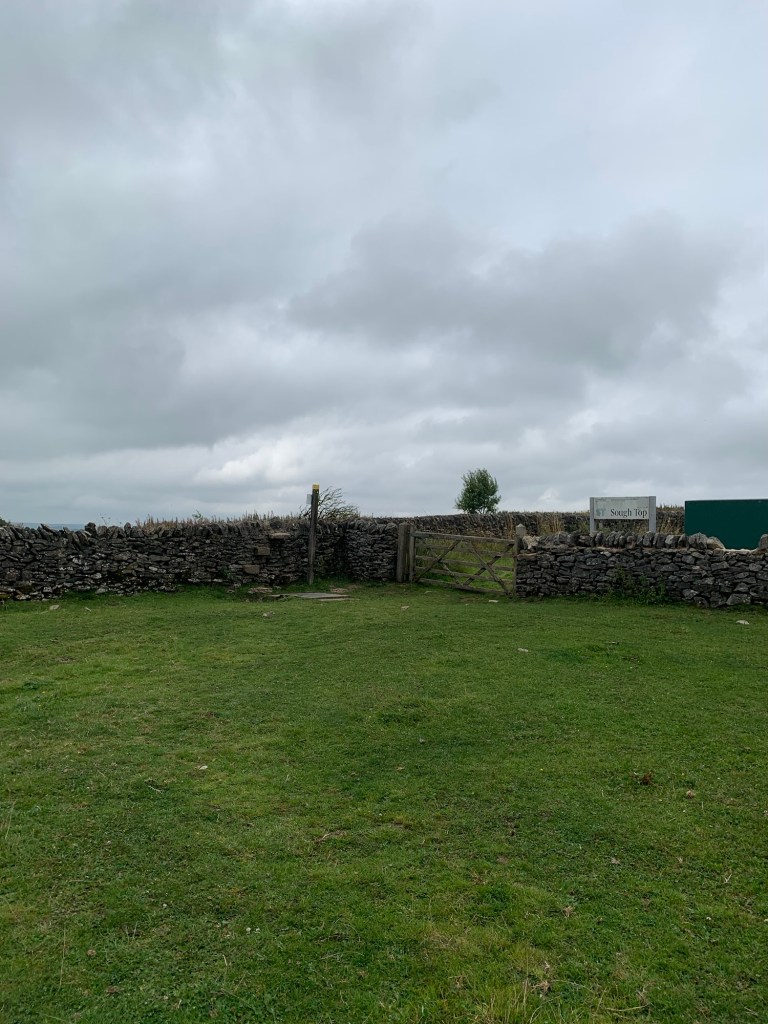
    At the crossroads we make an error of judgment; in retrospect we should have turned left here along Flagg Lane and then right into Flagg itself.

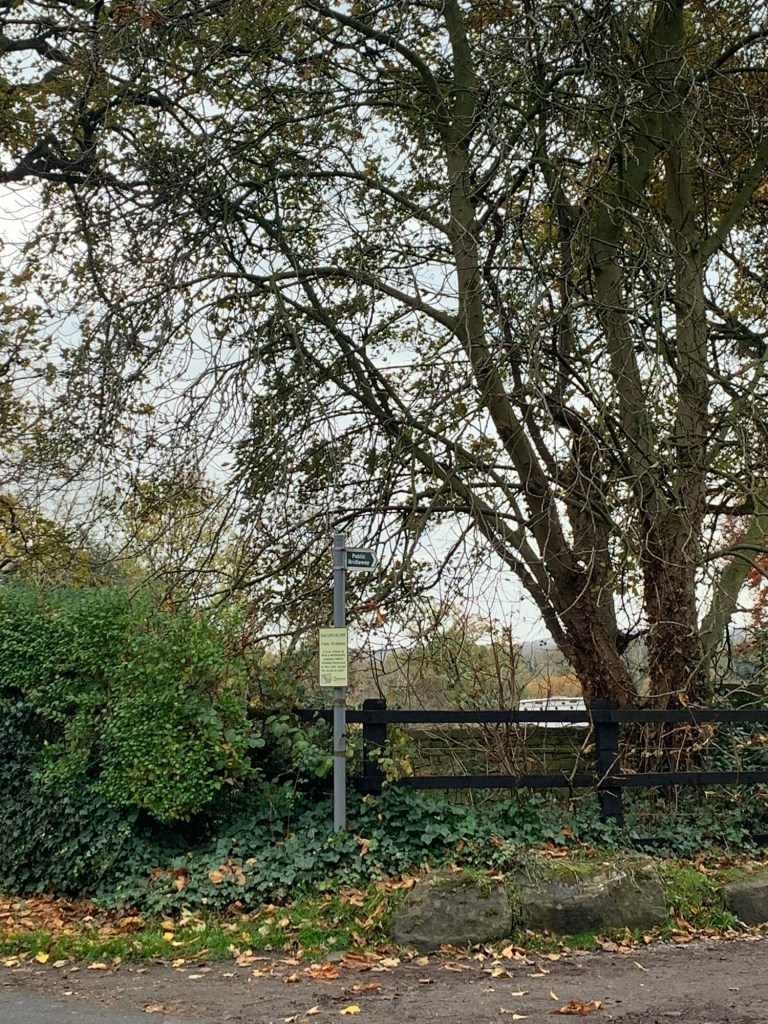
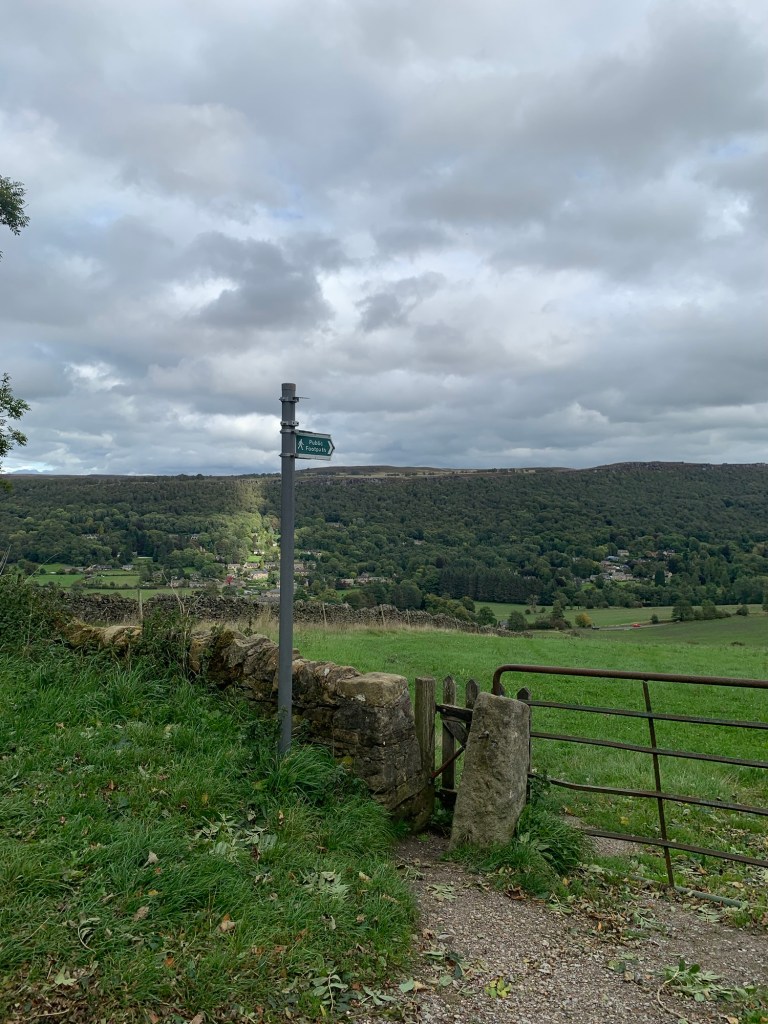
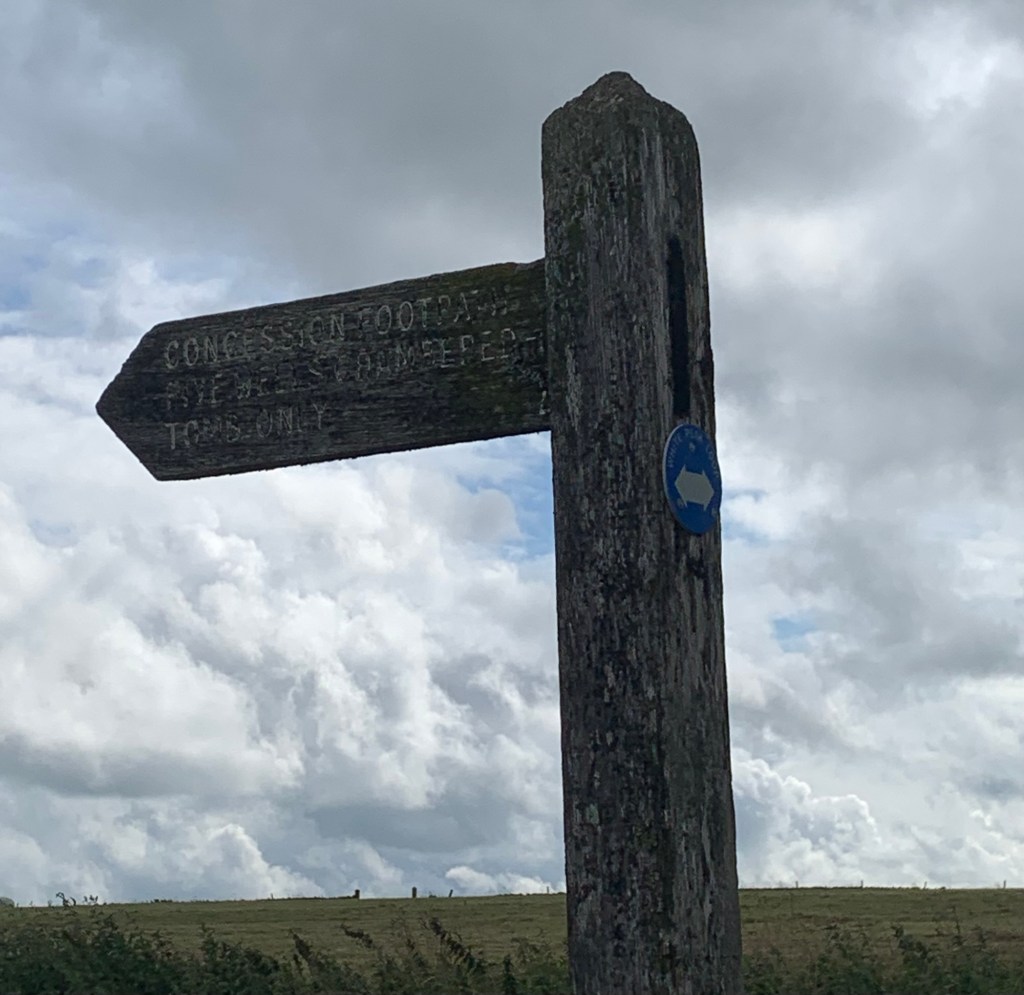
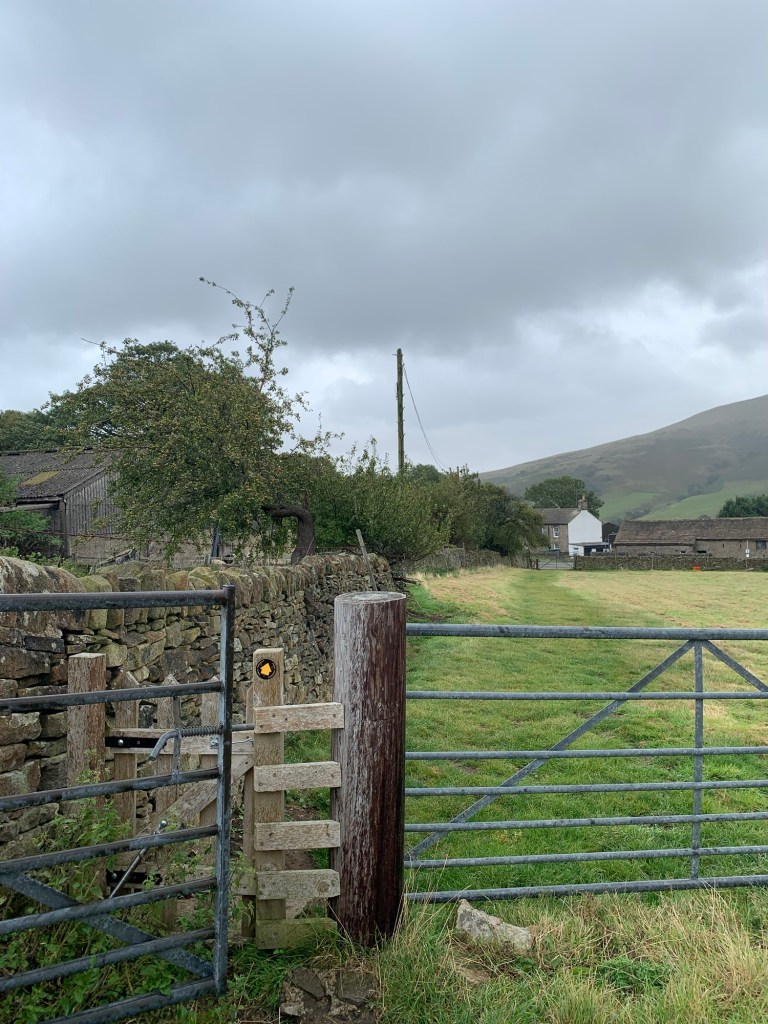
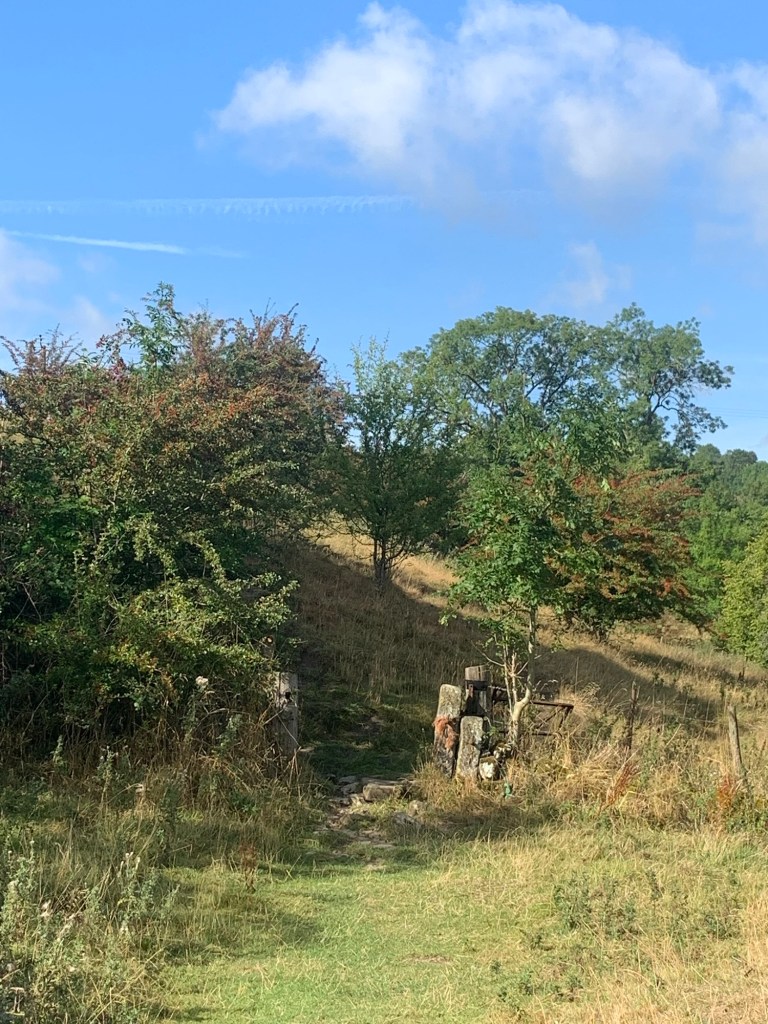
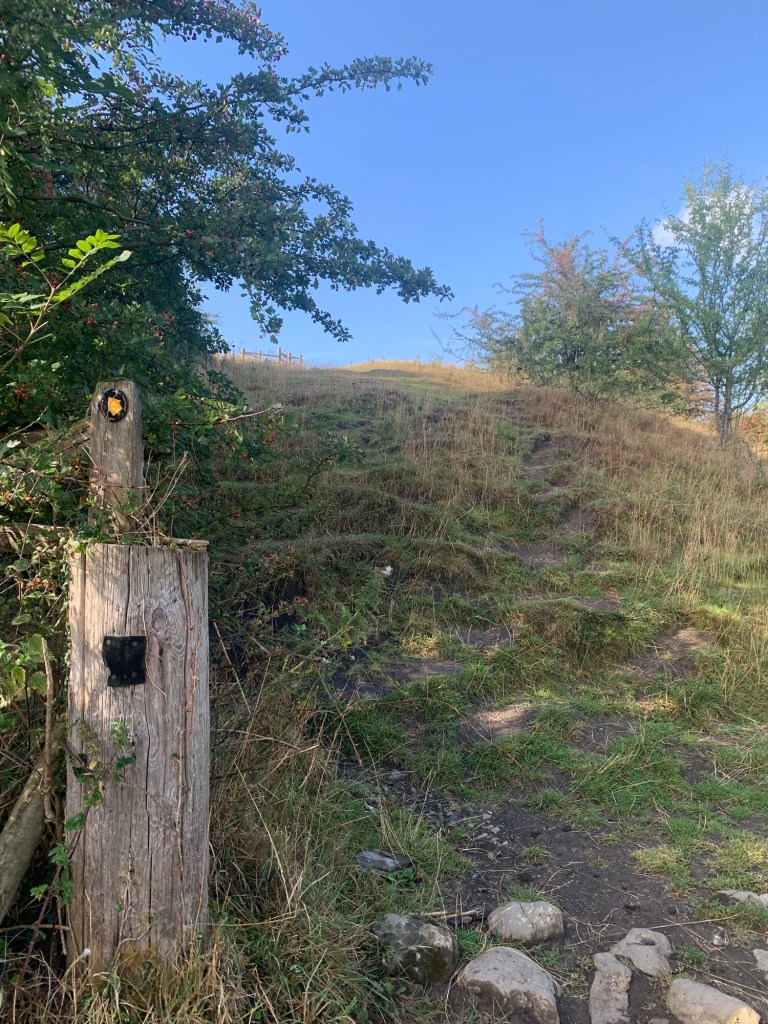
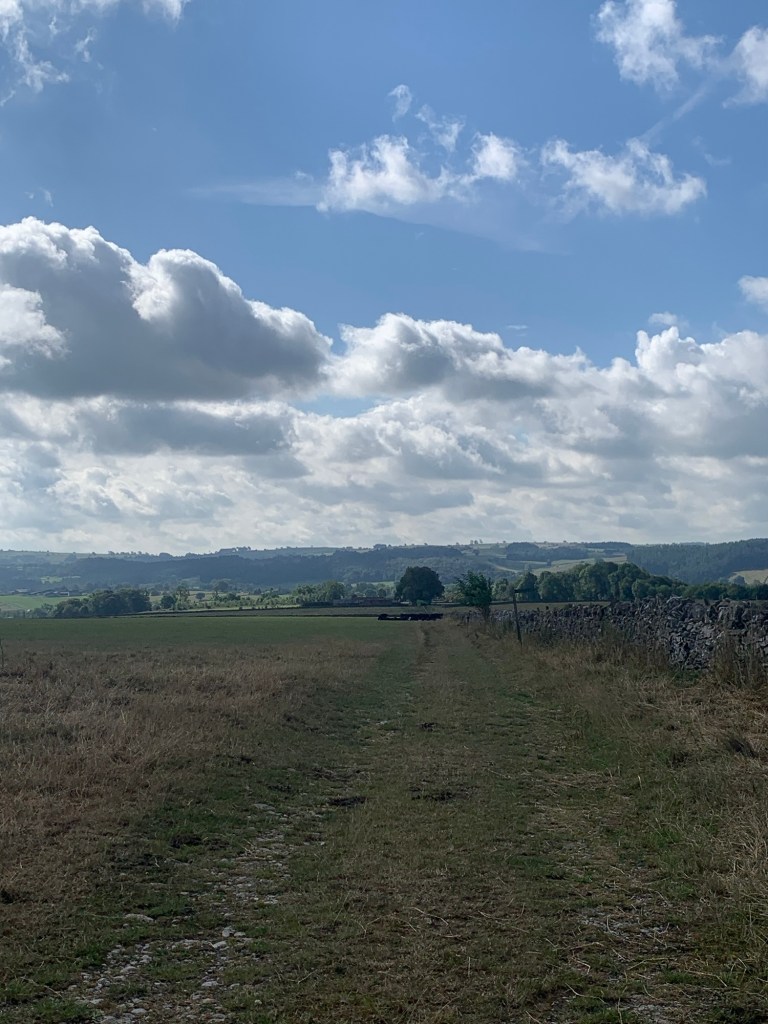
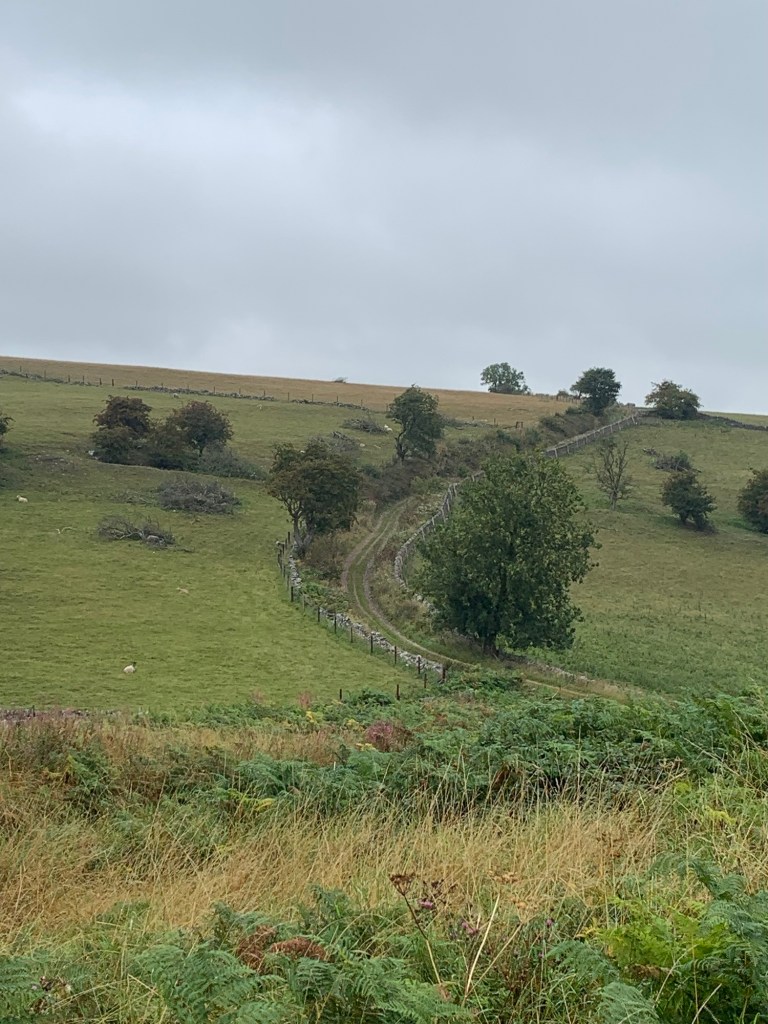
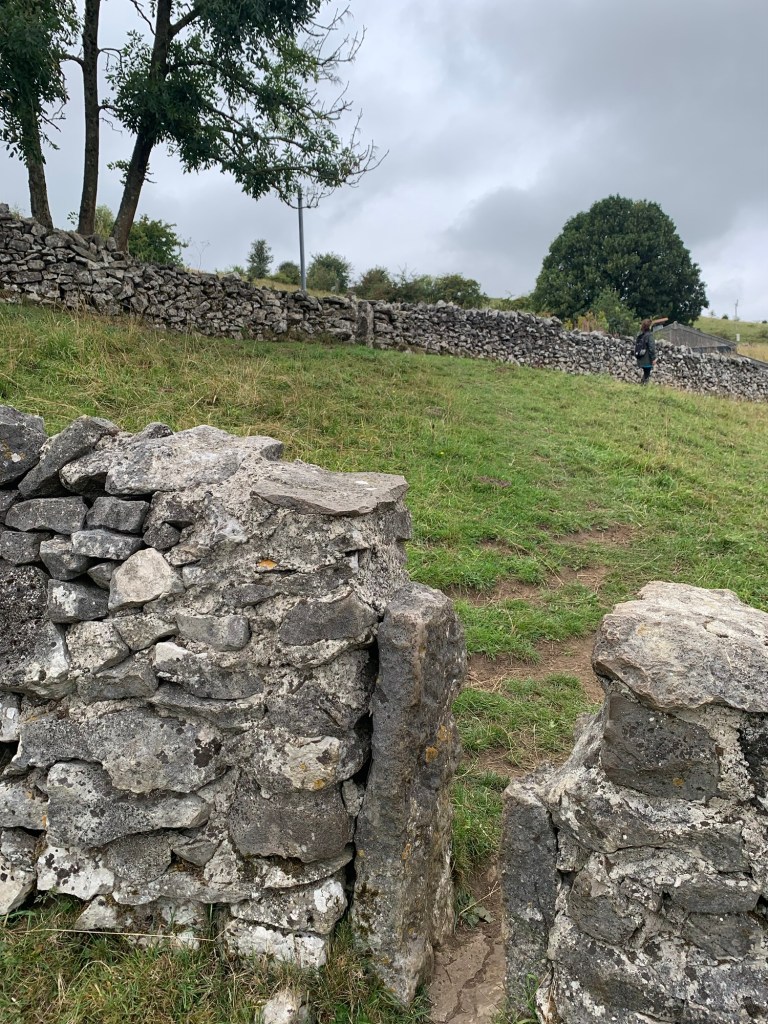
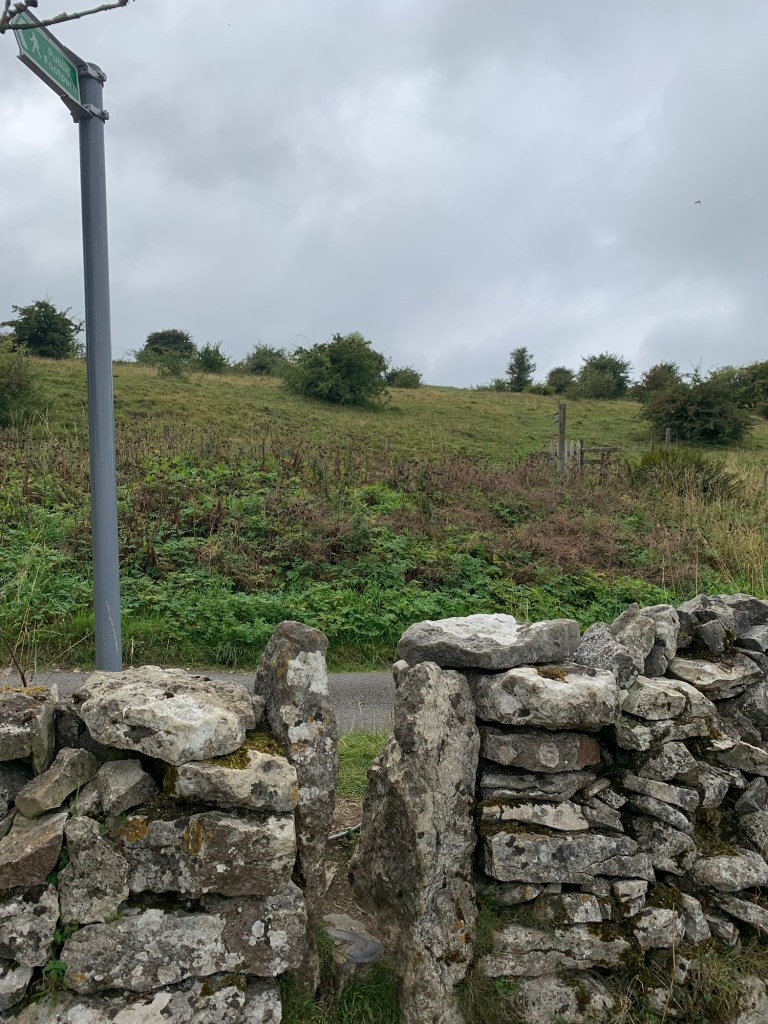
    However, the Pennine Bridleway heads straight ahead here and it looked so inviting that we continued along it, intending to take the footpath partway along on the left which passes near High Stool Farm and into the village that way. 

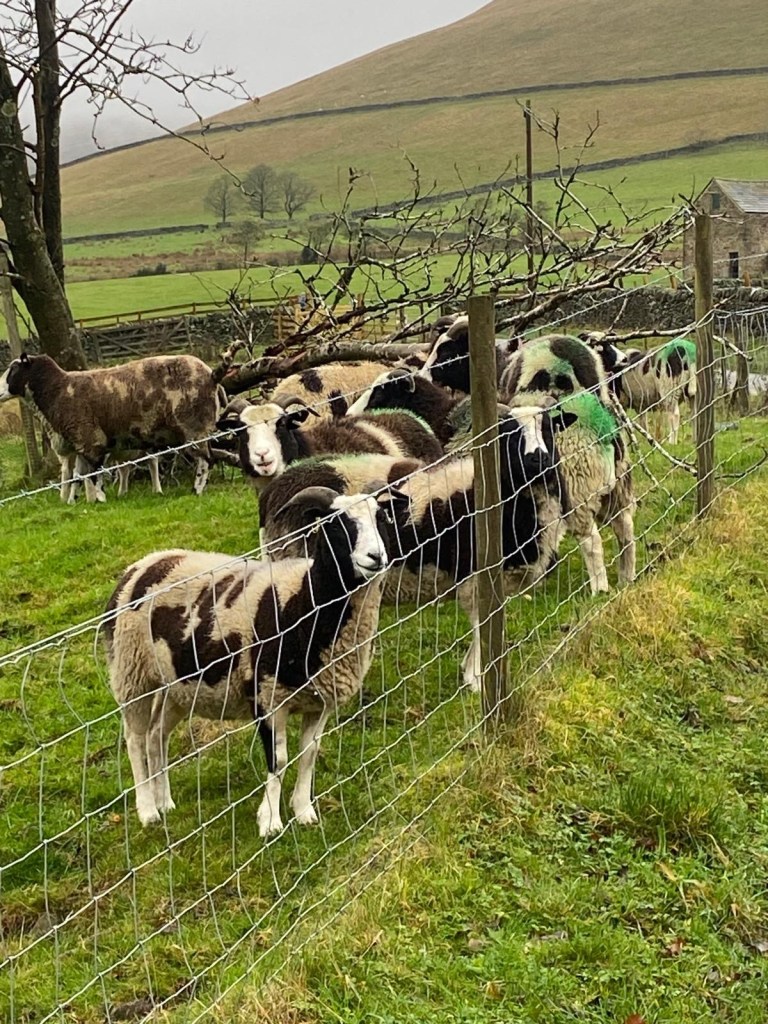
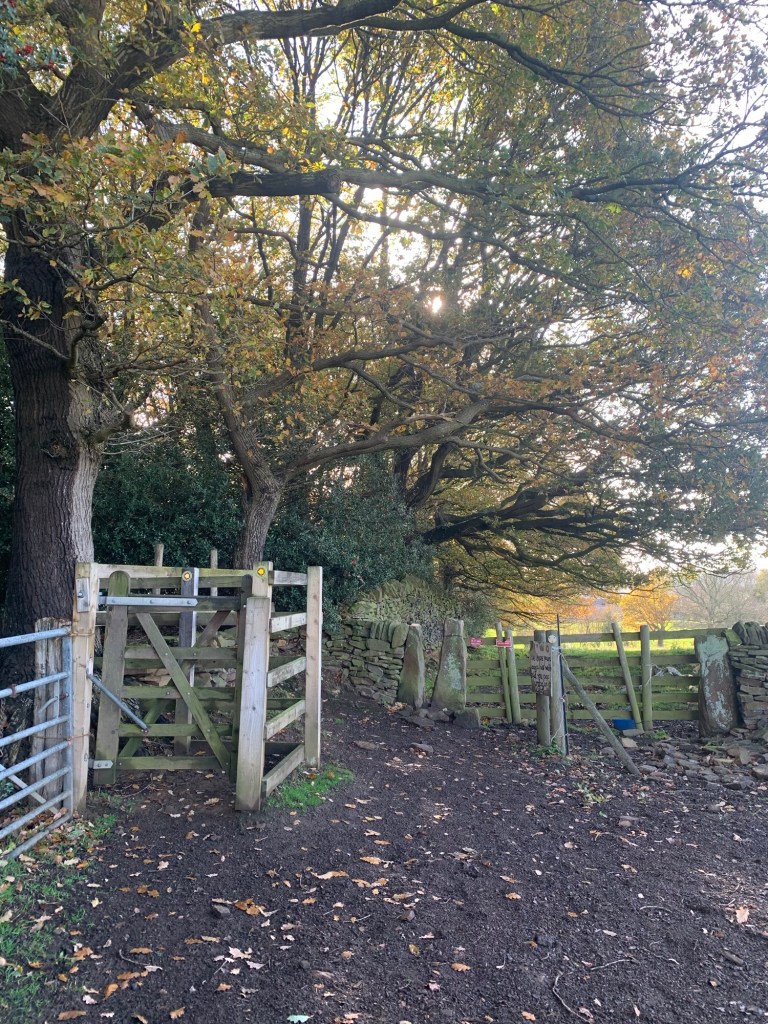
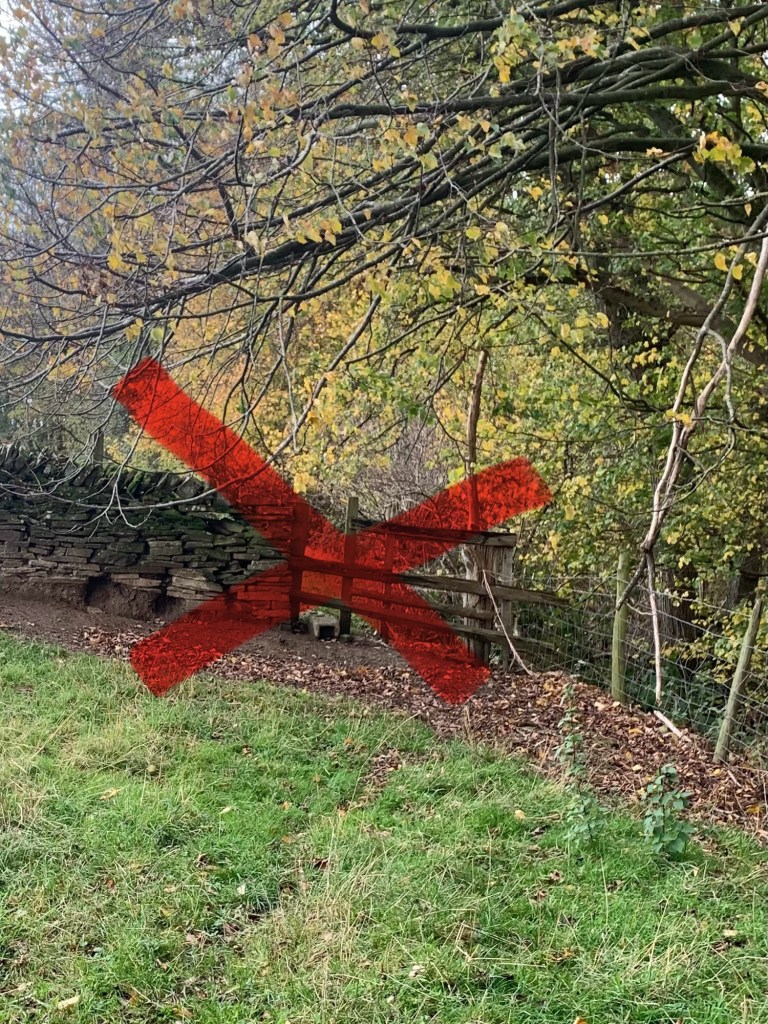
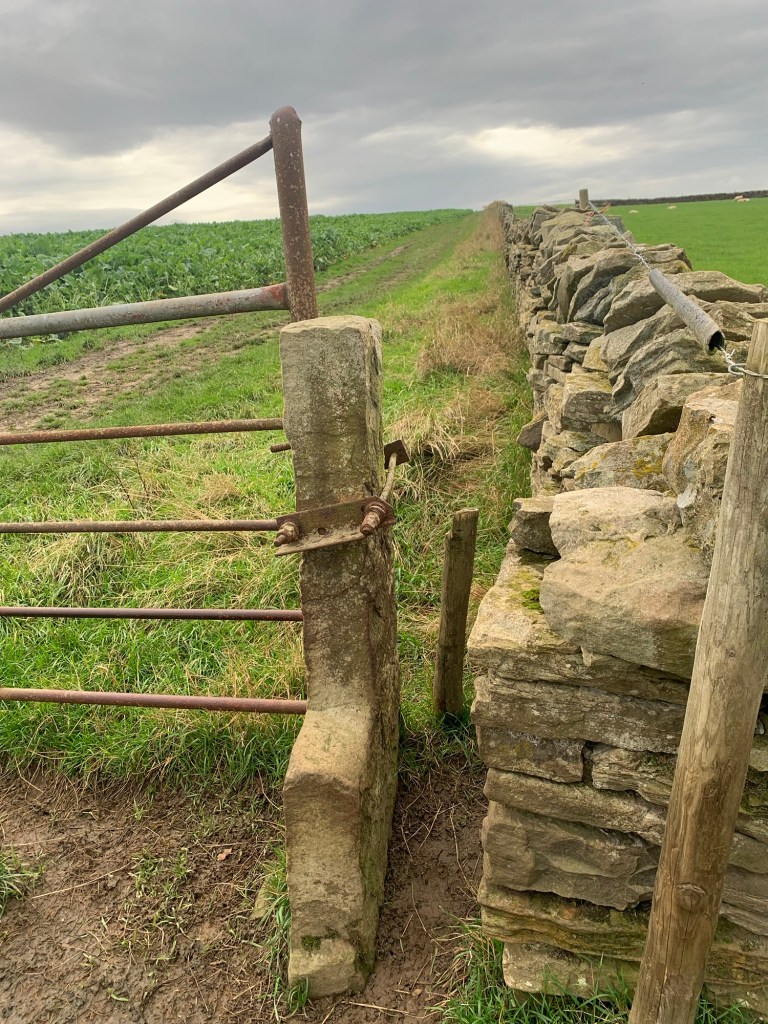
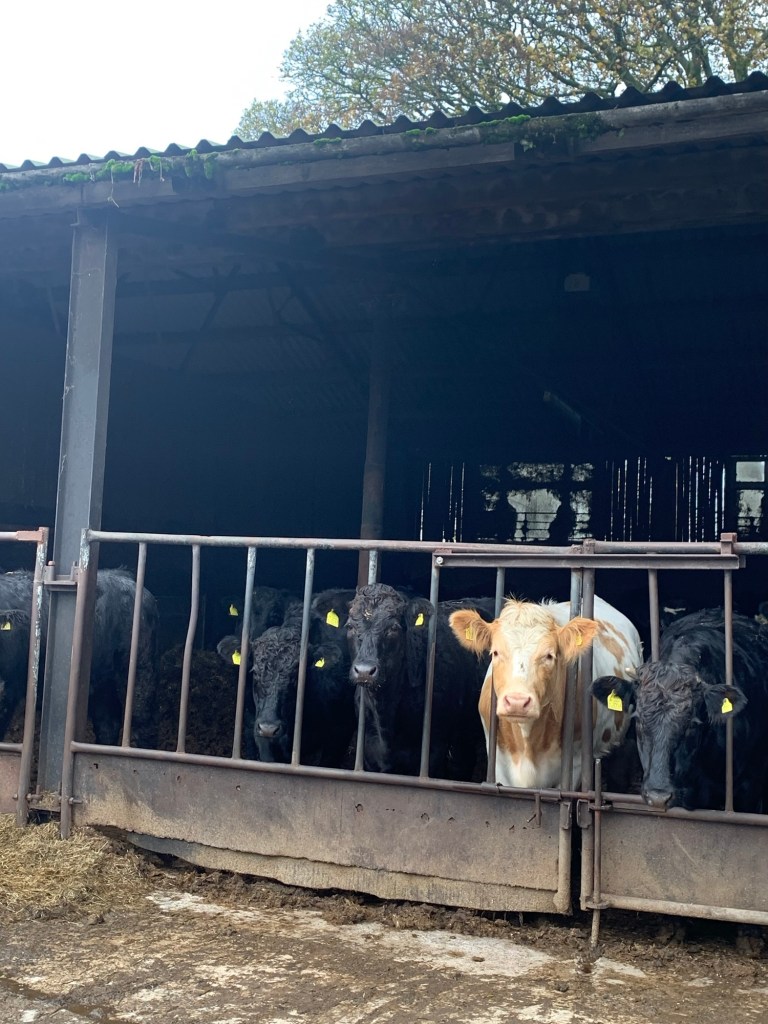
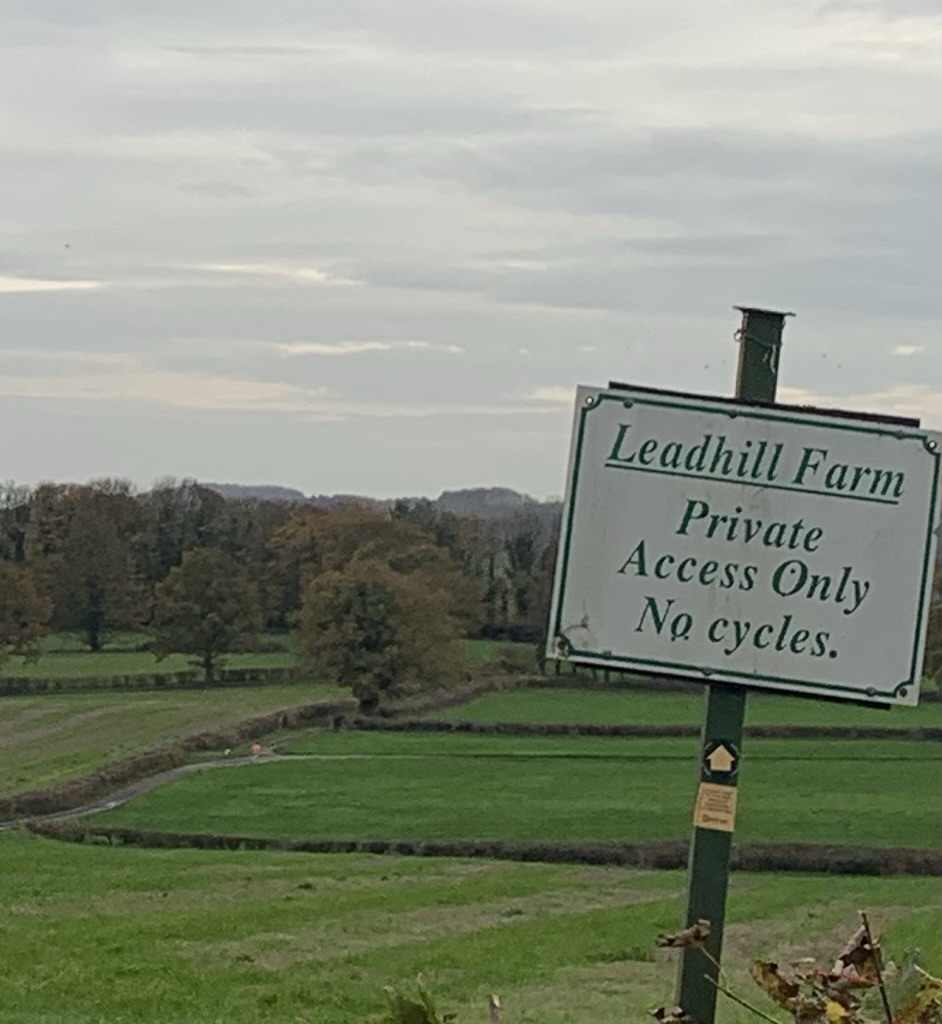
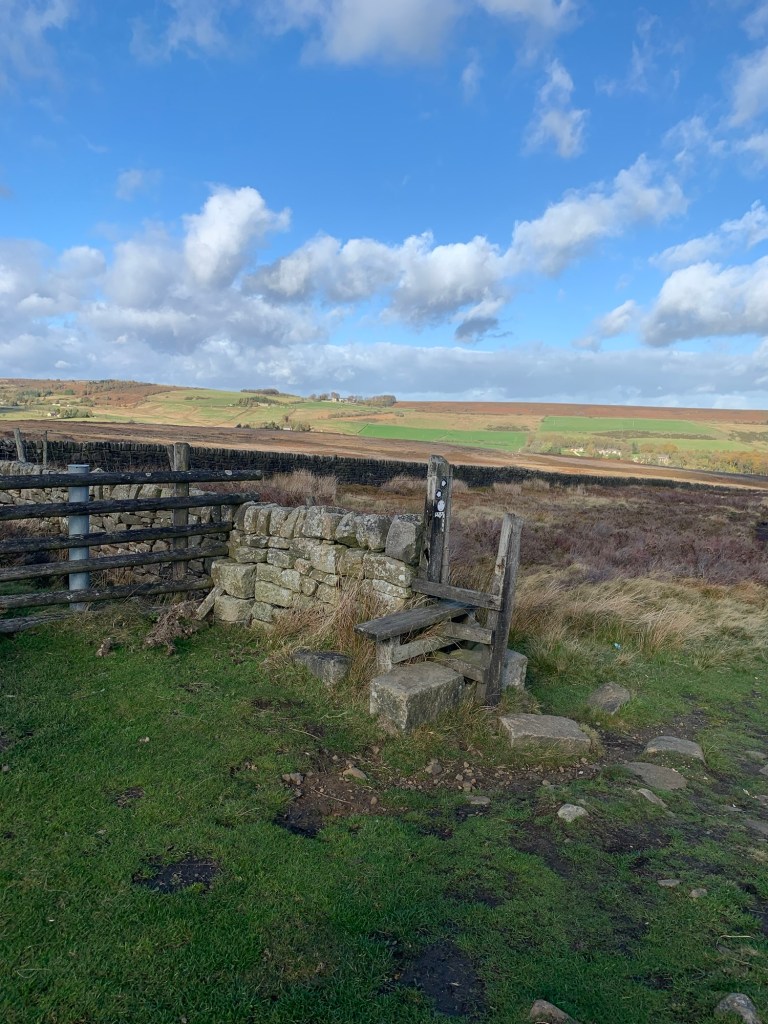
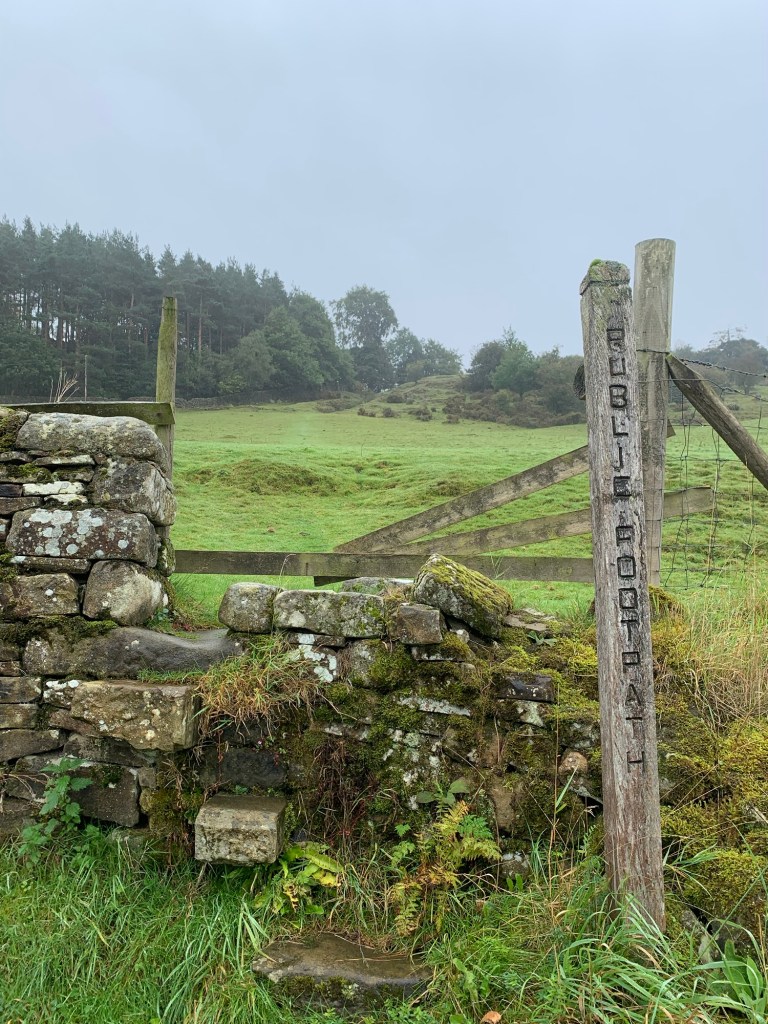
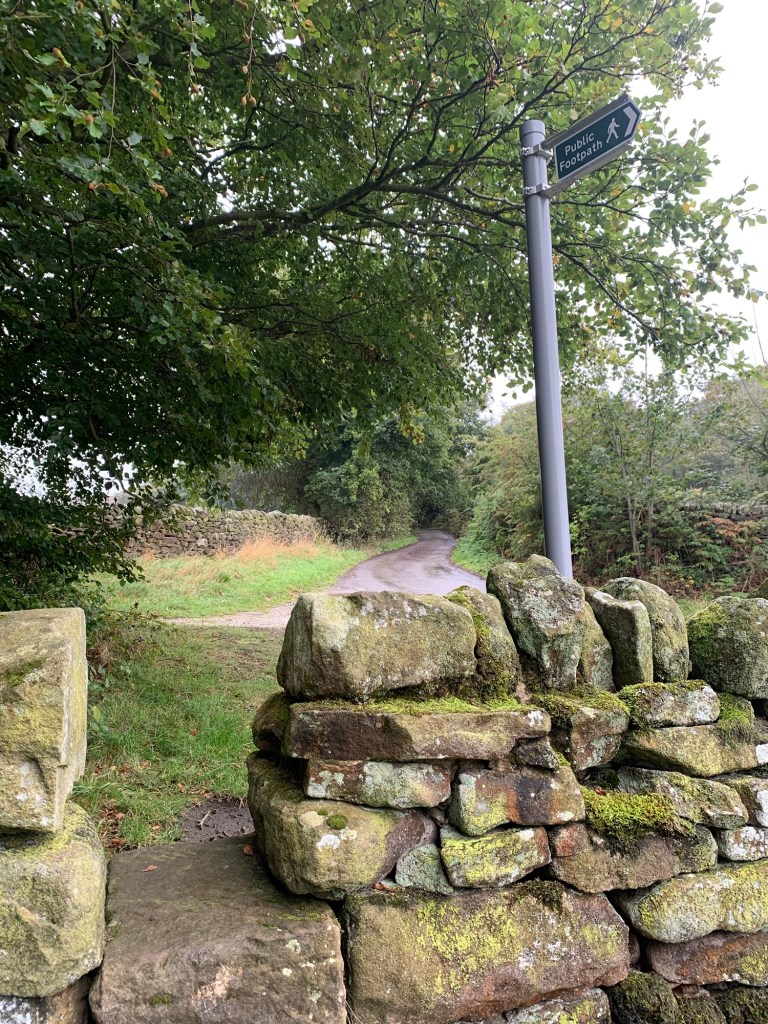
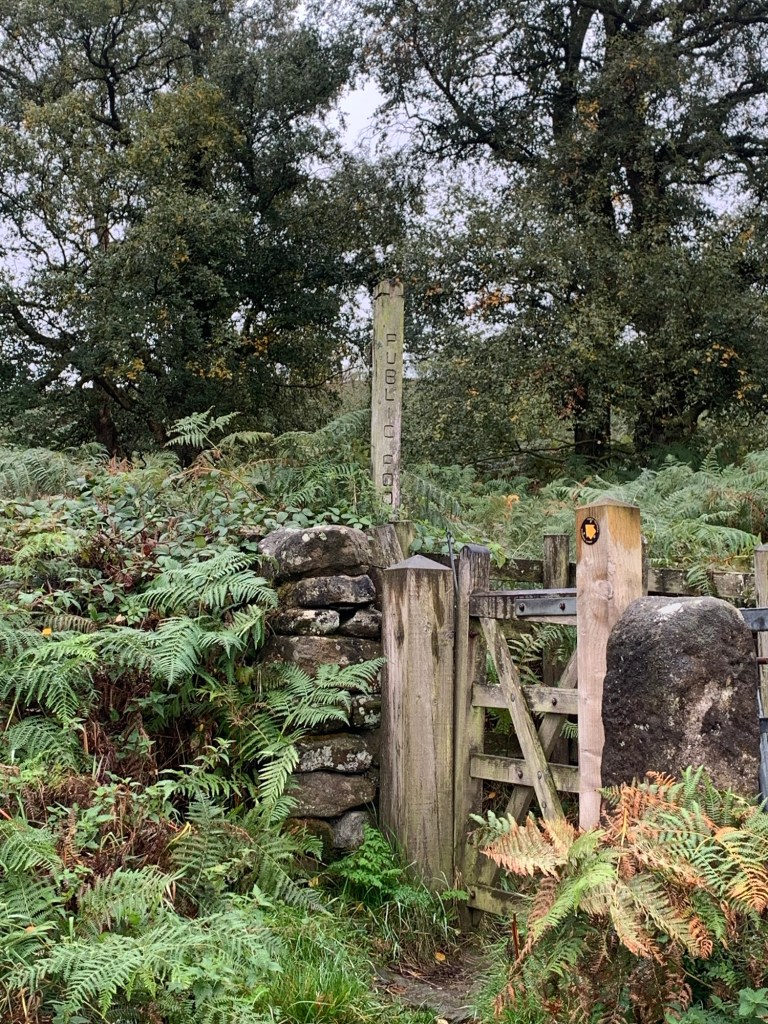
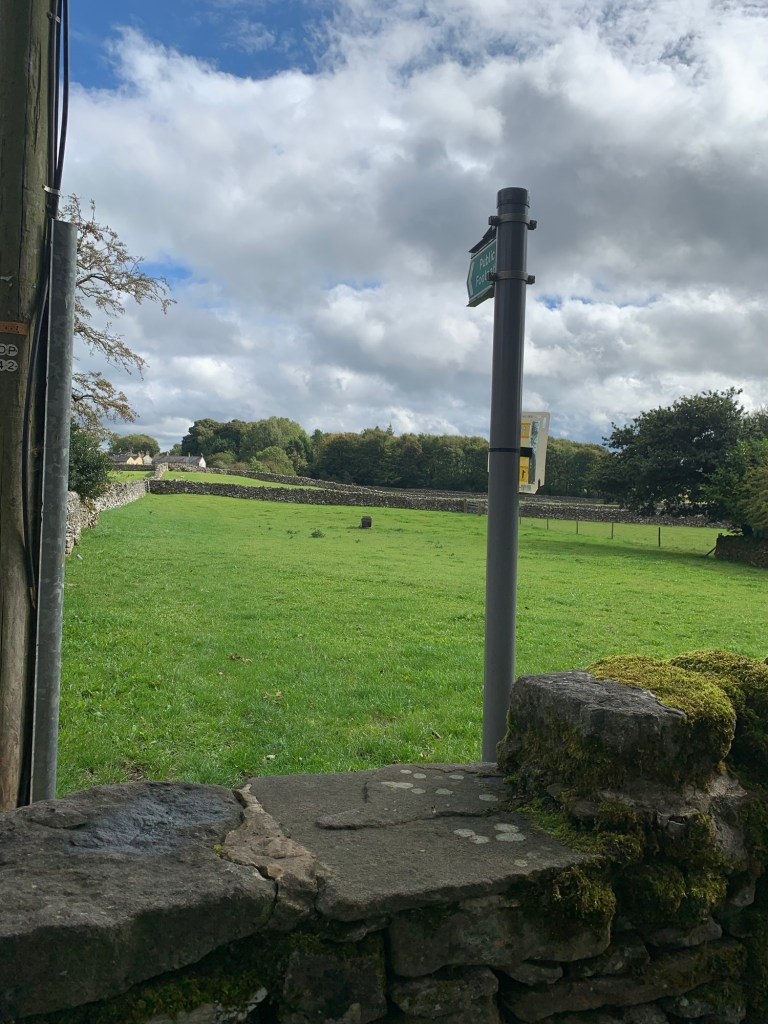
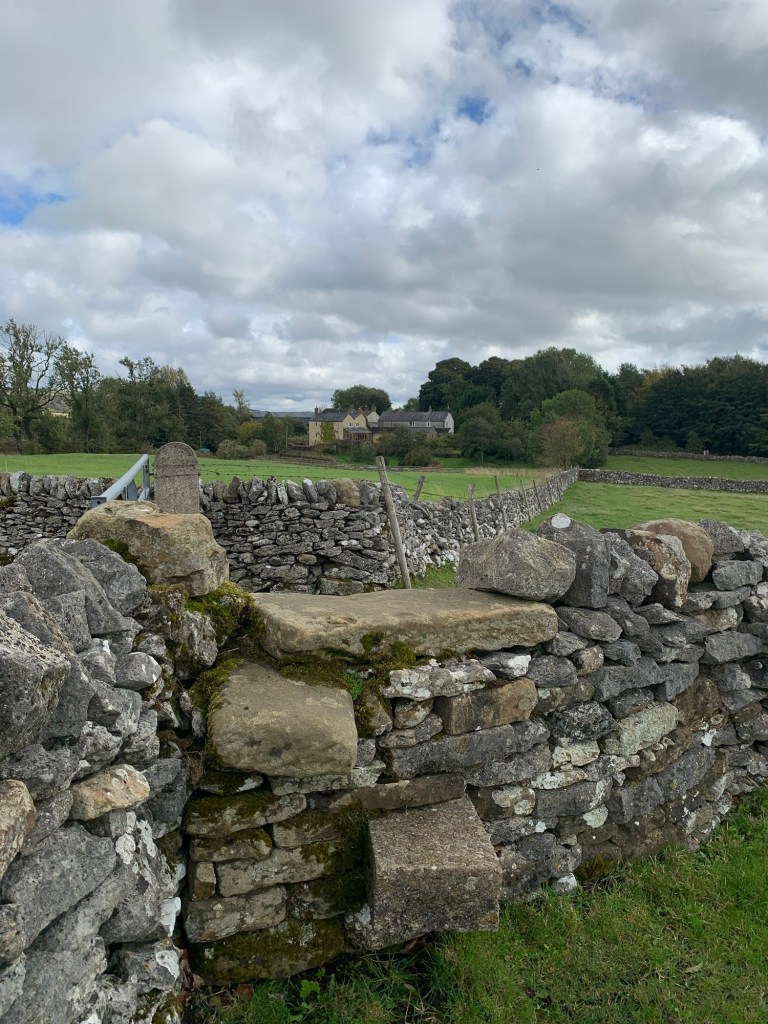
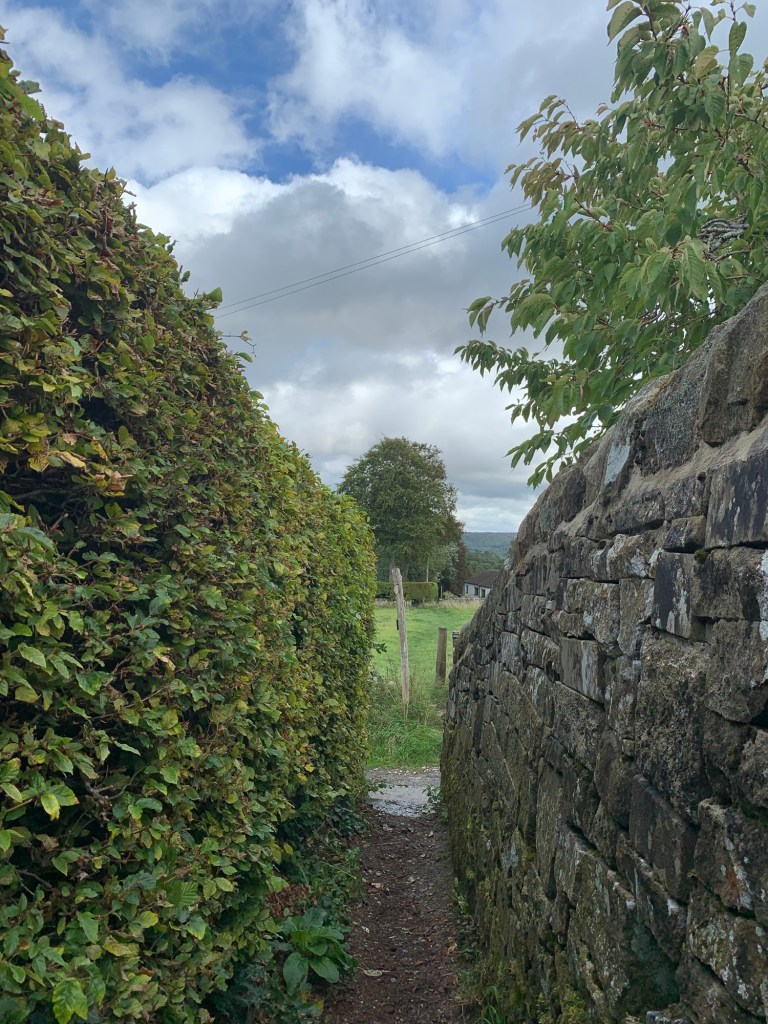
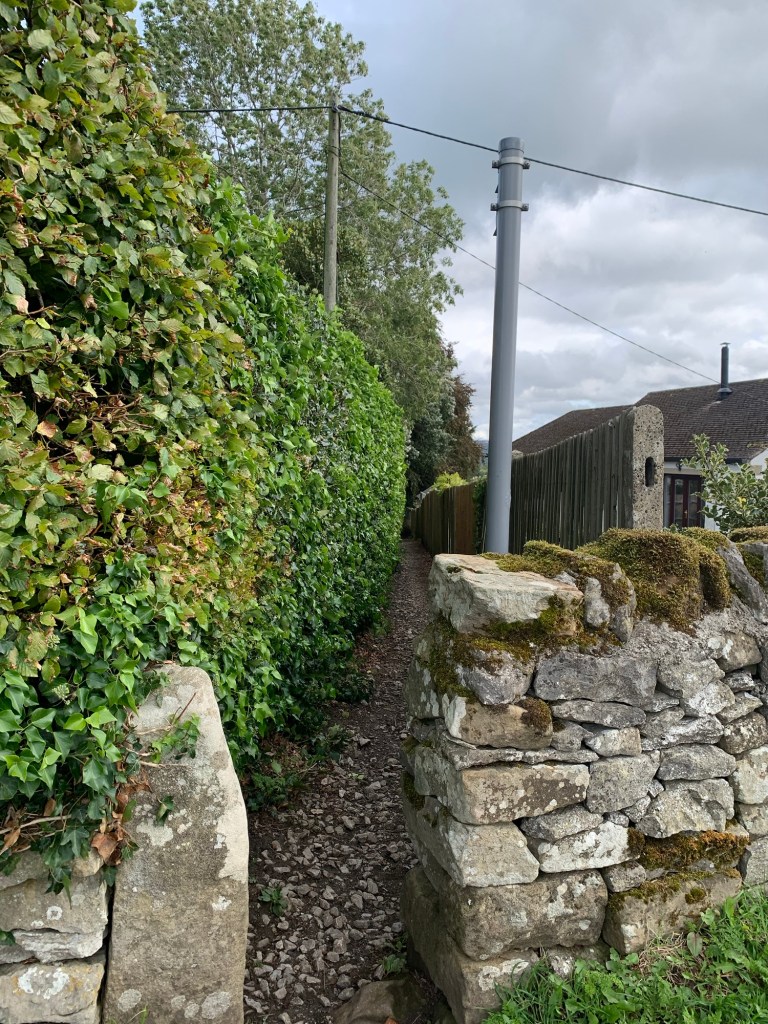
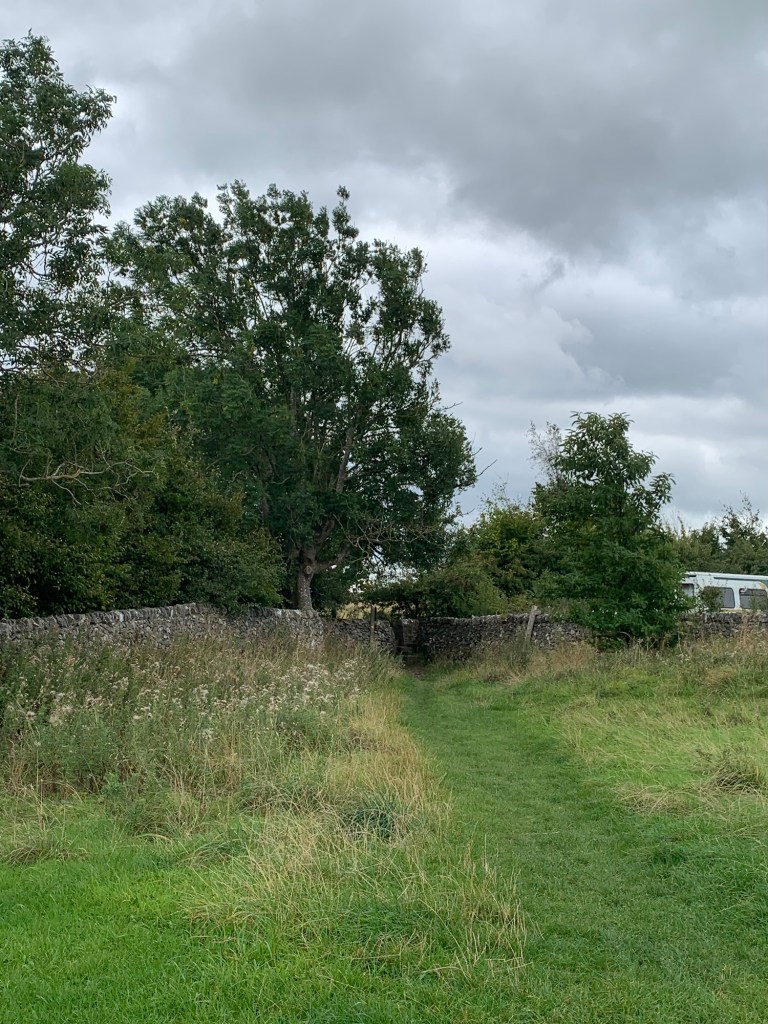
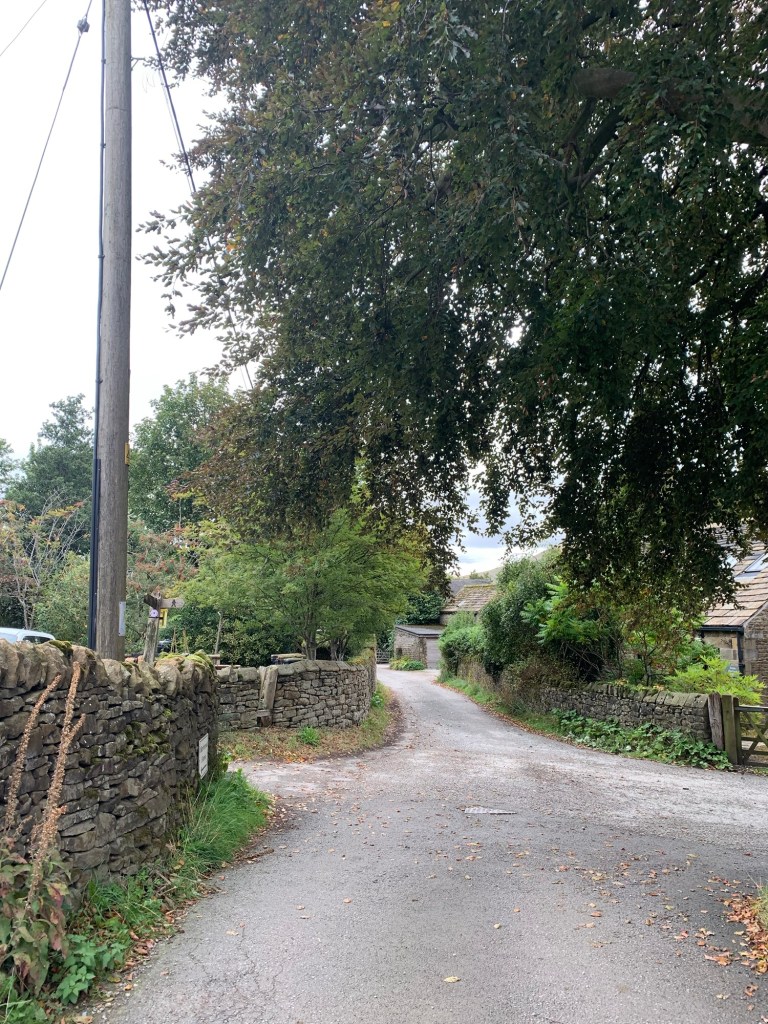
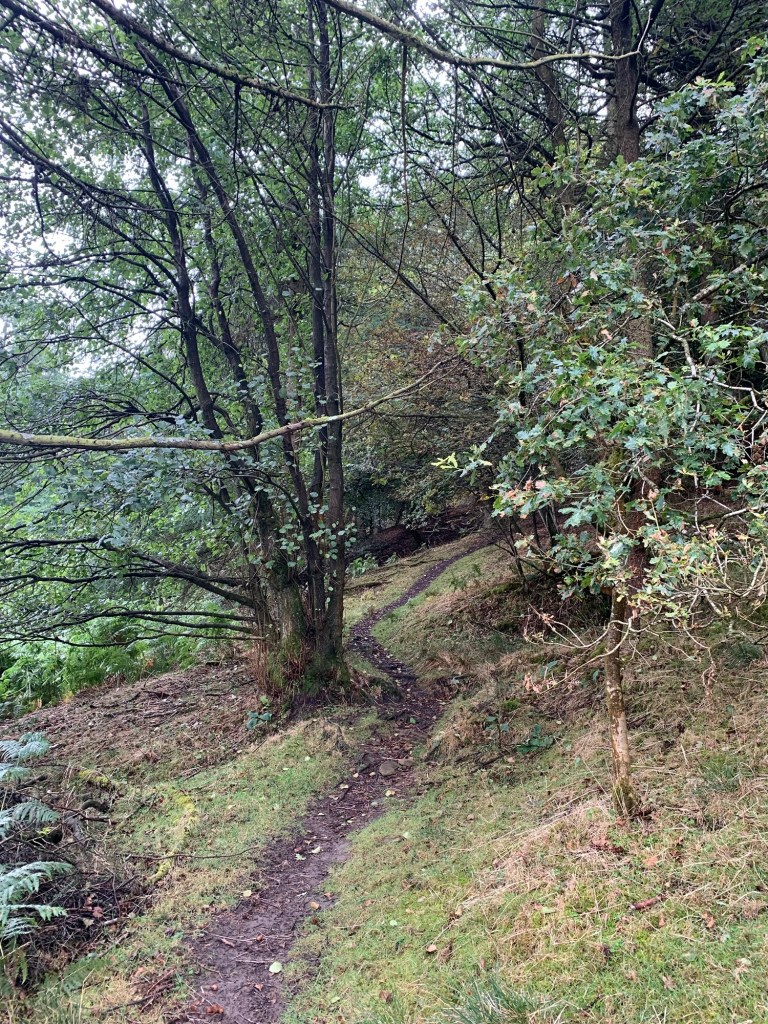
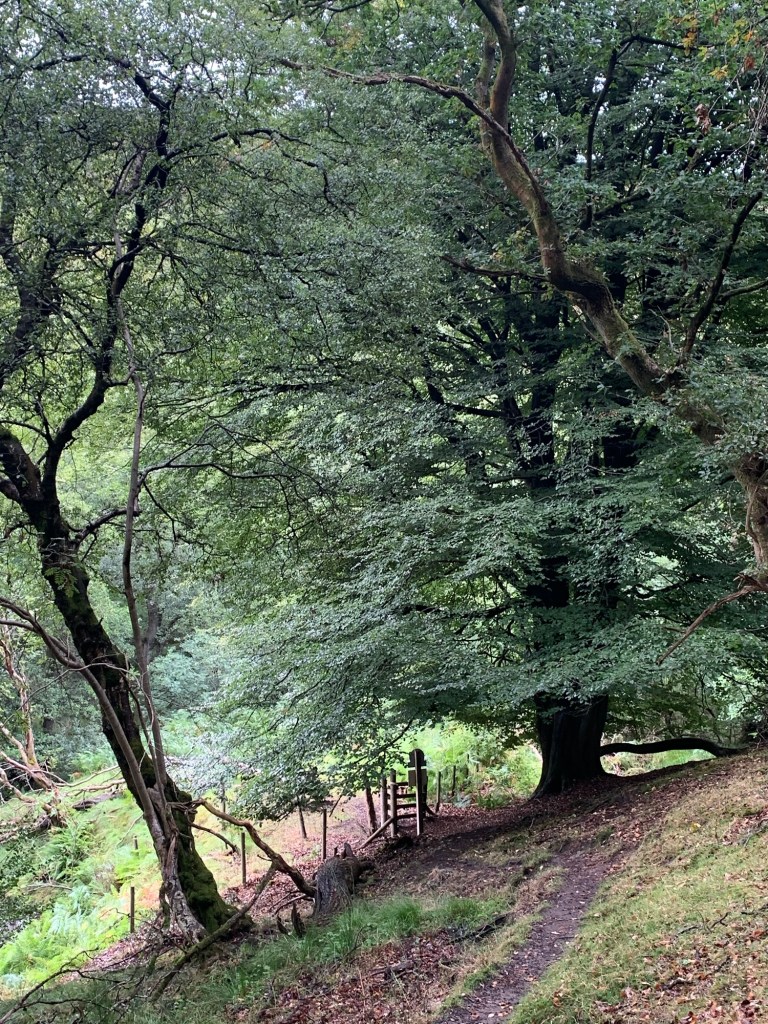
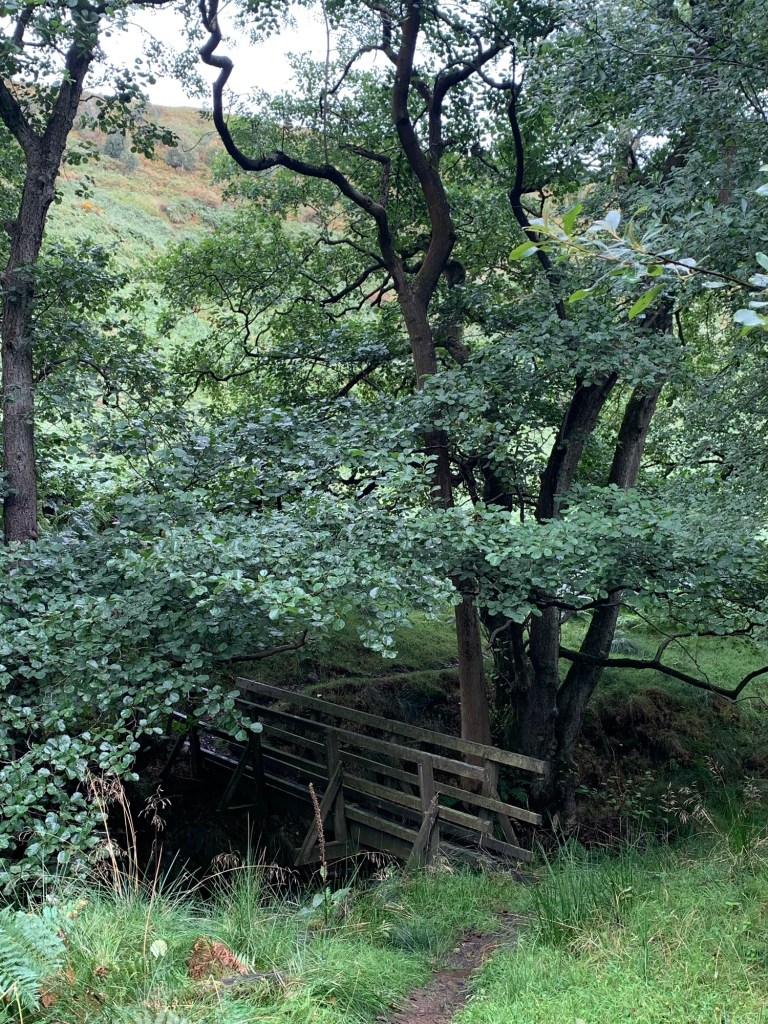
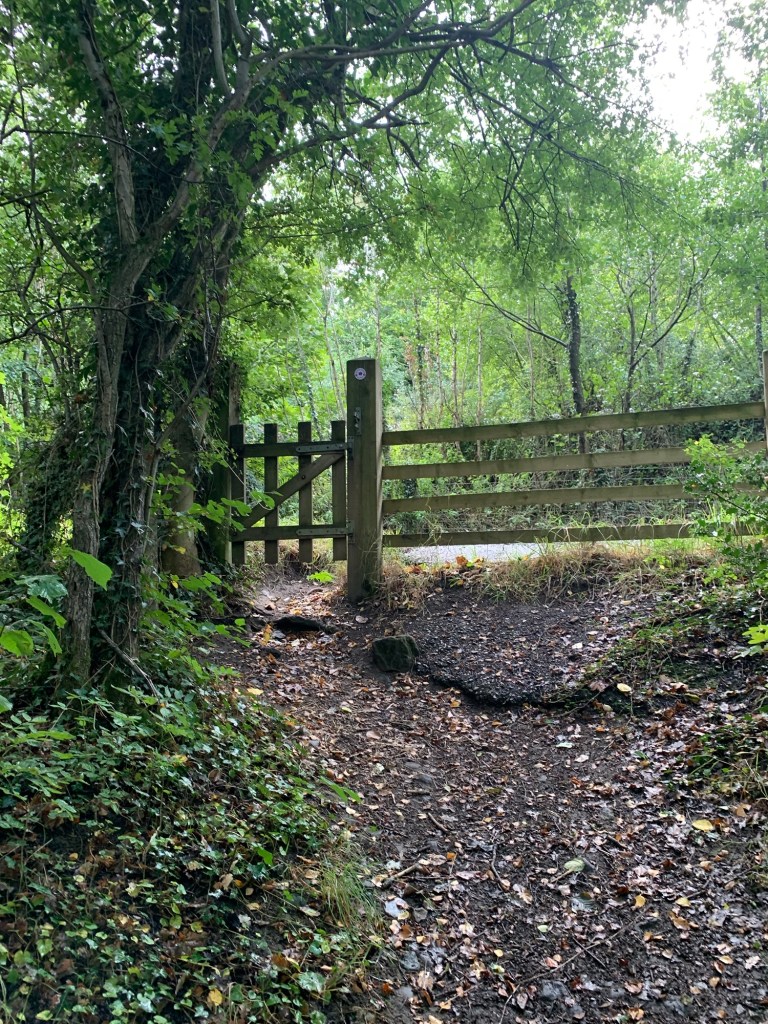
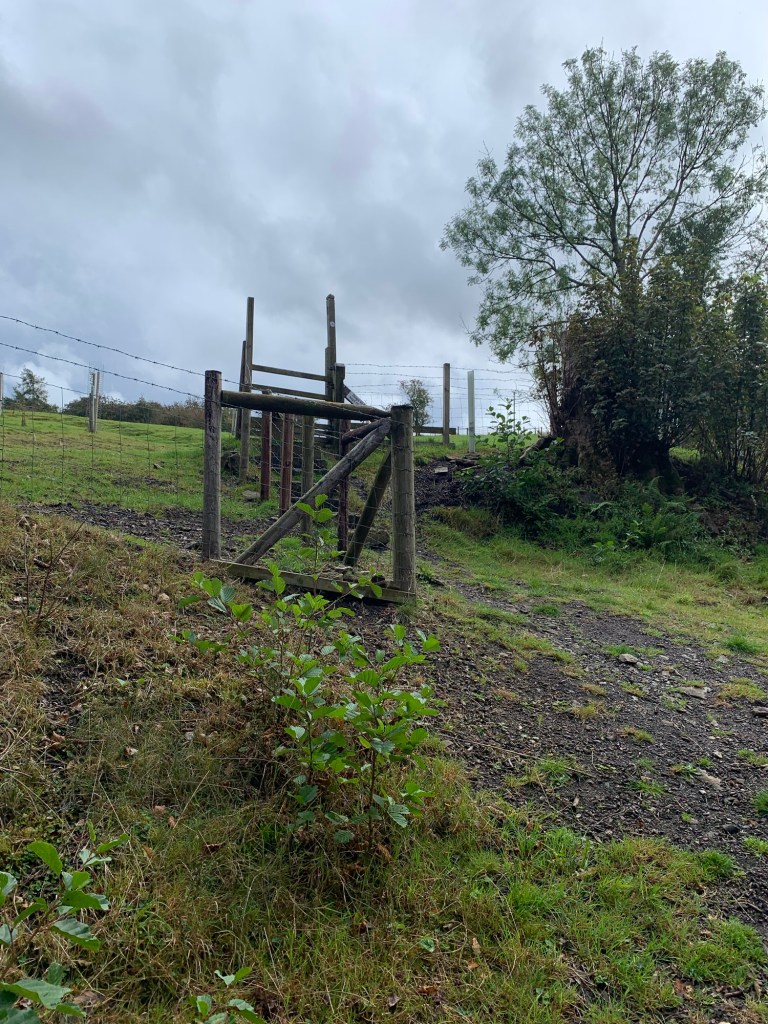
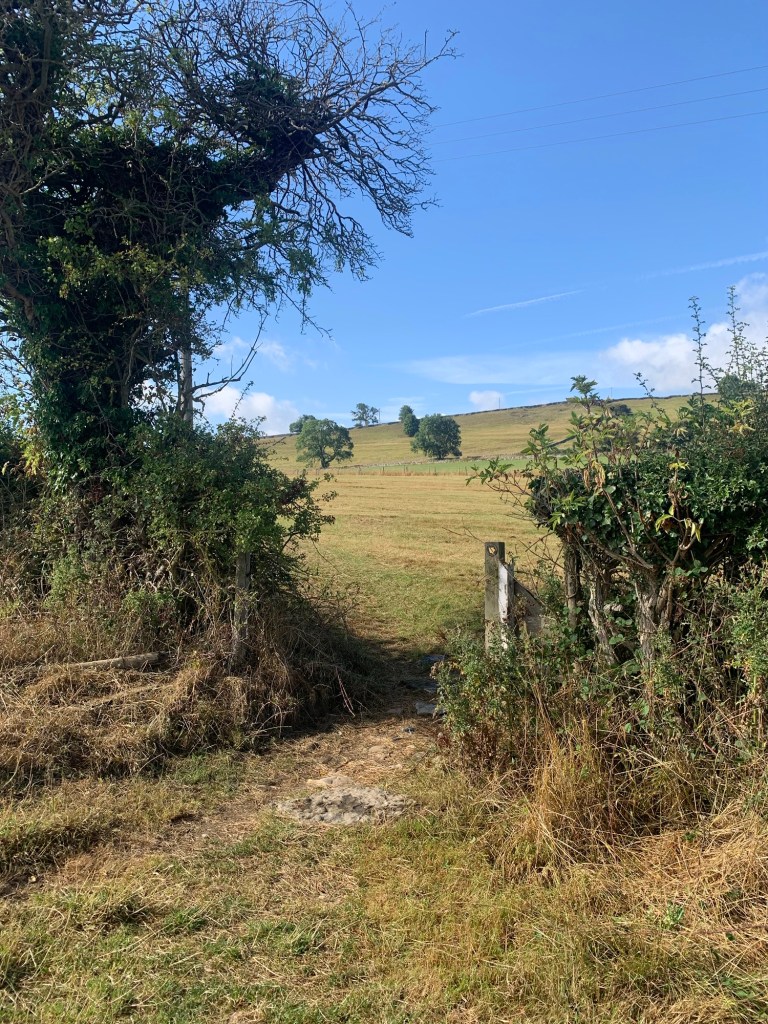
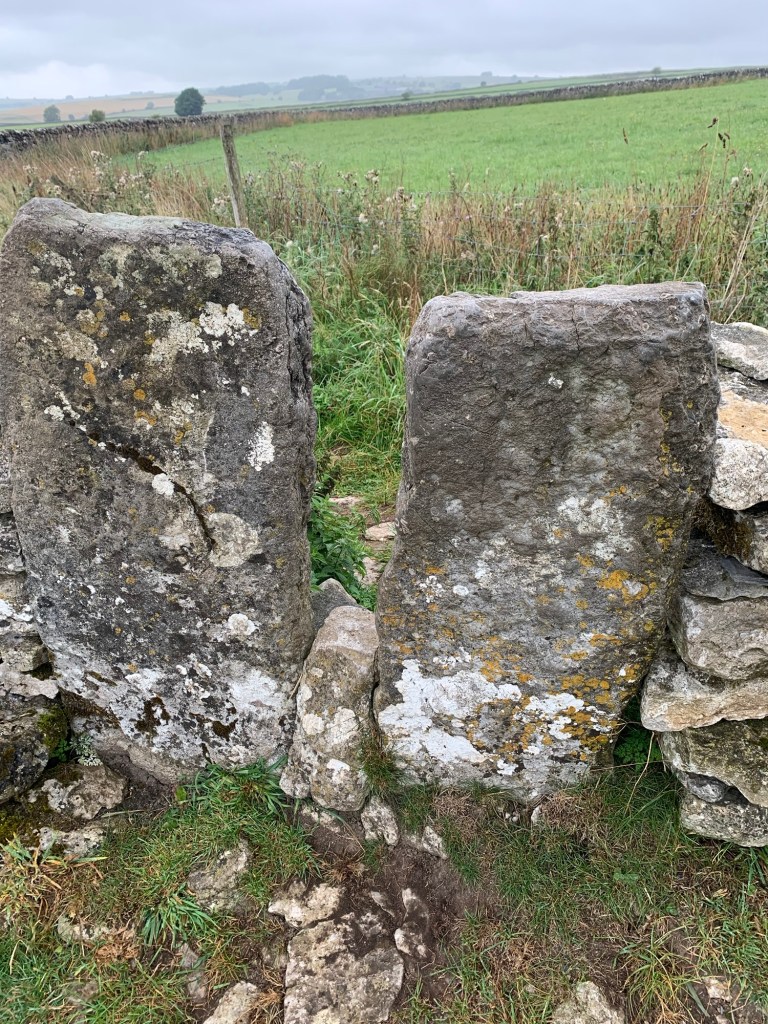
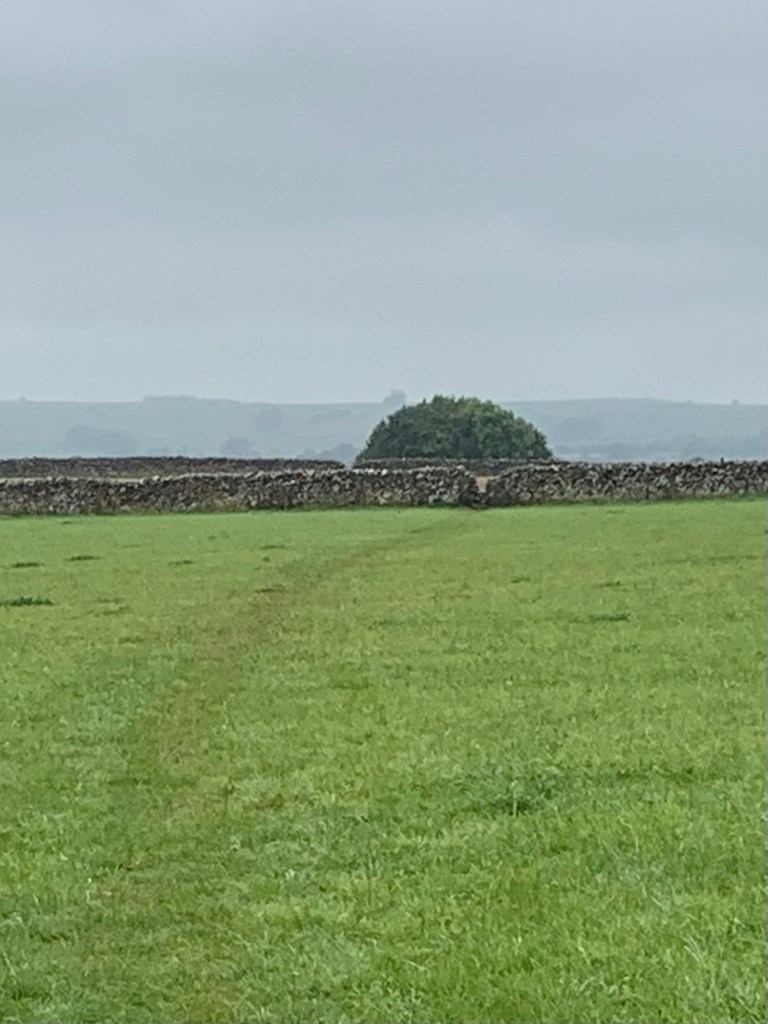
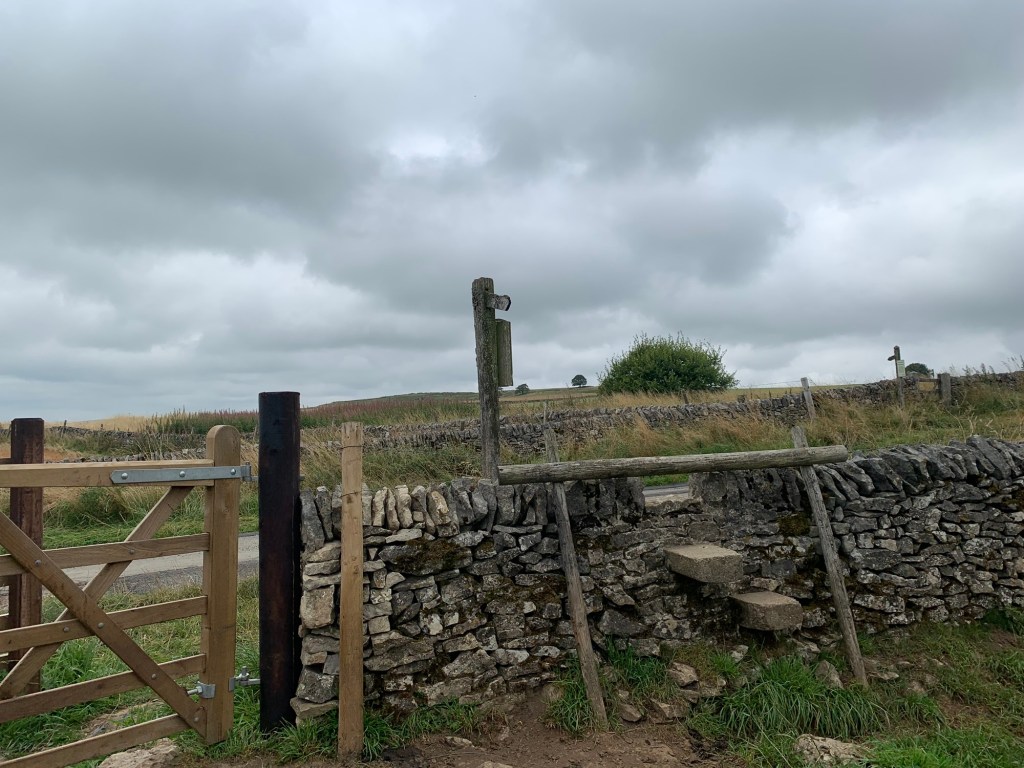
    This is exactly what we did….eventually and after a lot of wasted time… but we can’t honestly recommend it. The path is not at all defined and one of the stiles in particular was so unsafe we ended up crawling under an electric fence as an alternative. Throw into the mix, a huge flock of sheep that bizarrely all came running towards us in a potentially Gabriel Oake type moment, a bull in the cow field, and several horses noseying around, and we were glad to get back on the tarmac and check out the village of Flagg.
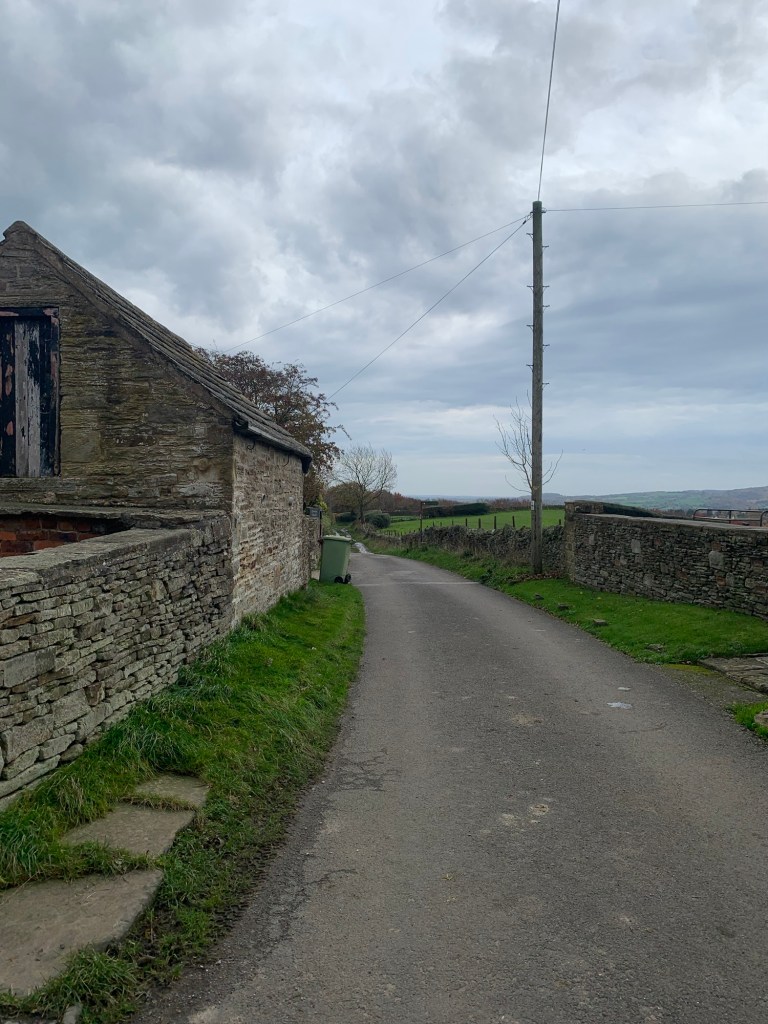
    Our choice for the sixth letter of the alphabet, Flagg, is a Norse name so it’s likely there were Vikings around here back in the day, possibly cutting peat turfs for fuel. 

    Since then, like many Derbyshire villages, there’s  a mix of agriculture and lead mining in the village’s heritage.

    And until relatively recently there was a very unusual occurrence here each year at Easter when the Flagg point to point horse racing took place.

    I have a memory of a tiny silhouette of a race horse on my old OS map of the area but I never came to see the spectacle and now it’s several years too late. For an interesting old photo take a look here:

    https://historicengland.org.uk/education/schools-resources/educational-images/flagg-moor-flagg-1669

    and for more info on the event itself visit

    https://www.peakdistrictonline.co.uk/flagg-races/#:~:text=Flagg%20Races%20History&text=The%20first%20point%2Dto%2Dpoint,on%20Easter%20Tuesday%20ever%20since.

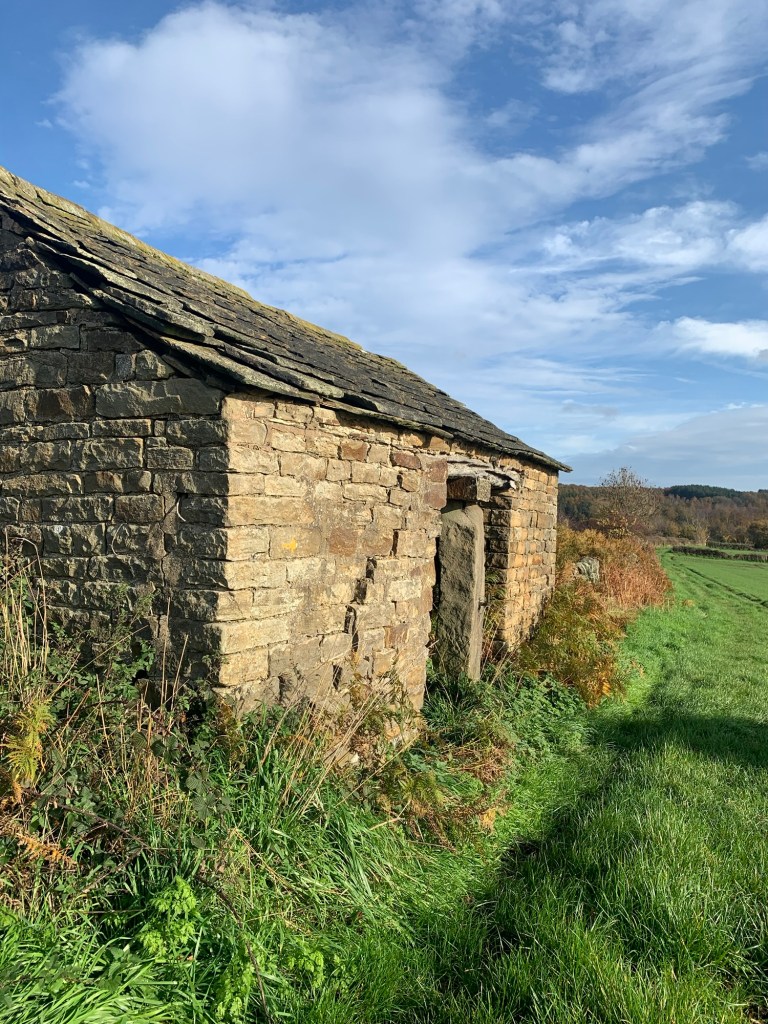
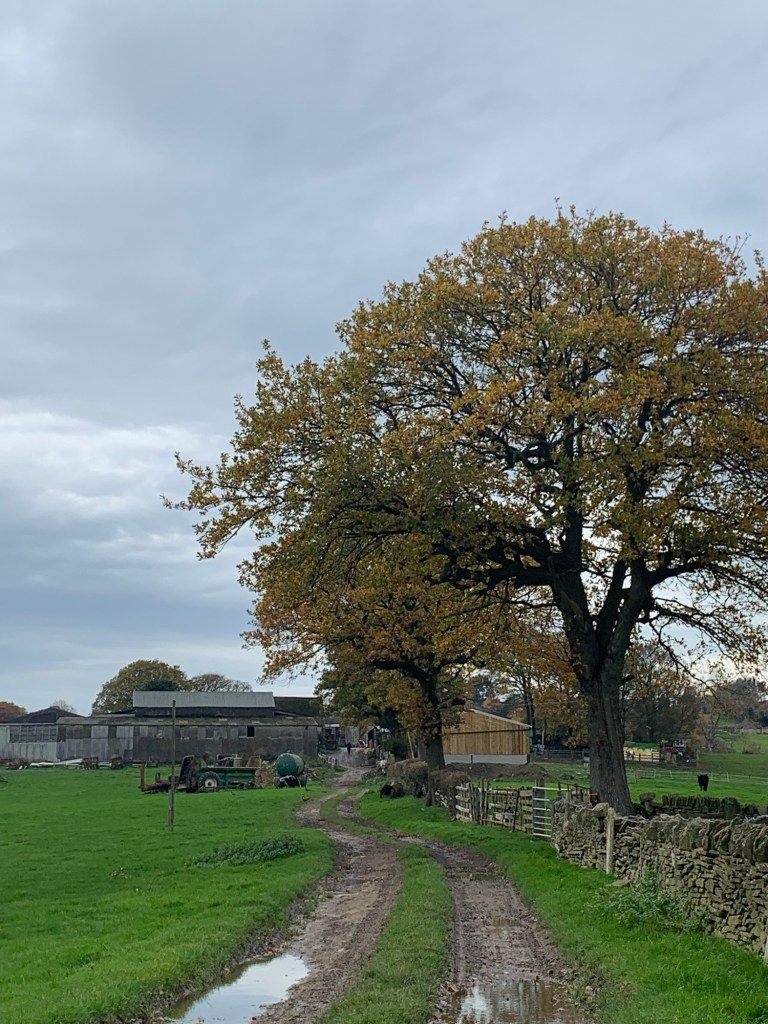
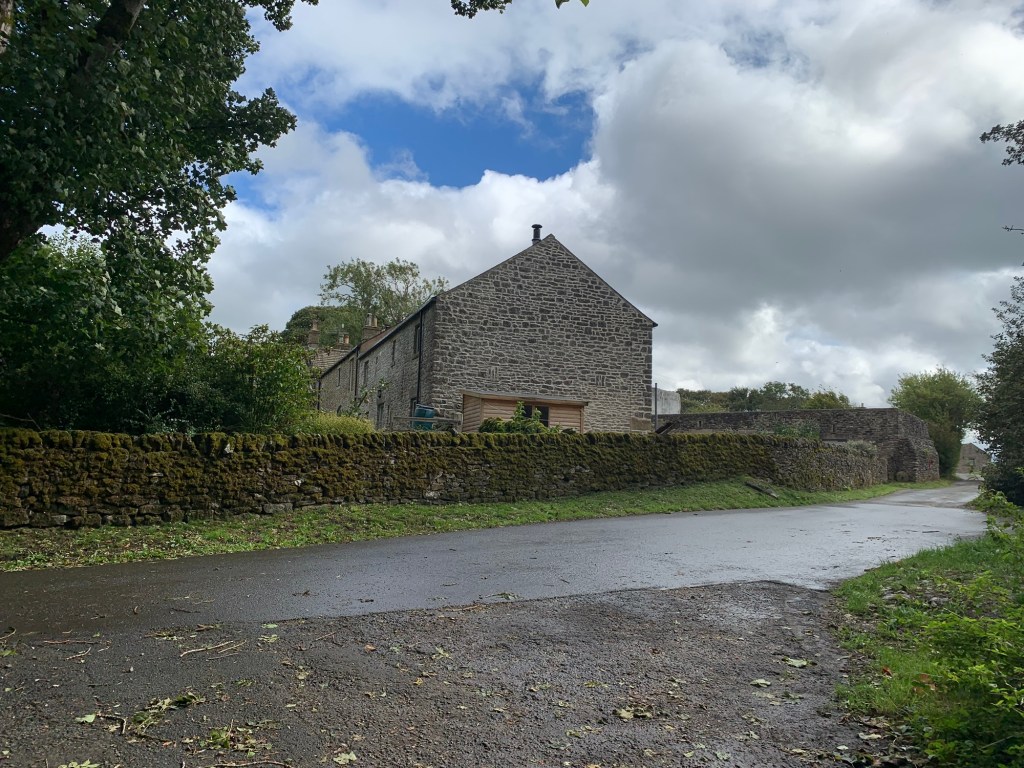
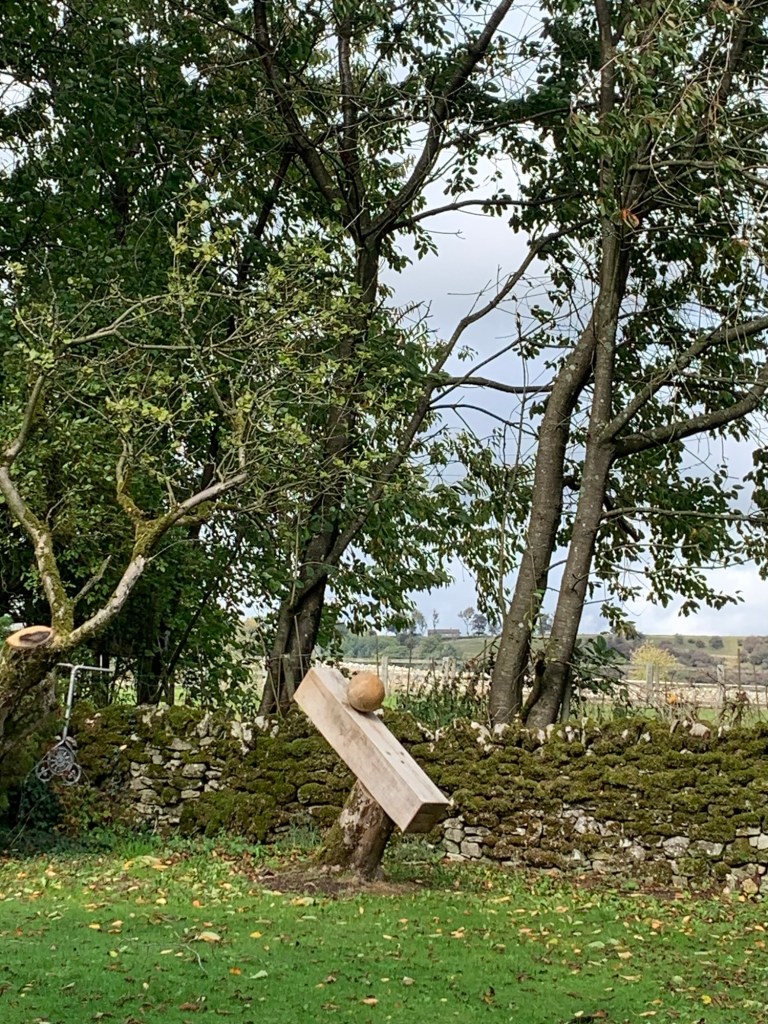
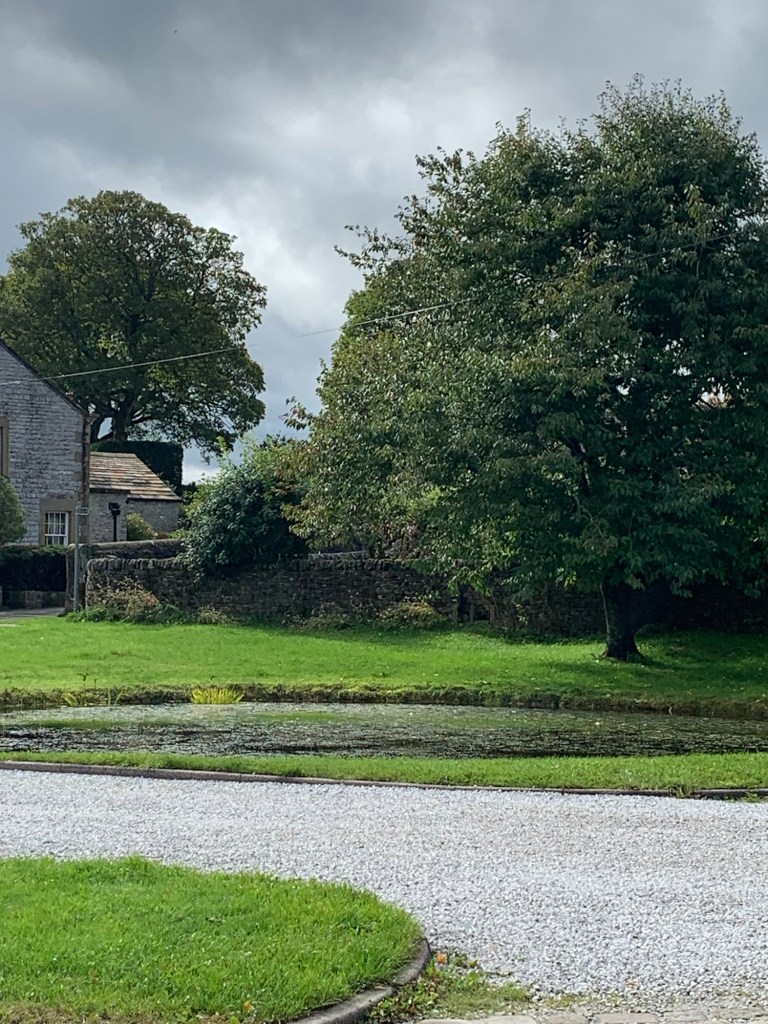
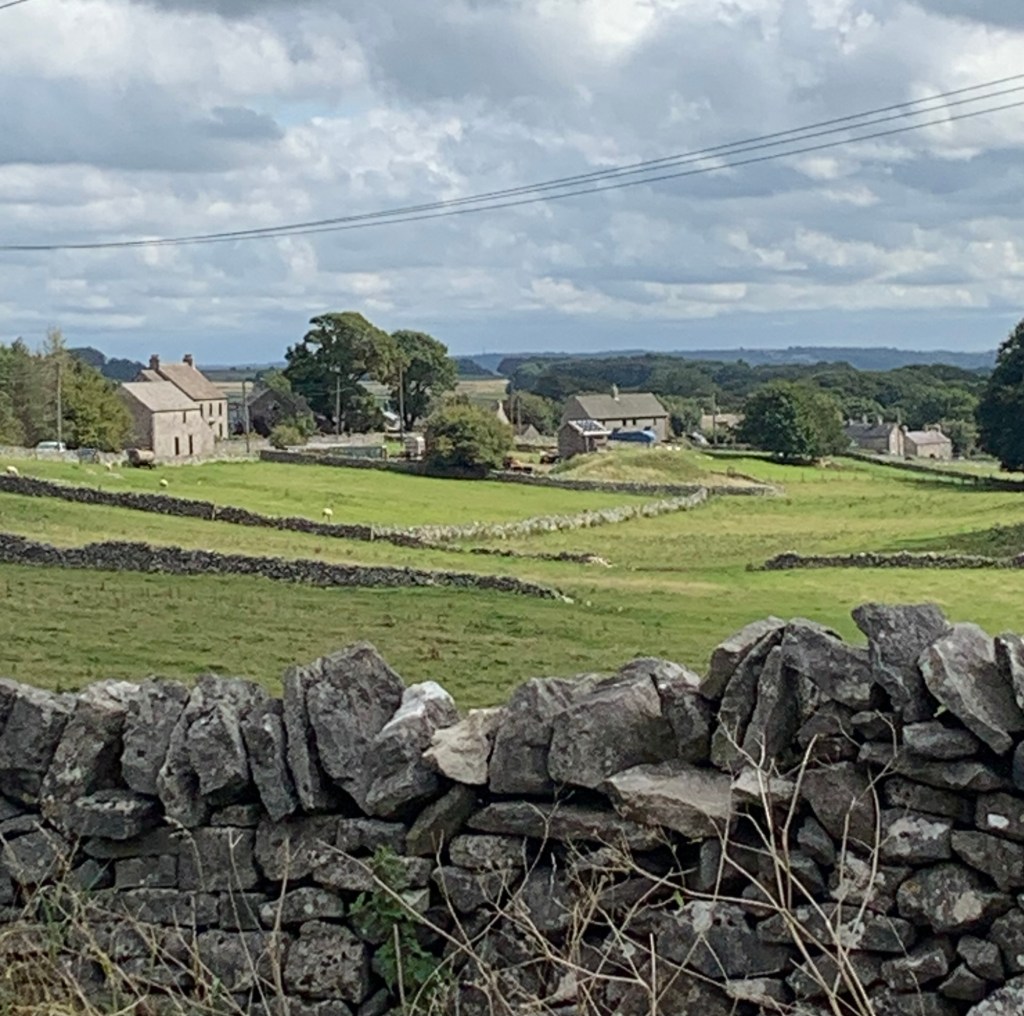
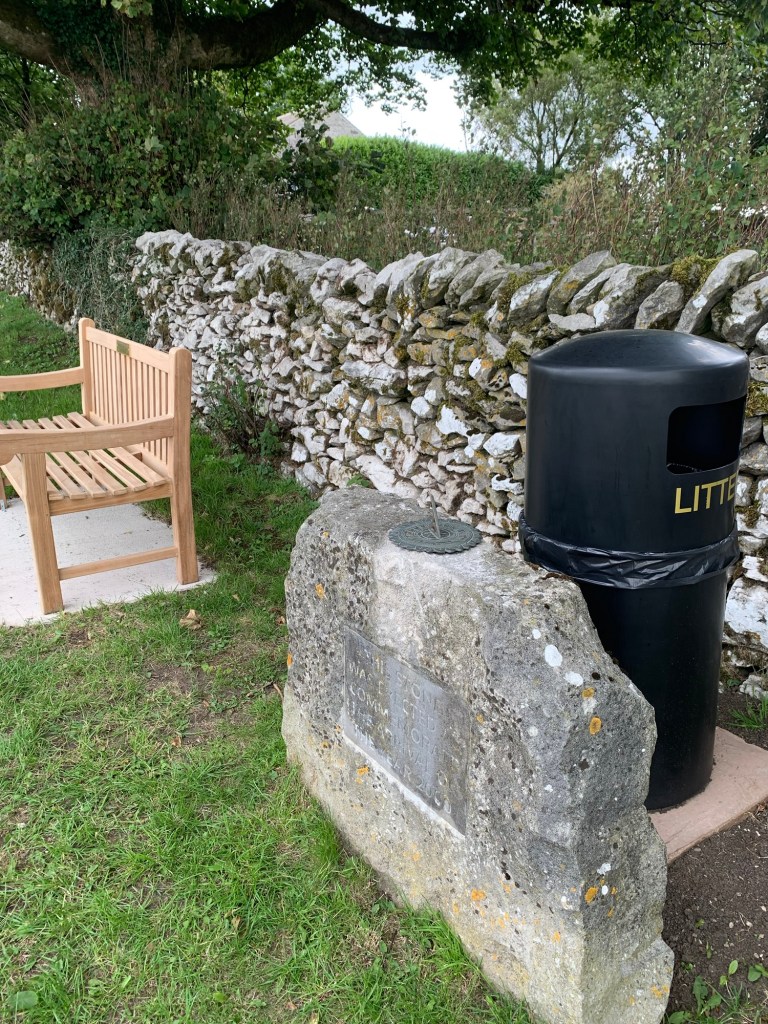
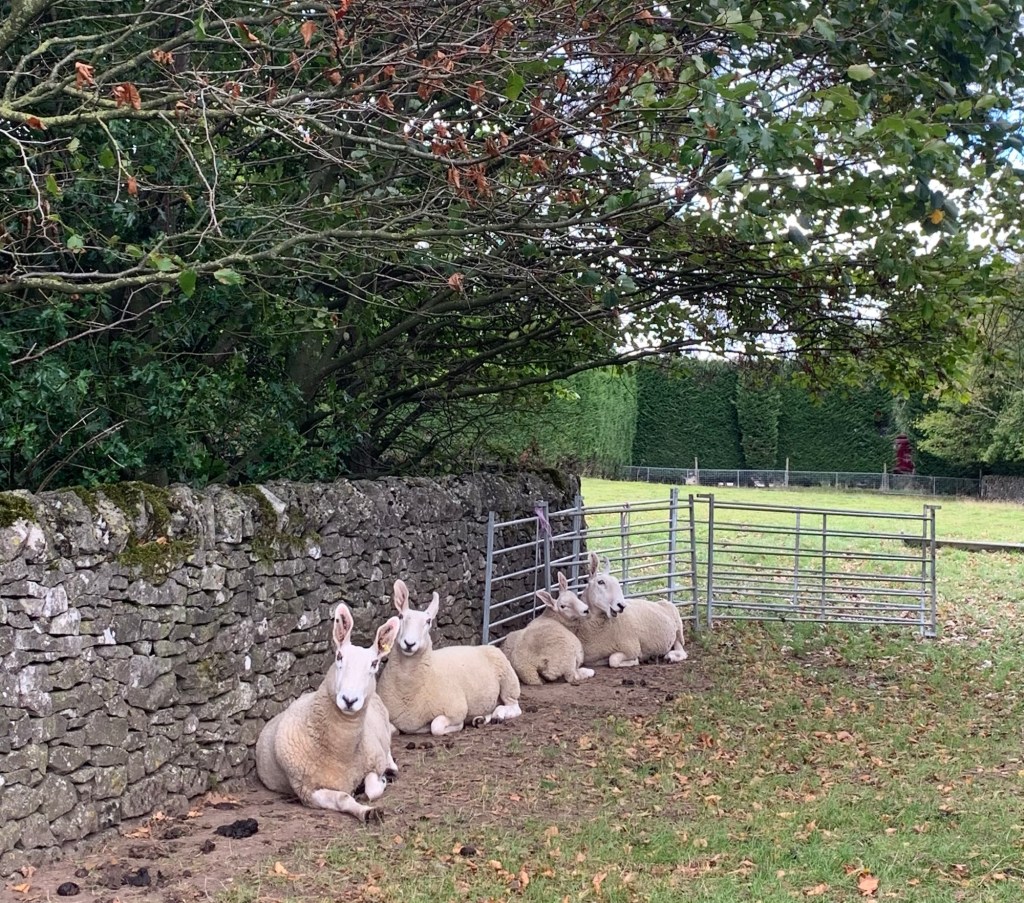
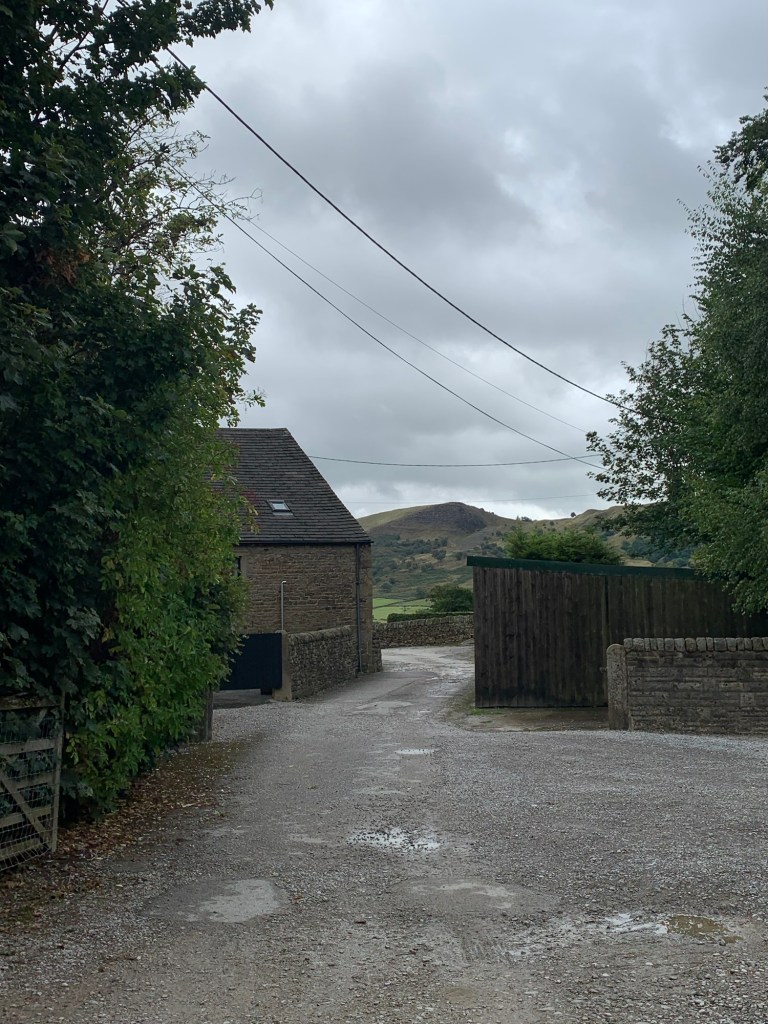
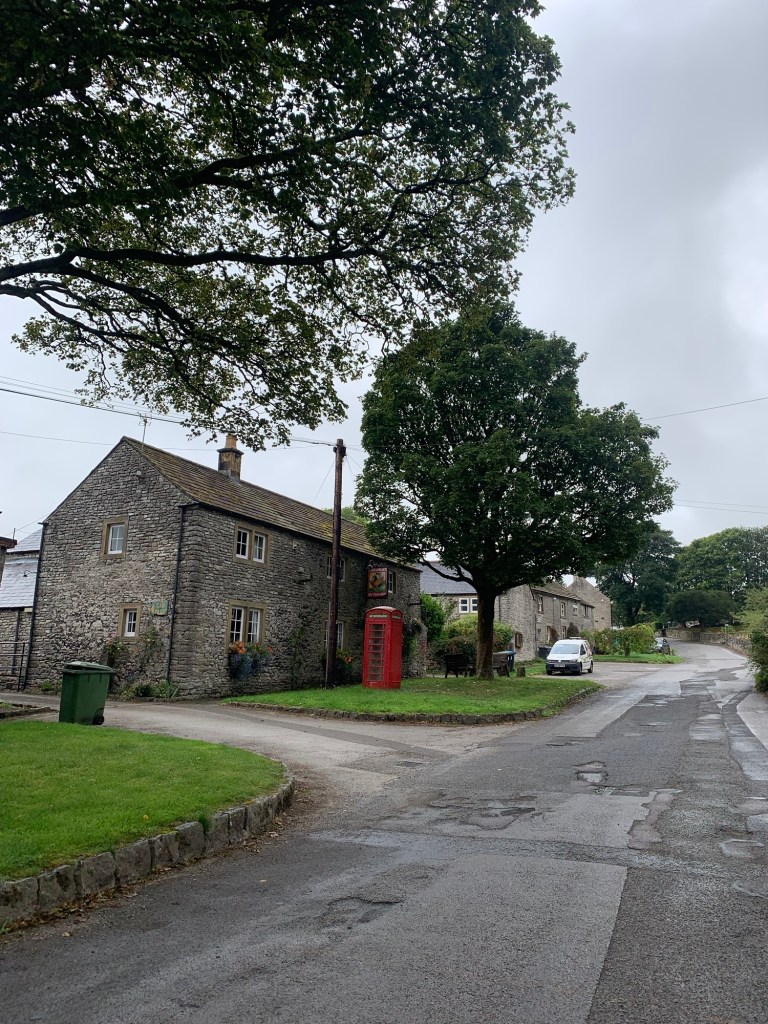
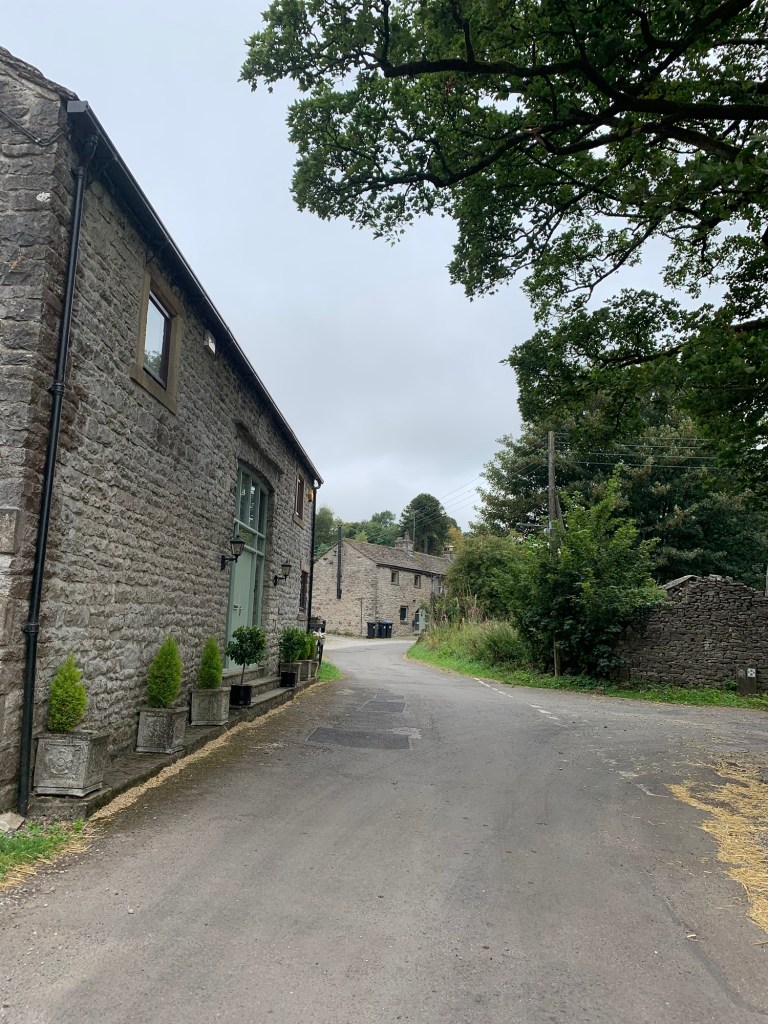
    We walk along the Main Road ( the only road?) and pass a number of farms, a small sundial to commemorate the millennium and a few sheep with sticky up ears (taking a rest from all the excitement?) There doesn’t seem to be a lot going on, but it’s certainly very peaceful.

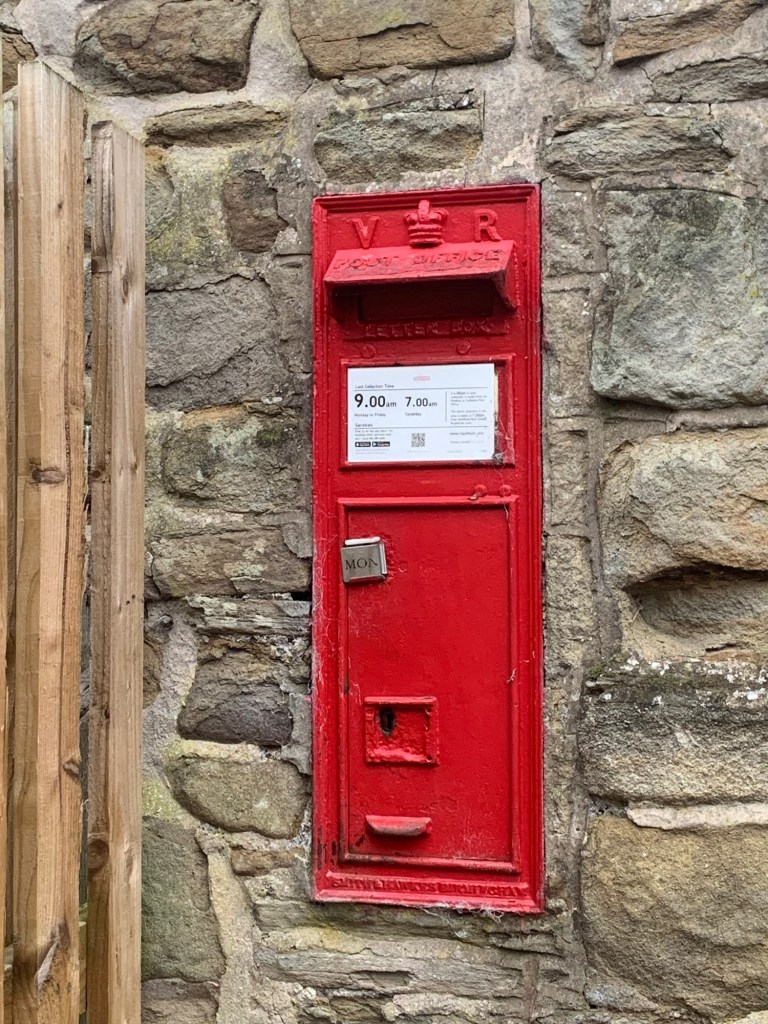
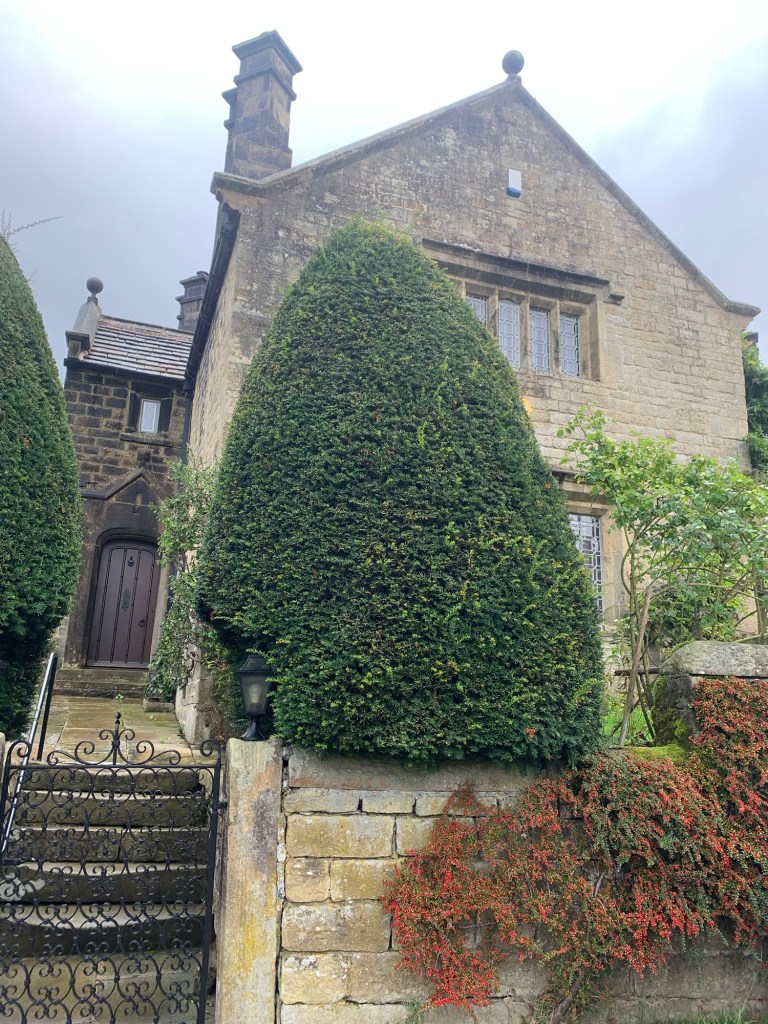
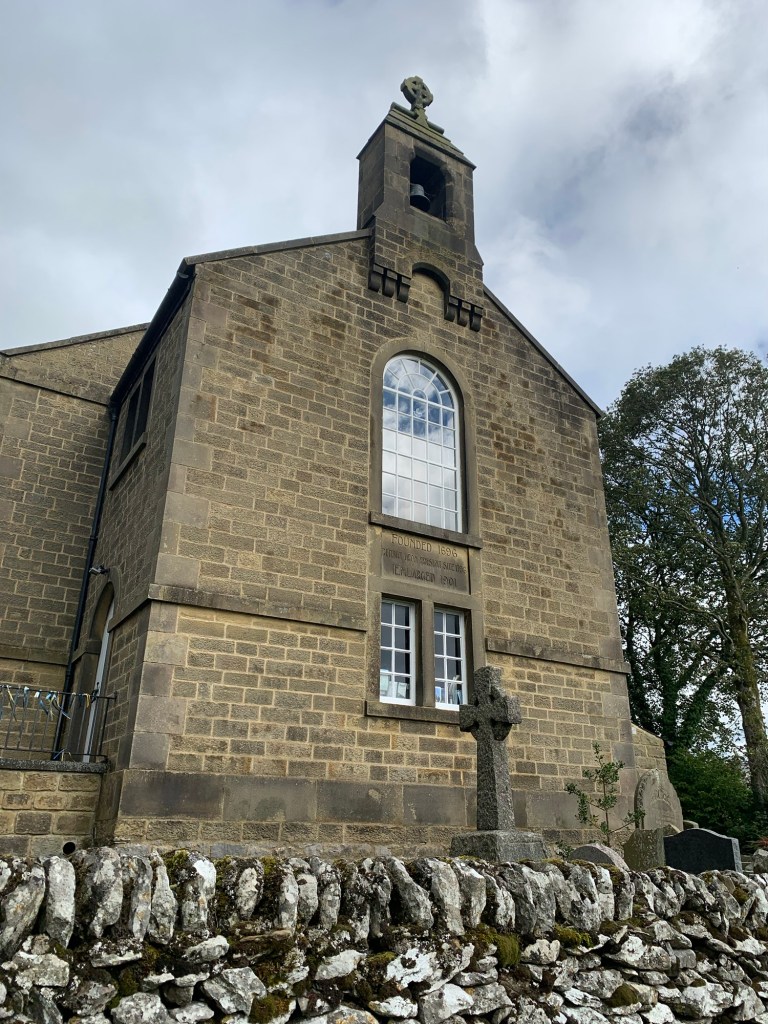
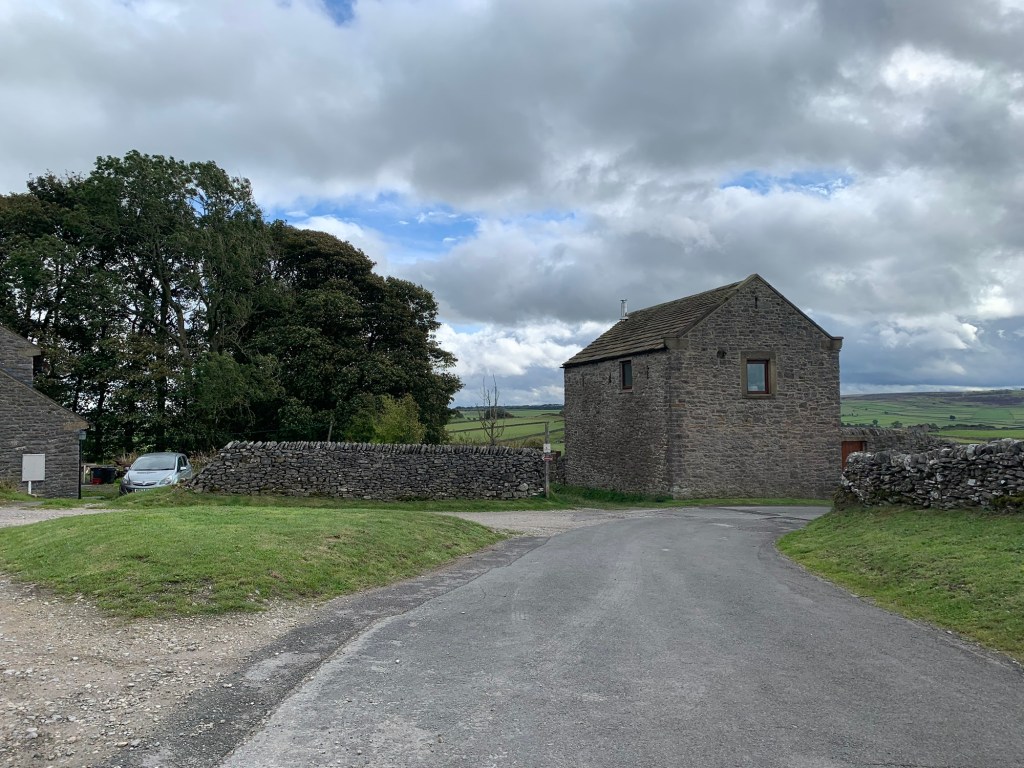
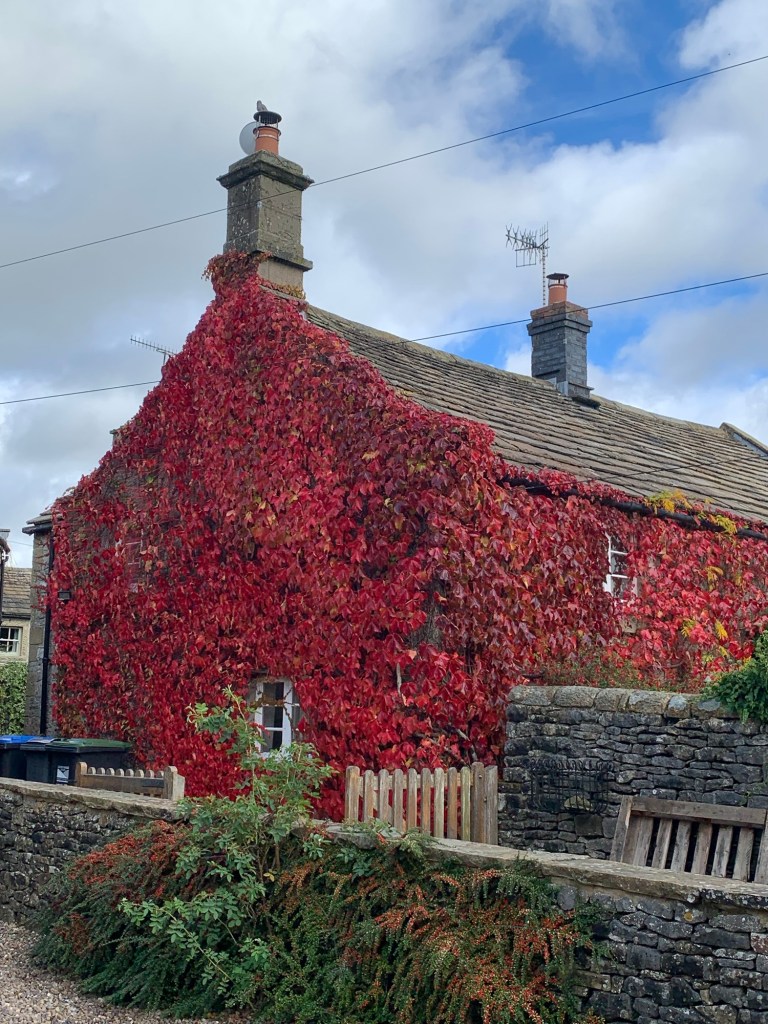
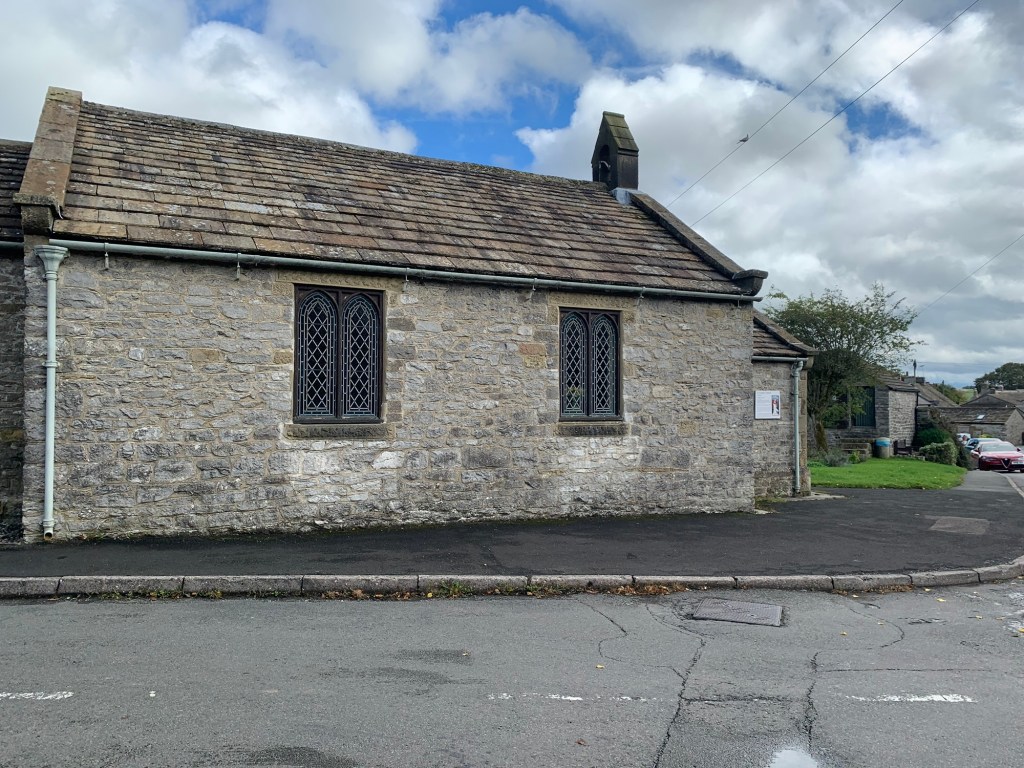
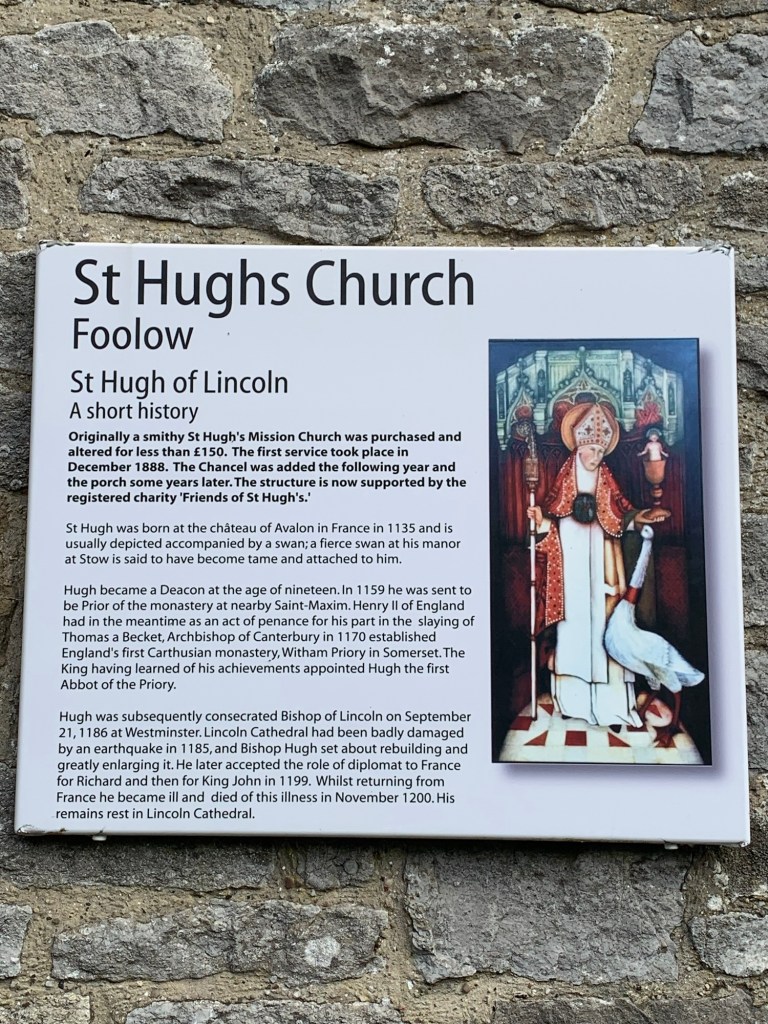
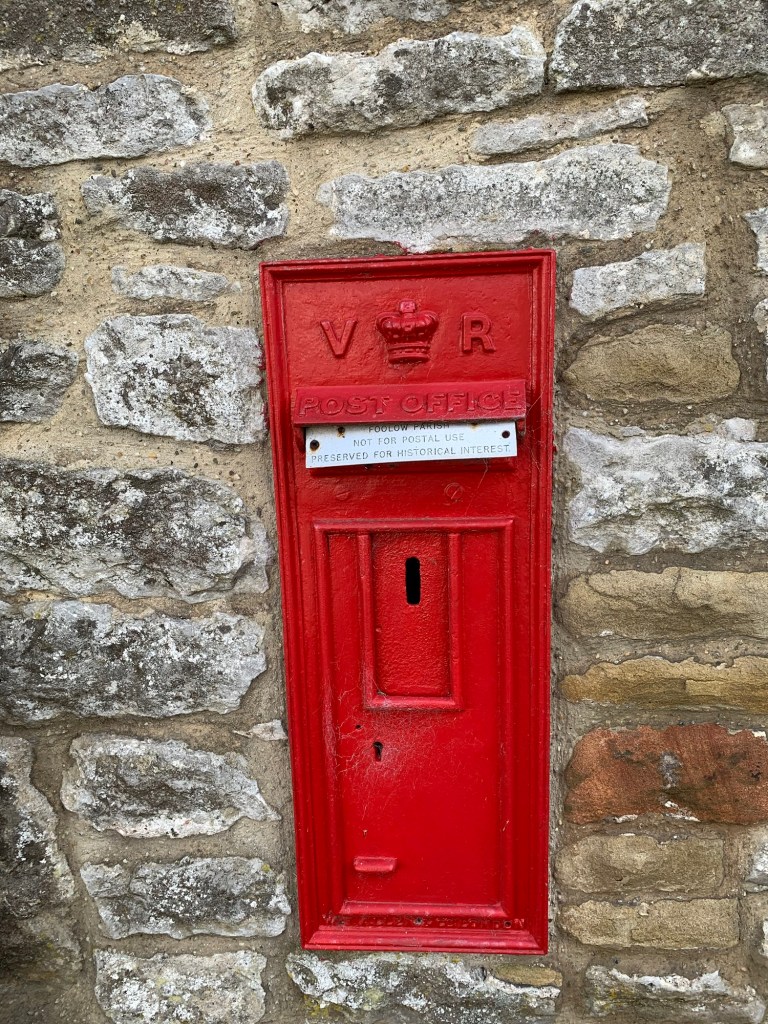
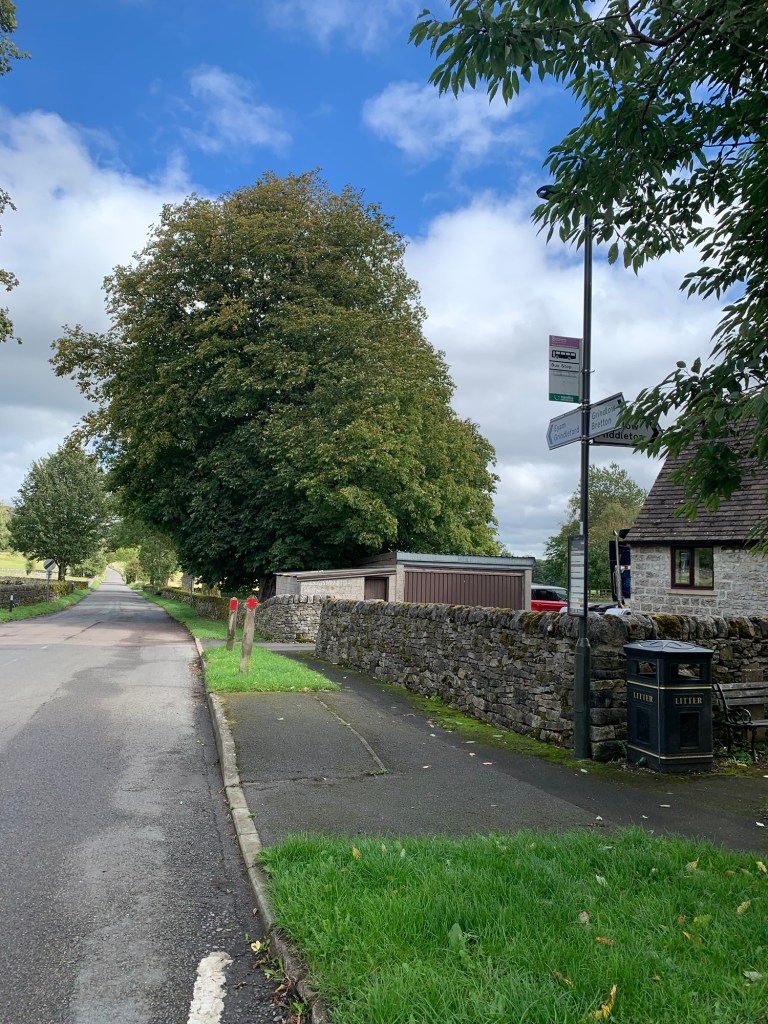
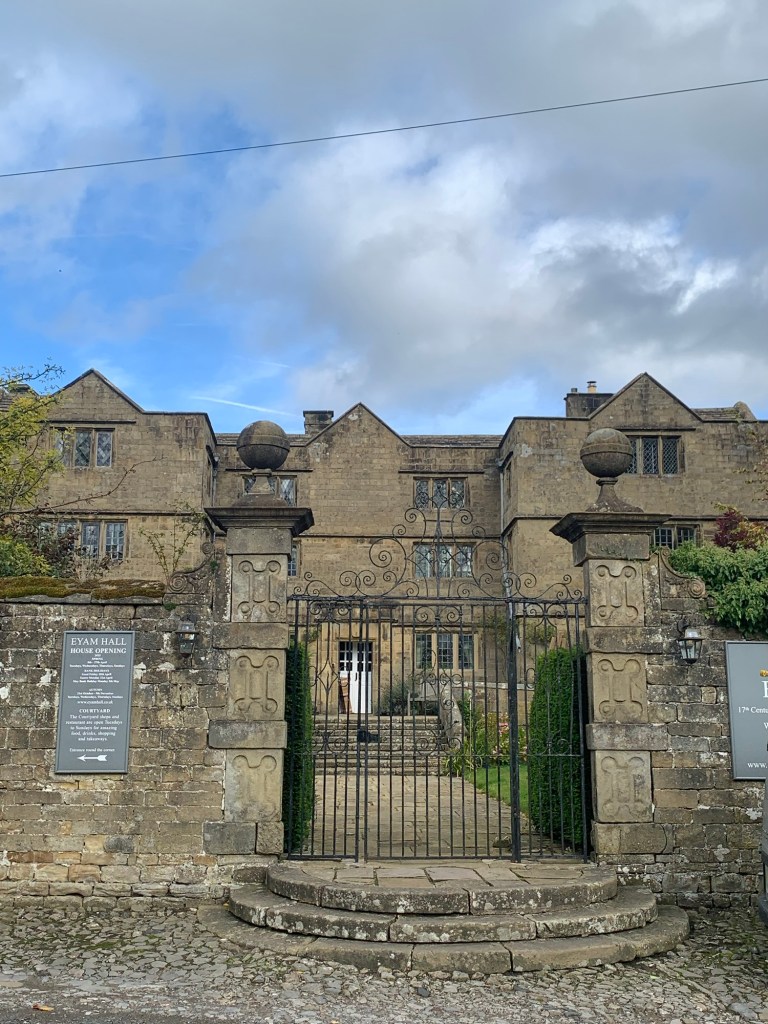
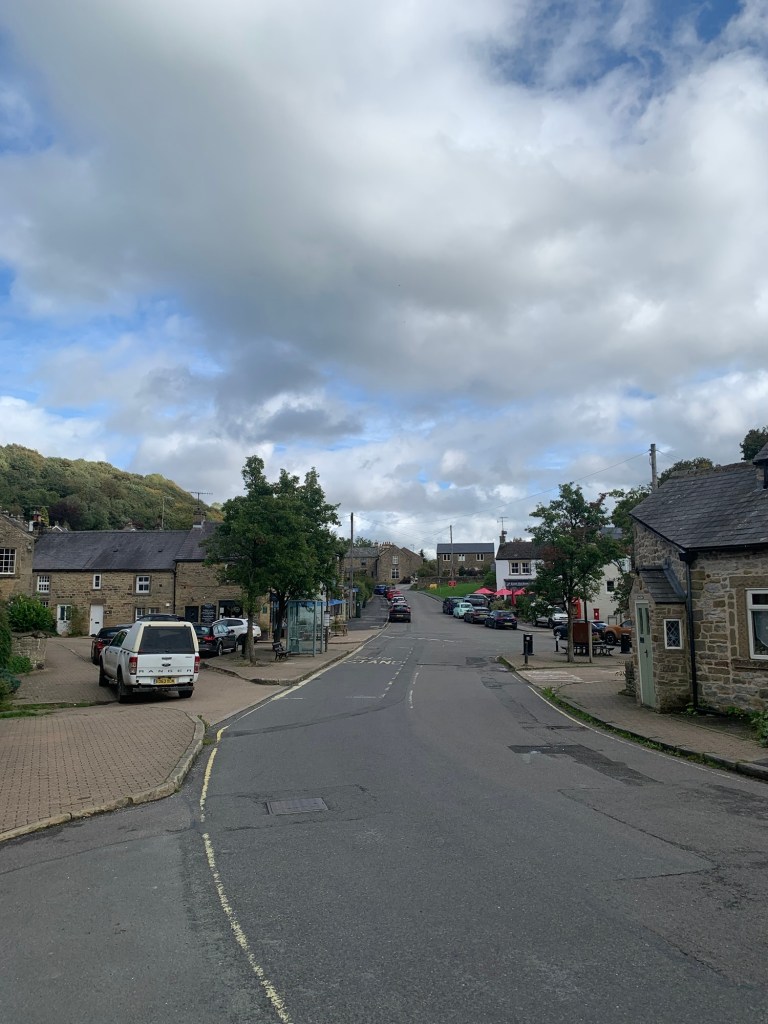
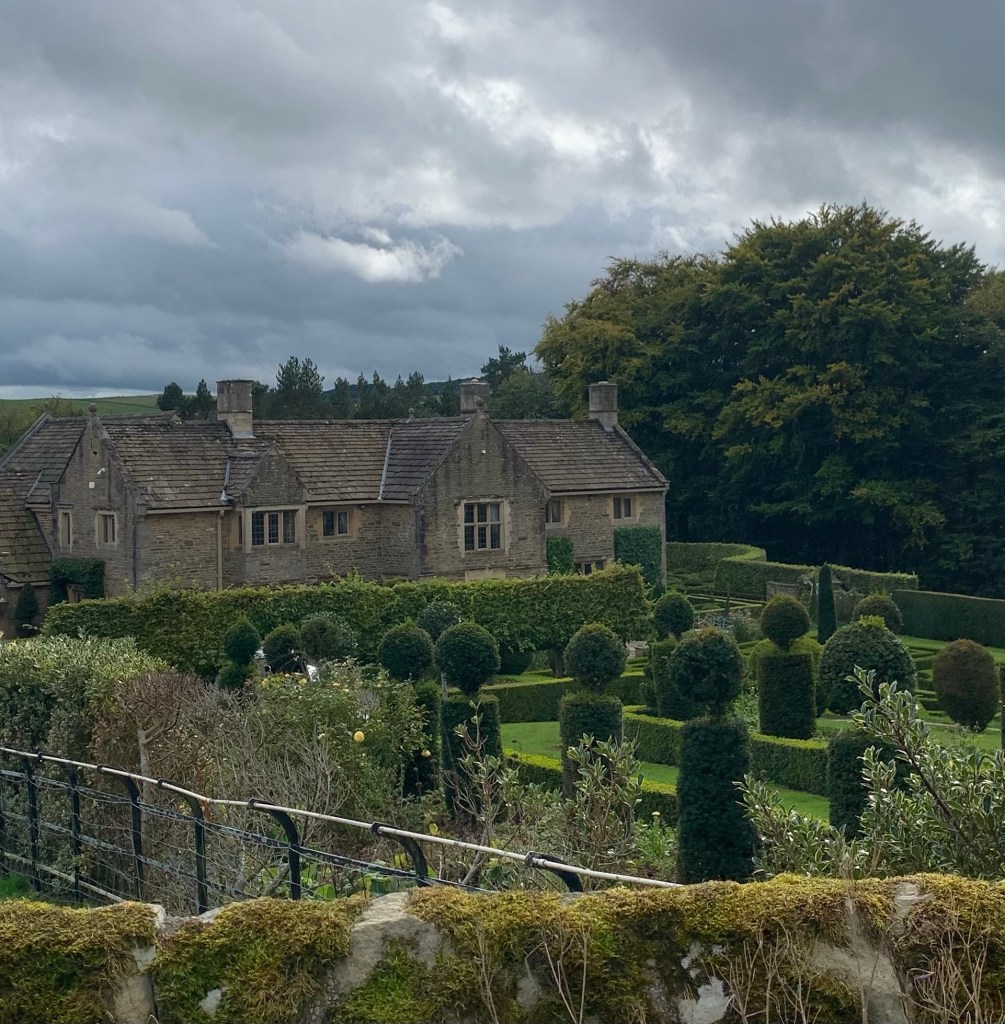
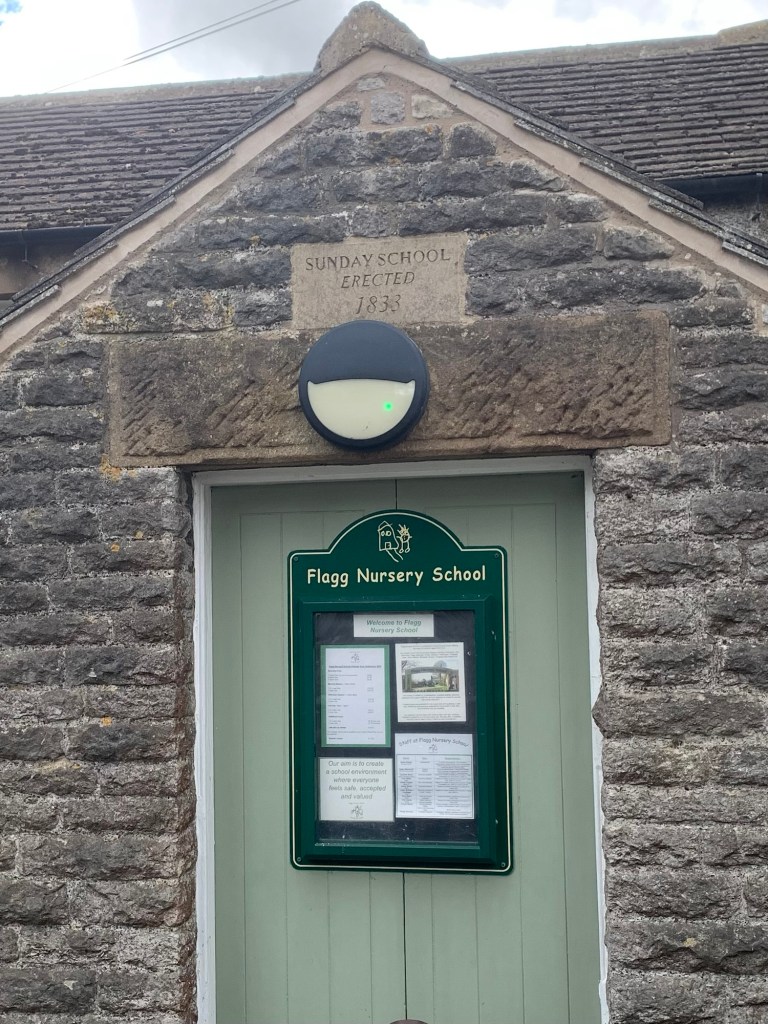
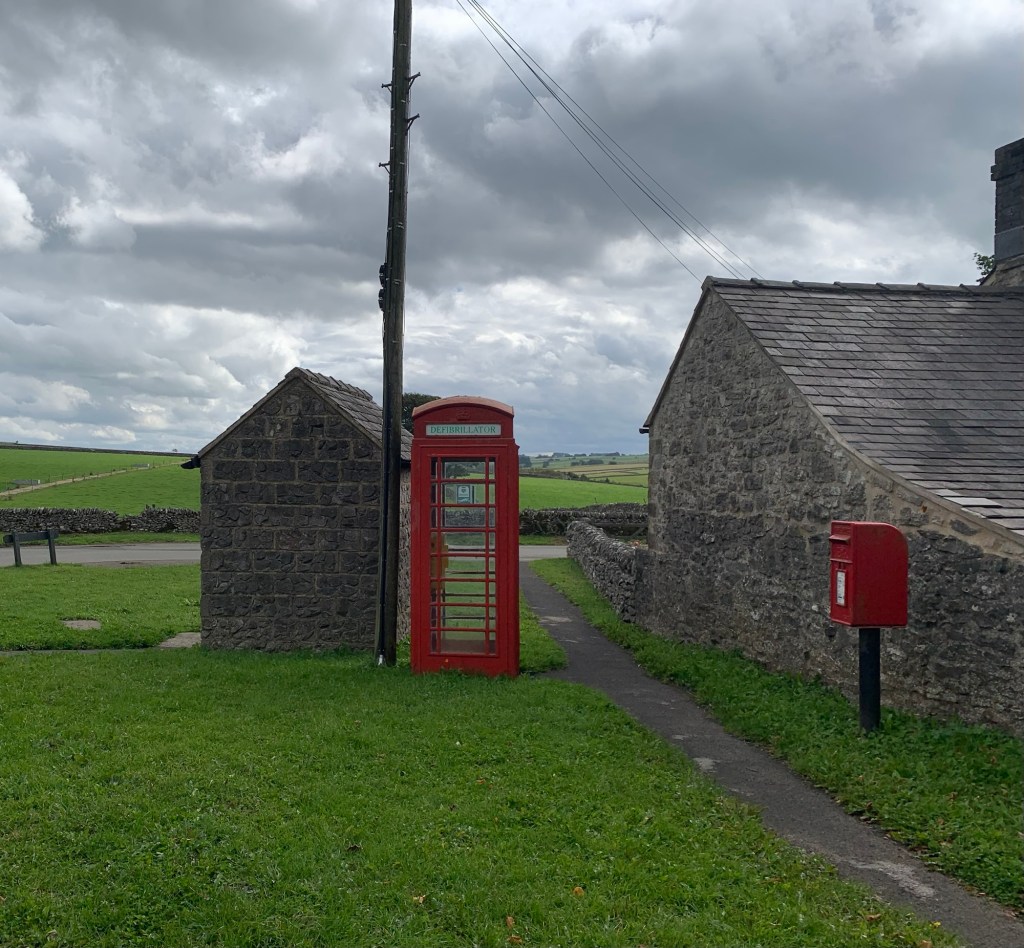
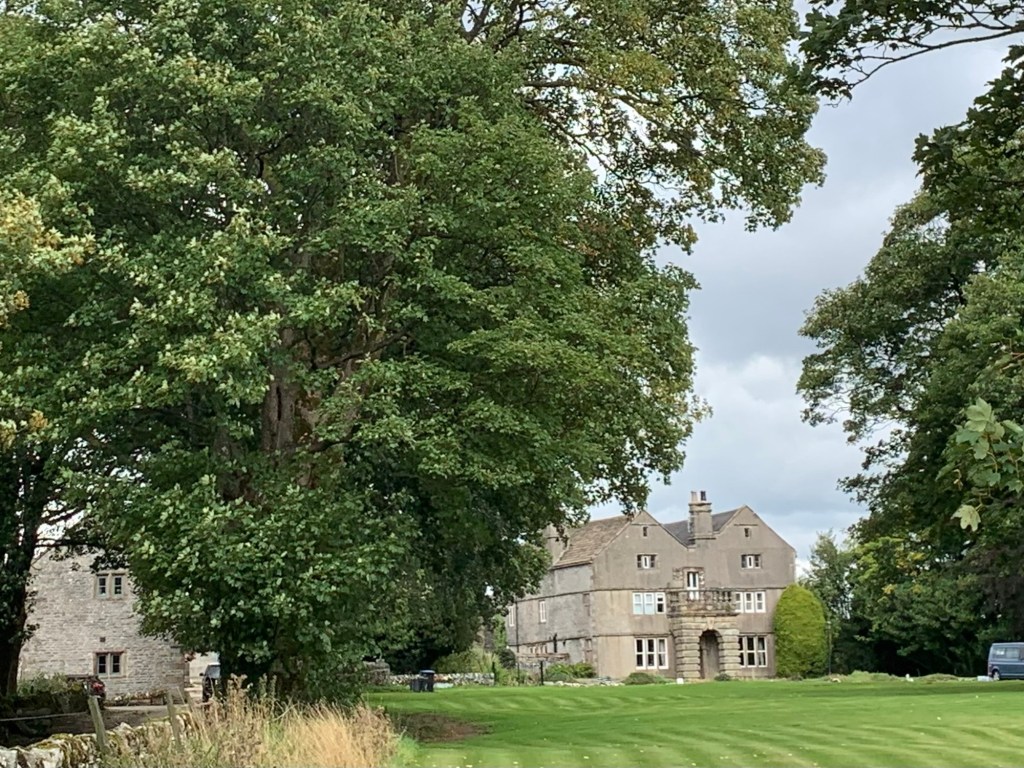
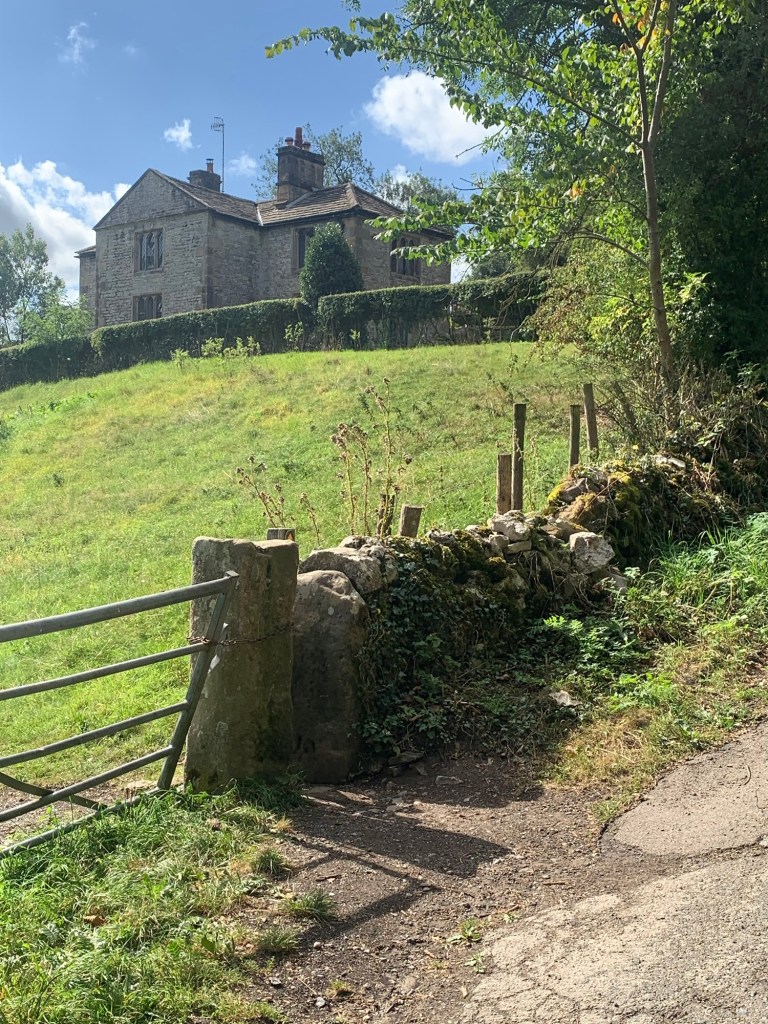
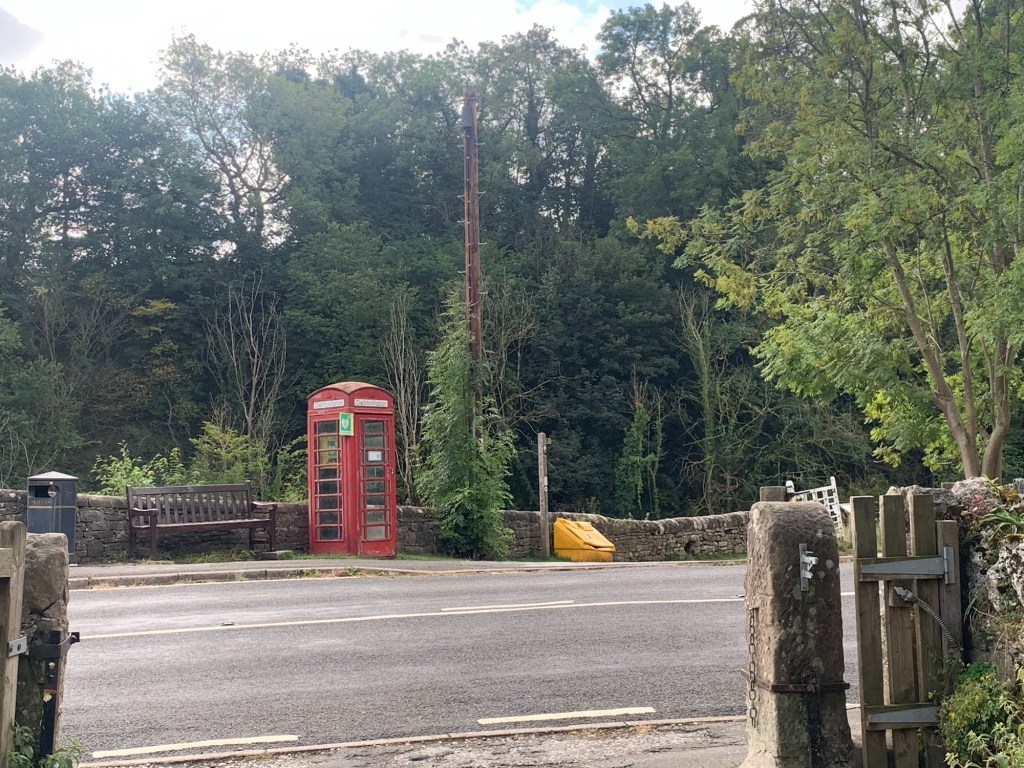
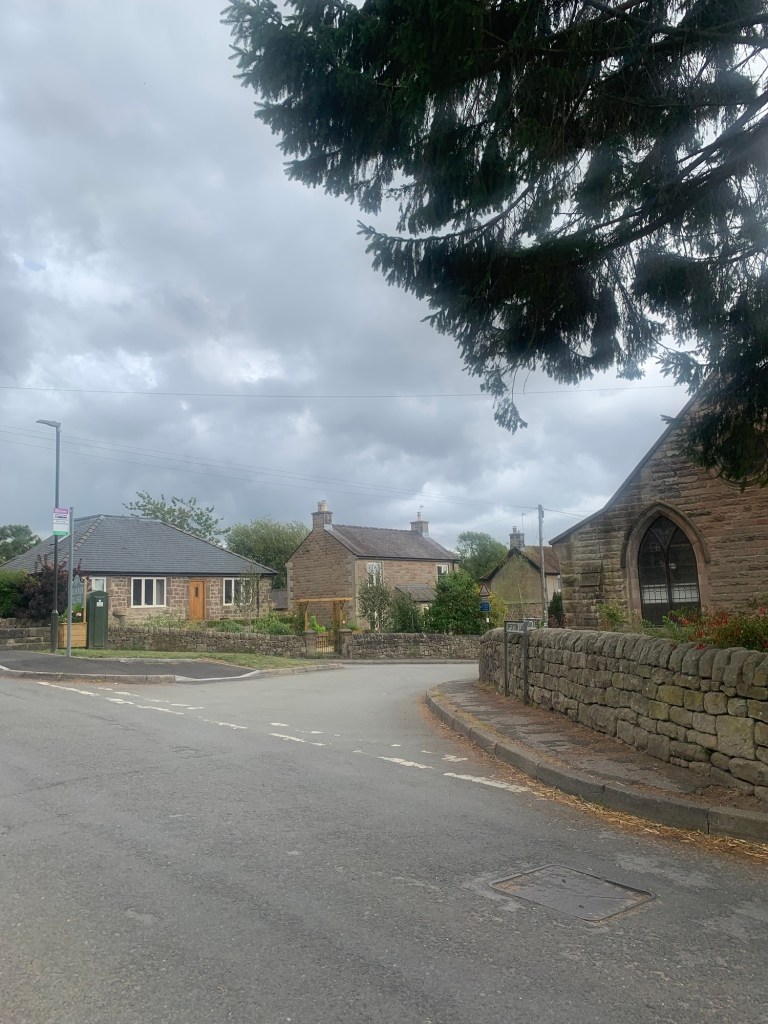
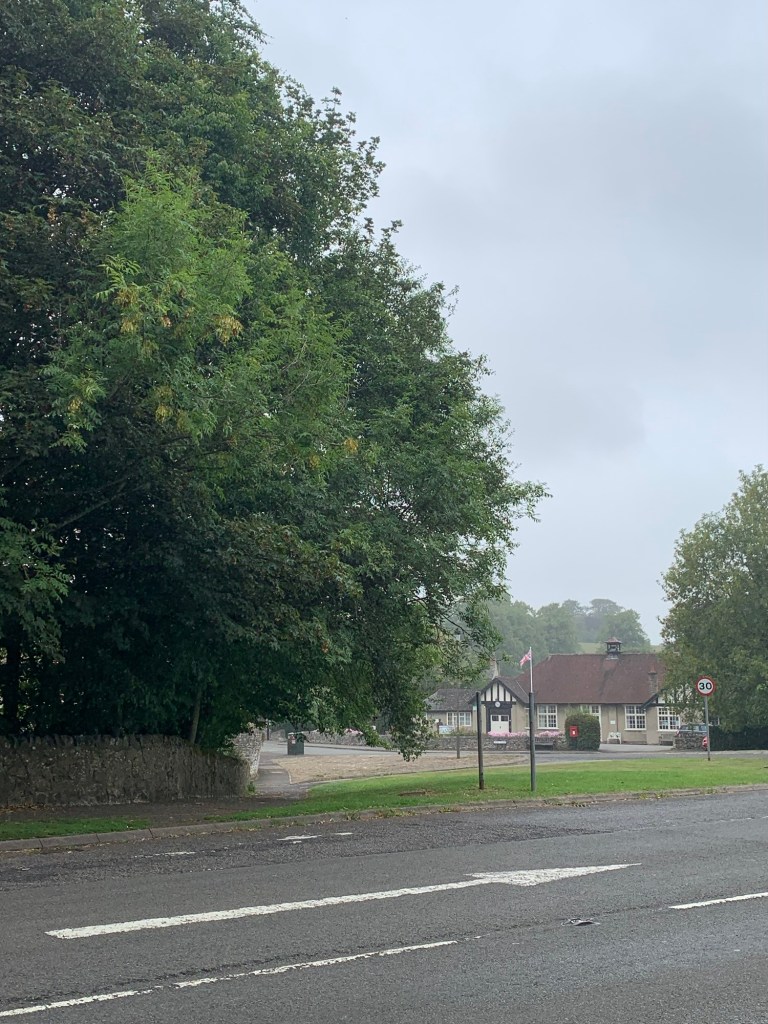
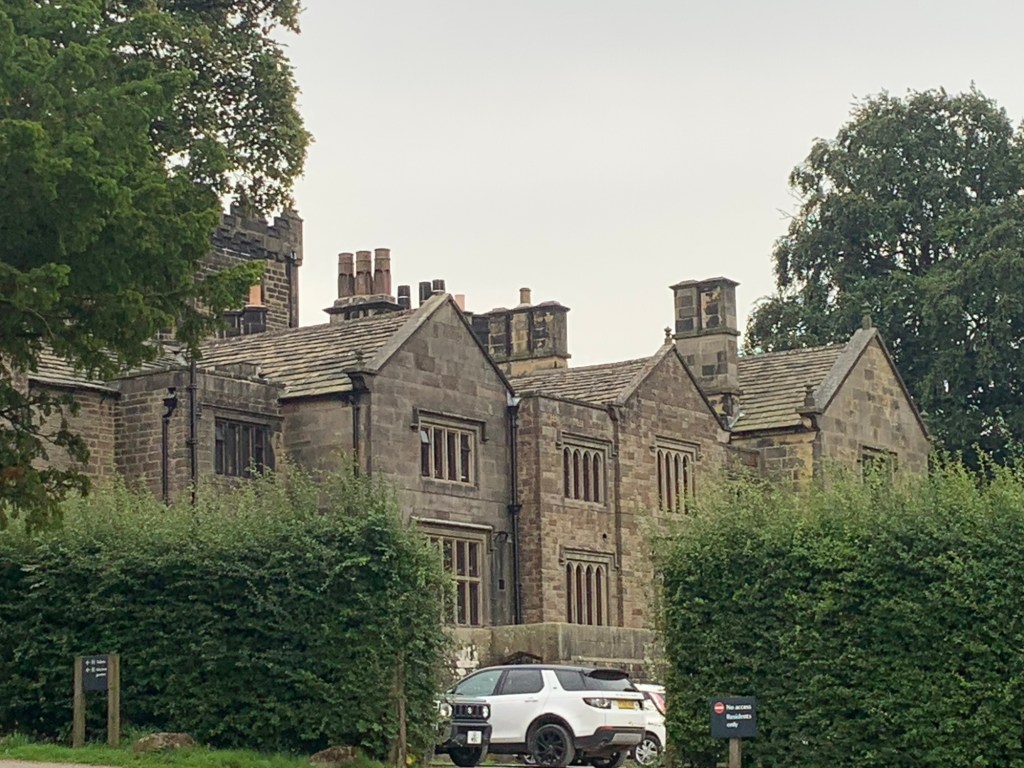
    Then, right at the end of the village, everything happens at once; there is an old school dating from 1833 which is even now still a (nursery) school and buzzing with life and laughter. There is also a chapel, a post box, a phone box defibrillator and a bus stop, not to mention an Elizabethan hall and a campsite. 

    The hall even has a creepy paranormal story if you’re interested.

    https://www.forteanbelper.com/the-skull-of-flagg-hall.html

    So, Flagg came to life for us in the end but 

    we are pressing on as there are no cafes or pubs here nowadays and so we’re looking forward to refuelling at the Old Smithy cafe in Monyash.

    Having turned right past the nursery school onto Mycock Lane, we follow it as it does a right angle left but at the next bend in the road we keep straight on, along the Limestone Way, just to the right of Knotlow Farm and camp site 

    and along the lovely ancient feeling path of Blackwell Lane ( and since we’ve actually come from Blackwell, that works well )

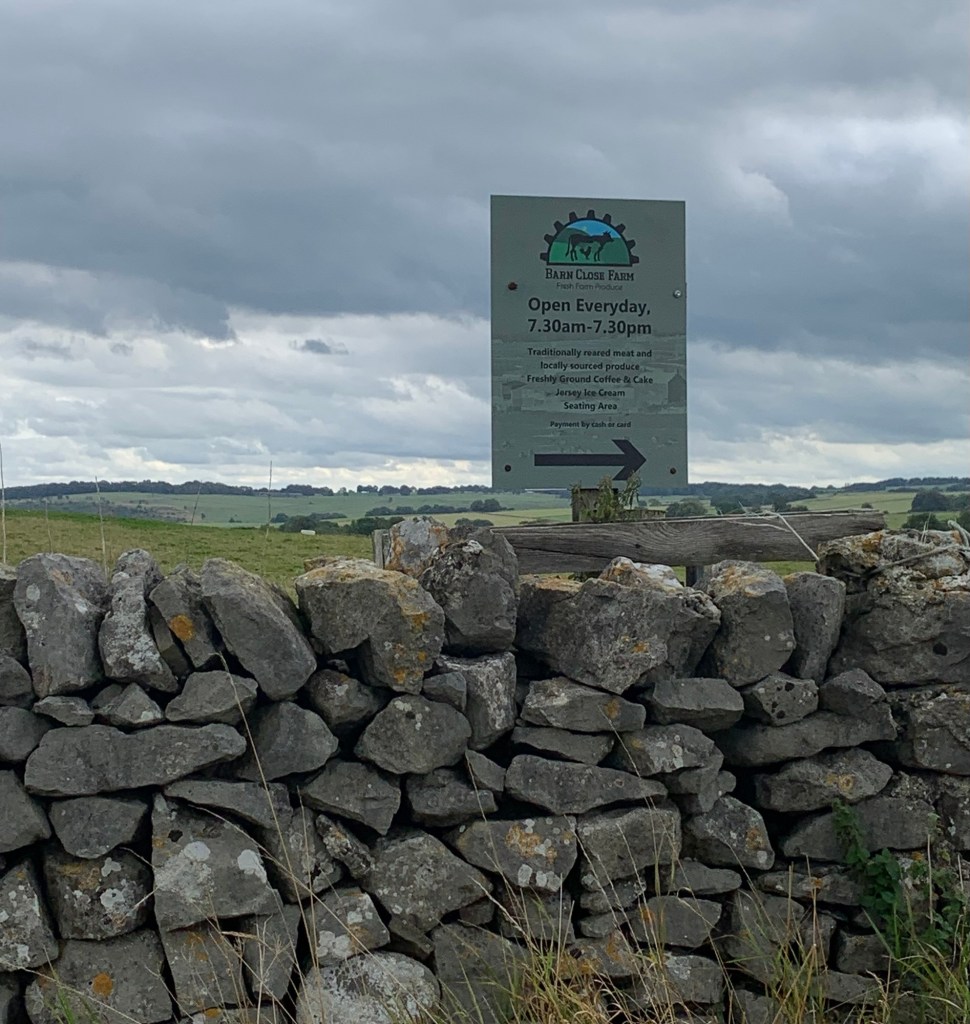
    past a sign with a tempting alternative to the Old Smithy,

    https://monyash.info/local-features/barn-close-farm-shop/

    and into the village of Monyash.

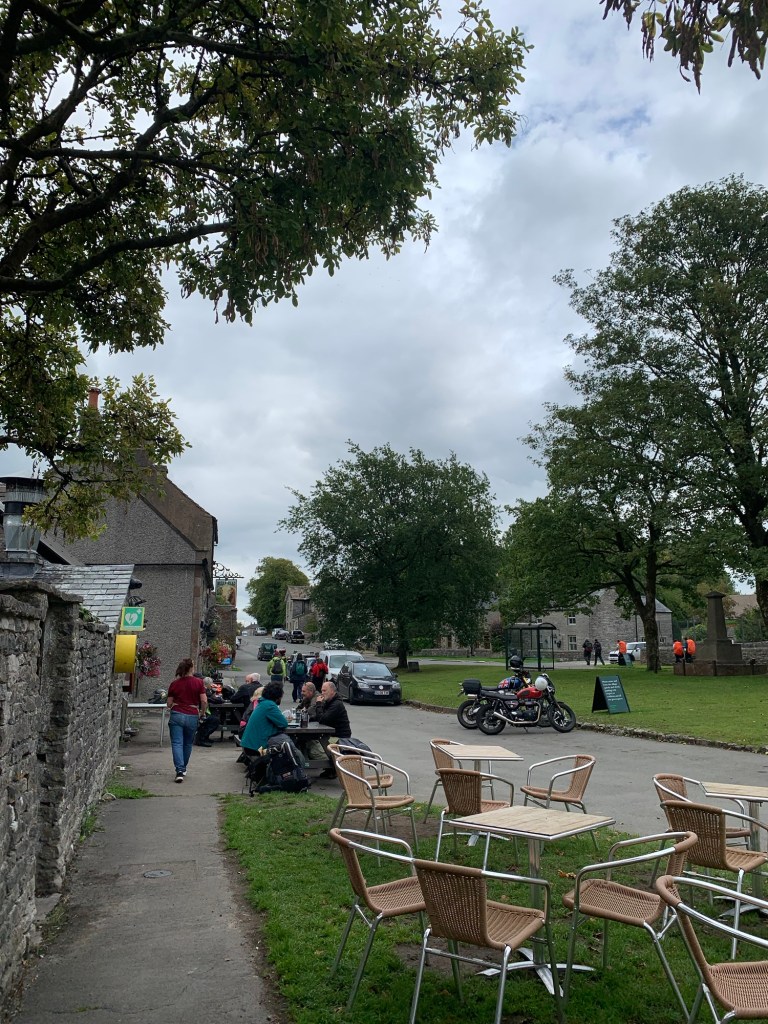
    It’s absolutely buzzing in Monyash after the quiet of Flagg and we’re glad to get a seat inside the cafe as it starts to rain partway through our sandwiches and PINTS OF TEA. (Yes!!!!) Then , just as we have consumed quite enough, we’re practically forced by the weather into prolonging our stay whilst we also eat cake.

    This is a definite favourite place of ours and many other people too, and deservedly so.

    Monyash has a significant history of lead mining, at least since Roman times, and in its heyday, held its own Barmote Court here, meeting to oversee all aspects of the lead mining industry, collecting royalties settling disputes and so on.

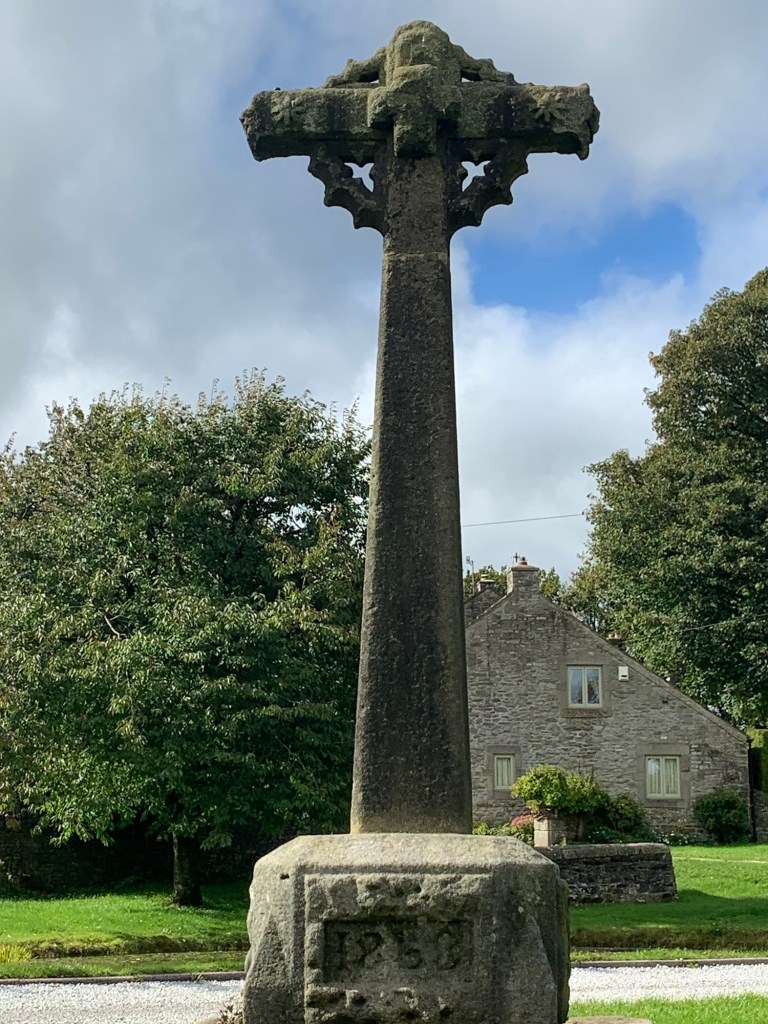
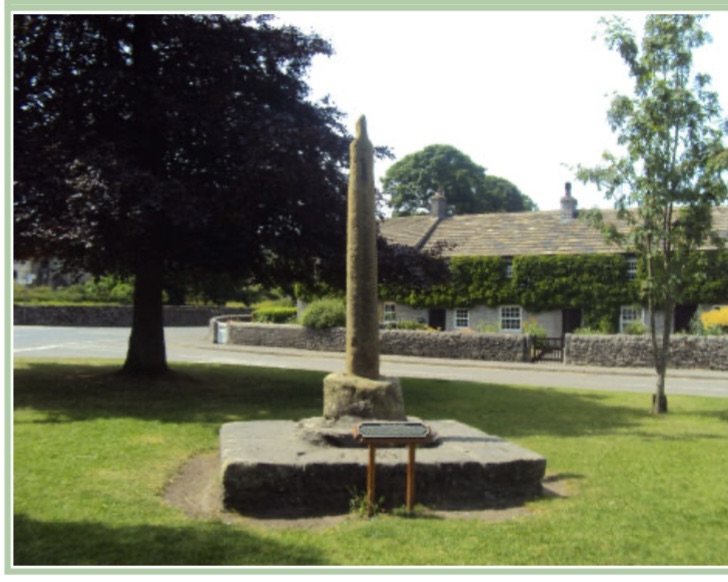
    From the 14th century Monyash also had its own market and the market cross still stands on the village green.

    Along the road behind the school, (where we’re not going today), there is also a pond or “mere”, the only remaining one of the five which originally gave the village its name, back in the time of the Domesday Book; “Maneis” meaning “many waters.” For more info on Monyash and several photos see:

    http://www.cheshirenow.co.uk/monyash.html

    Well our break is over and so is the rain, for a while at least so we say goodbye for now to the cafe and heading past the Bull pub, we

    walk along the Main Street with the church almost hidden by trees on the other side of the road. Continuing through the village past Lathkill Dale Campsite we continue along the B5055 up the hill until we spot the finger post pointing out our next footpath over the fields towards Haddon Grove Farm. 

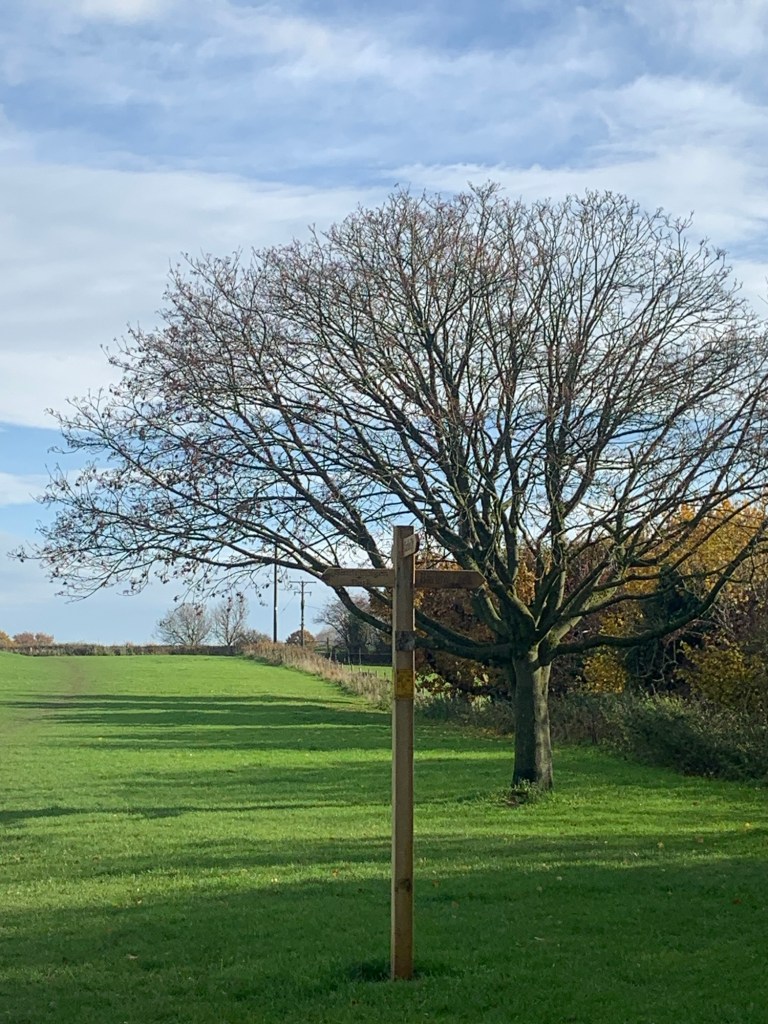
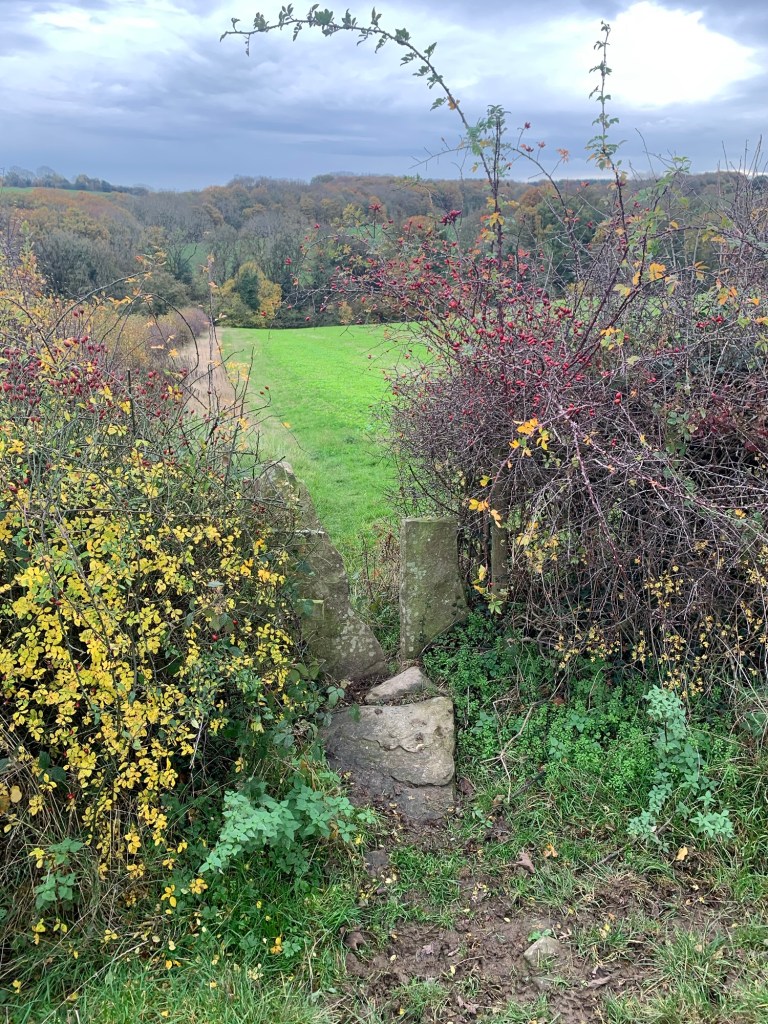
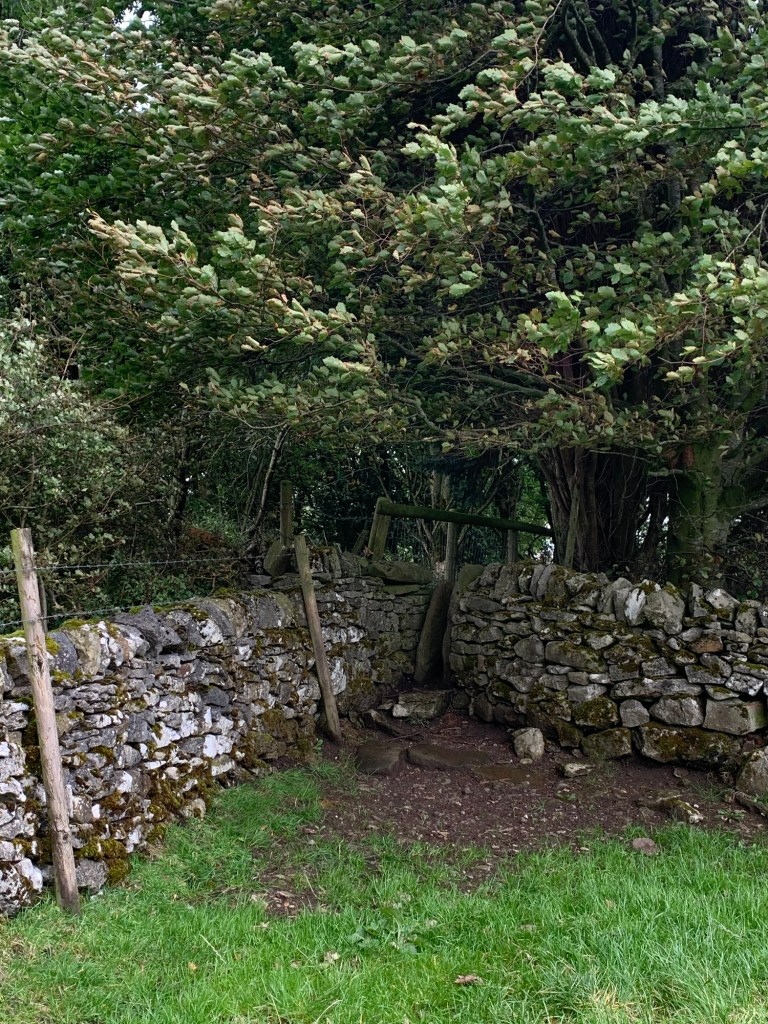
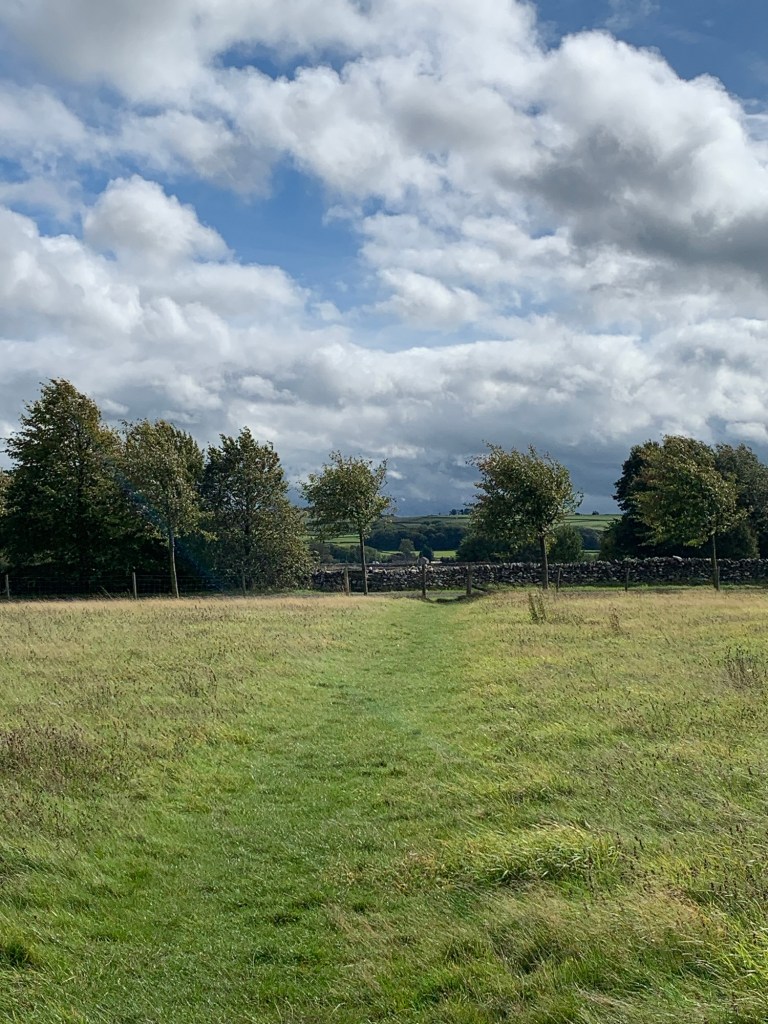
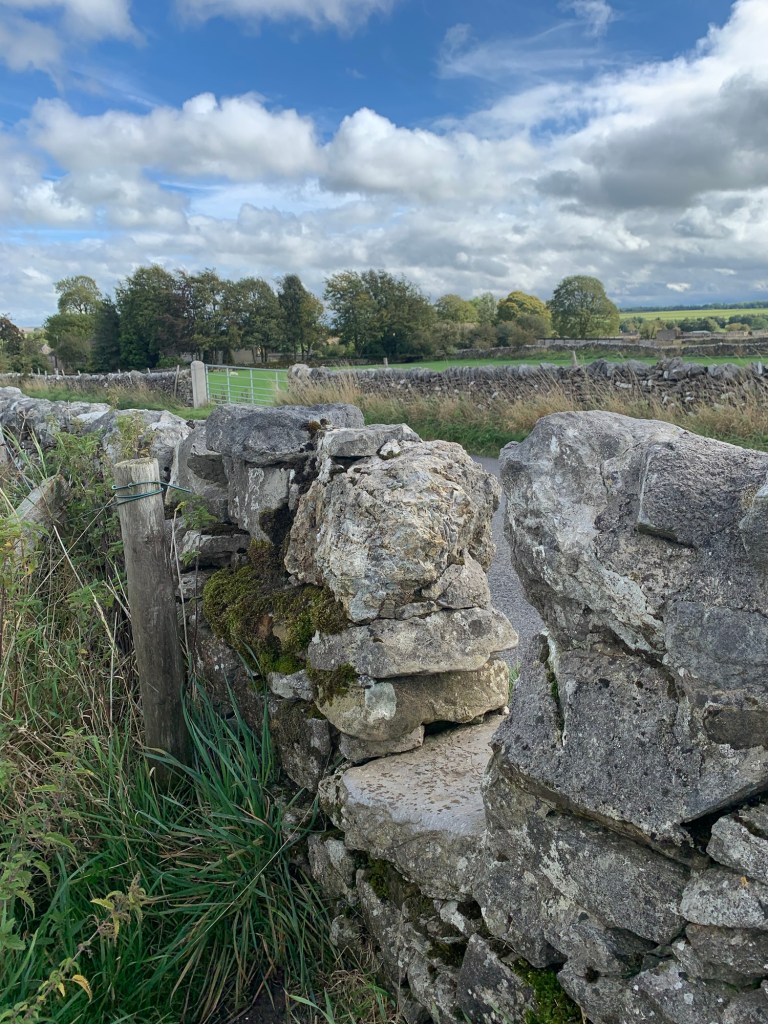
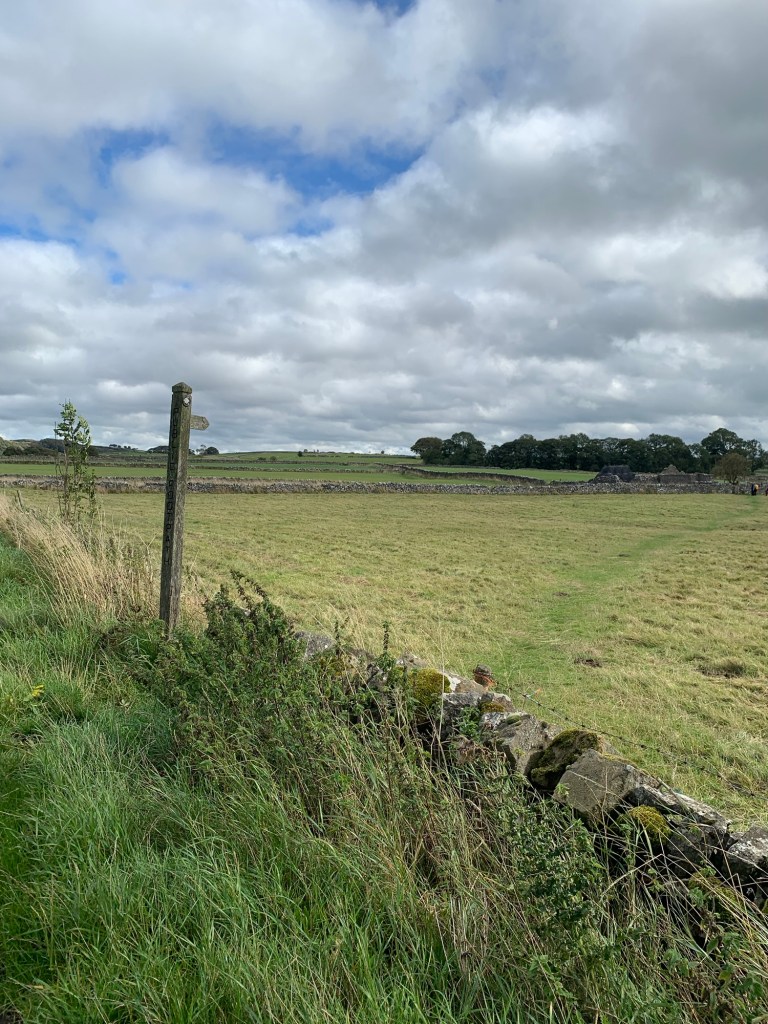
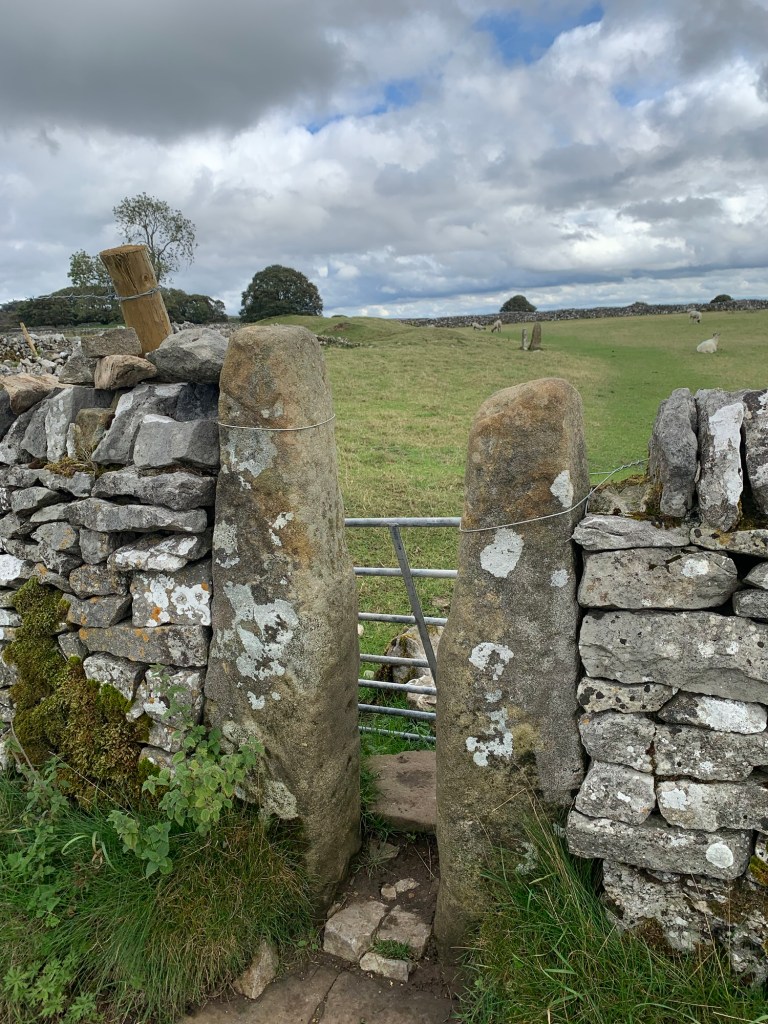
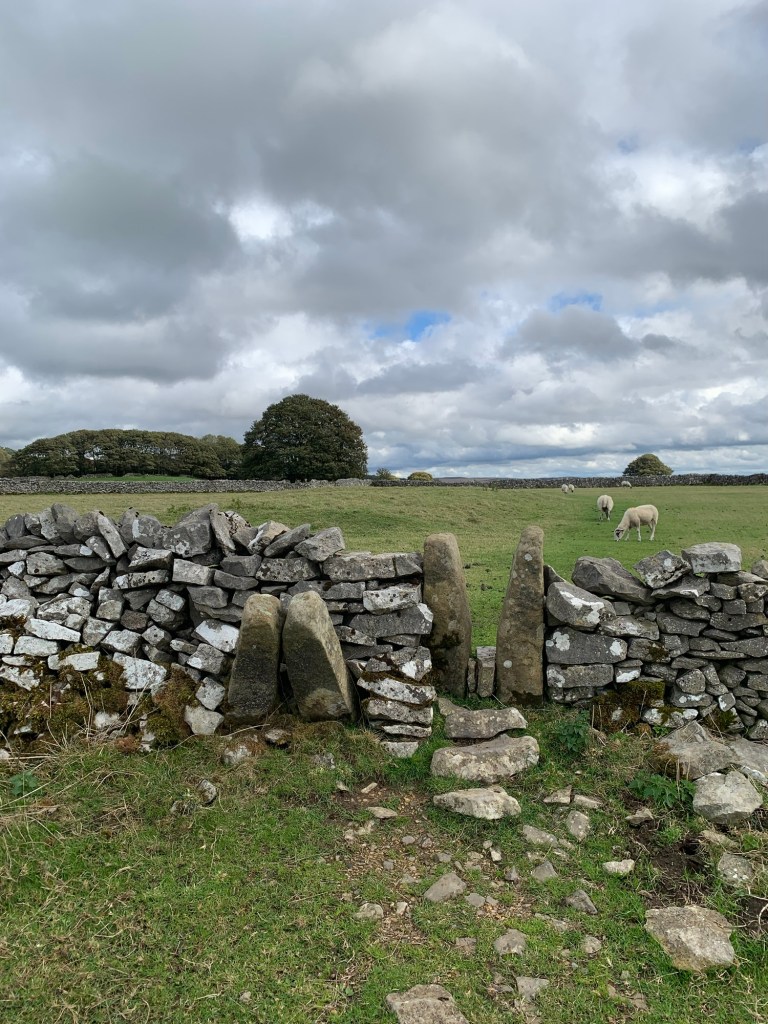
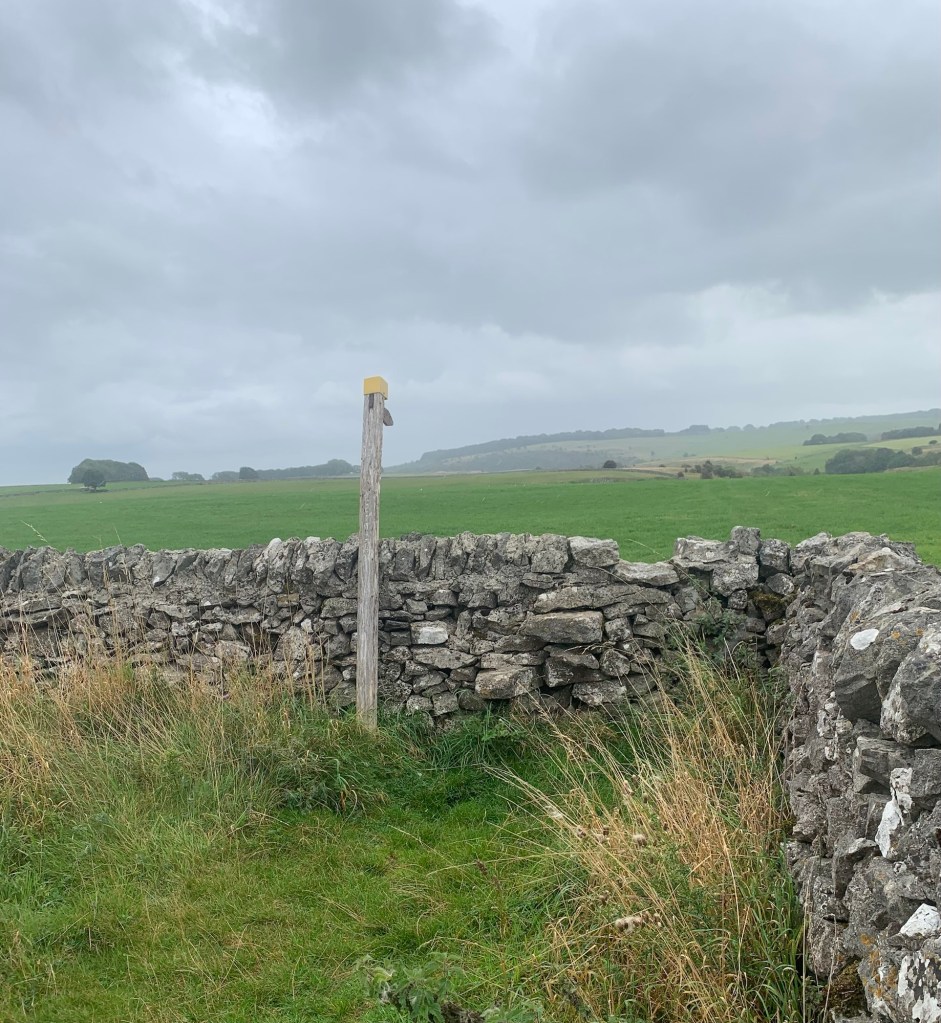
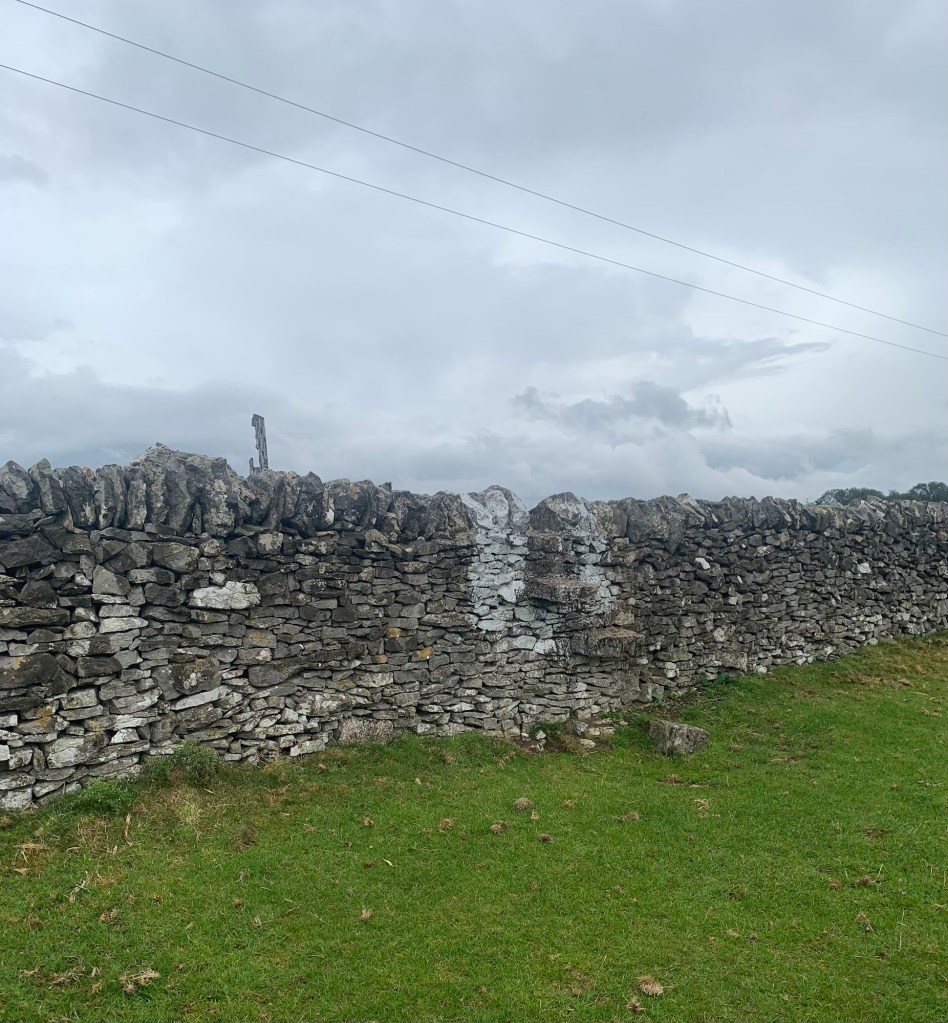
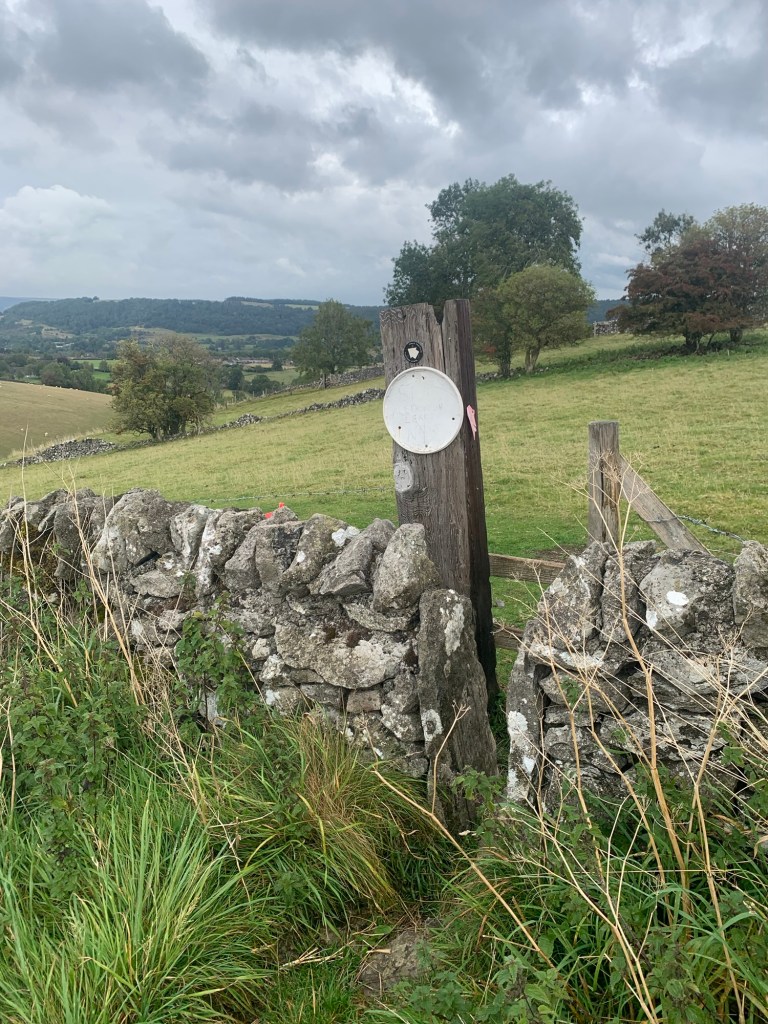
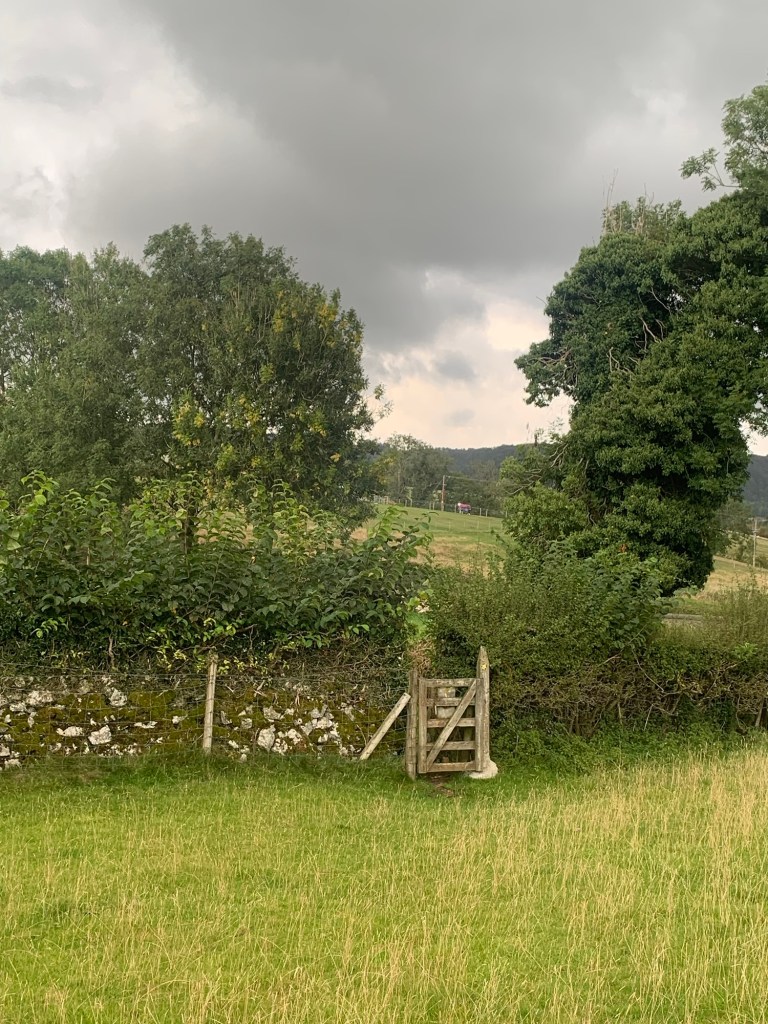
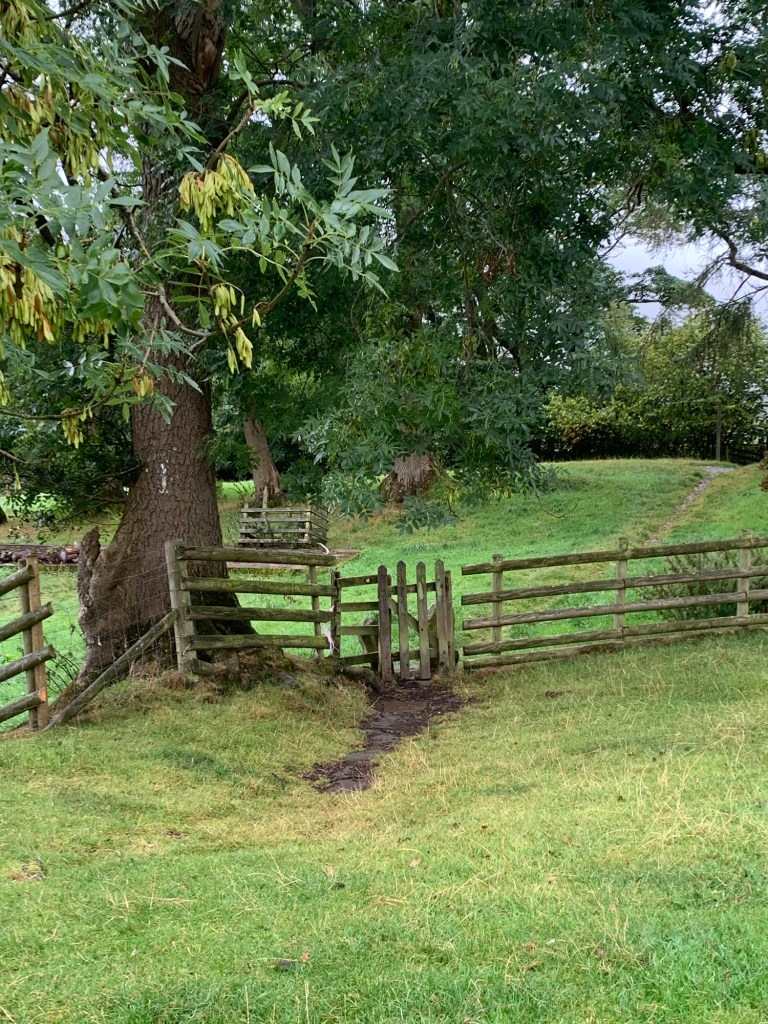
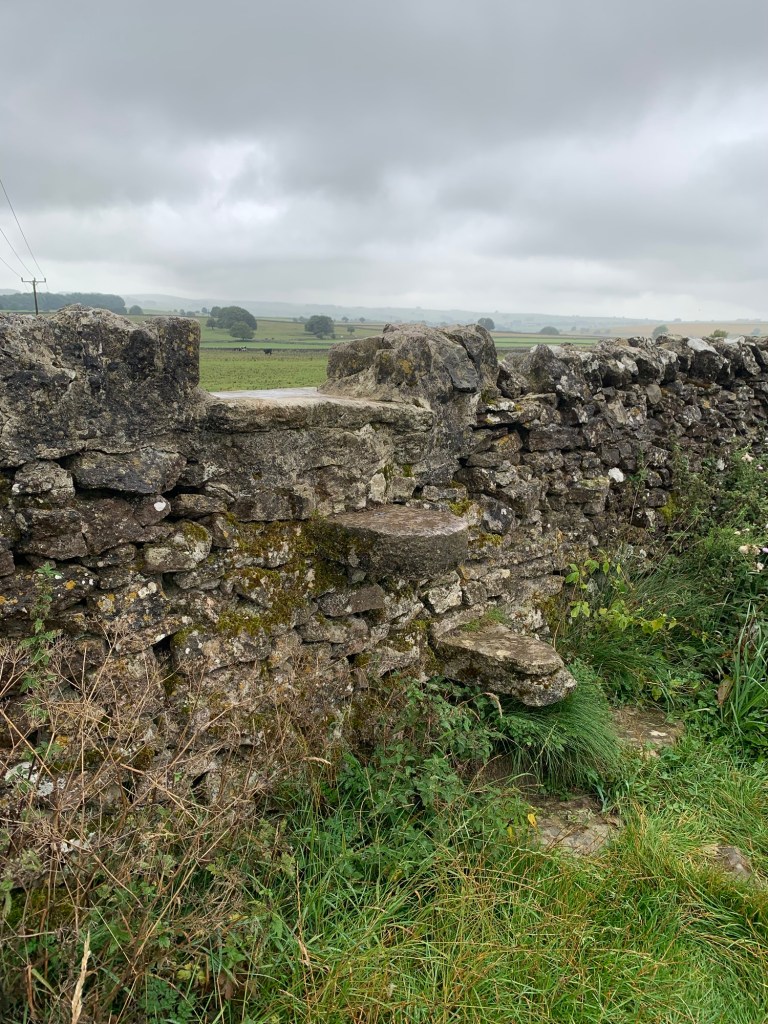
    Unlike the footpath into Flagg, this footpath is a treat. It’s not particularly well defined but it’s always possible to spot the next stile across the next field, the farmer has even painted the wall around some of the stiles white to help people spot the way.

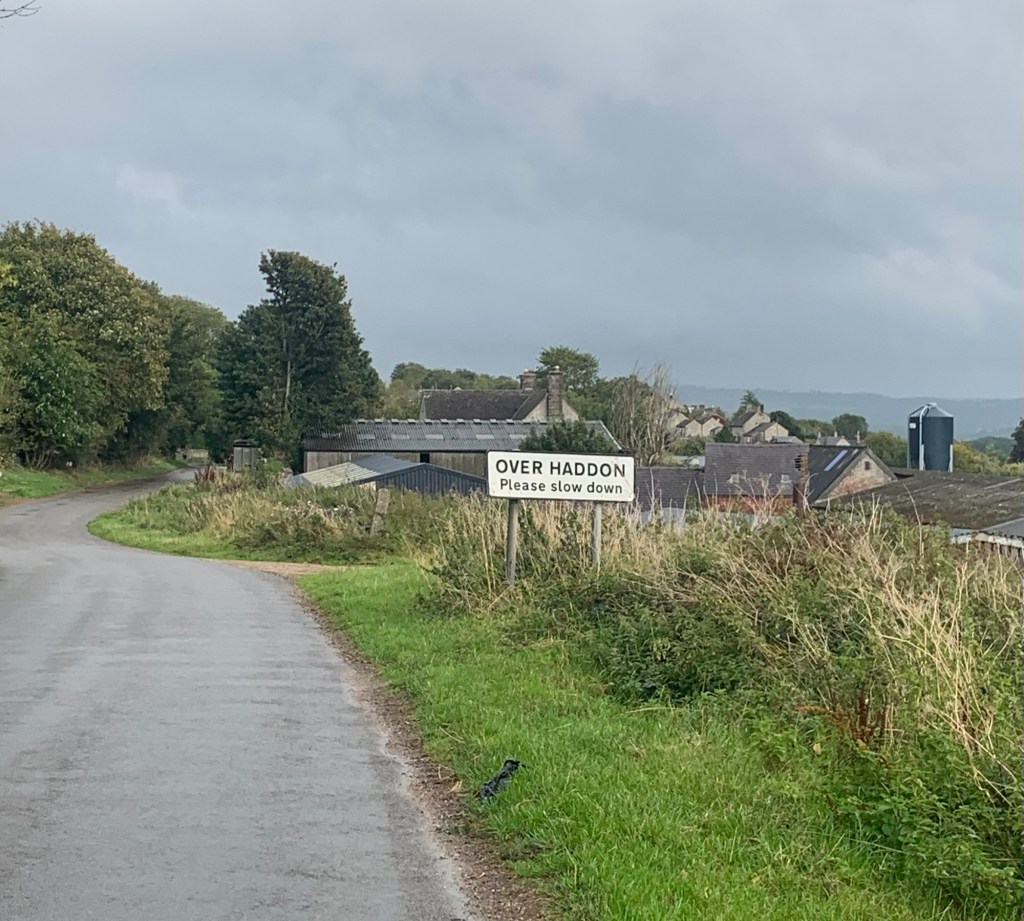
    At Haddon Grove Farm we join the lane which we follow into Over Haddon

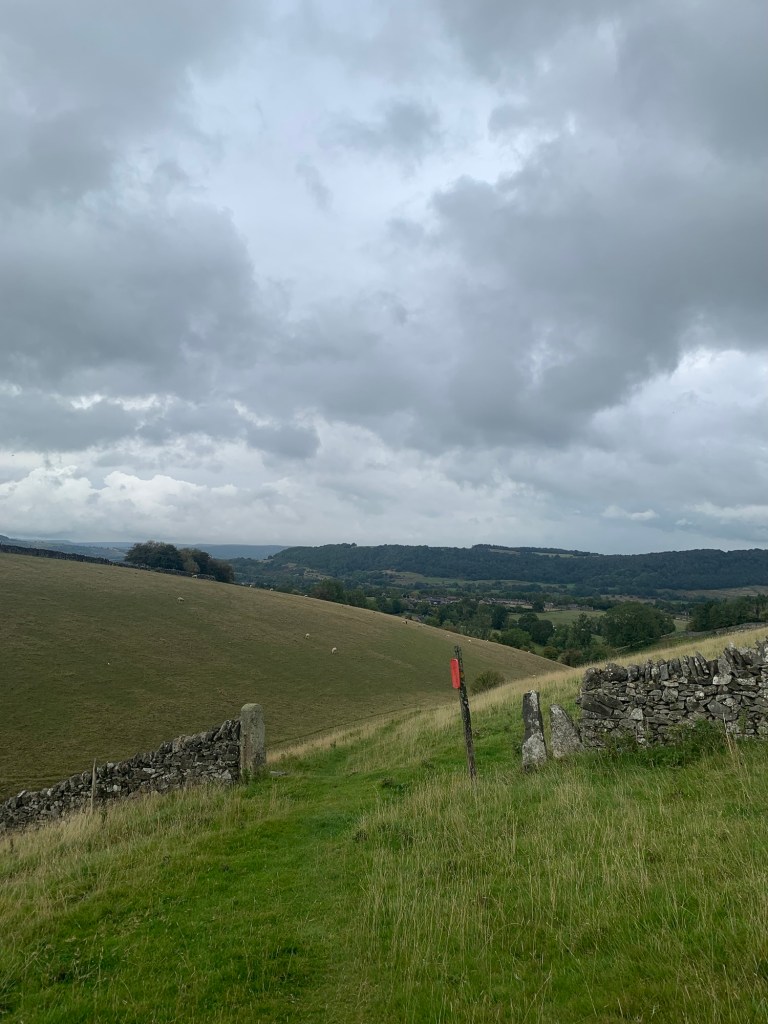
    and despite a return of the rain we still enjoy some good views across the valley.

    We walk almost all the way through the village but not as far as The Lathkill Hotel 

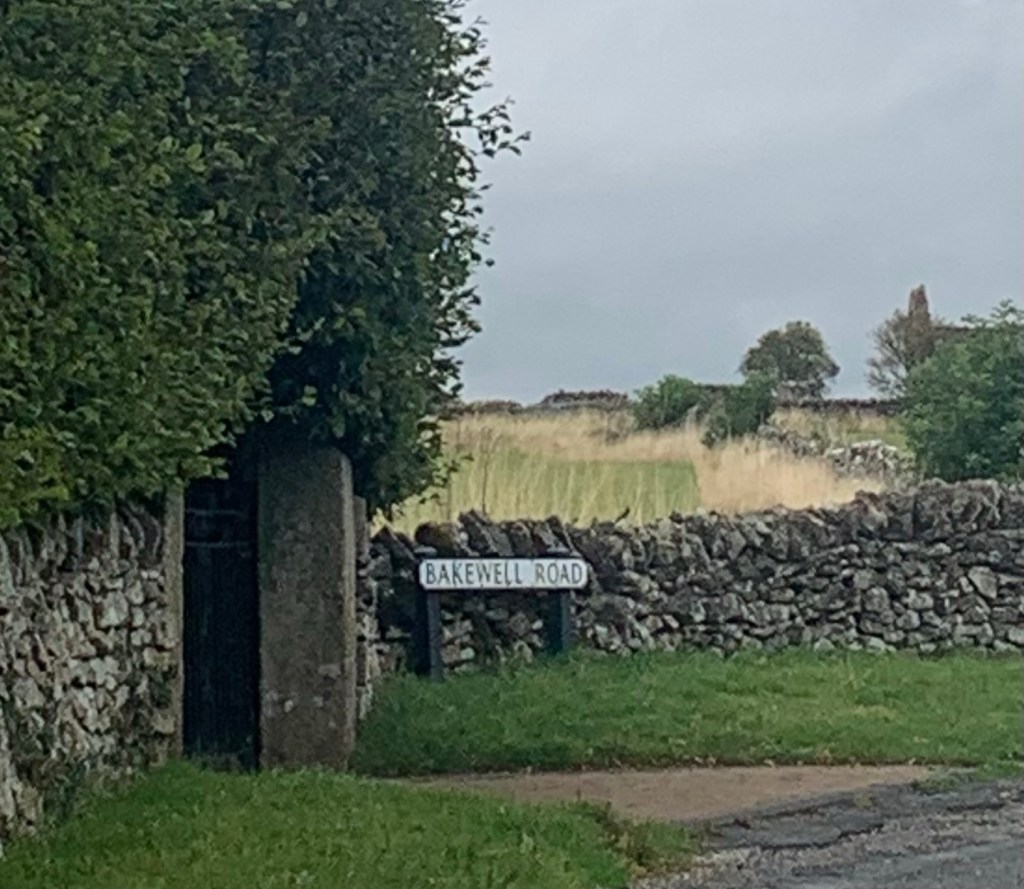
    ( we’ll definitely be back another day) and turn left along Bakewell Road 

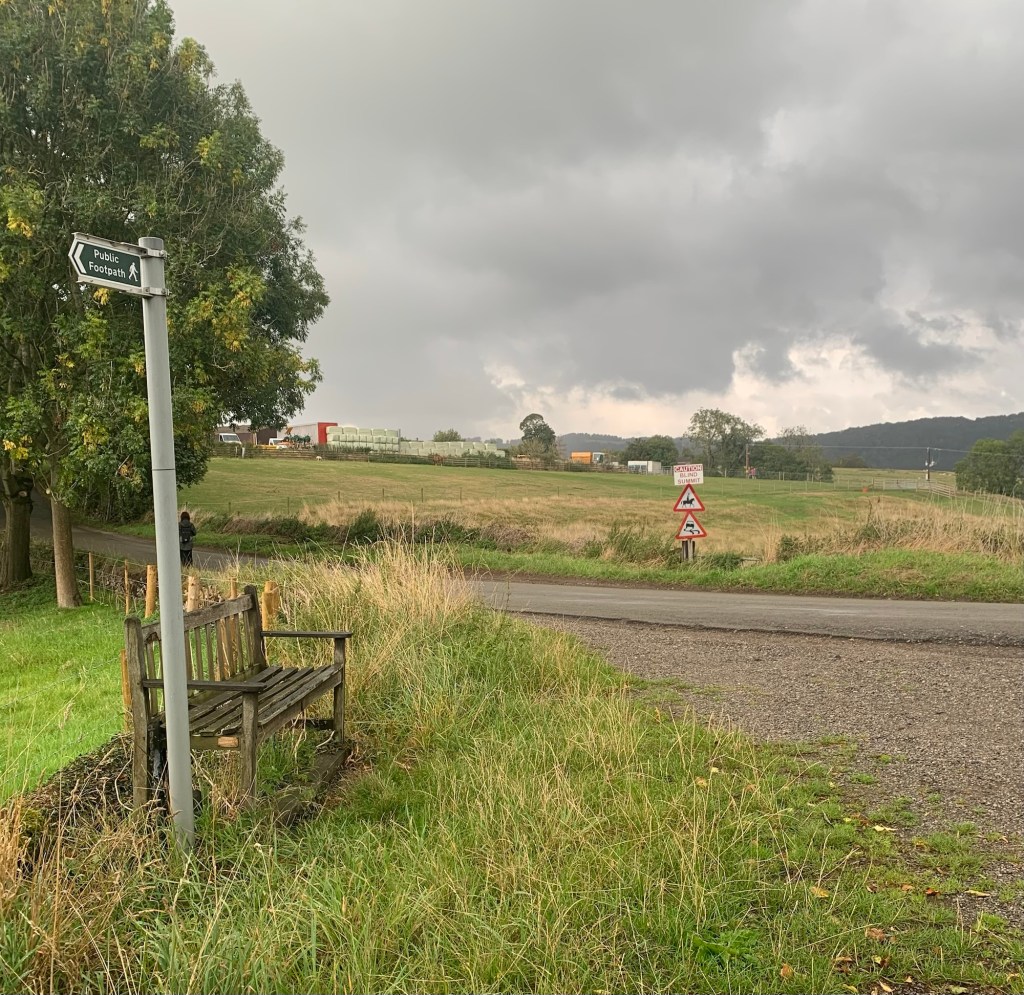
    until we reach the footpath sign pointing straight ahead as the road bends left.

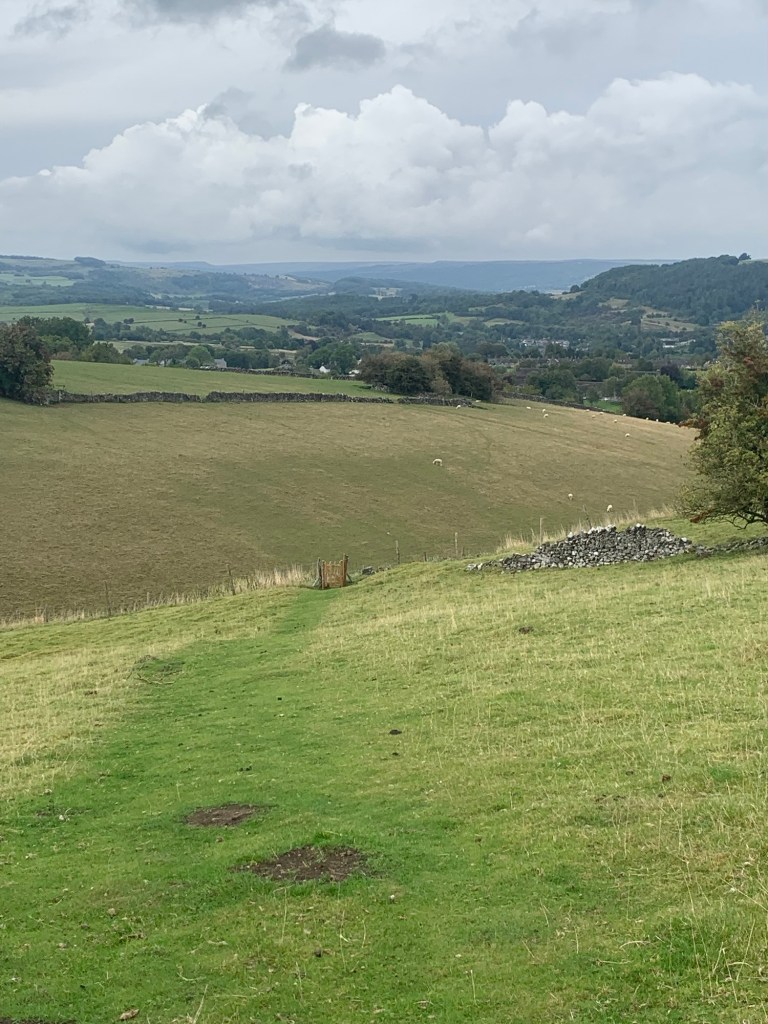
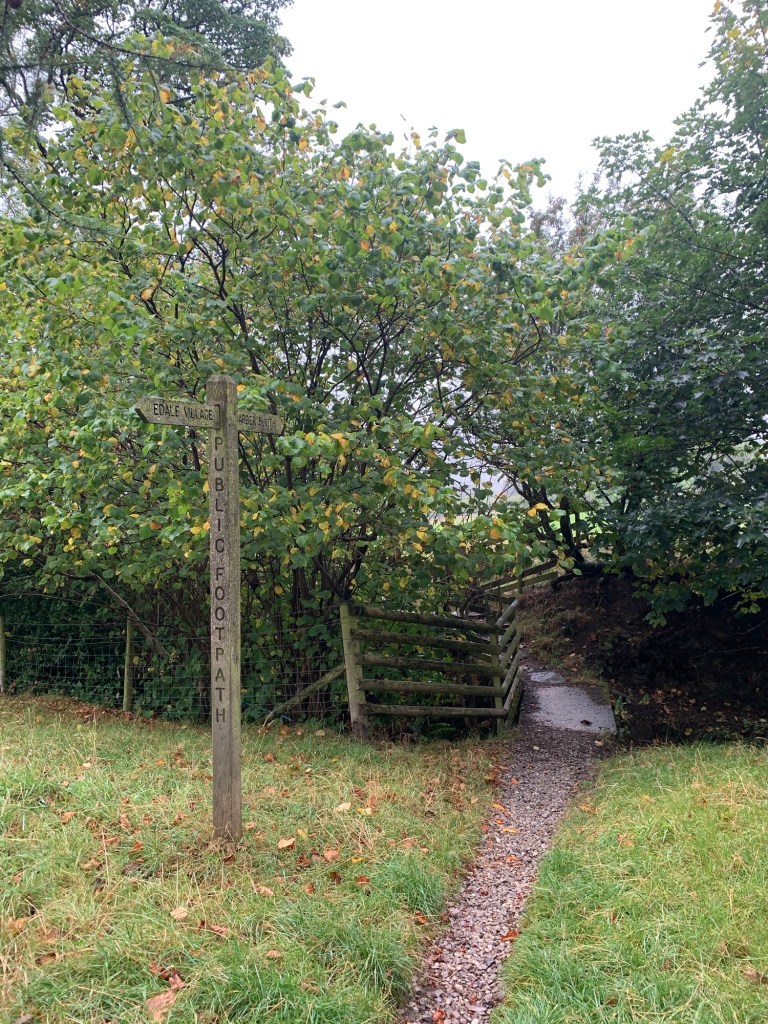
    This path is absolutely lovely; the perfect path! It’s defined enough to easily see the way, the stiles are all in perfect order and the views of Bakewell getting ever closer with distant views of the Derwent Valley behind make this a perfect end to a great day’s walk.

    As the path emerges onto the road we turn left and in no time at all we have a pavement to walk along. 

    The road bears around to the right and we complete our descent into the town by heading down Butts Road, a lovely way into the town.

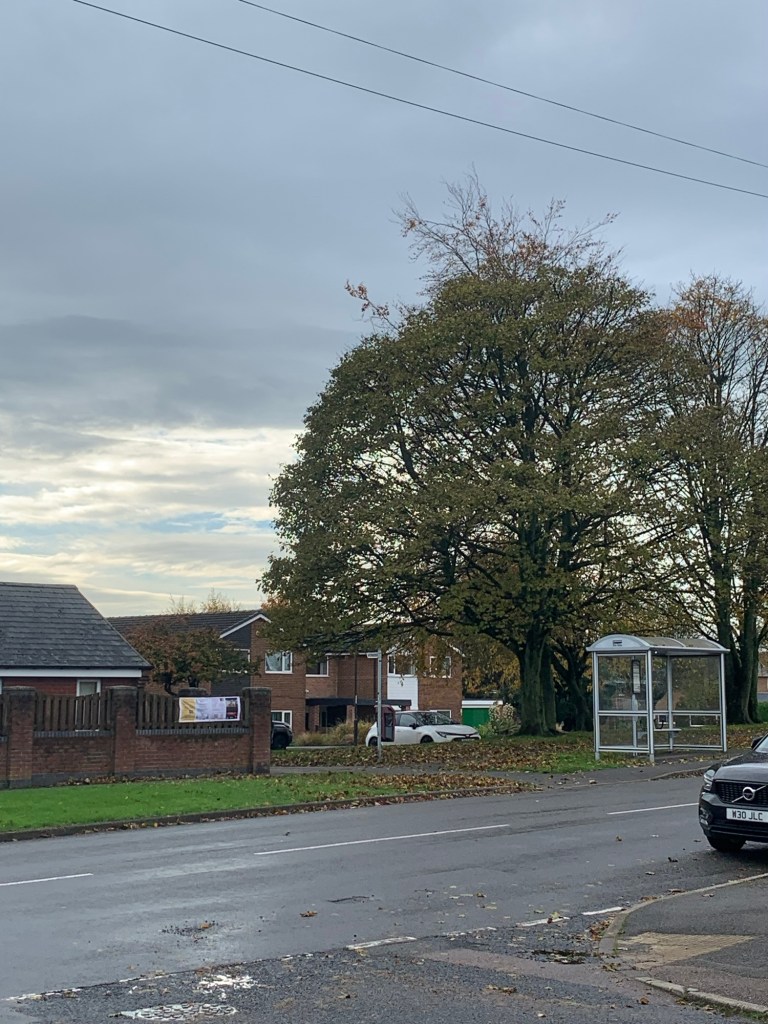
    With the newly installed bus times display at the bus shelter we benefit from real live bus times and are able to have a relaxing half in the pub ( hiding from another rain shower) before arriving at the bus stop in perfect time to catch the delayed 218 back to the city of Sheff.

    A thoroughly enjoyable walk.

    F IS FOR FLAGG

    TRANSPORT 

    65 Bus out to Millers Dale

    218/257 Bus back from Bakewell

    PUBS/CAFES

    Refreshment Room, Millers Dale

    Daisies Cafe, Blackwell village

    The Old Smithy, Monyash

    Barn Close Farm shop, near Monyash

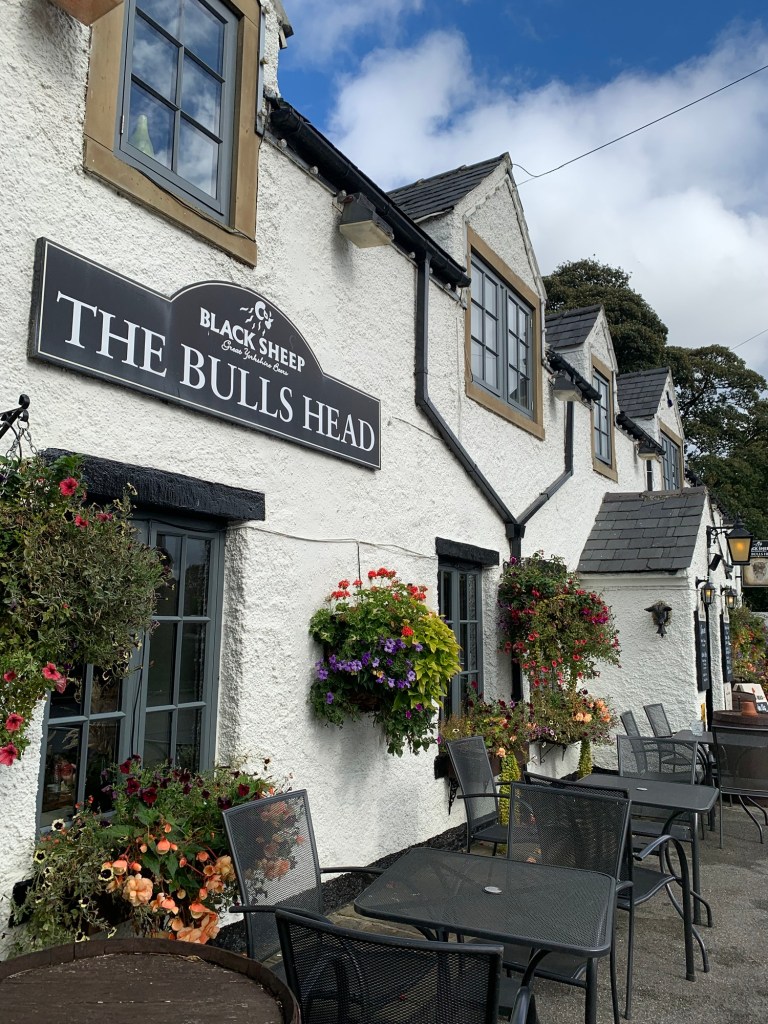
    The Bulls Head, Monyash

    The Lathkill Hotel, Over Haddon

    HOW FAR?

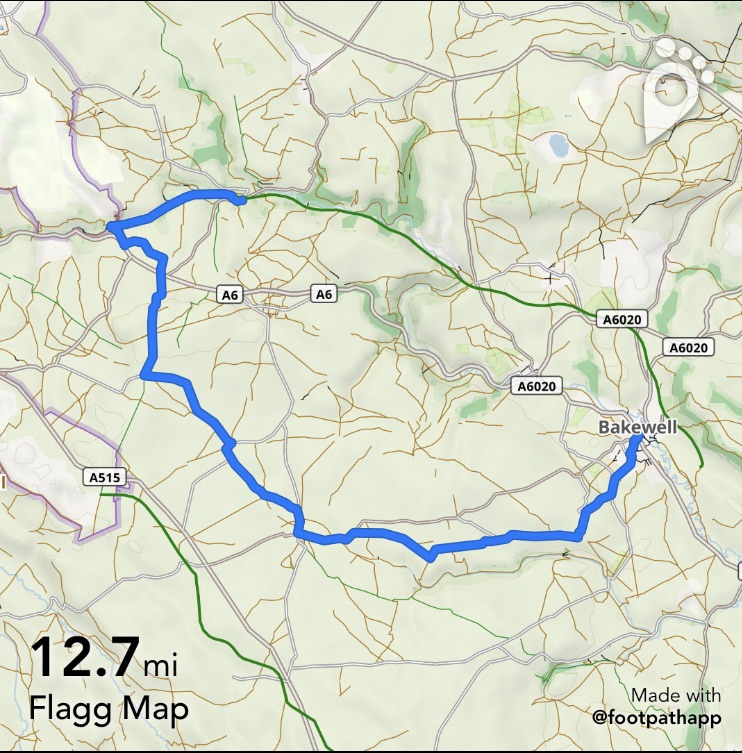
    Around 25k

    ROUTE SYNOPSIS 

    Millers Dale, Monsal Trail & Pennine Bridleway to Blackwell, Flagg, Monyash, Over Haddon, Bakewell

    DOGS?

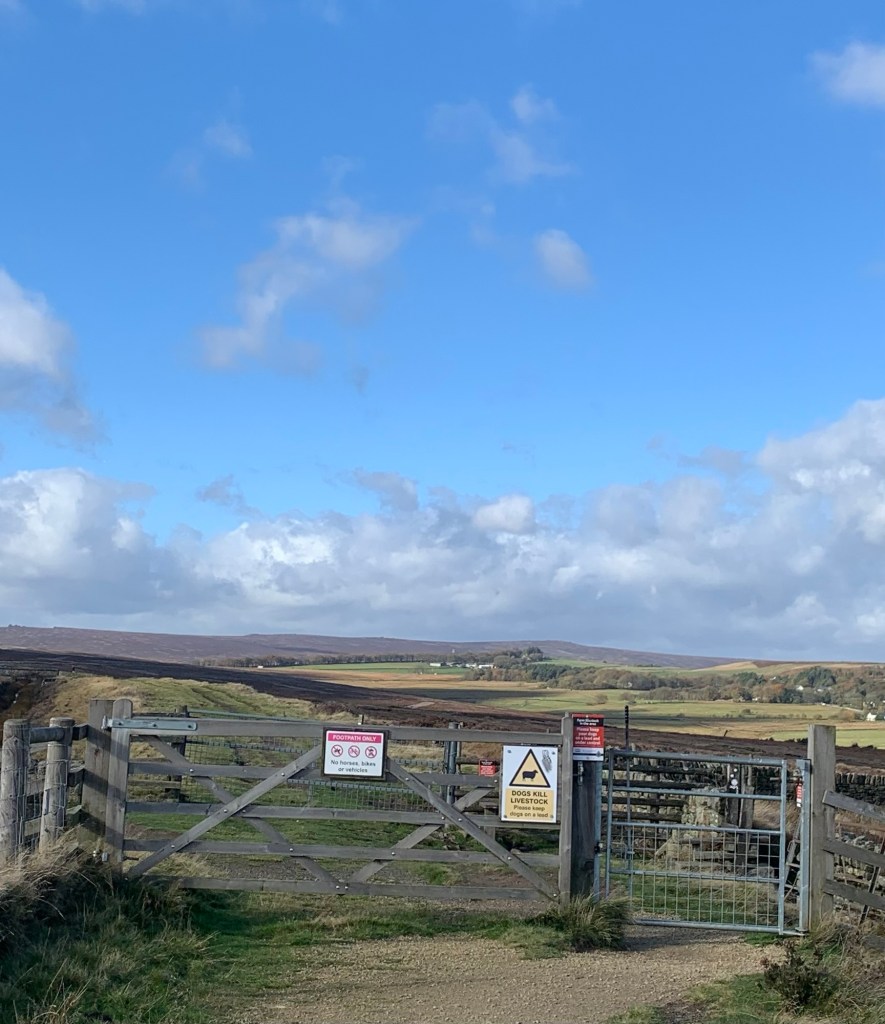
    Possibly okay for athletic dogs ( numerous stiles) and a reasonable chance of livestock overall , even if you take the recommended road option into Flagg.

    MAP

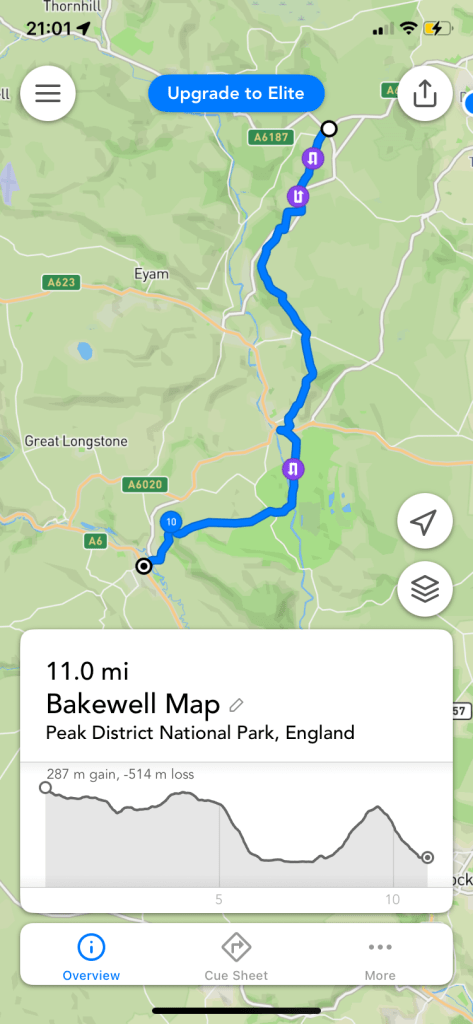
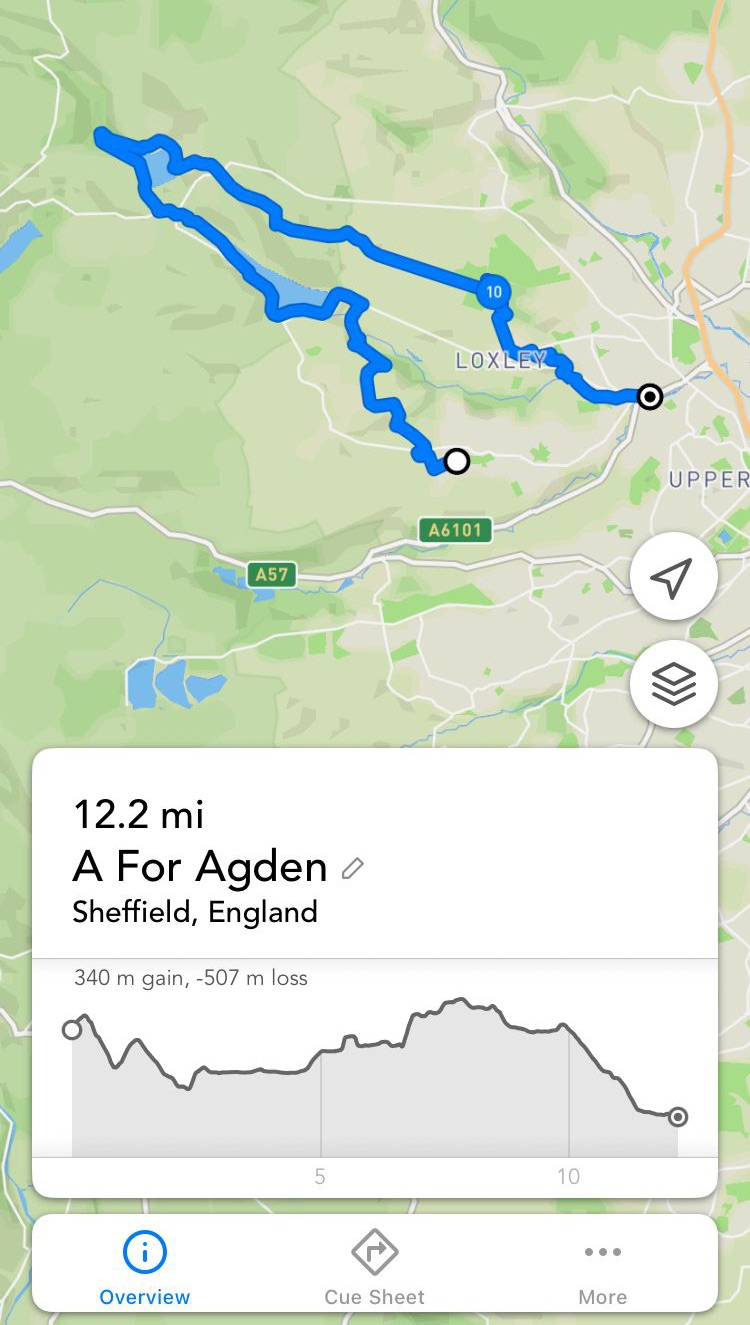
    https://footpathapp.com/routes/D08191AA-1736-48CA-BCB4-F781BF953997

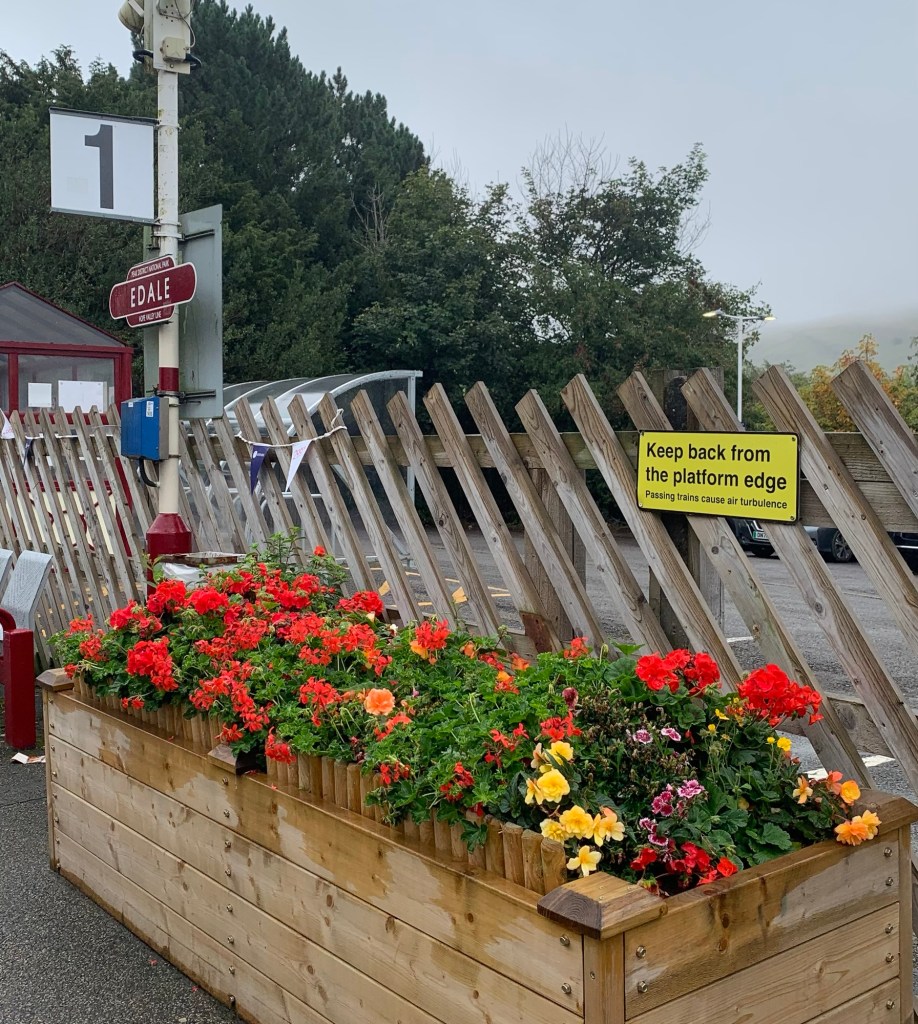
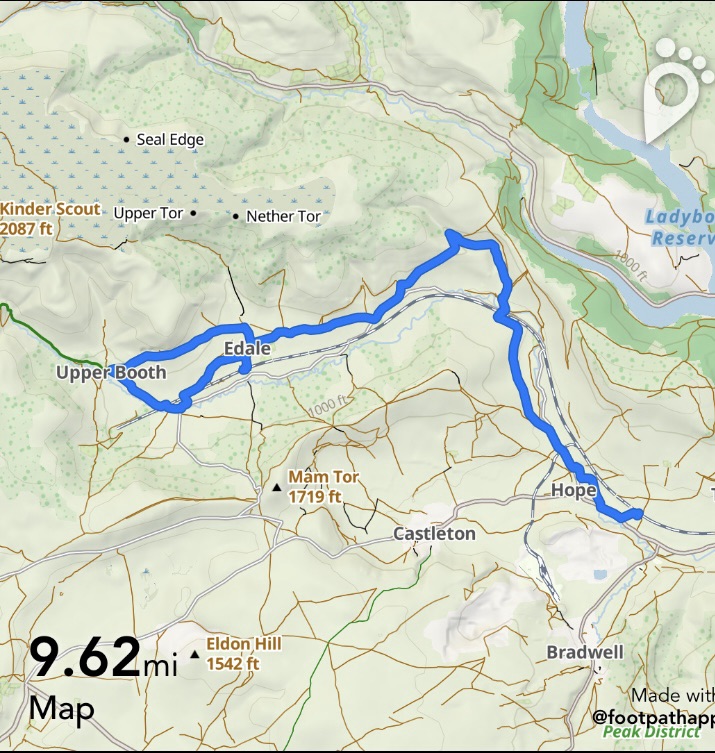
  • Today we start with a train ride along our favourite Hope Valley line to Edale station.

    Edale, famous for being the starting point of the Pennine Way, is generally thought of as being a village but it’s really the name of the valley of the River Noe and also the name of  the parish.

    The name of Edale is thought to be of Anglo Saxon origin and the name of the River Noe is Gaelic.

    Apparently Edale meant “valley of the river “and Noe meant “daughter valley”, probably referring to its relationship with the larger Hope Valley.

    The settlements in the valley are known as “Booths” and were originally scattered huts and bothies used by shepherds and herdsmen.

    The Booths were temporary at first, moving at times as various areas of the valley were cleared for grazing and shelter.

    Then over the years they grew into more permanent farmsteads and hamlets.

    Today we’re planning to visit all the “Booths” and then to follow the valley of Edale to where it joins the Hope Valley.

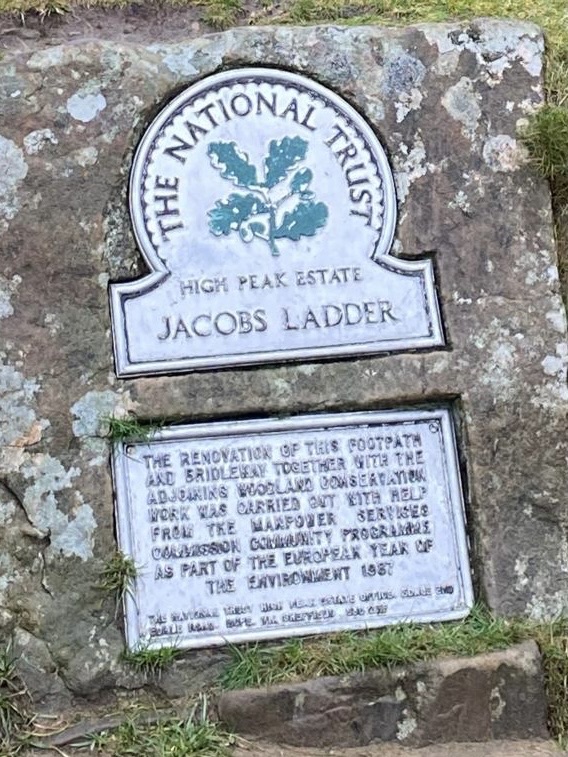
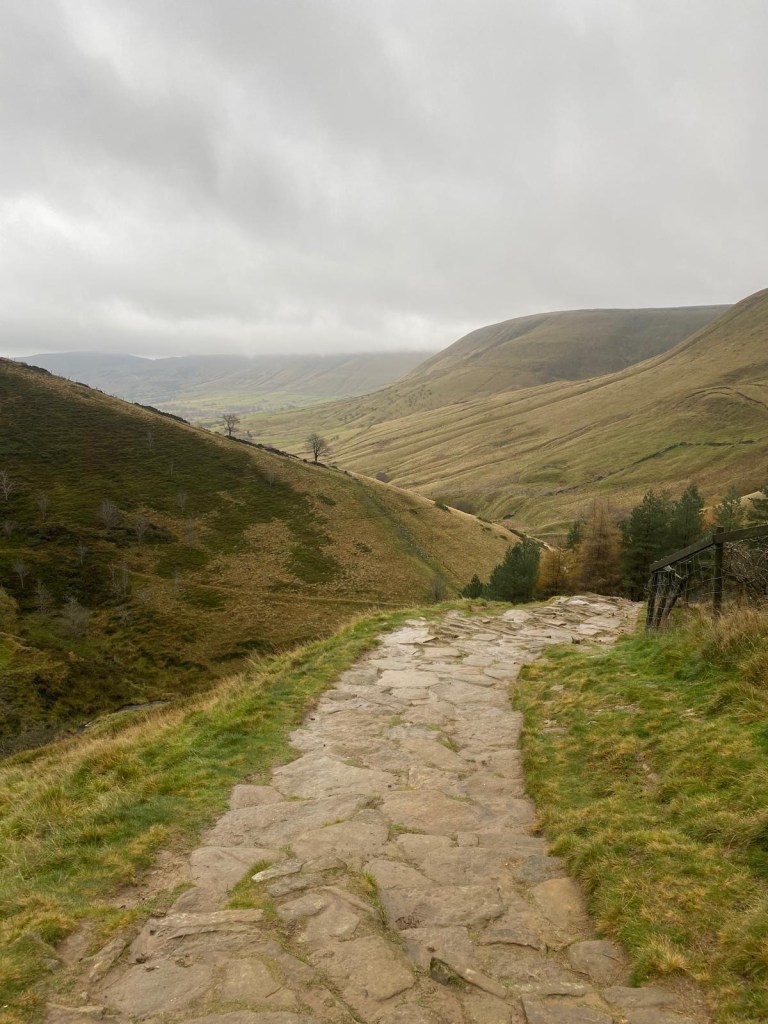
    I’d particularly recommend this walk if you’ve got to Edale only to find the weather is unsuitable for heading across the wild and boggy terrain of the Kinder plateau….or if you just fancy something different to the more popular treks up Jacob’s Ladder or Grindslow Knoll.

    From Platform 1 we go through the tunnel under the railway, dodging the entrance to the Penny Pot Cafe in case we get distracted before we even start. 

    Heading up the road we now pass another potential distraction in the form of the Rambler Inn

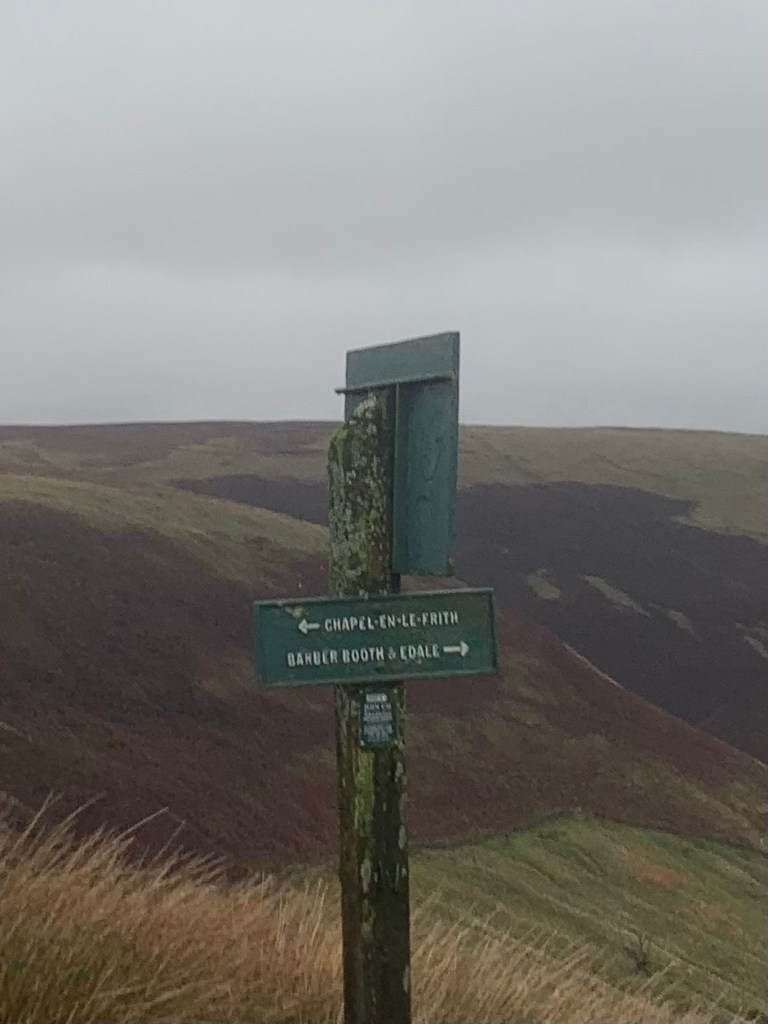
    Then, a little way up the road, near The Peak Centre, just where it bends to the right, we turn left along the field path towards Barber Booth, the first Booth of the day. 

    Partway along our path it’s joined by another path coming in on our right. We have to avoid the obvious looking track to the farm straight ahead, and keeping to the left with the farm on our right, we cross over a small stream. 

    After this the path runs parallel with the railway line until we cross it and arrive in the hamlet itself.

    Clues in the names of some of the houses hint that there were more facilities here in days gone by and apparently there was a temporary population boom here during the time when Cowburn railway tunnel was being constructed.

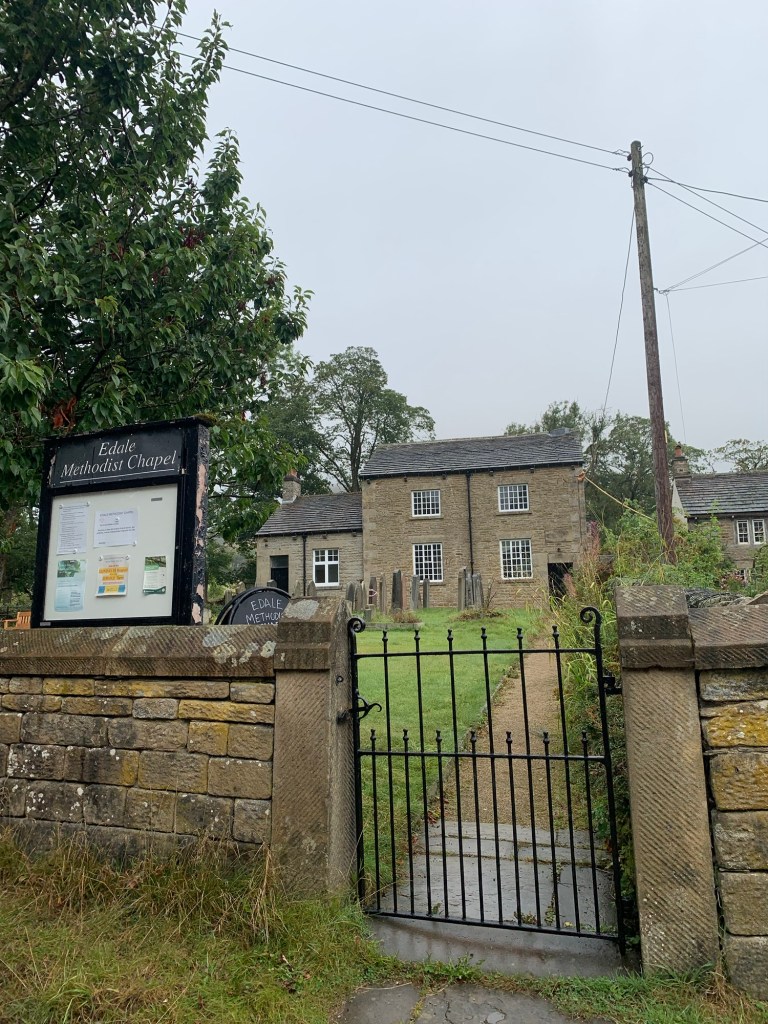
    Today there is still a functioning chapel. It dates from 1811 and besides serving the local community,  in the past it would also have been used by travellers on the trans-Pennine pack-horse route that ran through here. 

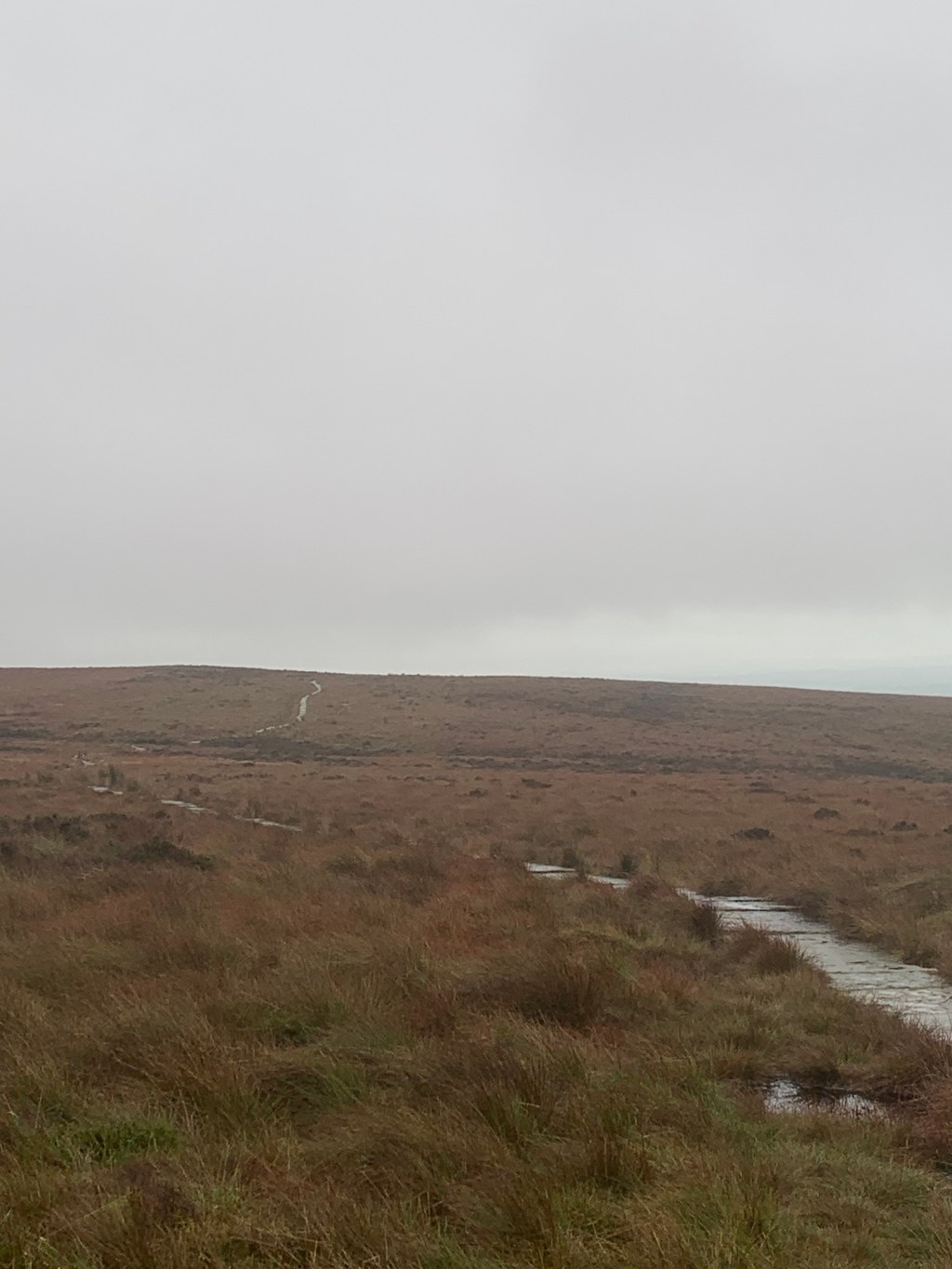
    After passing the chapel we cross the railway again and catch a glimpse of the River Noe before heading up through the fields to Booth number 2, aka Upper Booth. Crowden Clough and the steep slopes of Broadlee Bank Tor peep eerily through the cloud. 

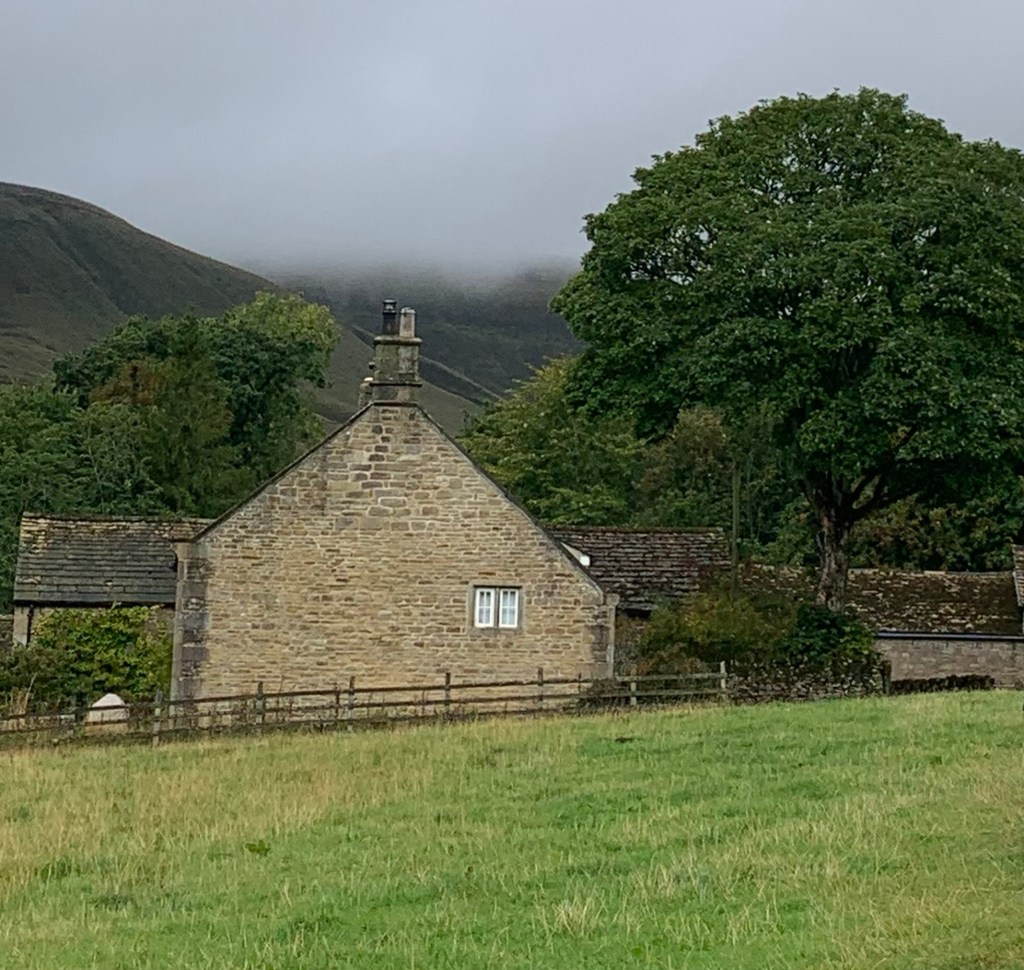
    Upper Booth is an even smaller settlement than Barber Booth being mainly made up of a farm and associated buildings. It’s the western-most of the Booths and nearest the head of the valley, so, pretty remote really.

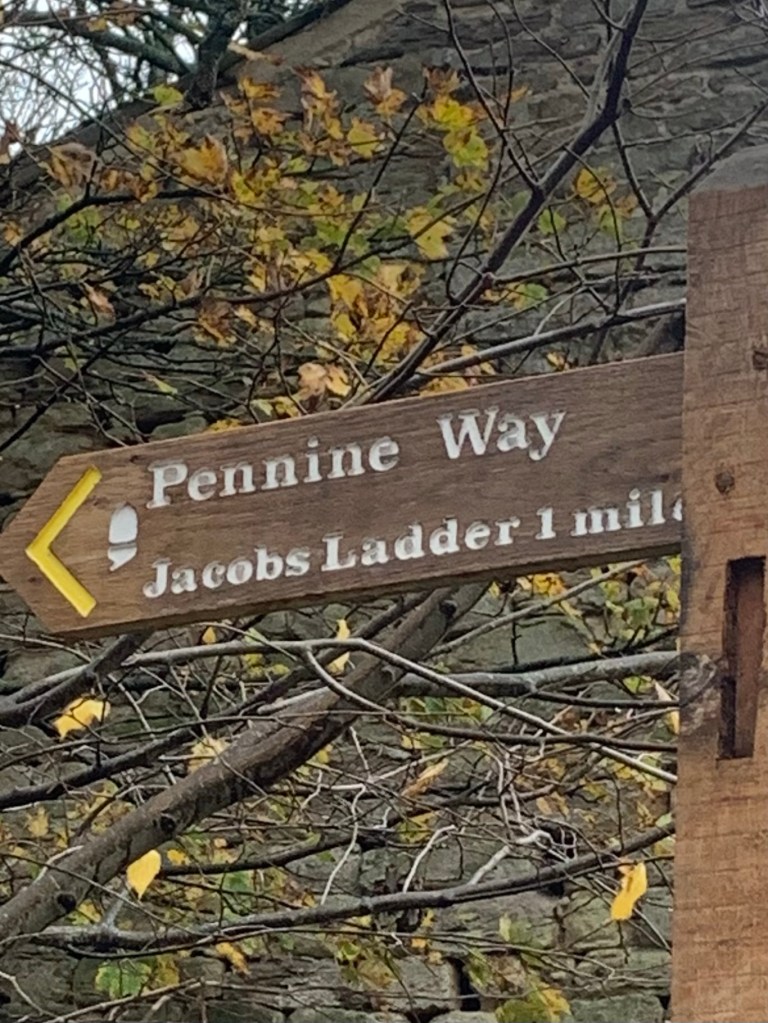
    It’s also the end of the road ( metalled road that is) but at the same time it’s very much on the Pennine Way via the Jacob’s Ladder track which is also a popular day hike and was a pack horse route in days gone by.

    So maybe it’s not surprising that there’s a campsite here.

    It was also the location of the first Youth Hostel in Edale, predating the existing one by around six years, see the lovely old photos at:

    https://duncanmsimpsonwriting.com/wp-content/uploads/2024/04/4b-y950001-edale-yhs-profile-2023-10-22_compressed.pdf

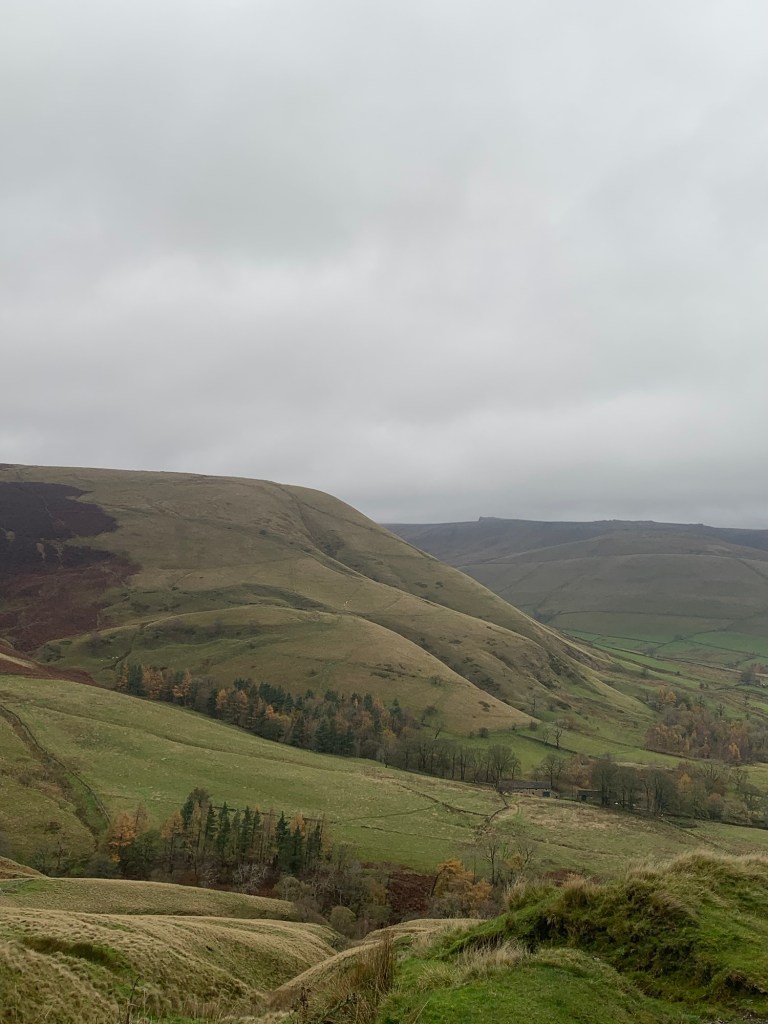
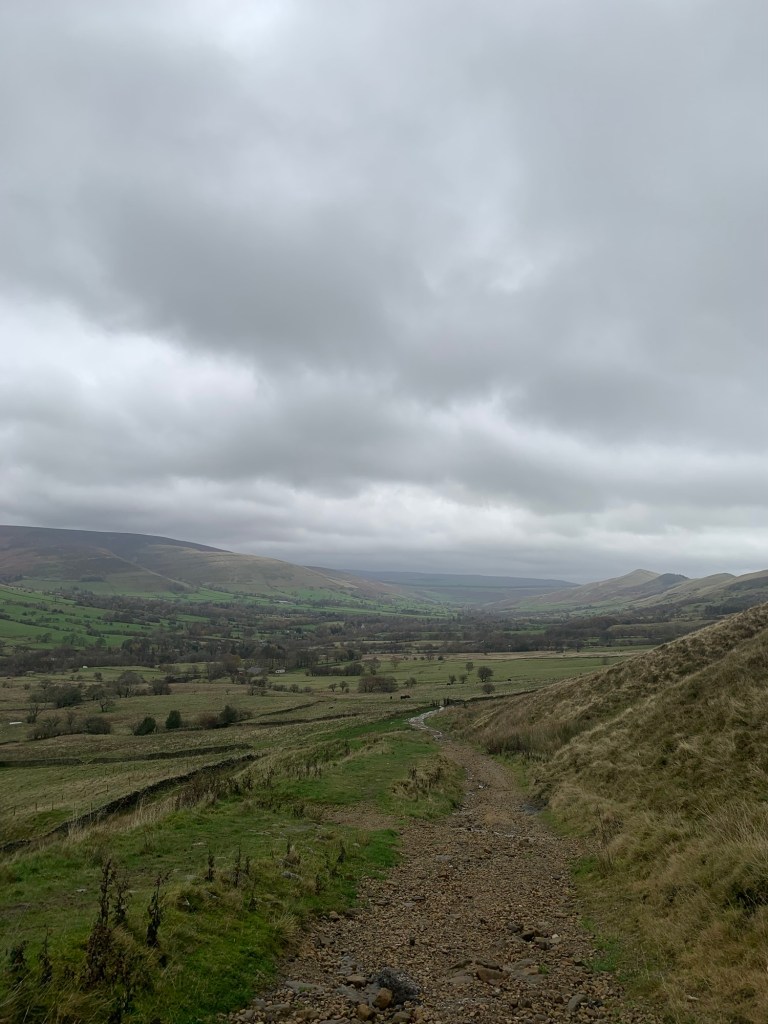
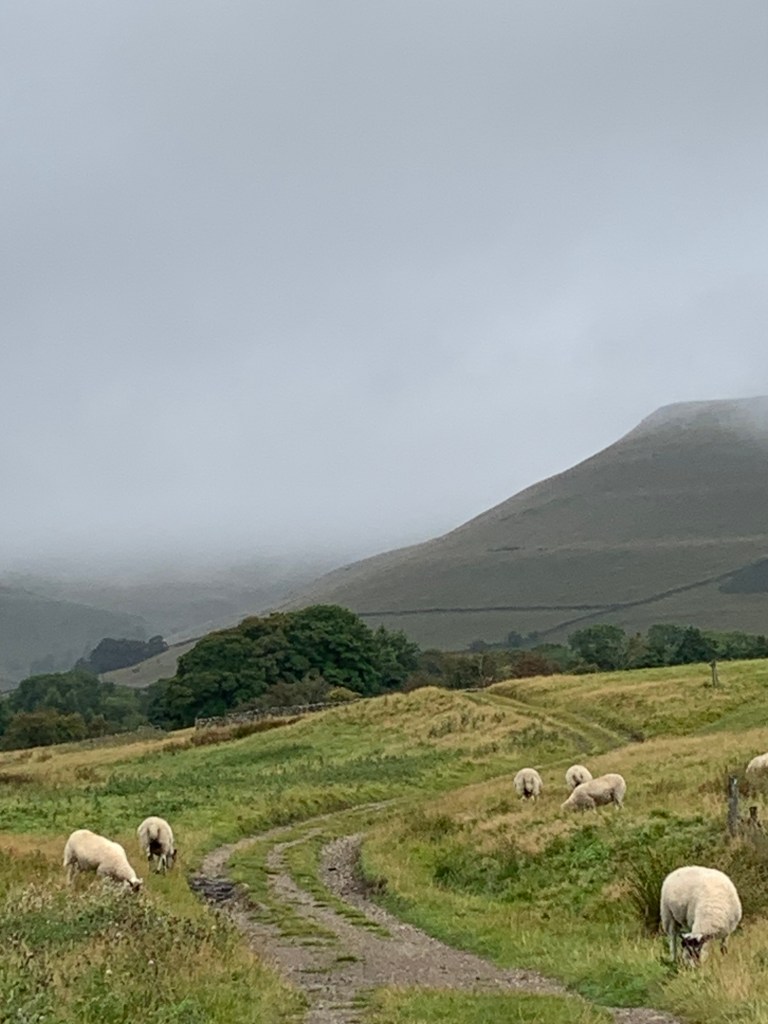
    We turn back along the Pennine Way footpath towards Grindsbook Booth and what’s been a gloomy day weather wise gradually starts to improve with the surrounding scenery slowly revealing itself as we begin to walk down the dale.

    Unsurprisingly since it’s part of the Pennine Way, the path is easy to follow, even though we’re heading back towards the start of the route ( ie going “backwards “!) rather than heading onwards towards Scotland.

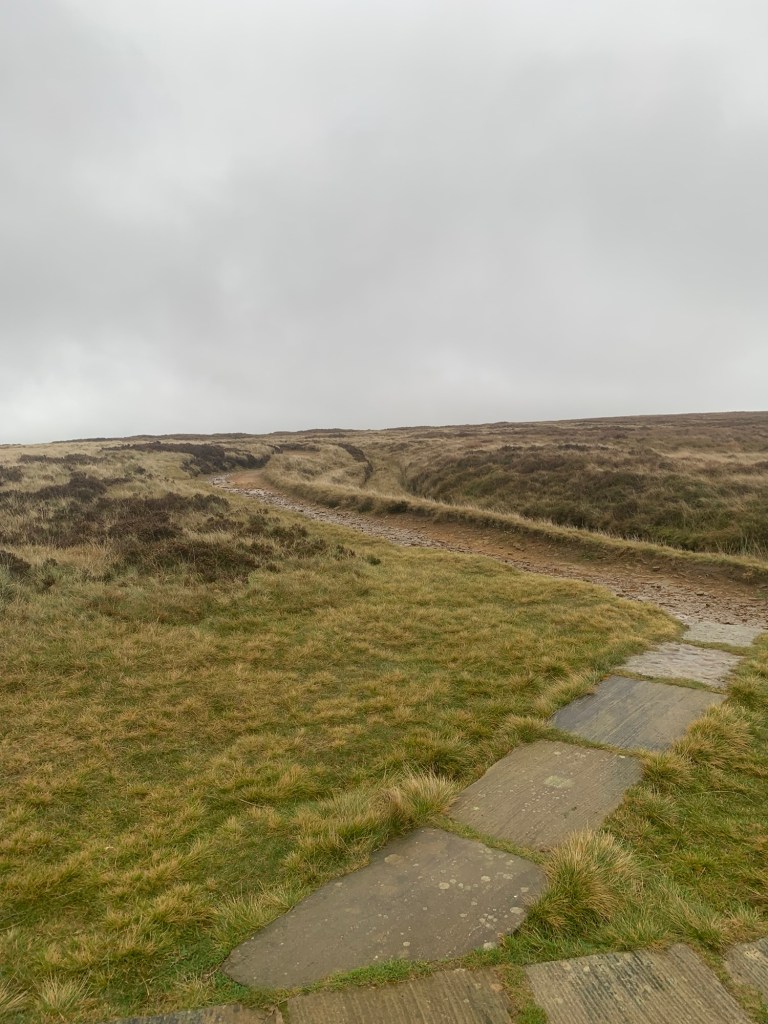
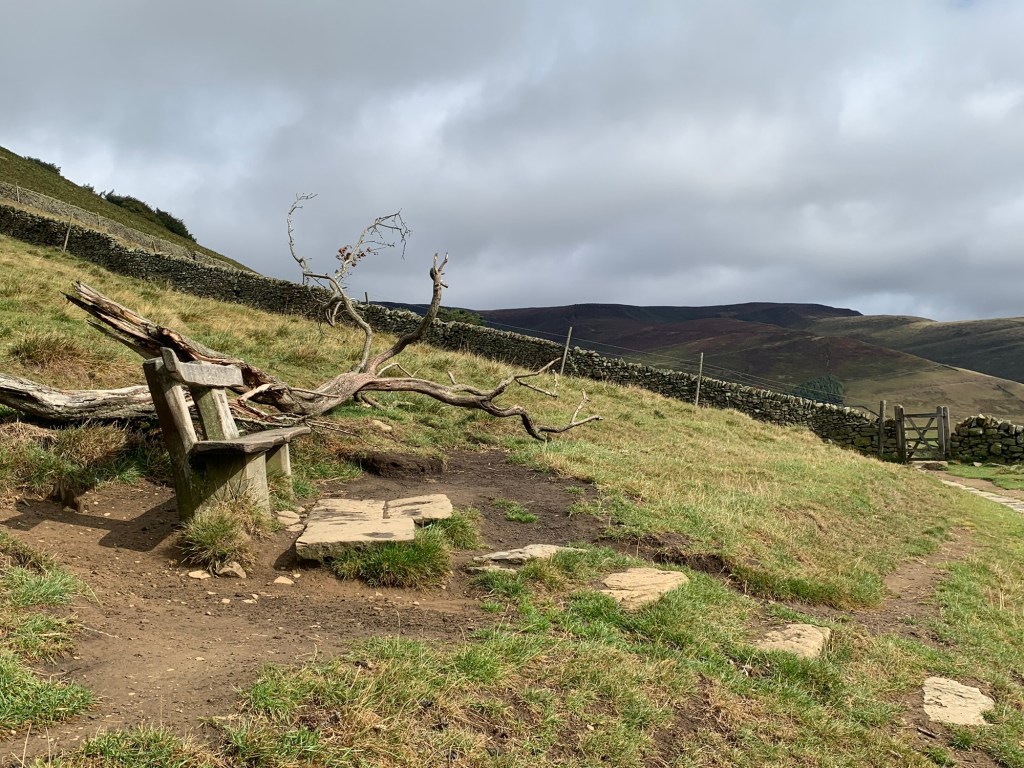
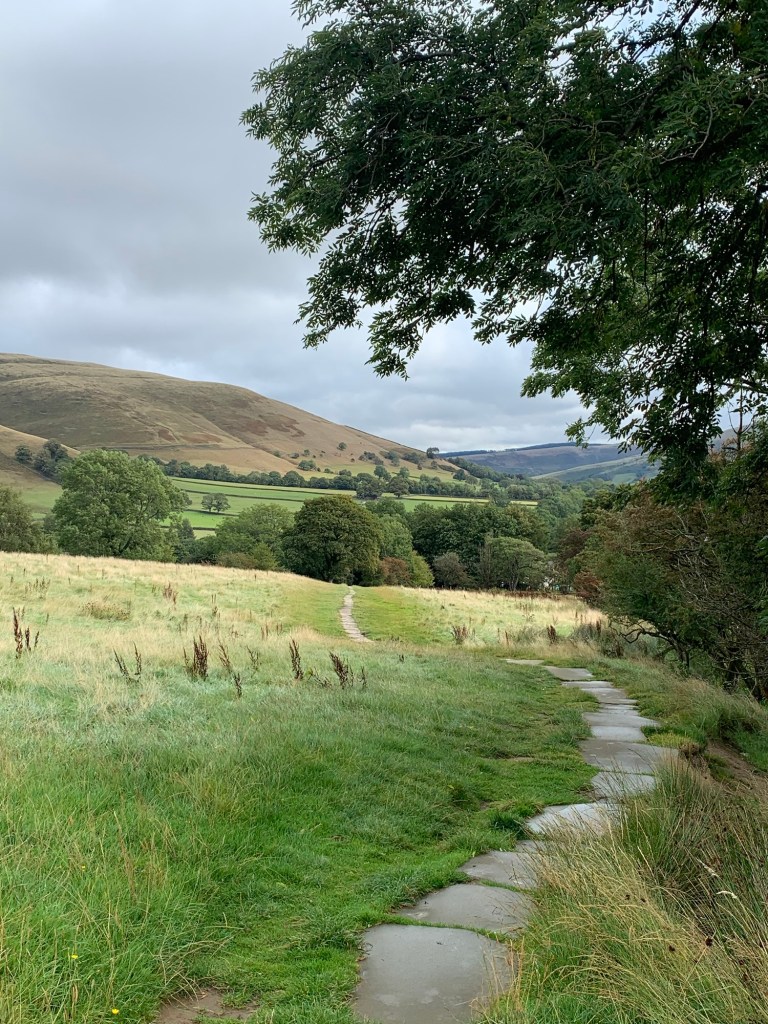
    As we get nearer to Grindsbrook and Ringing Roger comes into view,  the path is flagged, ( I love flagged paths!) and there’s even a bench if you fancy a breather to take in the sights of this most beautiful valley.

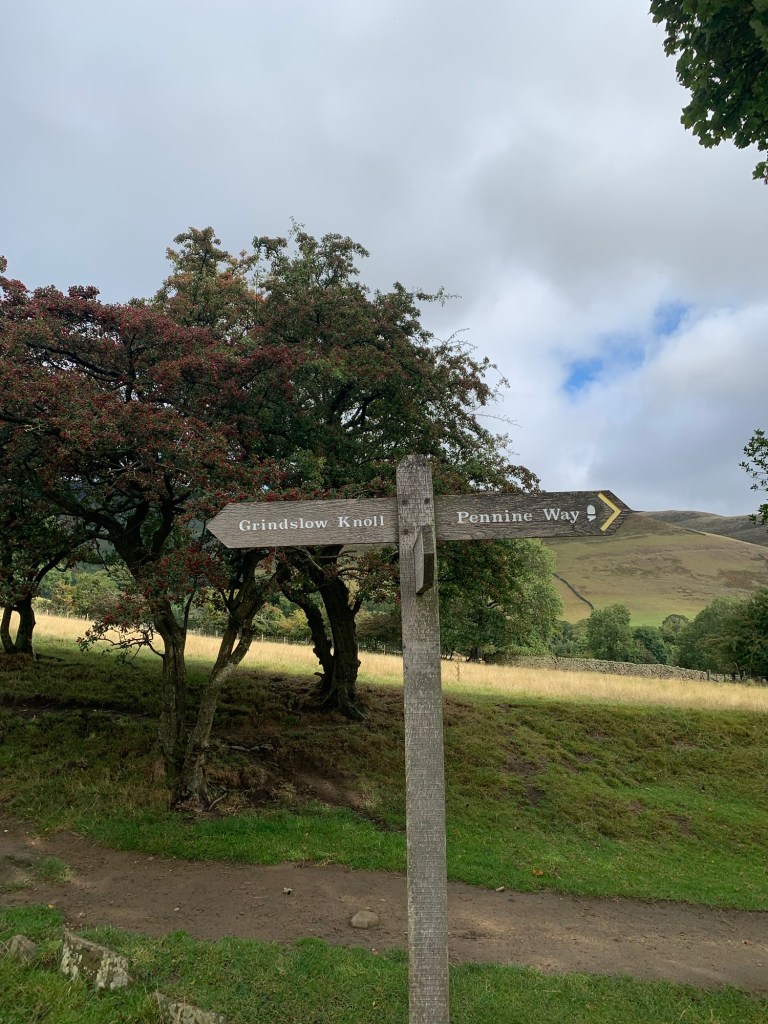
    Descending towards the village we pass a path to our left which climbs up onto Grindslow Knoll and the top of the Kinder Scout plateau.

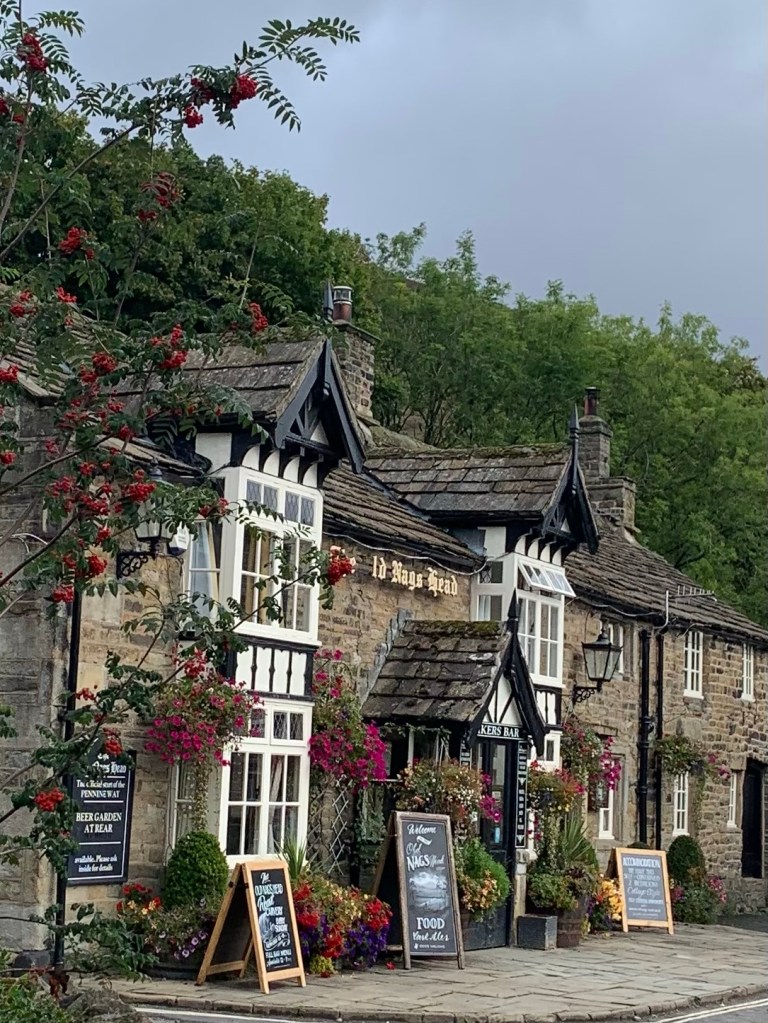
    We head down right , along by the stream until we emerge opposite the famous old coaching inn, the Nags Head, which used to be run by the countryside access campaigner Fred Heardman, situated next door to the village school. 

    It’s easy to see that Grindsbrook Booth is the hub of all the Booths and understandable that this is where most people think of when you mention Edale.

    We do a right and get a cuppa in the

    Newfold Farm Cafe and I feel nostalgic for the days when the cafe situated here was housed in an old railway wagon and called Coopers. It’s a lot posher now and I’m sure it’s cleaner too, but you don’t get a pint mug of tea like you used to.

    There’s also still a general store here in what also used to be the Post Office but that’s definitely changed a bit too.  Back in the era of Coopers you’d be lucky to be able to buy a can of beans here but nowadays it’s local produce, fresh fruit, vegan options, you name it, they seem to have it. 

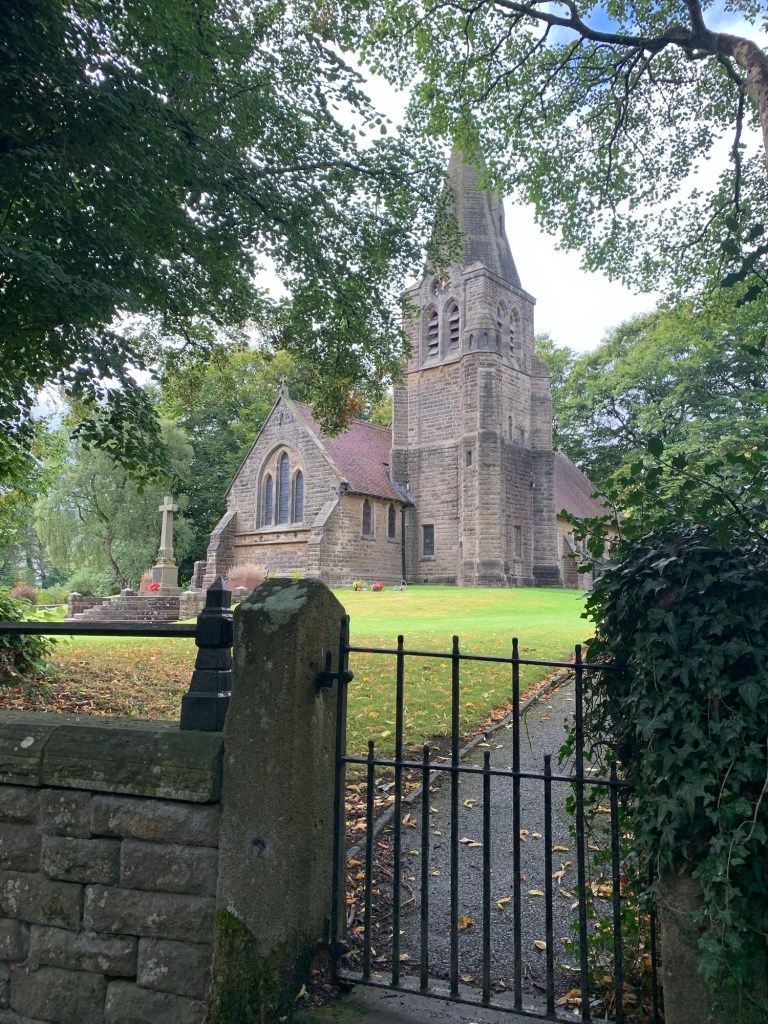
    Moving back to the here and now and refreshed after our break, we head down the road, past the church 

    and then just opposite the white house 

    we turn left by the edge of the graveyard and we’re on the path towards Ollerbrook Booth. 

    I’ve always thought that the path through Ollerbrook Booth to Nether Booth feels as though it was the original road up the valley, it’s a lovely path with an ancient feel about it.

    This hunch seems to be born out by the general opinion that the modern road was built in the late eighteenth century at the same time as the cotton mill was constructed by the river Noe (in order to benefit from the water power).

    As with many of the old industries of The Peak I find it really hard to imagine a cotton mill in Edale but if you do travel along the main road along the valley you can still see the old mill buildings, now private apartments and the old mill cottages making another small settlement in the valley ( ….but it’s not a Booth so we’re not going there today!)

    Nether Booth is the last of the Booths and is cut in two by the current main road.

    Just before we arrive at the road we cross the track which heads up to the Youth Hostel, Rowland Cote which has been a constant feature of the valley since 1945.

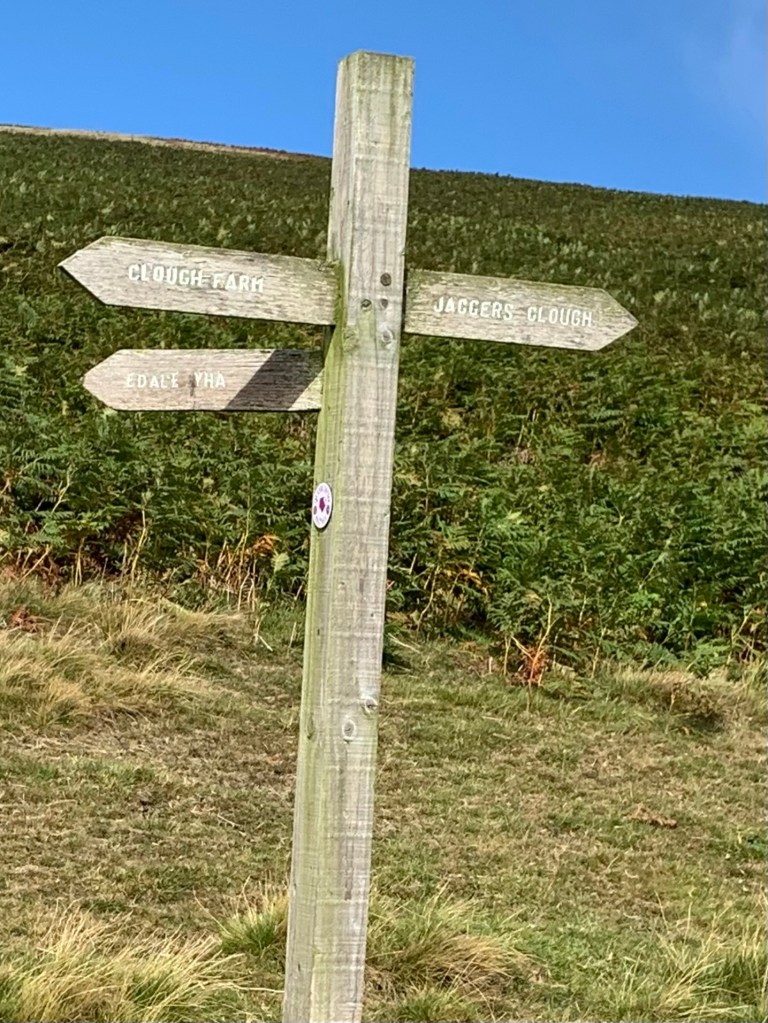
    At the main road we turn left and after a few hundred metres we branch off to the left onto a magical looking old track past Clough Farm. 

    A clough is an Old English word meaning a steep sided valley or ravine. There are any number of Cloughs running down on all sides of the Kinder plateau.

    We gain height and as we climb higher up the valley side, soon the higher path from the hostel joins from the left. 

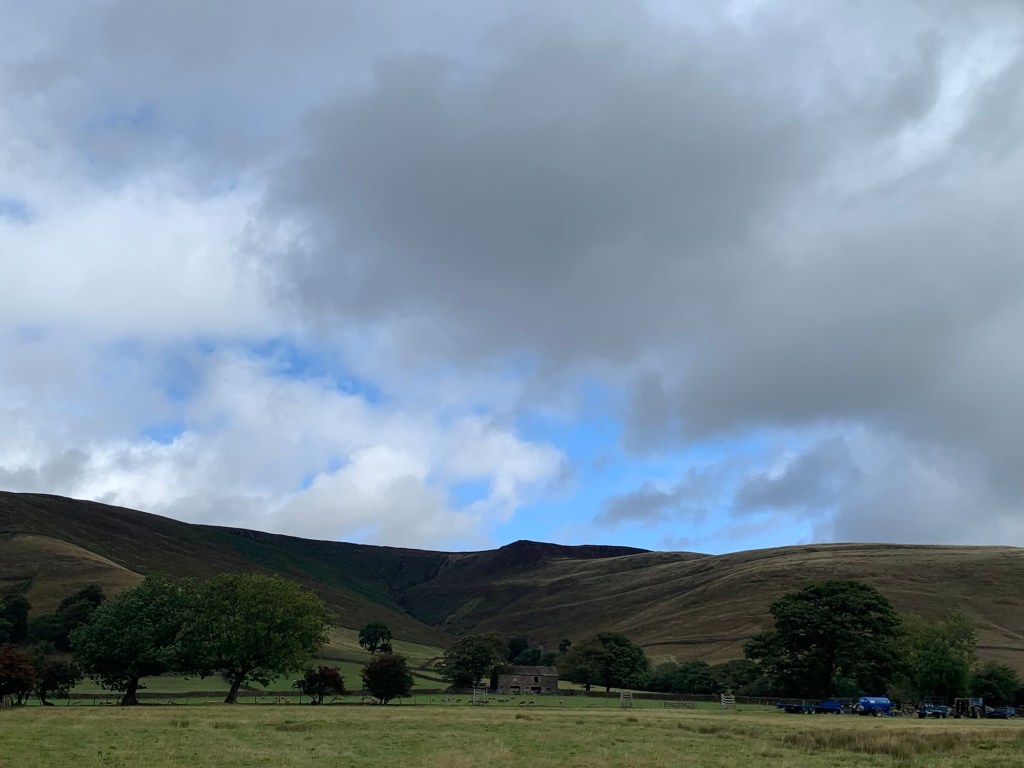
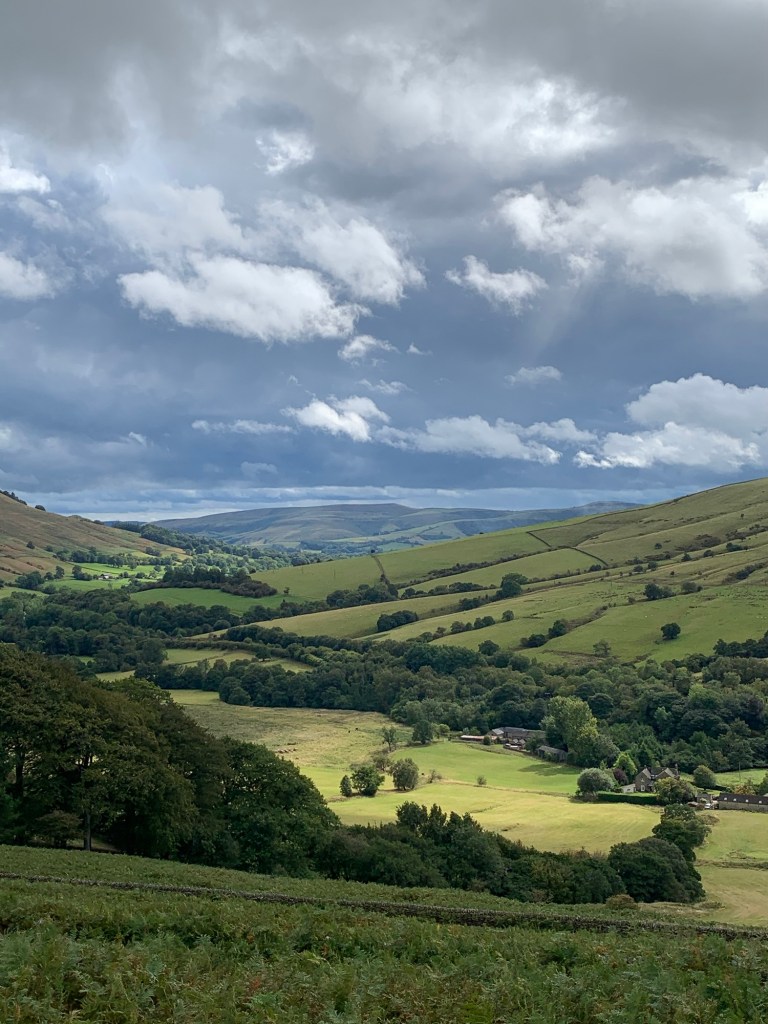
    The weather is fine at the moment and the lighting spectacular which makes the surrounding hills look even more splendid than ever.

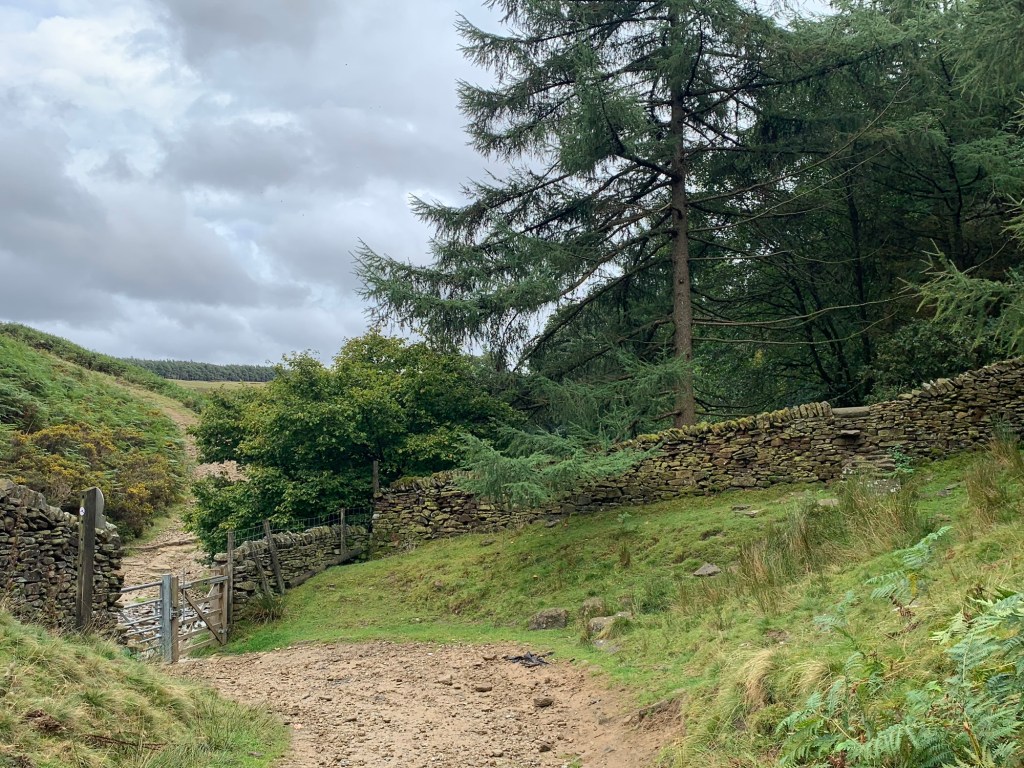
    Next, the path makes a steep descent as we drop into Jagger’s Clough, named after pack horse owners, not the Rolling Stone.

    It’s difficult to believe today when there’s hardly a trickle of water coming down the Clough, that I once was stuck here, unable to ford the stream without the water going well over the top of my boots!

    It was on this occasion that I discovered the quaint little path we’re now going to take, just to right of the watercourse through the woods.

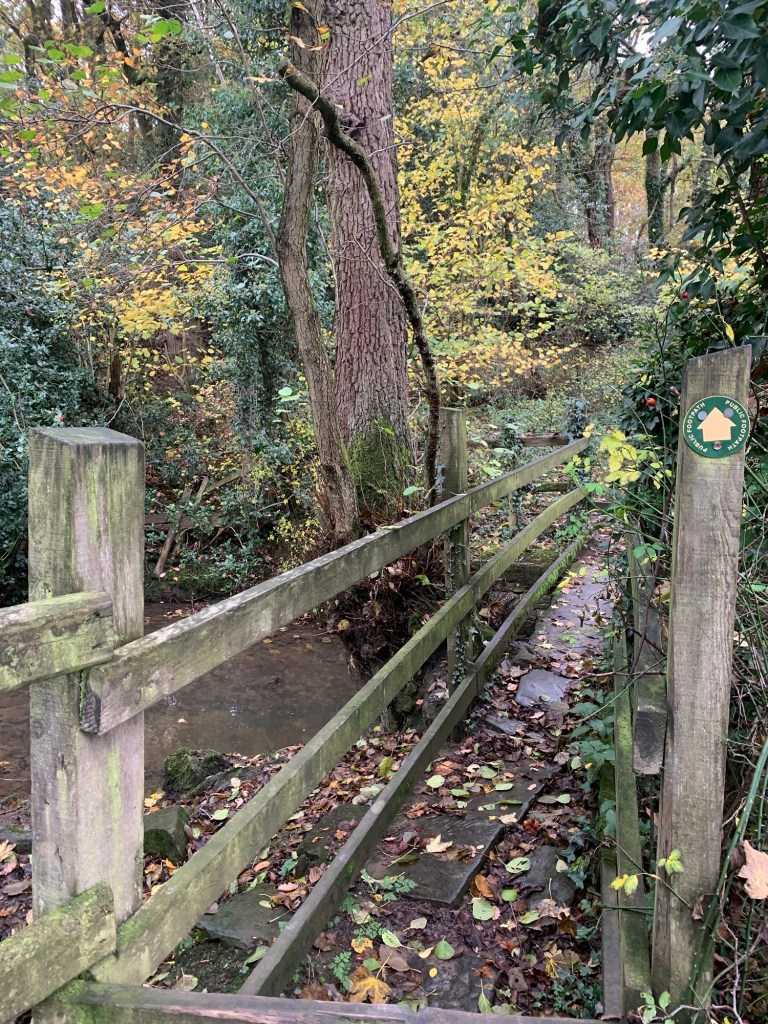
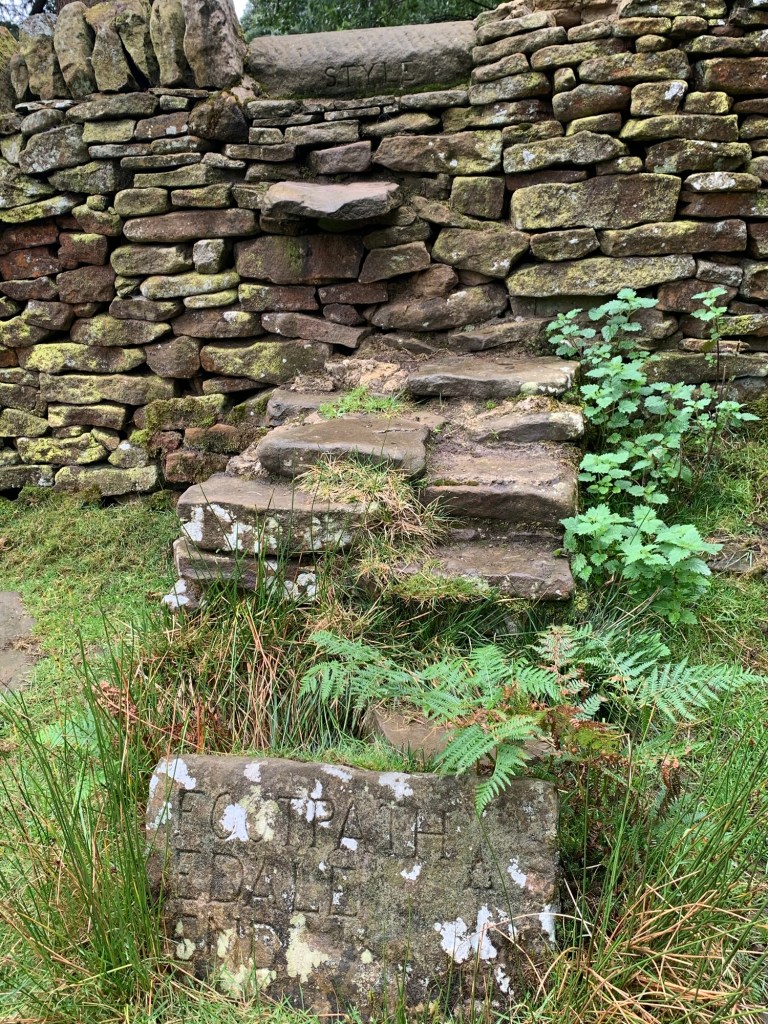
    As you climb the stile look out for the carvings in the rock; “style ( not stile) and “footpath Edale End”. For a little used path it’s so well maintained with a lovely little footbridge further down over the stream and then a number of boardwalks before we get to a gate and more carved way markers. This is definitely one of my favourite paths and spotting Lose Hill through the trees from an unusual angle just adds to the enjoyment.

    Arriving at Edale End there is an obvious sign pointing to the footpath towards Carr House but as soon as we have passed through the gate at Upper Fullwood Farm we need to turn left down the farm road ( there is a sign pointing towards Hope but it’s hard to make out.)

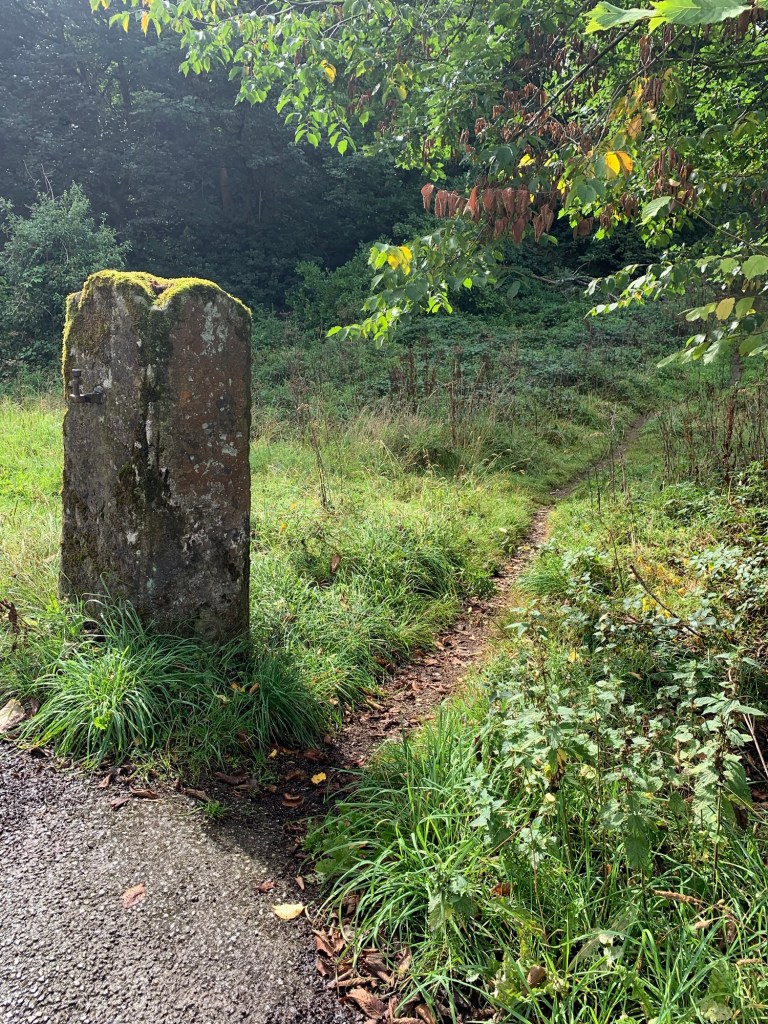
    Immediately after we cross the bridge over the Noe we turn right ( no signage) by an old stone gatepost, along a narrow track which climbs up to the road.

    We turn right along the road very briefly before turning left and taking the tunnel under the railway.

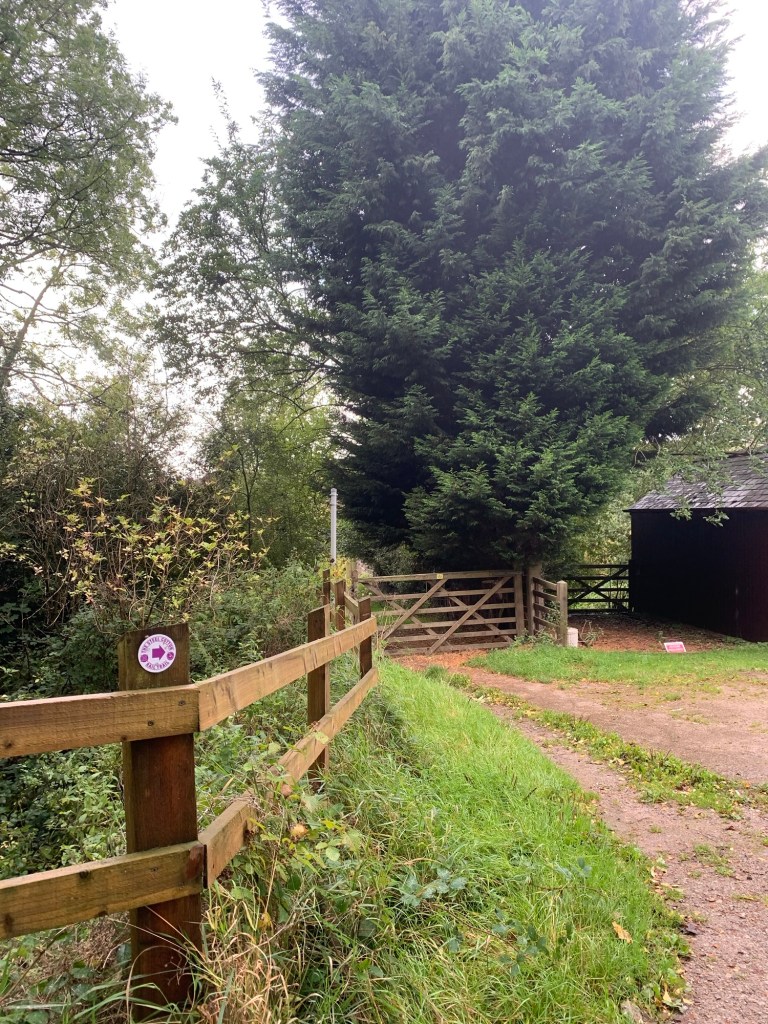
    From time to time today we’ve noticed distinctive new footpath markers for the “Steel Cotton Rail Trail”. This is a fairly recent initiative ( 2024 I think) to link use of the Hope Valley trains with a through walk all the way from Manchester to Dore & Totley Station. It’s such a great idea and so many possibilities for walk/train combinations I’m including the link here for your further reading.

    https://peakdistrictbytrain.org/the-steel-cotton-rail-trail/

    Being observant souls we realise we’ve crossed over now to the other side of the valley and have the road, railway and river all over to our left.

    The views are brilliant once again, this time looking over towards Win Hill. 

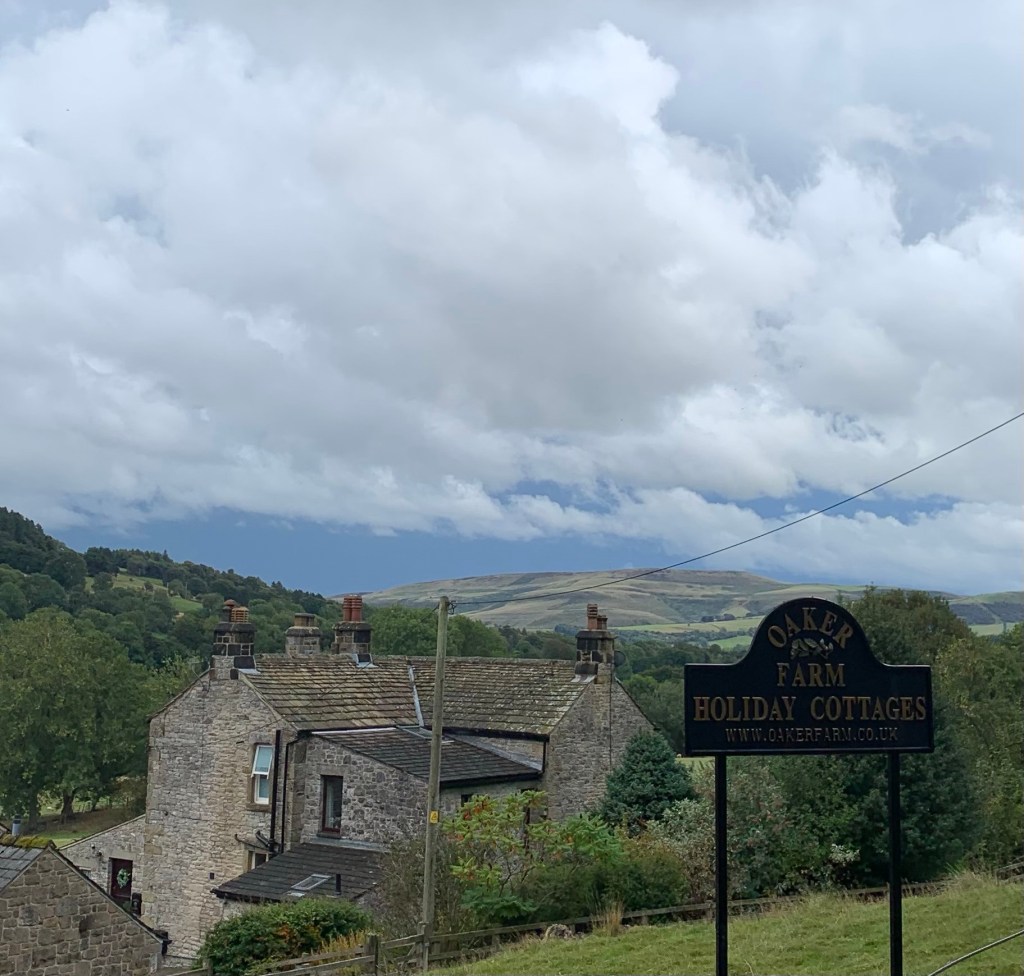
    We first pass the traditional Derbyshire gritstone buildings of Oaker Farm before the white painted Arts and Crafts style

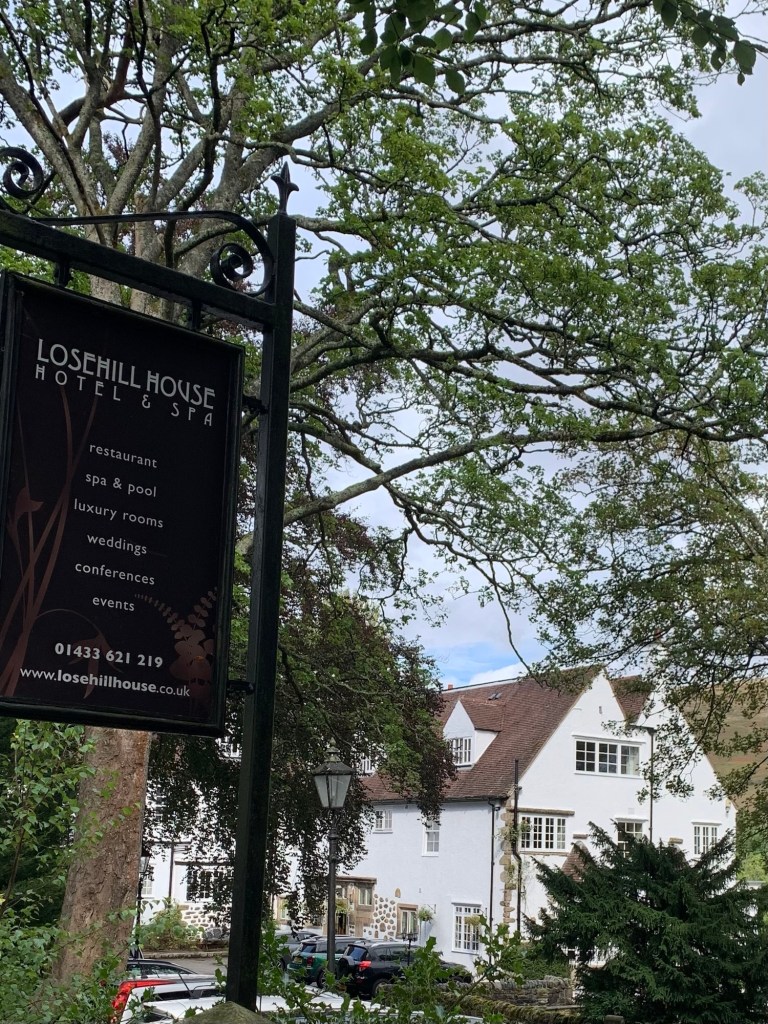
    Lose Hill Hall Hotel, a getaway for luxury spas and afternoon teas 

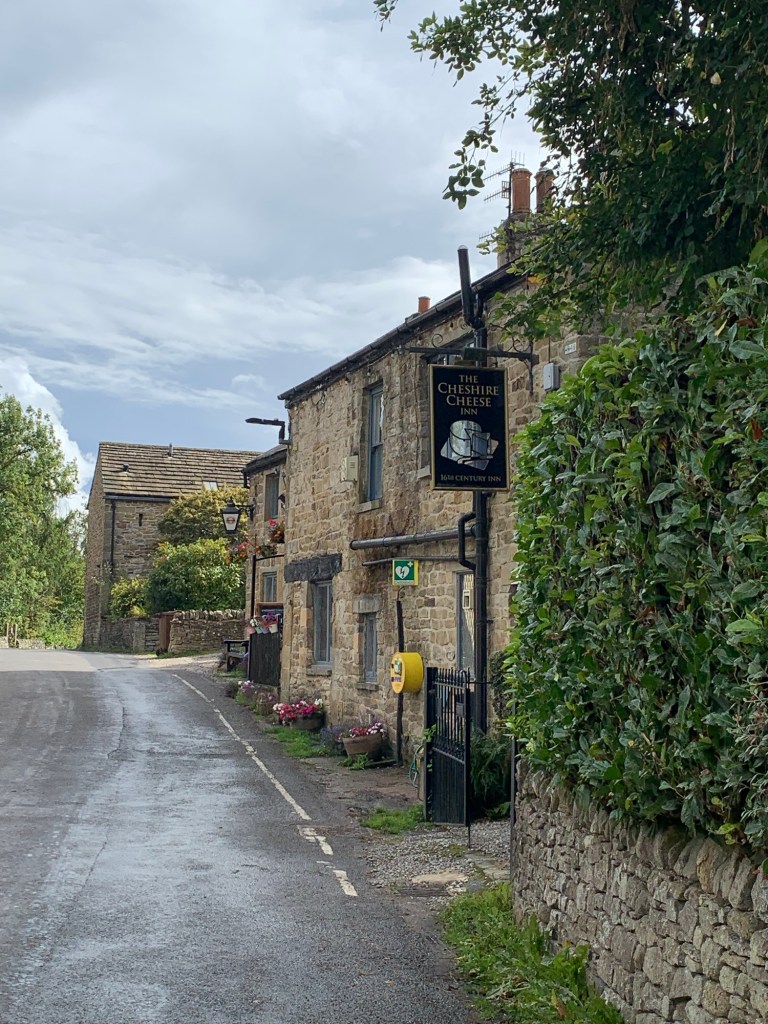
    and then we have a little road walking before reaching the Cheshire Cheese where we pop in for a drink.

    This is one of our favourite pubs; it’s really old, full of history and if you fancy a splendid Sunday lunch, book yourself a table, I don’t think you’ll regret it!

    The name comes from the fact that travellers on the old salt route between Cheshire and Yorkshire would pay for their lodgings with cheese! ( and you can still the cheese hooks in the ceiling.) 

    Do check out the old photos on the walls too.

    It’s not really been possible to see much of the River Noe on today’s walk due to the route of the main road and the railway but now just as Edale merges into the Hope Valley we’re going to finish our walk by putting that to rights. 

    After the pub we continue briefly along the road and then branch left down to Killhill Bridge over the river. 

    Next right (follow the obvious signs through the buildings) and then we finish up with a stroll through the lovely green pastures by the River Noe before we climb up onto the main A6187 at Netherhall Bridge.

    There is a bus stop just a few metres to the left along the road or continue to the next stop which is also on the approach road to Hope Station to have the best of both worlds.

    We’ve finished our journey for the day and very nice it’s been too.

    For anyone who’s interested, the River Noe has a little further to go before it joins the Derwent at Shatton. Not that you can get to see much of it along any of the paths there, either.

    E is for Edale 

    TRANSPORT 

    Train from Sheffield or Dore & Totley to Edale.

    Return from Hope station by train or 272 bus.

    The 257b also passes this way.

    PUBS/CAFES

    EDALE

    Penny Pot Cafe

    Newfold Farm Cafe

    Nags Head

    The Ramblers

    HOPE 

    Cheshire Cheese

    ( plus various cafes and pubs off route in Hope Village)

    HOW FAR?

    Approximate distance 20k

    ROUTE SYNOPSIS 

    Edale station, Barber Booth, Upper Booth, Grindsbrook Booth, Ollerbrook Booth, Nether Booth, Clough Farm, Jaggers Clough, Edale End, Hope.

    MAP

    OS Dark Peak

    https://footpathapp.com/routes/7AF8A846-3255-4E1A-9A14-3AFB1ABECE88

  • D is for Darley Bridge

    This is another walk where it’s to be expected that you’ll meet a few cows and sheep so, once again, it’s probably not ideal for dog walking or those nervous of livestock.

    Today began with a pleasant trip on the bang-on-time 218 bus to Bakewell. Little did we know there would be bus challenges awaiting us later in the day.

    (Alternative option: the 257 also serves Bakewell from Sheffield by a different route.)

    The sun came out for us as we walked past the beautiful flower beds of Bakewell’s Bath Gardens towards the Rutland Hotel, where we briefly follow King Street, the road to the left of the hotel, until we spot Butts Road on our left.

    After a steep climb we emerge onto Yeld Road with the cemetery on our left and, keeping left, we walk along Burton Edge Road which becomes a track as we leave Bakewell behind.

    The track drops down to a footbridge over a stream before bearing right to continue along a pleasant green way.

    After a few minutes there’s a short climb up to a stile on the left 

    which takes us onto a field path crossing a couple of large fields before joining the Youlgreave road.

    We turn left along the road and keeping straight on past Norton Barn Farm ( don’t turn right towards Over Haddon), as we gain height we also gain fantastic views.

    At the brow of the hill where the road veers slightly to the right we keep straight on along a track (restricted byway) until just before reaching the next farm.

    Apart from it being straight, there’s nothing very exceptional about this track that I can see but it turns out we’re walking along part of an ancient trackway known as The Portway, which used to stretch from Nottingham all the way to the Woodlands Valley ( of Snake Pass fame). Evidence suggests this route was already old before the Romans arrived ( maybe they straightened out this bit?) and was still being used well into the 18th century.

    For more information do check out Stephen Bailey’s book, The Old Roads of Derbyshire which even has a section with suggestions for how to walk the Portway route today and is full of fascinating background on the area we’re walking through today .

    Just before some farm buildings on the left, we take the path on our right 

    and cross diagonally over another field only faintly trodden, heading for a gate 

    before a steep descent through the woods to the valley bottom.

    Emerging from the trees we pause on the beautiful footbridge to admire the crystal clear waters of the River Lathkill.

    Such a lovely and tranquil spot.

    The way is clearly signed here by the land owners and, just before the Lodge we head left along a well defined path which takes us to the village of Alport.

    The Lodge which bears the unpleasant name of Raper Lodge, has its own claim to fame as it was used in the filming of The Virgin and The Gypsy in 1970, based on a novel by DH Lawrence.

    For filmic memories of the locals of the area and also interesting details of why the building was chosen for the film’s location please see

    https://www.youlgrave.org.uk/wp-content/uploads/2020/06/The-Virgin-and-the-Gypsy-50-years-on.pdf

    At Alport ( named after the Old Portway?) we cross the road near the phone box and take the path along by the River Bradford. 

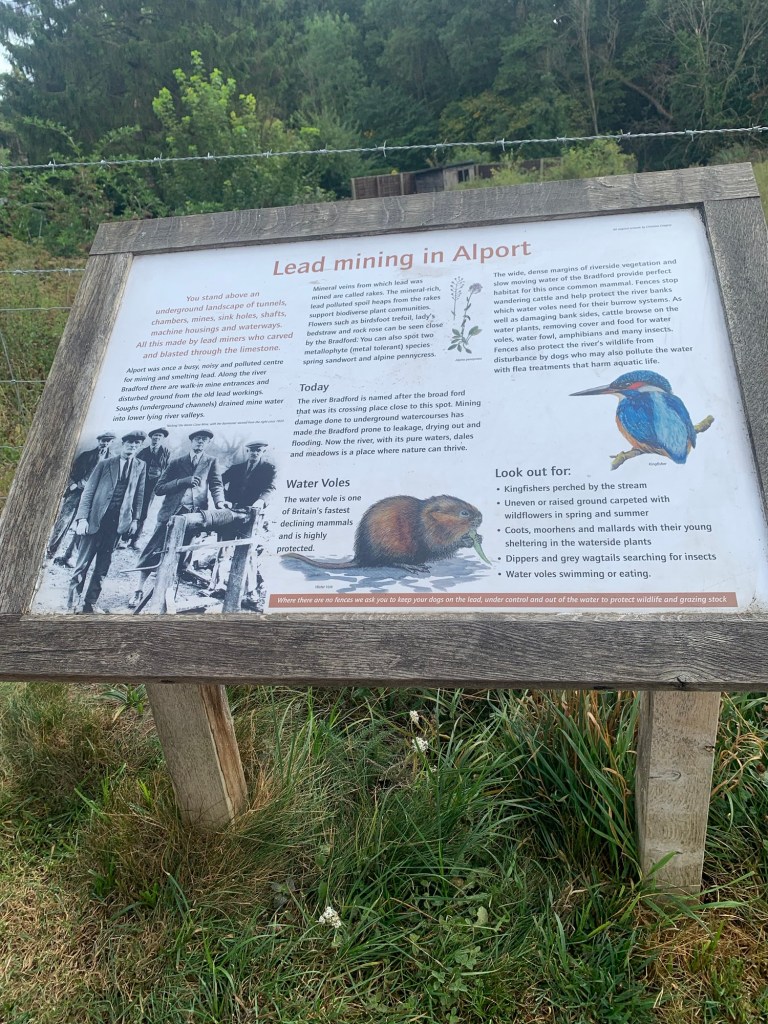
    An information board reminds us of Derbyshire’s industrial past. It’s very difficult indeed to imagine lead mines were all around here as we wander along such a scenic path.

    At the next road we’re on the outskirts of Youlgreave but we’re not going up into the village today because we’ve already decided we’re saving that for our “Y.”

    After heading briefly left along the road and NOT taking the inviting looking farm track to Hollow Farm 

    we follow the well signed Limestone Way for the next few kms.

    As we climb the hillside there are great views back towards Youlgreave, Over Haddon and we can see where we came along The Portway earlier.

    Ahead we veer off to the left still following the Limestone Way as it passes through a pretty wooded area before meeting the lane which comes up from Alport. 

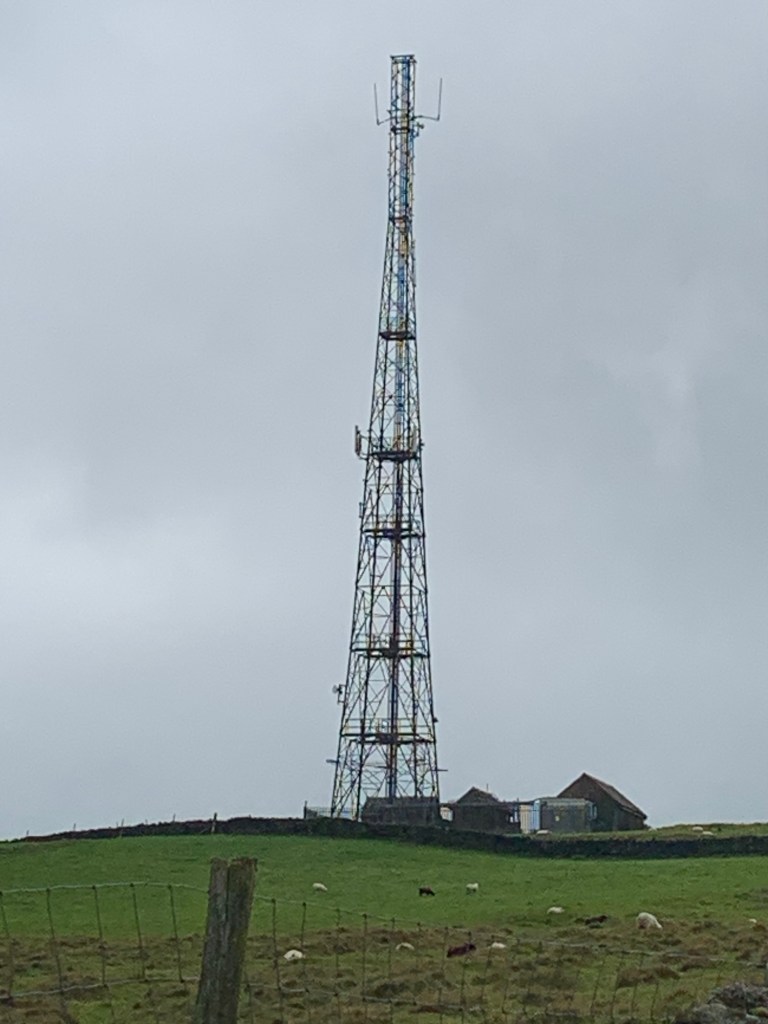
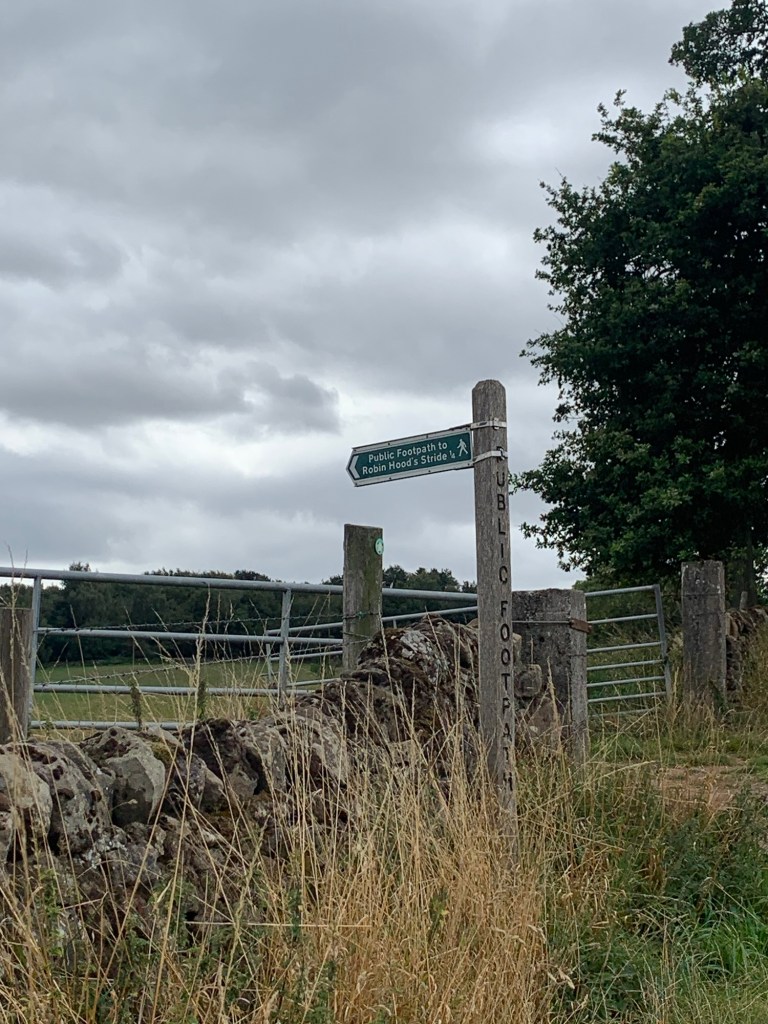
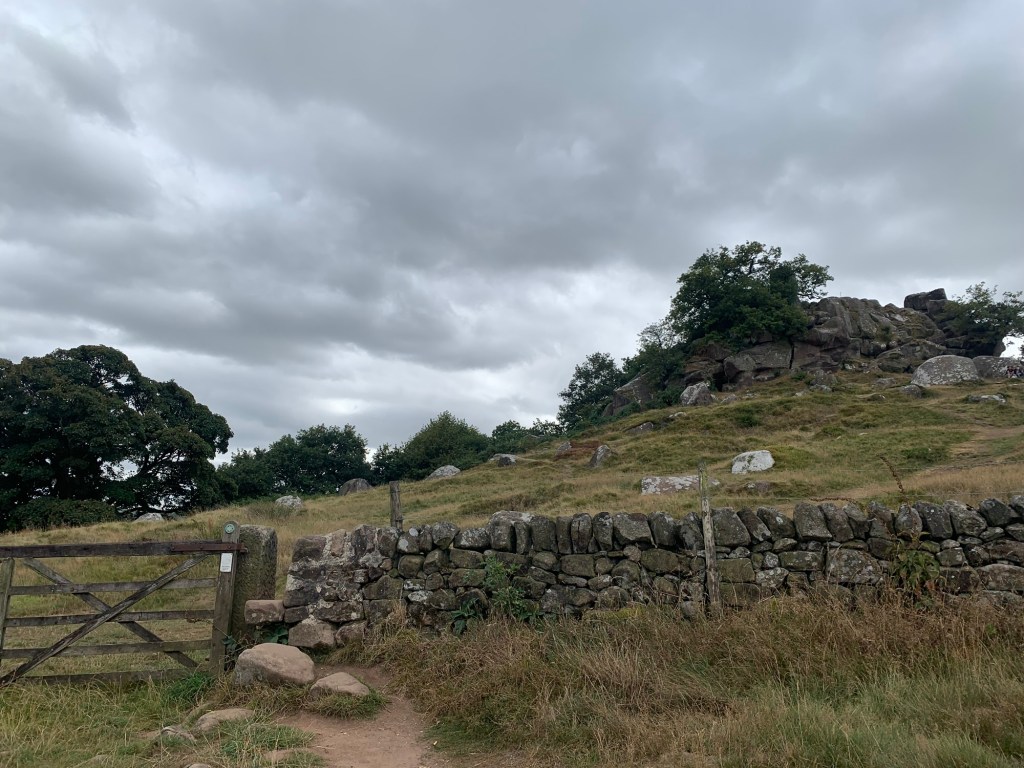
    Straight ahead of us we can see the wooded side of Stanton Moor with the television mast poking out above and, much closer, as we turn right along the lane, the rocky outcrop of Robin Hood’s Stride soon comes into view.

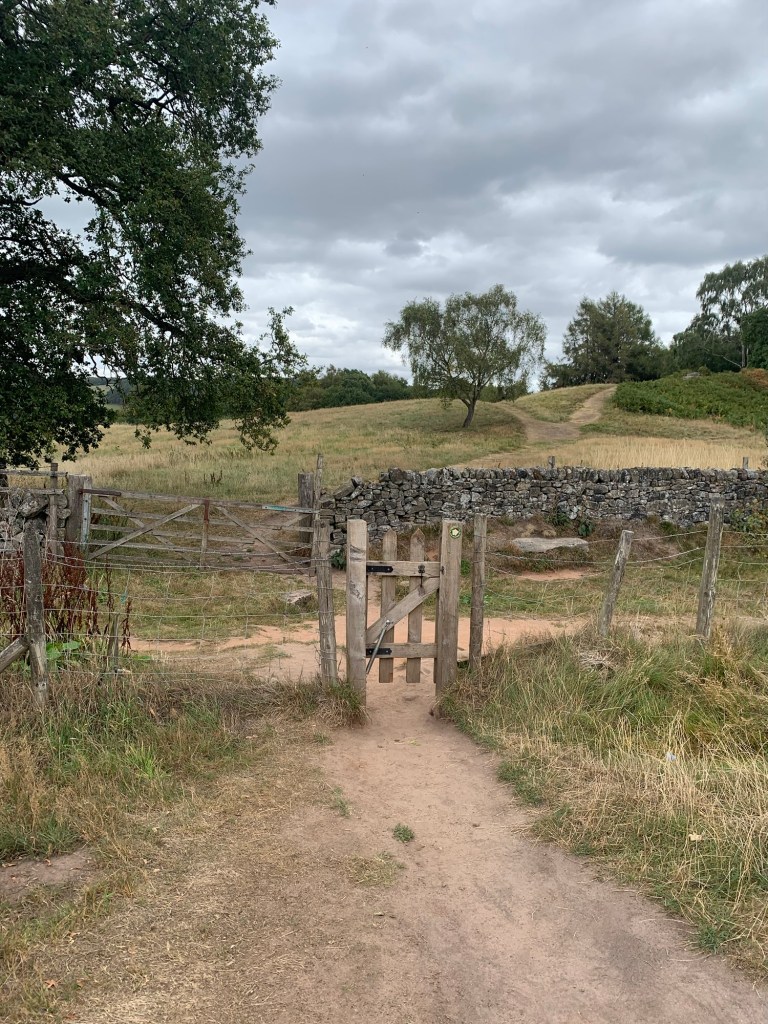
    Once again we’re walking through ancient sites with stone circles to both sides of the lane, and then once again we are back on The Portway as we pass the peculiar shaped rocks of Robin Hood’s Stride on our right and the path to the hermit’s cave under Cratcliff Tor on our left before descending.

    In his book Stephen Bailey suggests that hermits often lived in caves in lonely places where they could find solitude but which were also near trackways. This way they could also make a living by guiding travellers on their journeys.

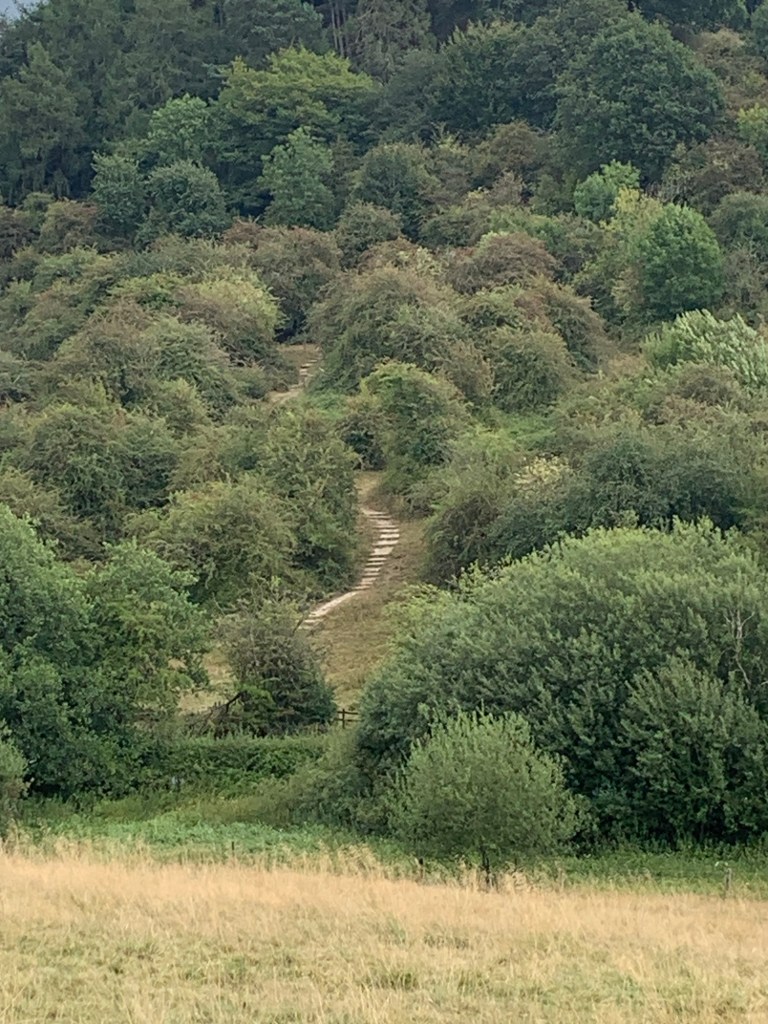
    There is a lot to explore in this area and a huge variety of footpaths to follow but for now as we descend the path to where it joins the end of Dudwood Lane we happen to look left and see the steps on the other side of the main road that we’ll shortly be climbing up to get to Birchover.

    Today everywhere is as dry as dust but during and after spells of wet weather I would NOT recommend these steps as they can become very muddy.

    [So, just in case, the wet weather alternative is to walk up Dudwood Lane away from the main road and to turn left onto the first footpath just before a building, cross the field, cross the road and continue on a broader, more slowly ascending and better drained path into Birchover village.]

    Today though we turn left across the main road at the bottom of Dudwood Lane and keep a close look out for a green finger post, cleverly hidden in a green hedge on our right.

    before heading up the aforementioned steps and onto the track to the village.

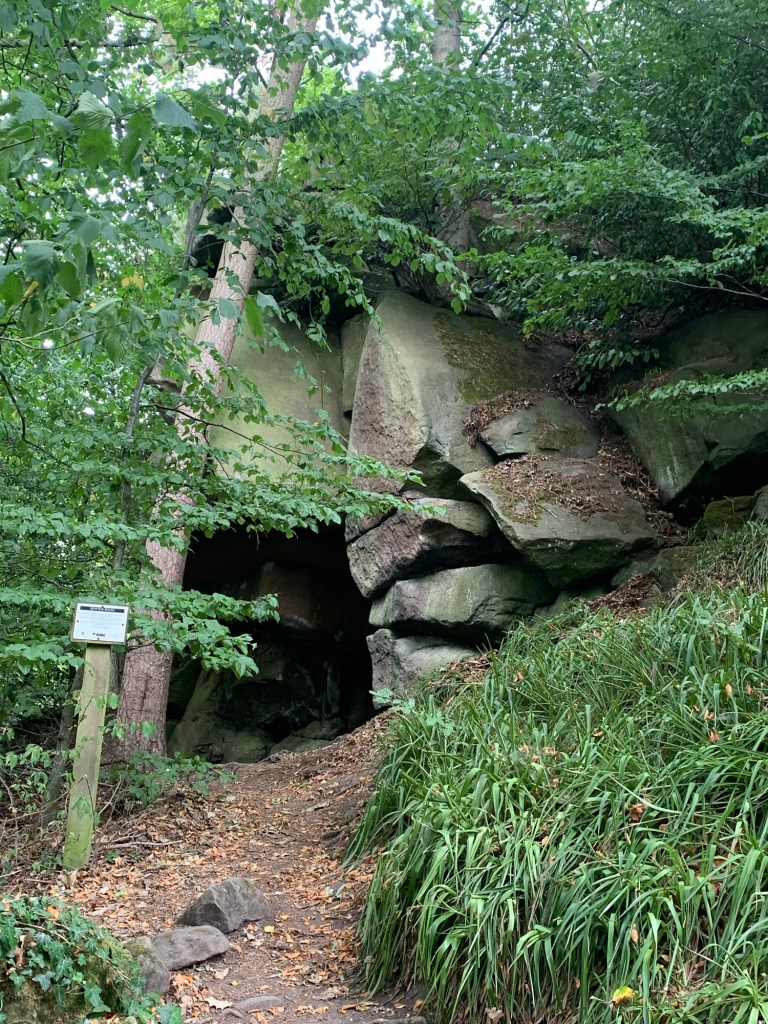
    We are heading for The Druid pub for refreshment and just beforehand we pass the way into Rowter Rocks, 

    a jumble of strange shaped stones and caves complete with carvings and with supposedly Druidic associations.

    The man behind the carvings and some of the caves was apparently non other than the local vicar back in the 17th century who seemed to be a dabbler in the occult and paganism in his spare time; an unusual hobby considering his day job, to say the least!

    And on our right is the little church built by the same guy, obviously hedging his bets.

    Anyway, no weirdos in the pub thankfully …apart from those two women who are walking through the alphabet in the Peak District. The place has a good feel to it and a friendly barman. We enjoy a drink with a very nice freshly made sandwich and all at a good value price.

    https://www.peakdistrictonline.co.uk/birchover-history/

    Coming out of the pub we head along the main street of the village where most of the cottages are built using the slightly pinky coloured gritstone of the local quarry. We pass the other pub, The Red Lion and at

    an old chapel on our right 

    we turn right onto Uppertown Lane passing the playground and walking out of the village.

    Just opposite the first building up the lane on our right ( notice the old stocks which have been restored) we turn left 

    onto the cart track which we follow for the next few kms. 

    There’s a great view across the valley towards the village of Winster which we duly note as a potential “W”, before we’re engulfed by the trees of Clough Wood.

    Passing through the woods on the undulating path, always keeping straight on

    we eventually begin our descent towards Darley Bridge heading straight ahead when we pass a sign on the left to Sabine Hay Farm, which, out of the way spot, is the annual home to the Exile Music Festival.

    https://www.exilemusicfestival.co.uk/location-info

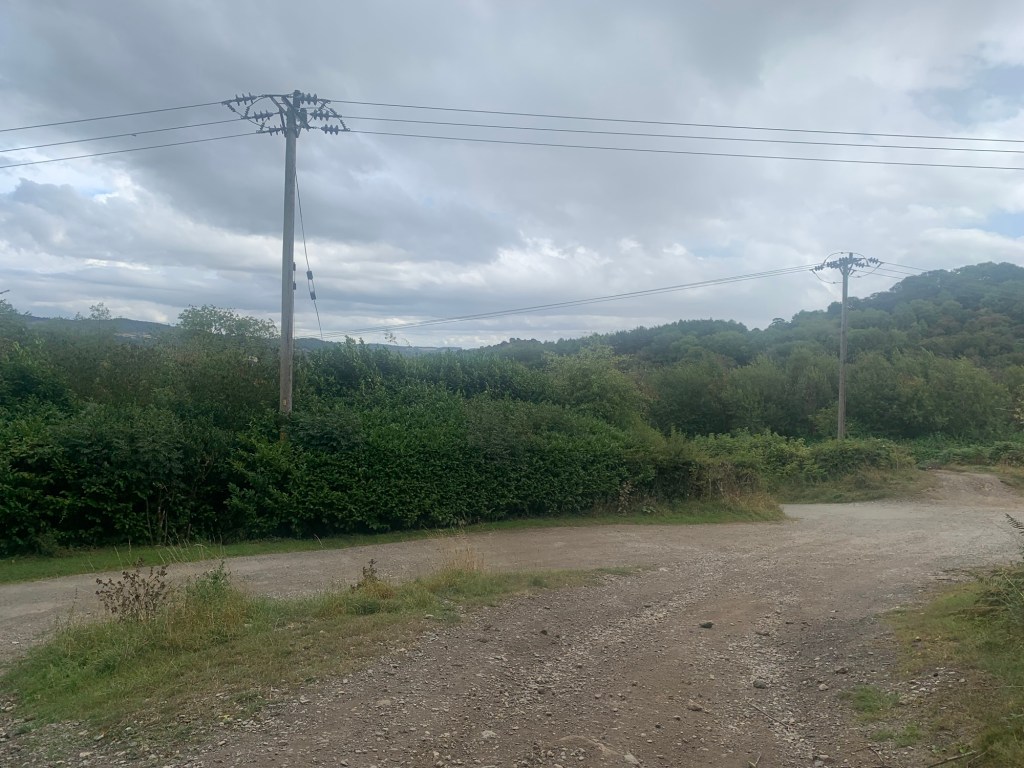
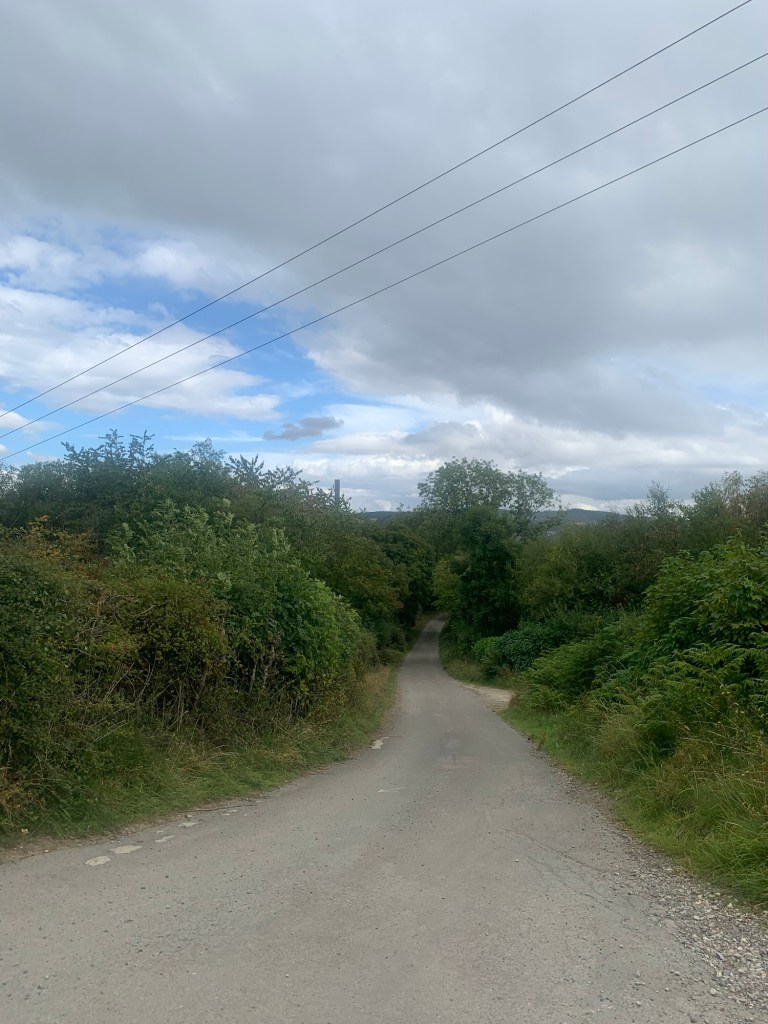
    Continuing straight ahead and then bearing left as the track becomes a metalled road 

    we see a young deer wander across the way in front of us and then become aware of a hidden factory humming away in the trees over to the left. There’s nothing to see from where we are but we’re actually passing the largest lead recycling works in Europe!

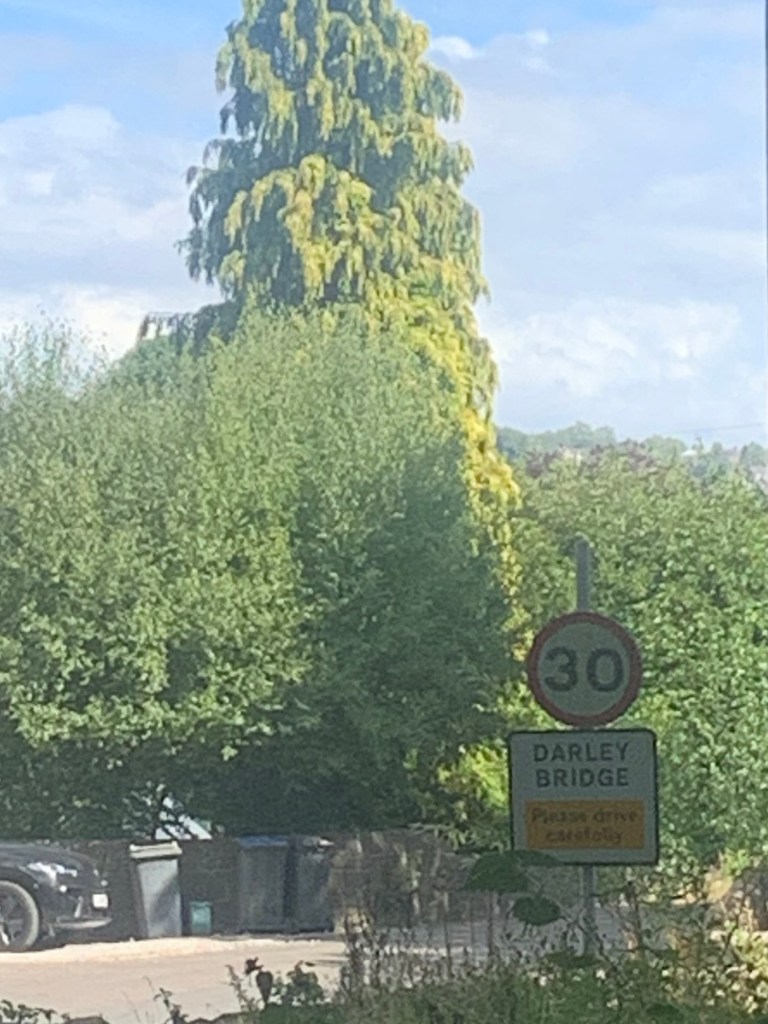
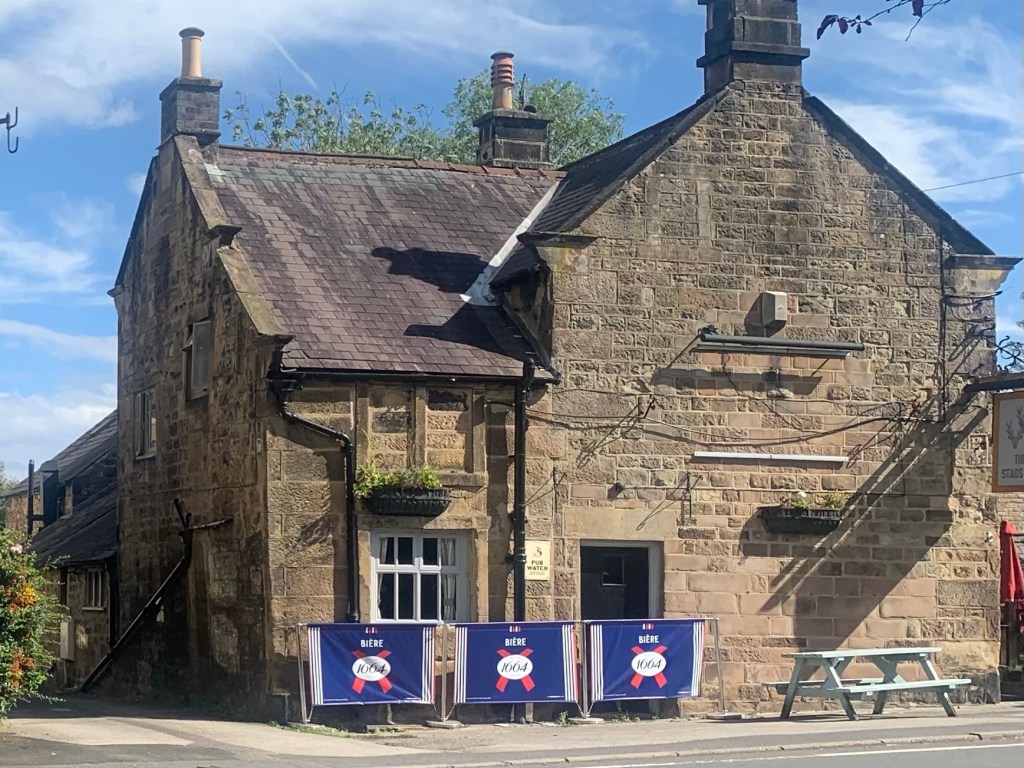
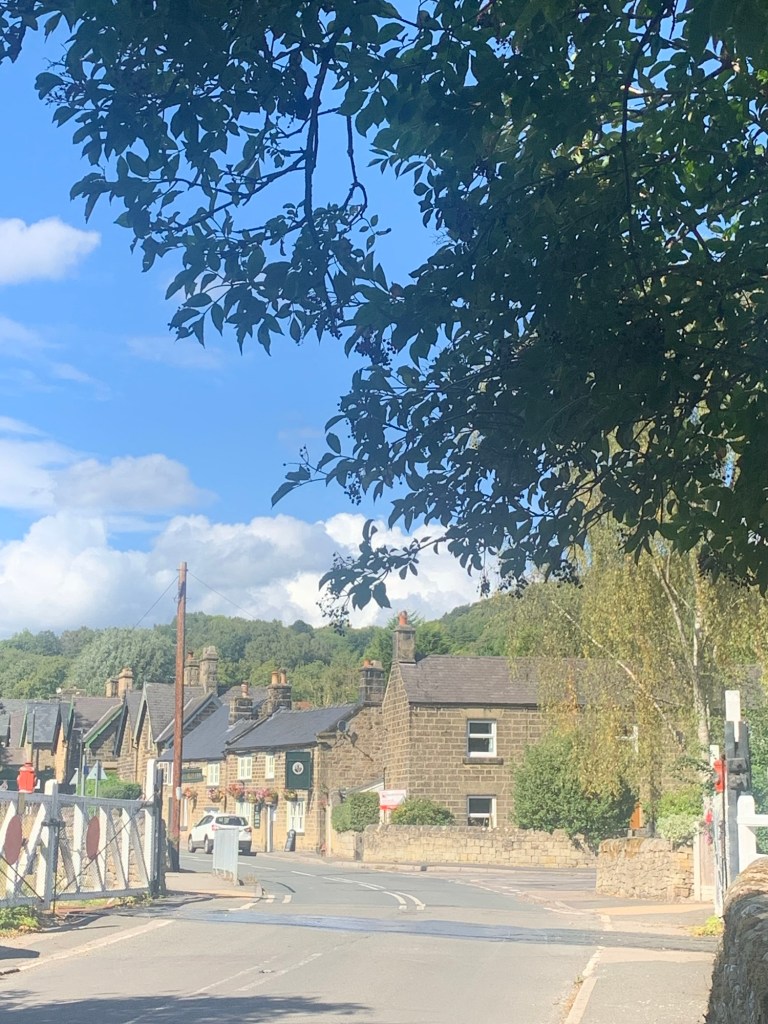
    By now our route has joined Oldfield Lane and we’re soon at the T junction with the main road through Darley Bridge and directly opposite the Three Stags Heads pub.

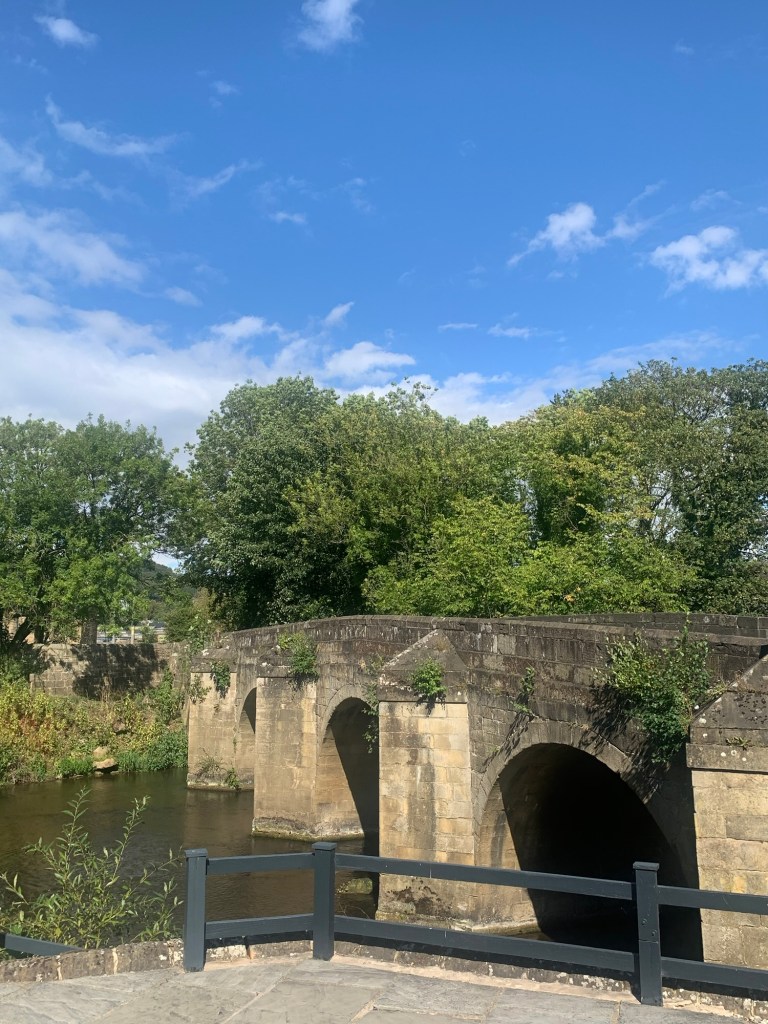
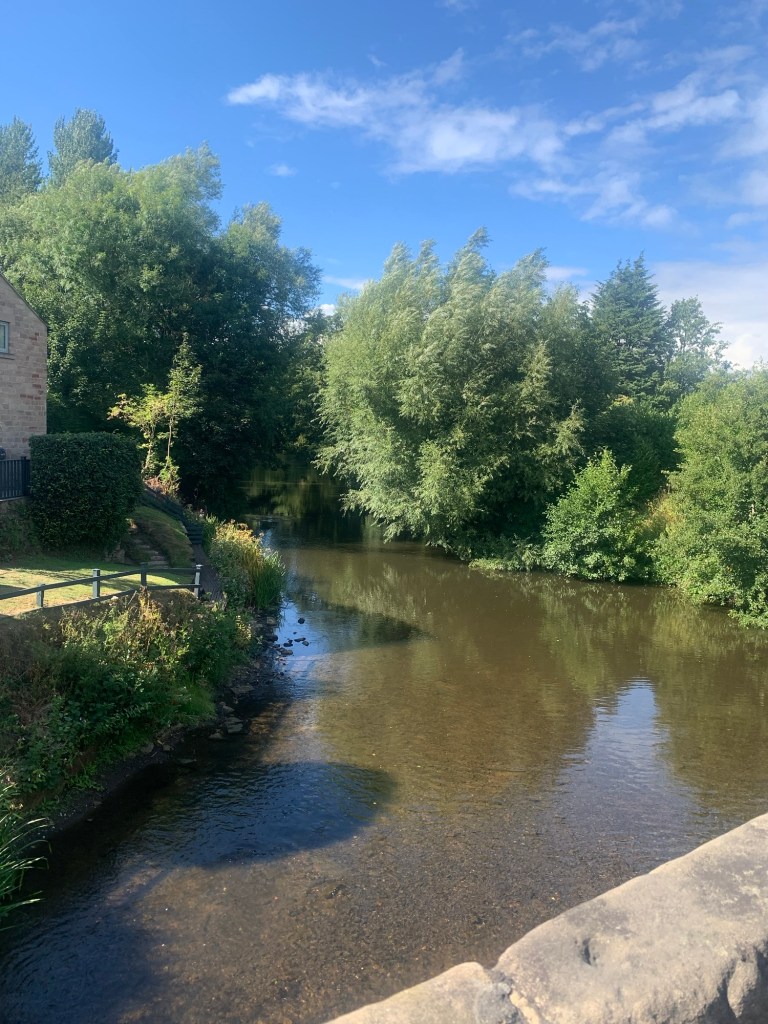
    Turning left past the houses we spot the actual bridge and then cross it, looking at the low water level of the Derwent below.

    There has been a bridge here since at least the beginning of the 16th century and even today it’s still the only way over the Derwent between Matlock and Rowsley.

    For more info on the history of this local area and a couple of old photos visit…

    https://derbyshirepostcards.co.uk/darley-dale/

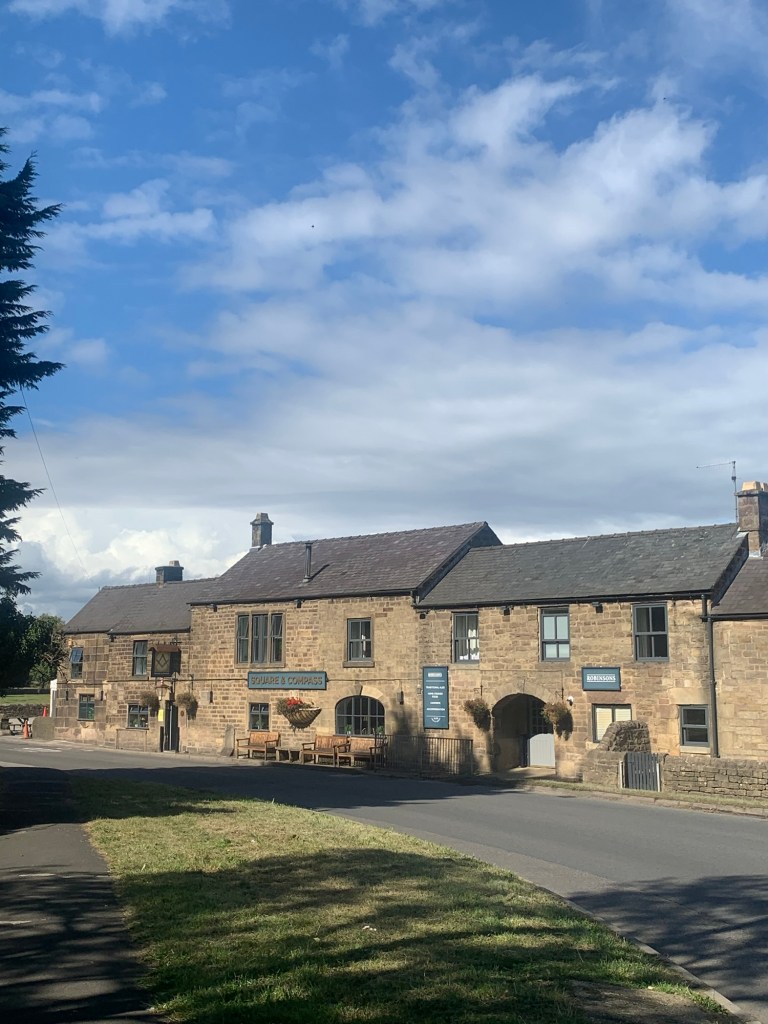
    On the other side of the bridge is another pub, The Square and Compass 

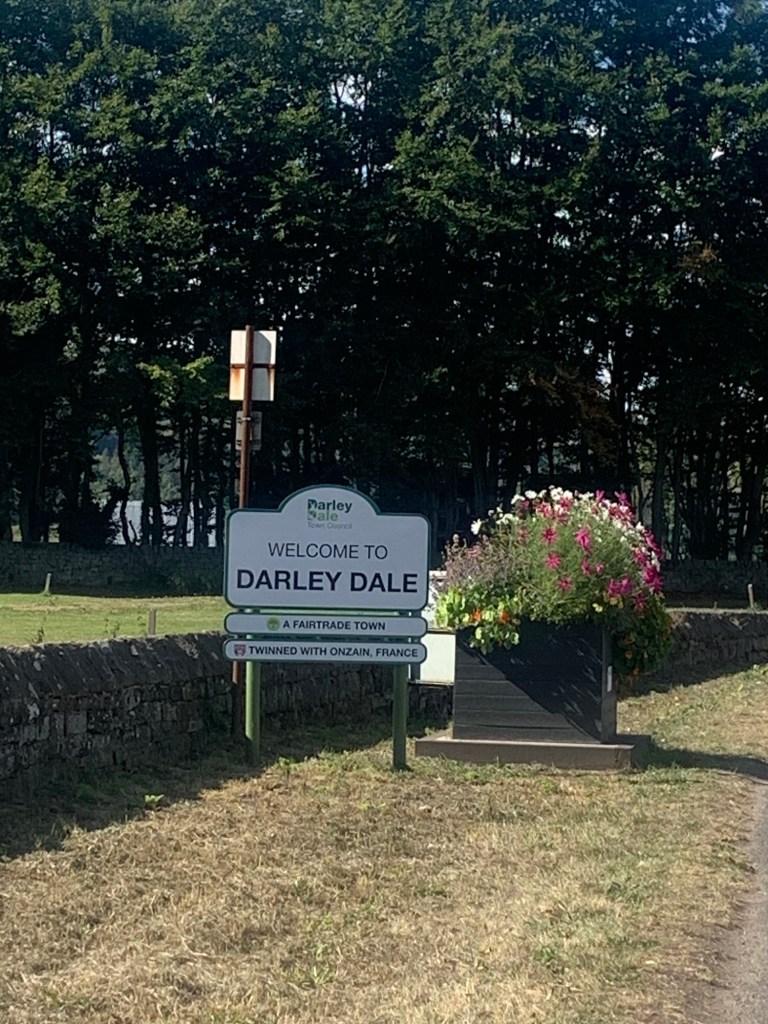
    But we keep along the left hand side of the road as the road sign tells us we’re now in Darley Dale, ( more Ds)

    and we’re on the lookout for another well camouflaged green finger post 

    which takes us past the cricket ground and along a field path by a stream. 

    This unremarkable looking stream lays claim to having been the earlier course of the River Derwent which has apparently changed its route around here over the years. 

    On emerging onto another lane 

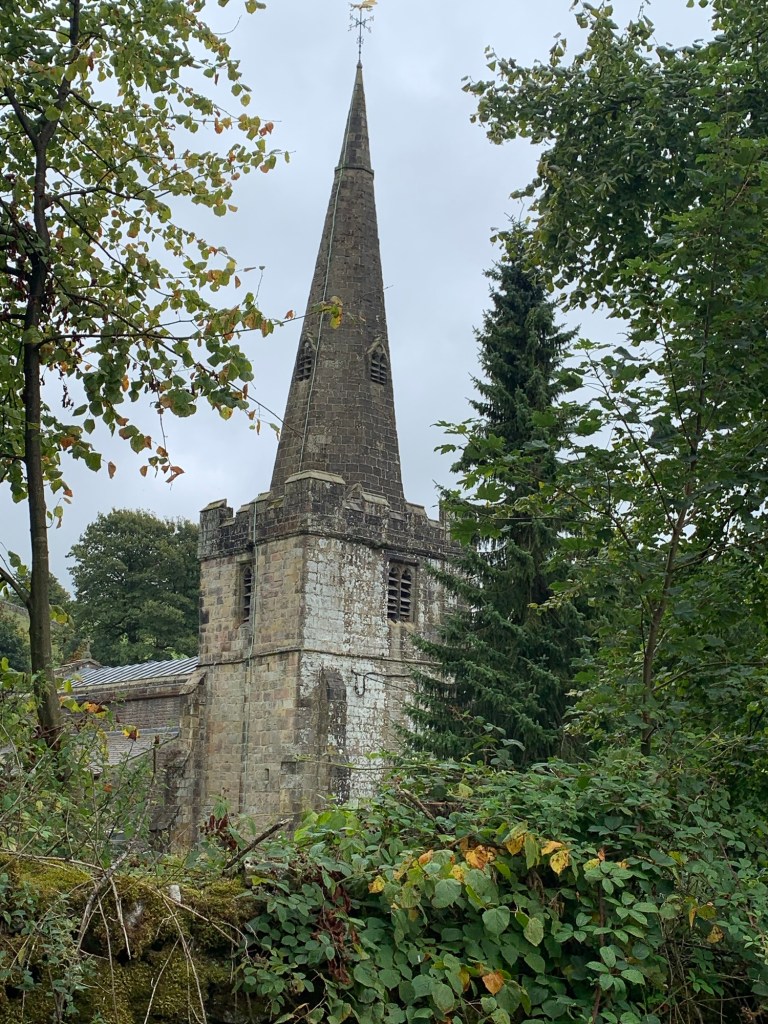
    we head past St Helen’s church, the Church of Churchtown, 

    with its huge yew tree and then over the level crossing ( the Peak rail steam engine passes this way between Matlock and Rowsley, and sometimes even has Santa on board!) 

    https://www.peakrail.co.uk

    and here we are in Churchtown outside one of our favourite pubs, The Church Inn, …….which isn’t quite open yet.

    Sometimes known as Darley Churchtown this small settlement has interesting stories galore:

    https://oldroadsofderbyshire.com/2021/12/21/the-darley-mystery/

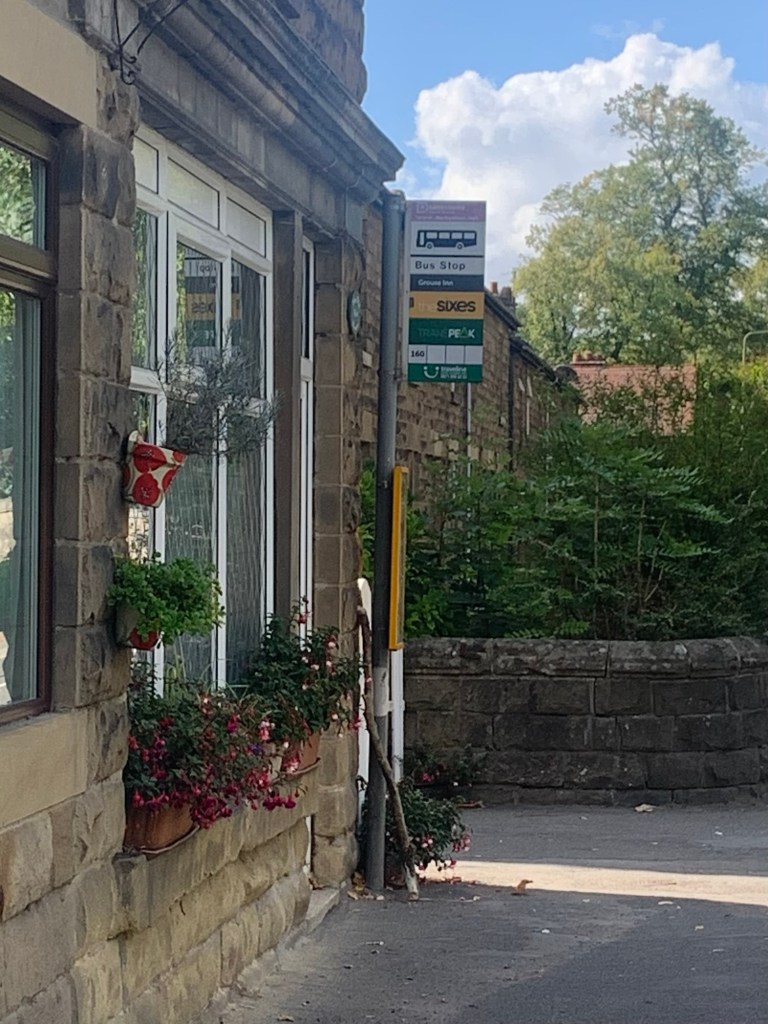
    It’s been an enjoyable and straightforward forward day so far and we consider sitting outside in the beer garden across the road from the pub and waiting for opening time…and then sensibly/unfortunately we check the bus times and notice that one of the Sixes ( the buses that travel along the A6 between Derby and Bakewell) is due soon from the main road.

    So we walk up Green Lane ( first right past the pub)to the bus stop which is on the left at the top of Green Lane.

    We wait and wait and we wait some more but nothing happens!

    Of course we don’t want to miss it so we don’t go back to the pub but in retrospect that’s exactly what we should have done. And afterwards we should have continued our walk on the cycle path alongside the railway track and then onto the Derwent Heritage Trail to Rowsley ( as marked on the map.) 

    And we would still have been in time to catch the same TransPeak bus that we eventually catch from Green Lane end, ( the Six never showed.)

    But never mind, once we get to Bakewell we’ve just enough time to grab a takeaway coffee and a reduced price bun from Pasties and Puddings, 

    https://pastiesandpuddings.com

    before our 218 arrives and departs bang on time (yet again) and takes us back home after another wonderful Peakland walk.

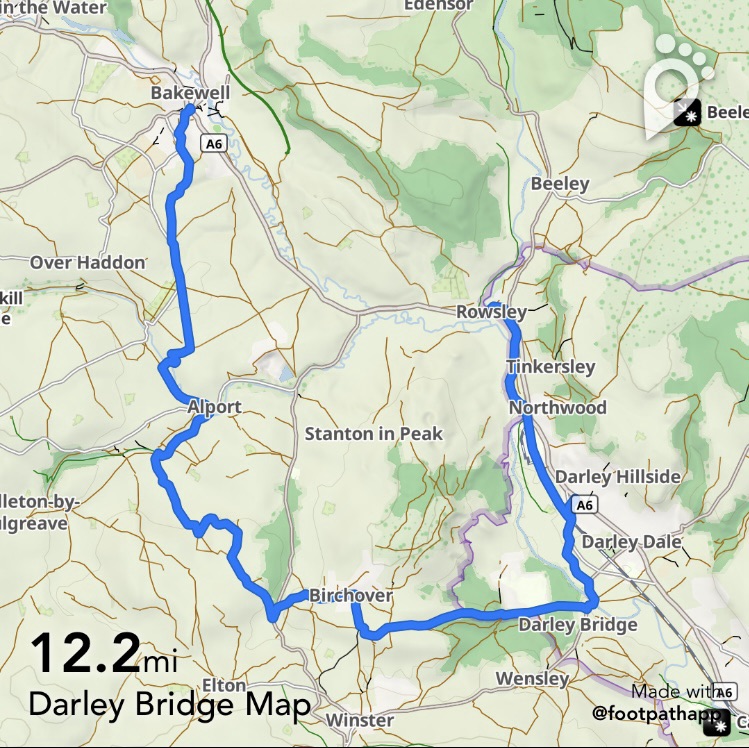
    D IS FOR DARLEY BRIDGE

    TRANSPORT 

    Bus 218 or 257 to Bakewell 

    Return from A6 near Church Town or Rowsley on one of the Sixes or TransPeak to Bakewell and then on 218/257 back to Sheffield 

    PUBS/CAFES

    in Birchover: The Druids, The Red Lion 

    in Darley Bridge: Three Stags Heads,

    The Square and Compass 

    in Church Town: The Church Inn

    HOW FAR?

    Approximate distance 22k

    ROUTE SYNOPSIS 

    Bakewell, Alport,

    Robin Hood’s Stride, Birchover, Darley Bridge, Churchtown, ( Rowsley)

    MAP

    OS White Peak

    https://footpathapp.com/routes/B03A817D-87F8-4407-A339-F56A58C5C5D2

  • C is for Chelmorton

    Today’s walk has the added excitement of an infrequent bus service for the journey back home, so do time your walk accordingly in order to avoid an unplanned night out in the Peak!

    There’s also every likelihood of encountering livestock en route so it’s probably not an appropriate walk for dog walking or anyone nervous of cows or horses.

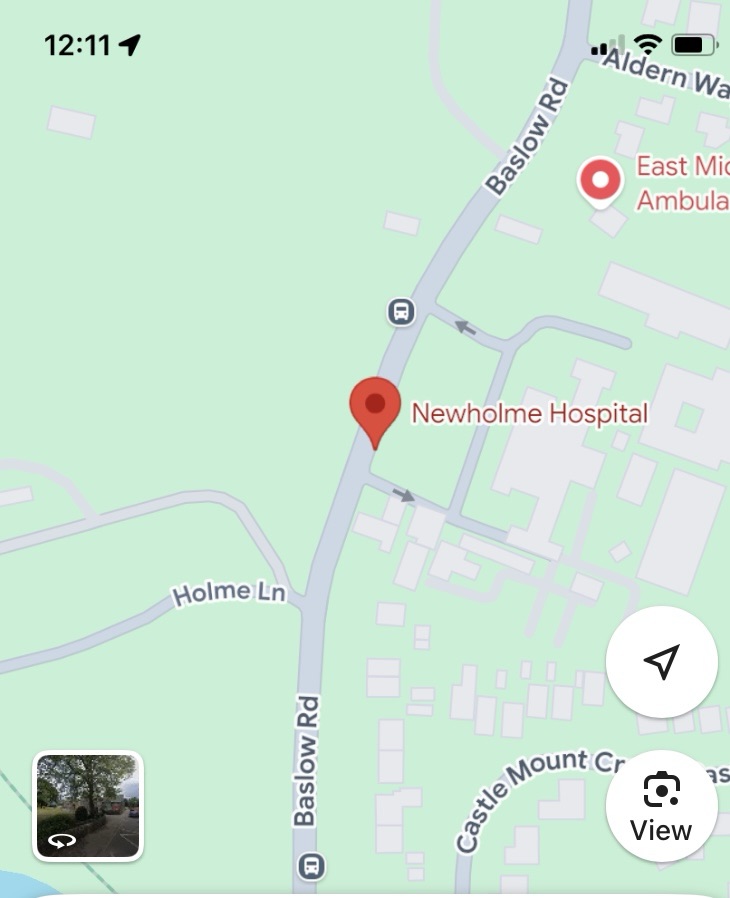
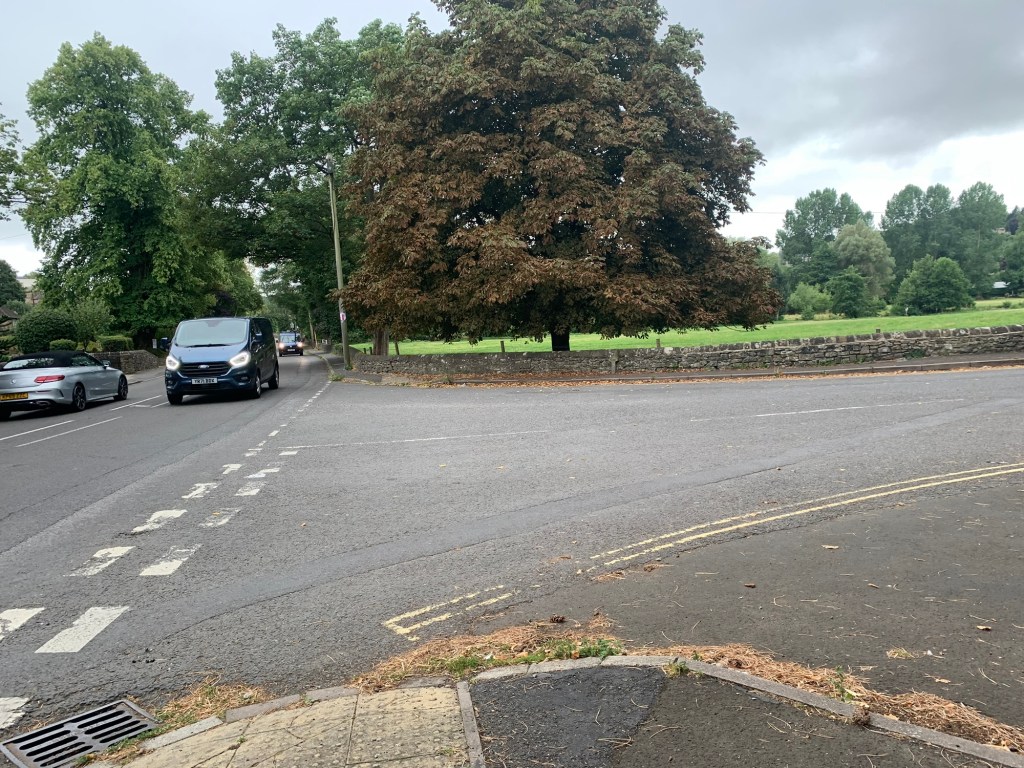
    We get off the 218 just before Bakewell town centre, the Newholme Hospital stop to be precise, and, crossing the main road,  take the right turn along Holme Lane. 

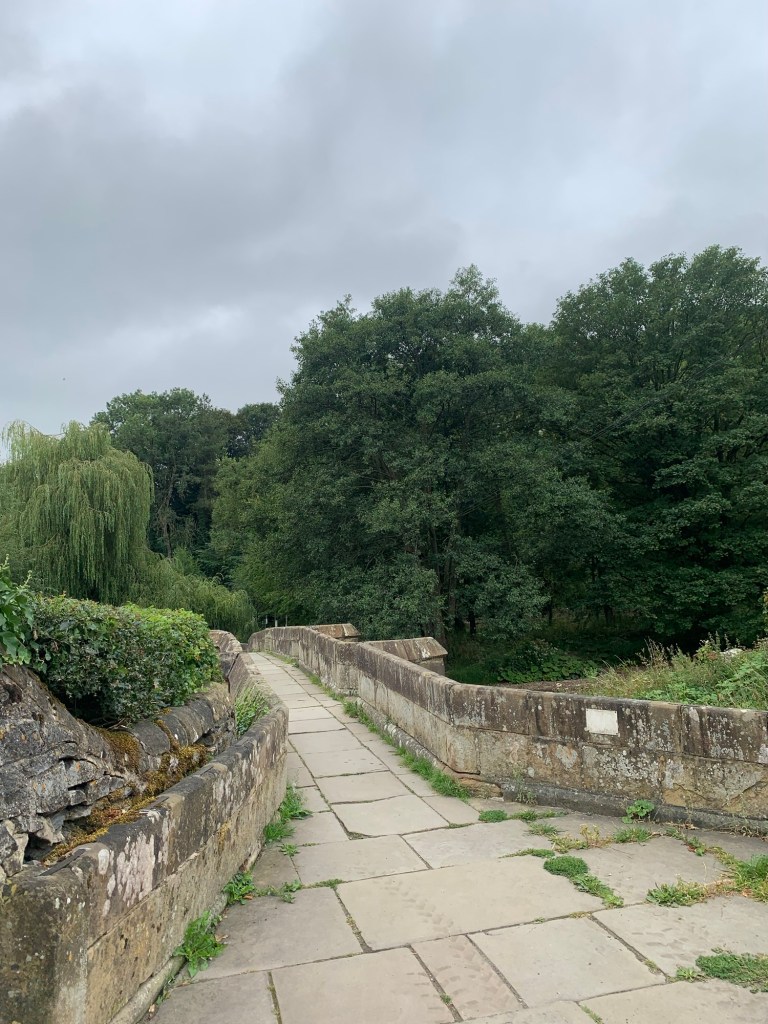
    Just as this becomes a private road, on the left hand side there’s the beautiful Holme Bridge, a 17th century pack horse bridge that we use to cross over the Wye and turn right onto the main road.

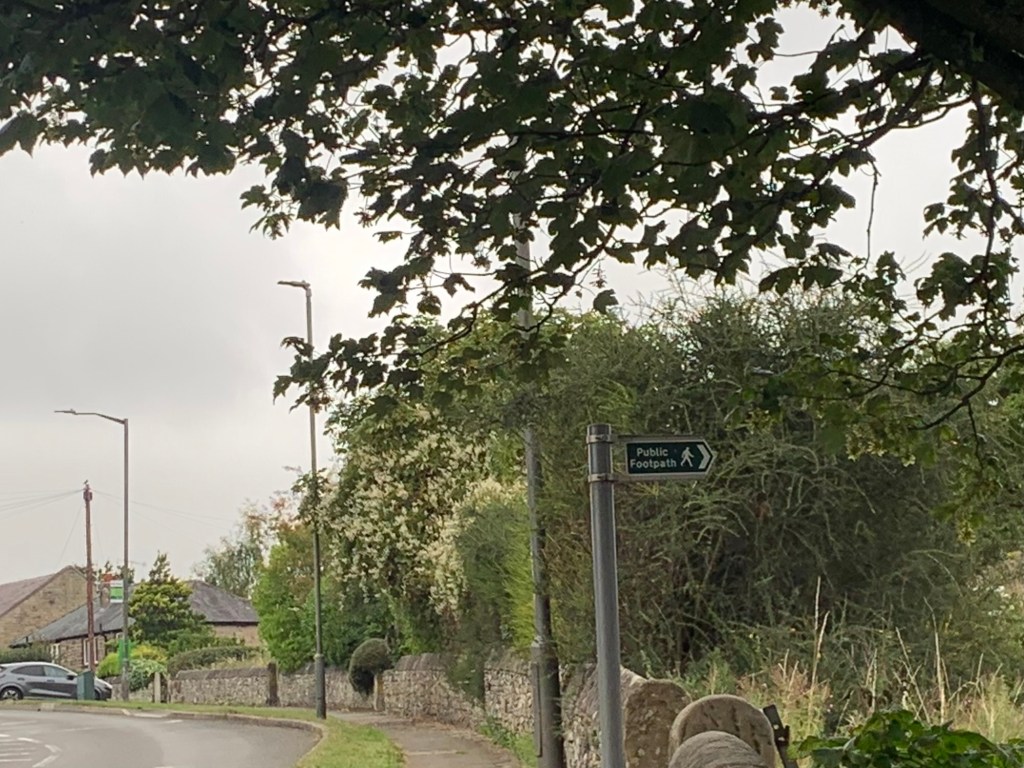
    There’s a small stretch of pavement-  walking to be endured along the busy A6, first passing the turning for the Thornbridge Brewery, grandly rehoused here as it grew out of its humble beginnings in an outbuilding at the nearby Thornbridge Hall and then passing Bakewell’s out of town Aldi, before a footpath sign off to the right takes us through a small housing estate and onto the pretty river path to Ashford in the Water.

    I love this path for some reason. Maybe because it’s so much more pleasant than the A6? Somehow it feels tucked away and overlooked although it’s well defined and obviously well used. 

    More bridges are coming soon as the path crosses the field to briefly rejoin the road before we turn right across the old road bridge ( back over the Wye) and with the cricket ground on our right, we cross over the A6020 into Ashford village.

    I love Ashford too, in fact it was our choice for A the last time we walked through the alphabet. Today,  despite the grey drizzly day we’re having, it looks very well presented with its church, the much photographed octagonal shelter and all its lovely old buildings and gardens. Ashford is quite a village as far as facilities go too; the most relevant for us being, a shop, two pubs and a cafe,

    The Ashford Arms

    The Bulls Head

    Aisseford Tea Room

    and, very usefully, public toilets.

    Of course the main crowd puller here is the Sheepwash Bridge which we use to cross over the Wye (yet again!) and from which we spot lots of ducks but alas, no sheep washing.

    That’s the last we’ll see of the river until the end of our walk and it’s the end of the flat walking for a while too, as we cross the main road and head for the finger post straight opposite. 

    Up we go, and the higher we climb the better the views back down into Monsal Dale and over to Fin Cop. On a fine day this would be magnificent but actually it’s very atmospheric today in its own way.
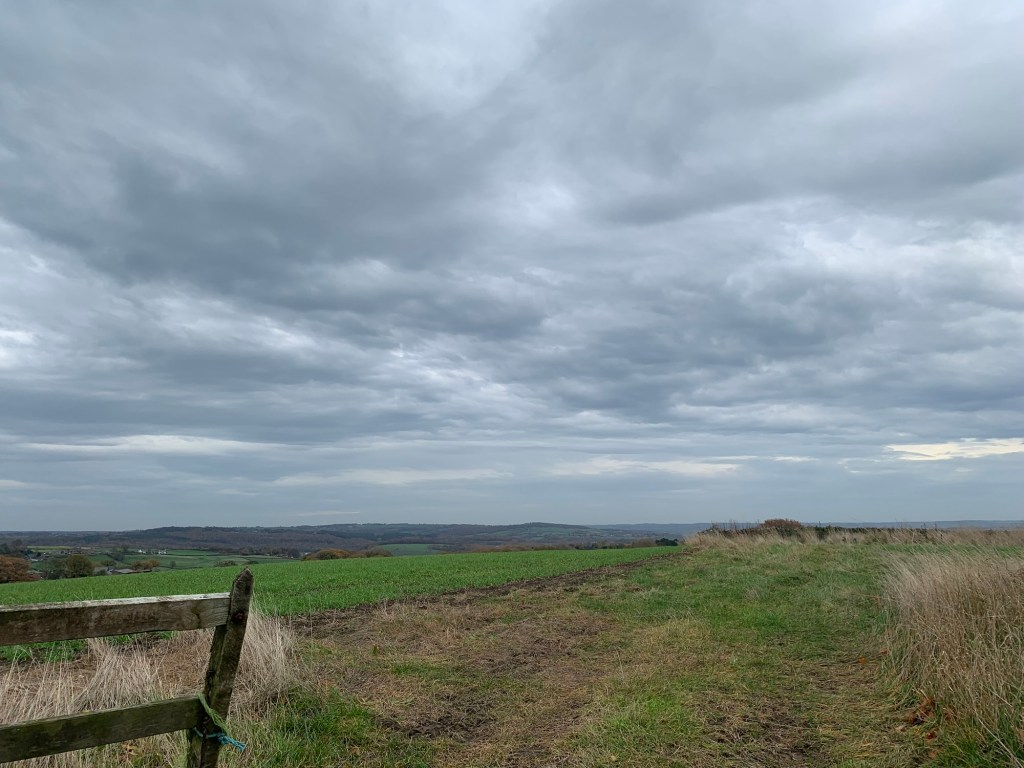
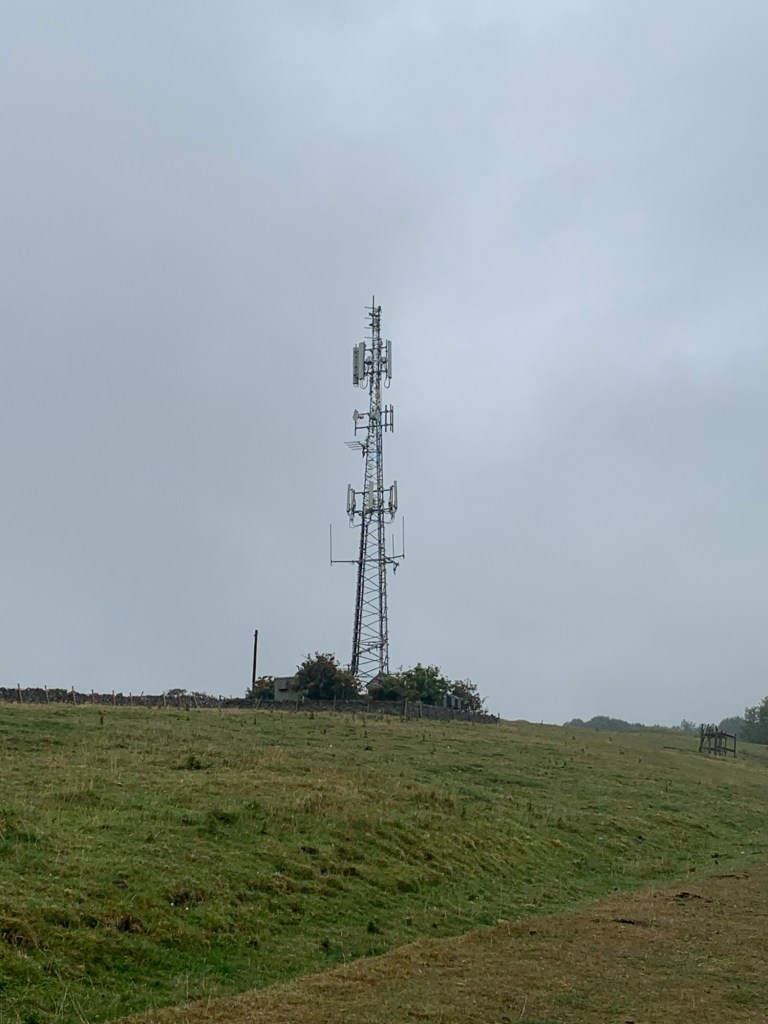
    Once past the television mast the hill eases off a bit and when the path arrives at the lane we follow the lane to the right, winding back downhill a little before crossing straight over the next road and onto another short but steep path before turning right onto the next lane and into the village of Sheldon.

    A much smaller affair is Sheldon with its one pub and one street but very typical of Derbyshire’s limestone villages and with a wealth of history in the area of lead mining at the nearby Magpie Mine. We’re going to have to come back this way in the future for further exploration.

    As it is, we’re soon at the other end of the village and shortly after the metalled road turns to the left we spot our footpath sign on the right and clamber over the first of many stiles as we start to cross numerous fields of all shapes and sizes.

    The limestone walls and the stiles themselves are a feast for the eyes. Viewed close-up every stile we climb is full of fossils, whilst further afield the wall patterns crisscrossing the landscape make this a very distinctive landscape. The white of the limestone and the green of the fields creates a very different feel to the gritstone landscape of our our previous walks for A and B.

    Here also, are our first encounters with the cows. They seem to be a docile enough bunch today, but why they always decide to stand in front of the stile you’re aiming for I just don’t know.

    The path is just visible but not particularly well trodden so we play spot the stile from one field to the next to be sure of our way.

    The path forks fairly soon after it’s started and we take the left, but it wouldn’t be the end of the world if you took the other option as both paths eventually end up on the cart track known as Wheal Lane. 

    We follow the track past Over Wheal farm where it becomes a tarmac road heading through more limestone scenery before dropping down into village of Taddington.

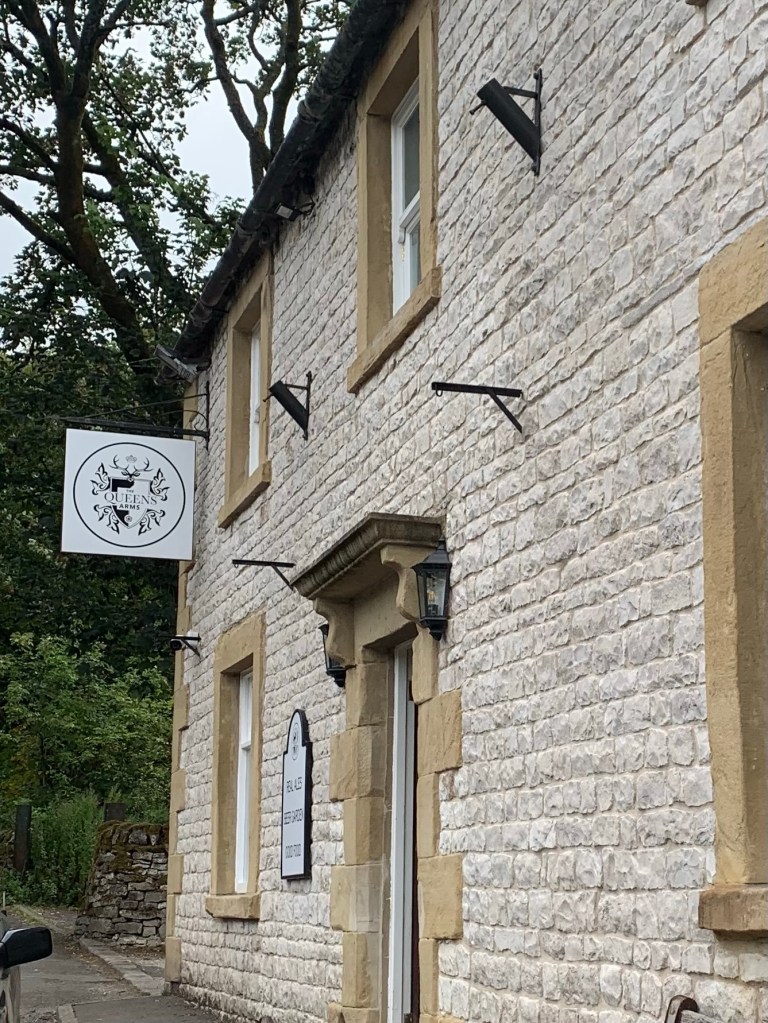
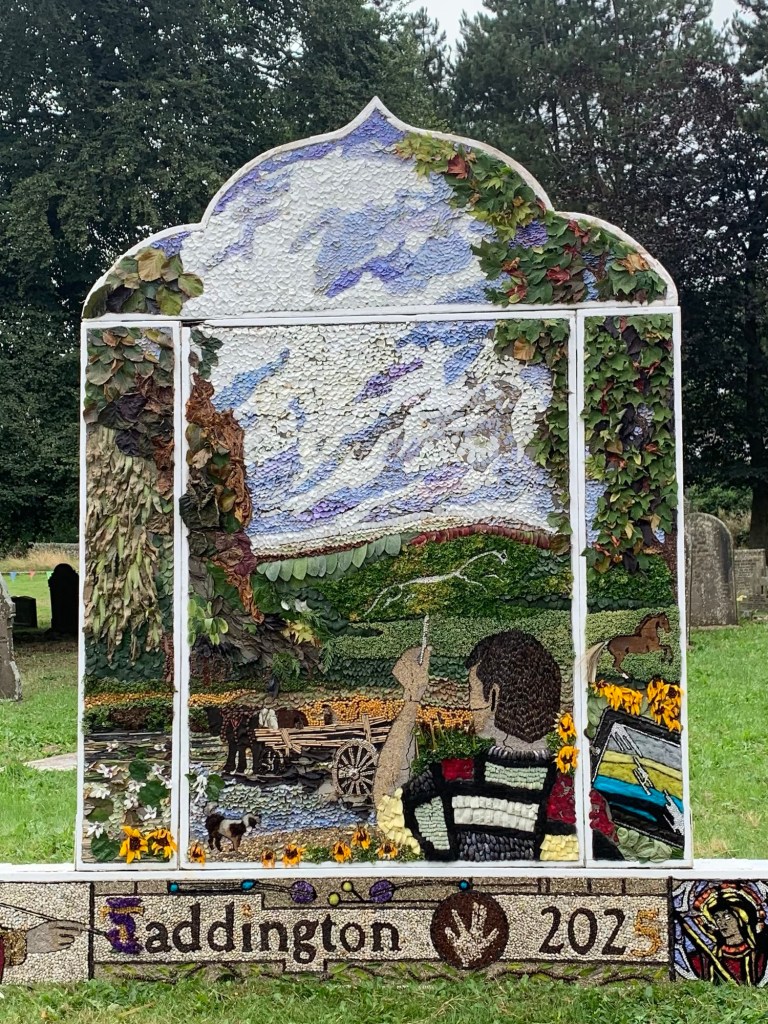
    Taddington has the very welcoming Queens Arms which is a great place to stop off for food and drink and also today we were lucky to catch the village well dressings at the church.

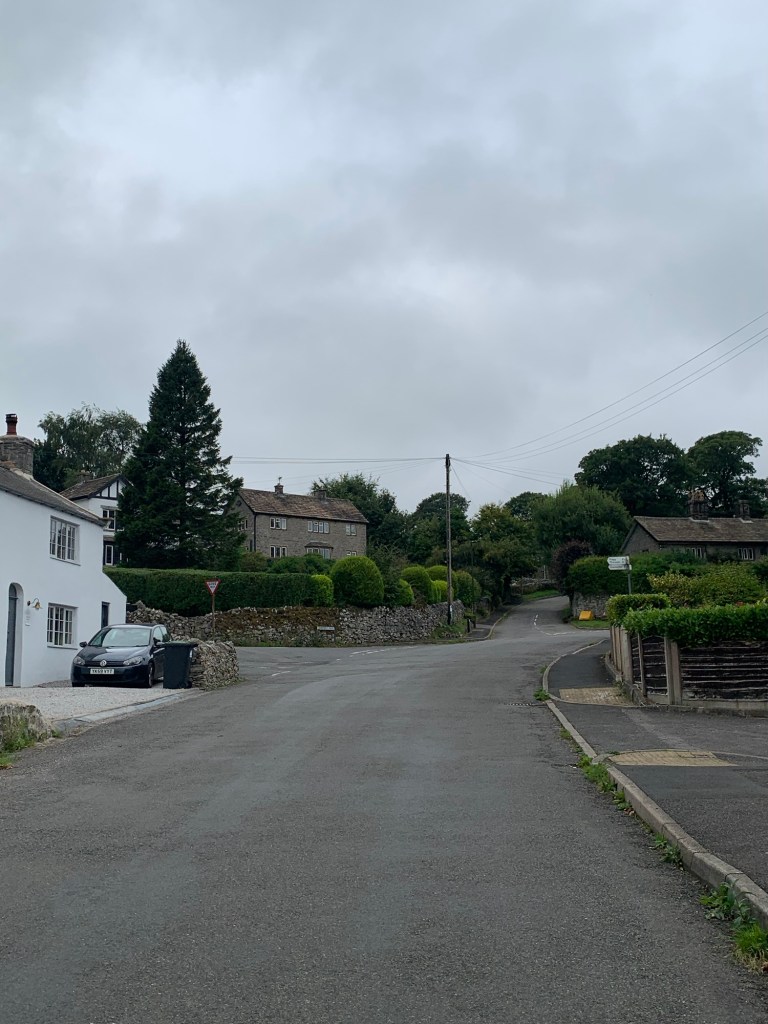
    Taddington is an old lead mining village with a lot of history and interesting clusters of houses of varying dimensions and designs. There’s the feeling that there used to be a lot more going on here in days gone by.

    For engaging snippets of information about the five pubs (!) which used to be in the village check out:

    https://www.bygoneboozers.co.uk/post/a-taddington-threesome

    Past the church at the opposite end of the village to the Queen’s Arms there’s a kind of five way crossroads 

    and we need to turn briefly left onto Humphrey Gate before taking the very narrow path between houses on our right 

    which leads up onto the higher ground behind the village. 

    We cross Slipperlow Lane and continue on the path uphill heading for the telephone mast and Sough Top. 

    We’re back onto high level field paths with lots of more stone walls and stiles and a few more cows and horses.

    Views of the limestone countryside are far ranging and the gritstone moors behind Buxton come into view in the distance.

    Near Five Wells Farm we stop to say hello to some friendly donkeys ( residing in a different field!) and we continue straight on, crossing first the Limestone Way and then the Pennine Bridleway before heading along a very bumpy stretch (I’m sure is evidence of lead mining)  before dropping down steeply into our destination village of Chelmorton.

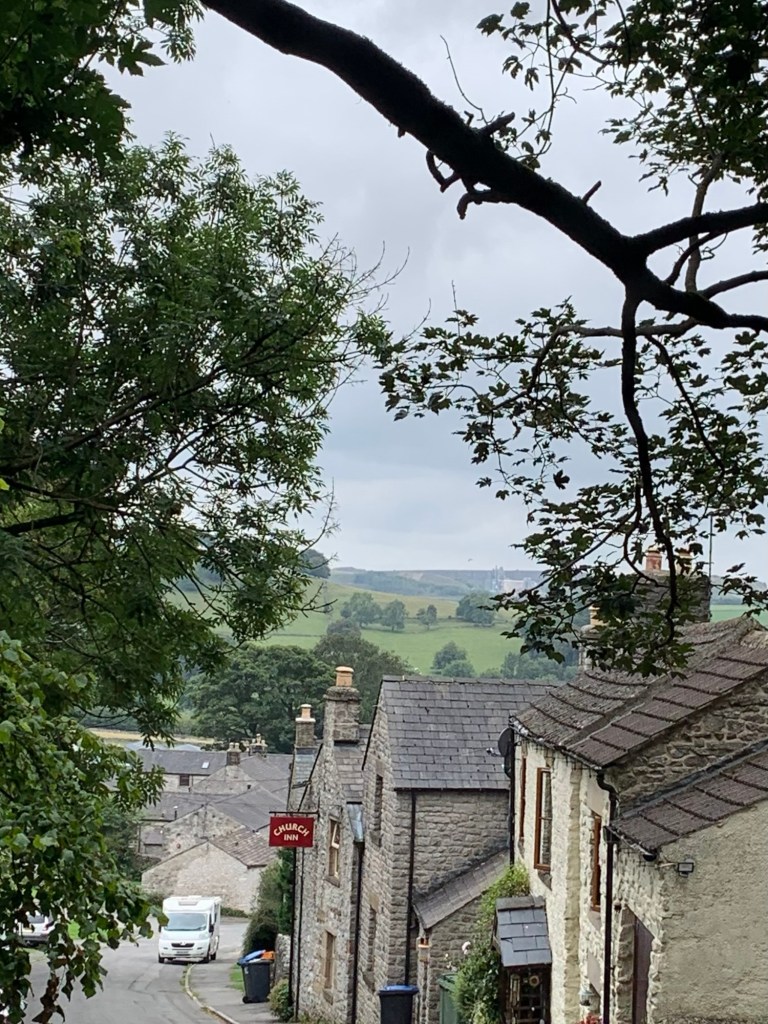
    The pub is called the Church Inn and is opposite the church ( no way!) It is a lovely pub and a great place to eat, drink and be merry. 

    Chelmorton is another lovely limestone village and well worth the hike.

    It has the claim to fame of being the highest village in Derbyshire and the church of being the highest church ( check out the weather vane too) and apparently it’s been around since the 11th century so no wonder everything seems to be named after it!

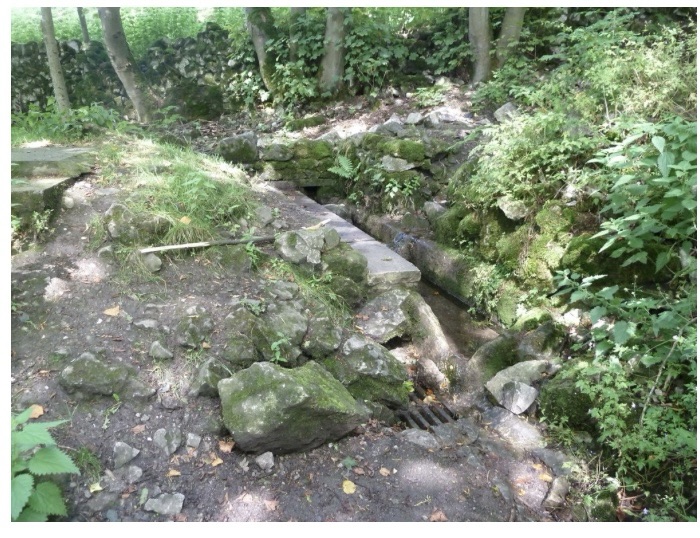
    Just before we arrived in the village we passed a sign marking Bank Pit Spring, which was the original water source for the village and still runs through the village to feed the water troughs lower down.

    The stream is called the Illy Willy Water and seems to be tied up with the history and the very existence of the village.

    I’d love to know where that name came from.

    http://chelmortonparish.org.uk

    After sampling the delights of the village we take first left below the pub onto Church Lane ( apart from the imaginative name for the stream, other names do seem to be a bit limited) and follow the road, marked on the map as part of the Midshires Way. At the T junction turn left for a few metres and then left again onto the Pennine Bridleway and, hey presto, we are soon back up near Five Wells Farm where we’d crossed the PBW before arriving in the village.

    No, it’s not a mistake, it’s just an elaborate way to avoid retracting our steps!

    Obviously just back- tracking is an alternative option; possibly a little shorter but perhaps less aesthetically pleasing? There’s not a lot in it.

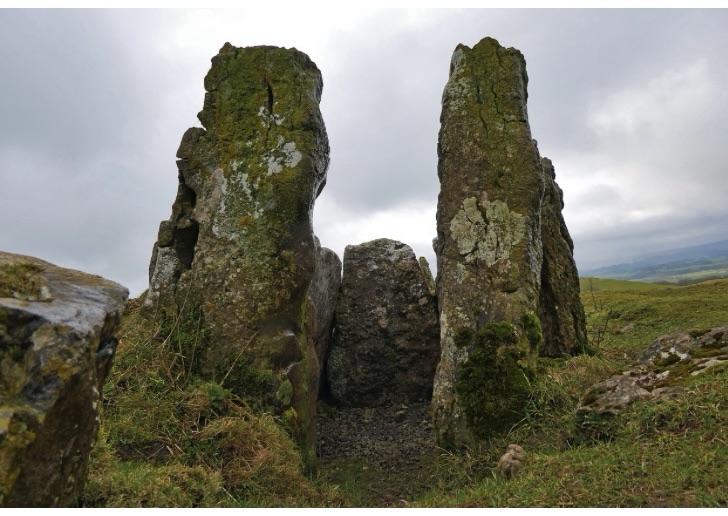
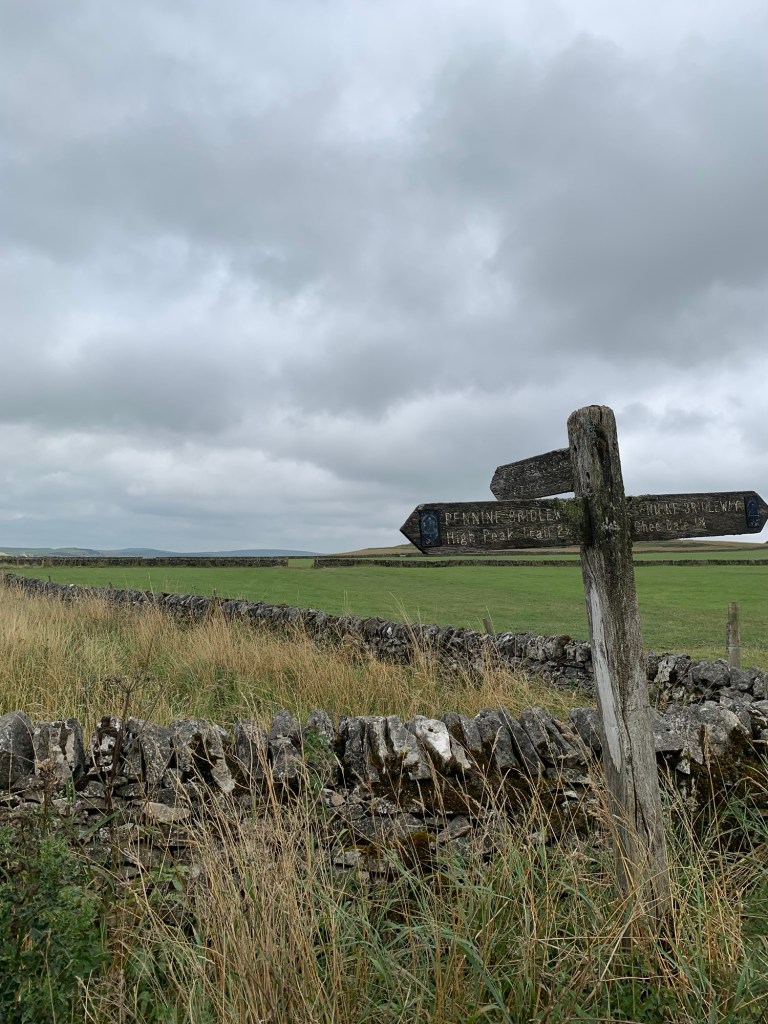
    Anyway, from here as we now head straight ahead on the PBW we soon pass a battered finger post pointing the way (to the right) to the ancient chambered cairn known as Five Wells Tomb.

    If you like old things, (as in Neolithic), this is well worth the detour. And besides being very old it’s also said to be the highest chambered cairn in Britain and it’s an amazing view point.

    I love it there.

    https://en.m.wikipedia.org/wiki/Five_Wells

    Coming back to the PBW we continue straight ahead taking an obvious right at the old quarry followed by a left down to the main road.

    We cross straight over and continue on to Blackwell where we have a few choices for how to complete the walk depending on how much time there is left before the bus is due.

    The longest and probably the best option is to turn left at the T junction and continue to follow the PBW until you meet the Monsal Trail at which point you will turn right and follow the trail to Millers Dale.

    However today we are turning right past the caravan site and on through Blackwell village.

    If you’re really short of time you can actually catch the bus home from here at the crossroads, Blackwell Lane End, and these days there is even a cafe at the caravan site although I’m not sure of opening times.

    https://beechcroftfarm.co.uk/daisies-coffee-shop/

    However, if you’re continuing to Millers Dale as we are today, simply cross straight over at the crossroads, continue along the lane and at the brow of the next hill take a left along the Limestone Way.

    This is a lumpy and rocky cart track which heads rapidly down hill to emerge just a few hundred metres away from the end of the walk. At the bottom of the track turn right along the main road and grit your teeth for a few minutes of unpleasant road walking with not much of a verge to escape onto. But here we are in Millers Dale, at the bend in the road we’re once more crossing the River Wye and soon after ( just past the bus stop on the other side of the road) we’re standing hopefully at the bus stop for a scenic ride back home on the 65.
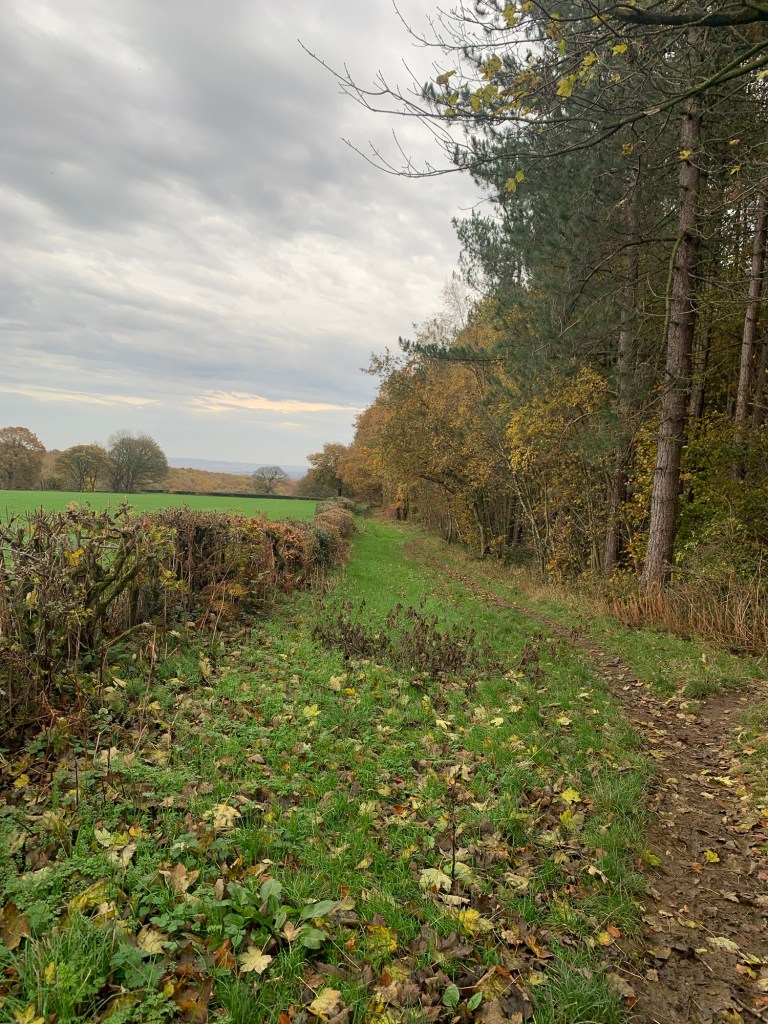
    If you arrive early enough in Millers Dale there’s a lovely cafe at the old station just up the road to the left as you cross the bridge.

    http://www.blueberryfood.co.uk/the-refreshment-room

    And the bus ride home on the 65 is absolutely one of the most scenic rides in the Peak, giving us lots of ideas for other walks using various letters of the alphabet on the way!
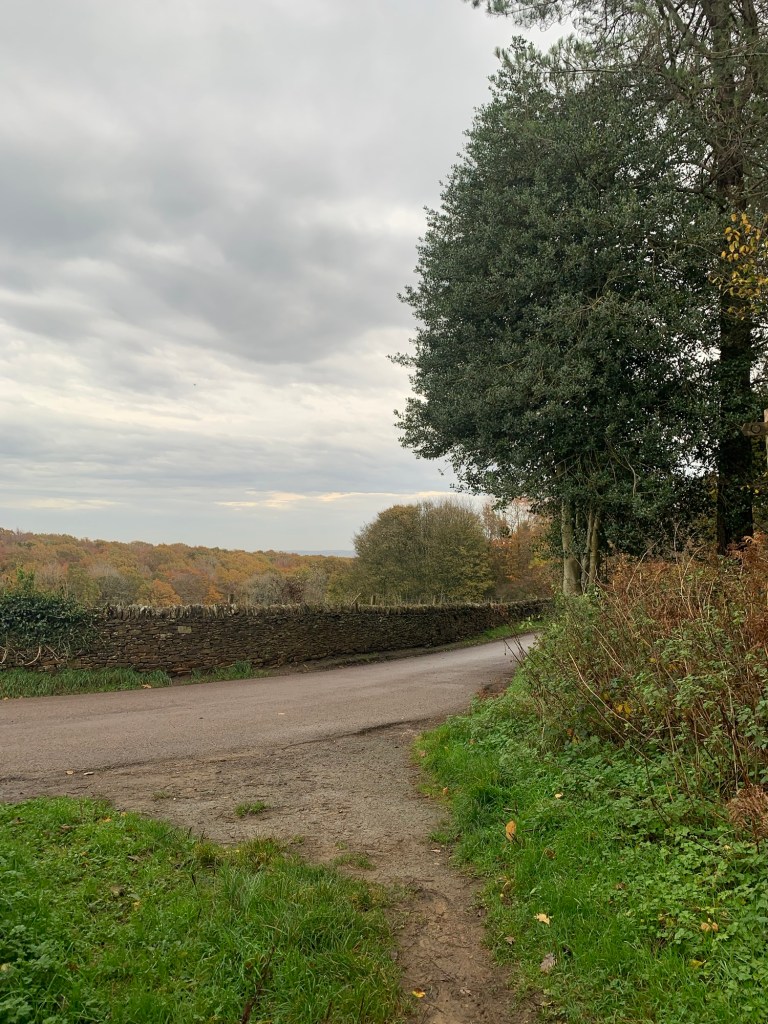
    A great day out in the Limestone uplands.

    See you next week for D.

    https://footpathapp.com/routes/8F17B45F-B06A-4A87-847C-70D342B9EBBB

    C is for Chelmorton 

    TRANSPORT 

    Bus 218 or 257 to Bakewell 

    Return from Millers Dale 65*

    *Infrequent service, check times!

    PUBS/CAFES

    Edge of Bakewell : The Tin Hut Cafe

    Ashford in the Water : Ashford Arms,

    Bulls Head, Aisseford Tea Room

    Sheldon: Cock & Pullet

    Taddington: Queens Arms

    Chelmorton: The Church Inn

    Blackwell caravan site: Daisy’s Cafe

    Millers Dale: The Refreshment Room

    HOW FAR?

    Approximate distance 24k

    ROUTE SYNOPSIS 

    Bakewell, Ashford in the Water, Sheldon, Taddington, Chelmorton, Millers Dale

    MAP

    OS White Peak

  • B is For Bakewell

    There was an impending heatwave for  today’s walk but although it was warm there was a lot of cloud cover and even some rain at first. This made for hazy atmospheric views rather than good photos ( apologies in advance) but we were actually quite grateful to be spared the predicted highs as it was much more comfortable for walking 
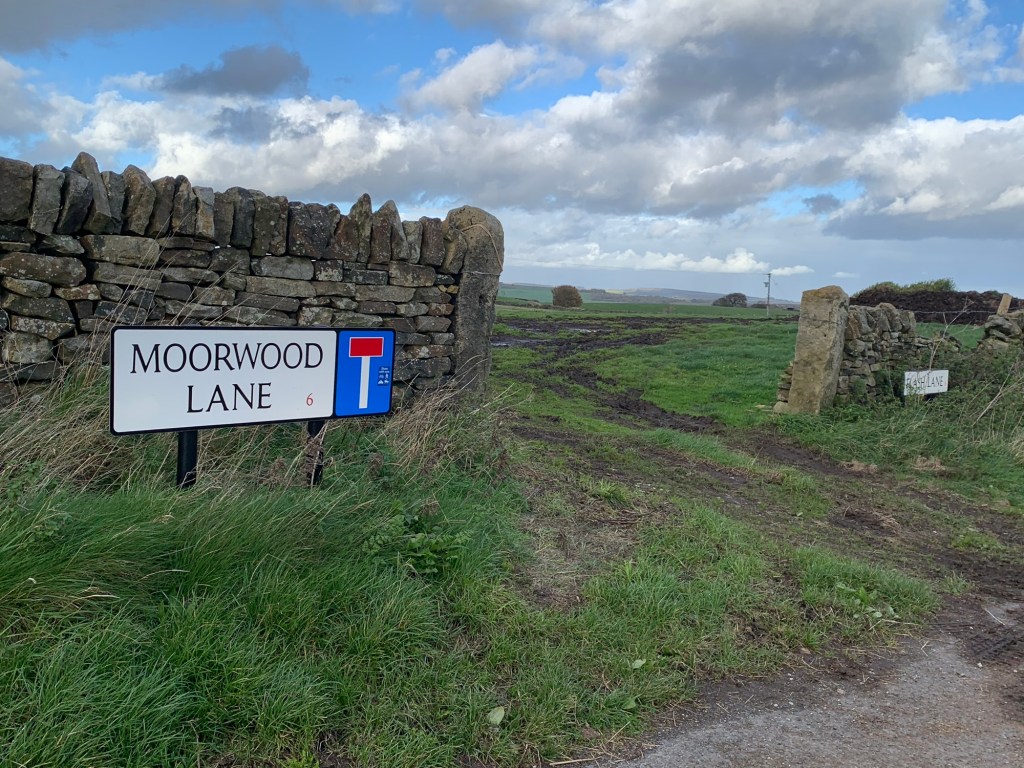
    …And, it did get sunny later, just in time to reward us with some spectacular views back over most of the day’s walk.

    Fox House has been a pub for around 250 years and although it’s had numerous face lifts even in my memory, I think it still retains that slightly dour appearance, both inside and out, of an old coaching inn and an atmosphere of history. A building with many tales to tell.

    Despite the inn sign, the name is nothing to do with a fox but is the surname of a local farm family with a history that also stretches back for generations. For more fascinating information on this family and snippets of local history of the area visit 

    https://tishfarrell.com/tag/callow/

    So, back to the walk:

    Go straight ahead from the bus stop, crossing the road whilst checking the famously tricky bend where the pub stands and take the footpath slightly to your right where the wall is often broken down….whether from poor footings or results of poor driving around the bend, I’m never quite sure.

    At the end of the downhill path turn left along the ( traffic free) road to Longshaw Lodge, once a shooting lodge for the Duke of Rutland but now owned by the National Trust and with a post -covid much revamped cafe with great views.
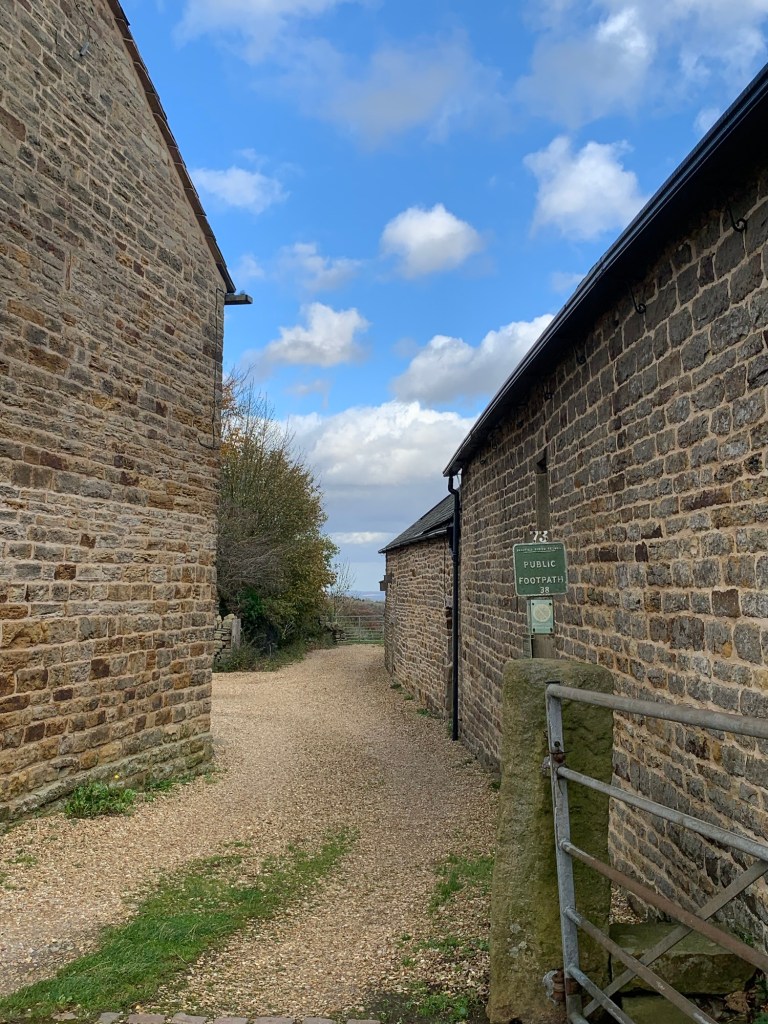
    https://www.nationaltrust.org.uk/visit/peak-district-derbyshire/longshaw-burbage-and-the-eastern-moors

    Refreshments, toilets and water stop are all available here if you’re already in need of them.

    The path we take is the one that skirts below the lodge, passing the information board with an old photo of when the building was used as a convalescent hospital for soldiers during the First World War.

    Go through the gate and straight ahead through the next gate where you will join one of the many pleasant paths through Longshaw Estate.

    Just keep straight on all the way through the park.

    At the far end, on reaching the road, turn right and then shortly afterwards take the footpath on the right signposted to Jubilee Woods. 

    Bear left to where another sign by a gate takes you onto a pleasant path which follows the field boundary wall.

    Turn left as the wall turns left and keep straight ahead through the top part of Haywood. 

    We are on a detour dodging the road here but in doing so also dodging the Grouse Inn which unfortunately isn’t yet open today but is well worth a visit if you happen to time your walk differently.

    You’ll be able to spot Haywood car park on the left through the trees but continuing directly on you’ll soon descend steeply on cobbles to ford the stream. 

    Afterwards climb steeply up and, on joining the road turn right briefly and cross to the white gate.

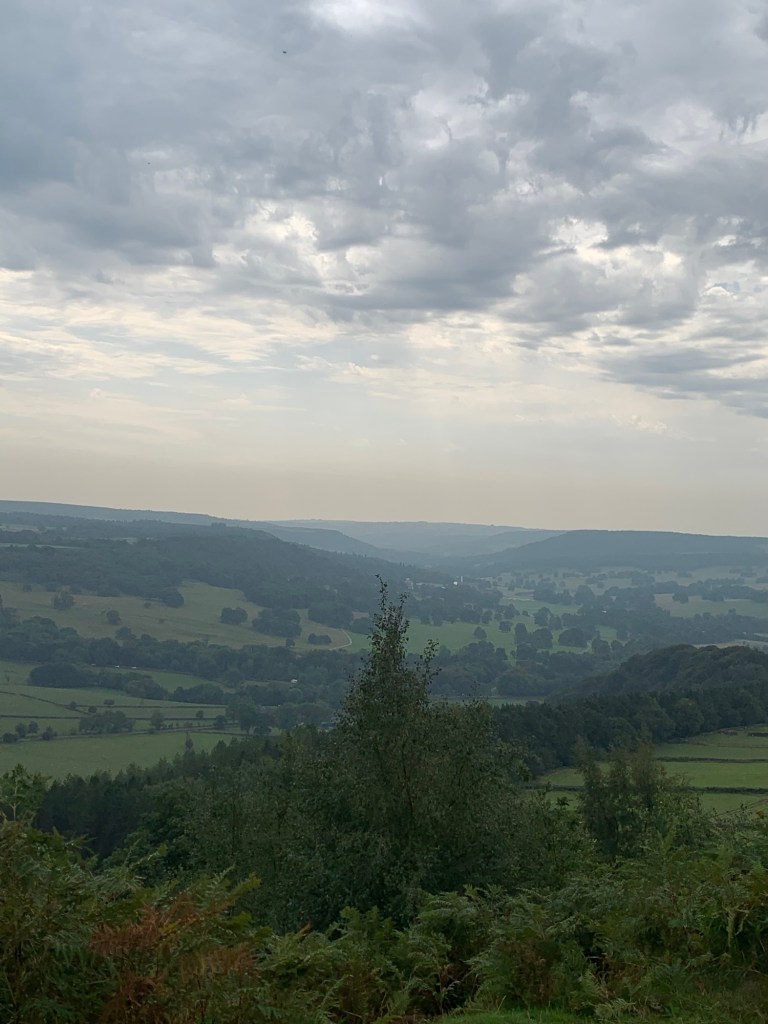
    The white gate leads to the path through pretty silver birch woods and then onward above Froggatt Edge with wonderful views ( given the weather) across the Derwent Valley and further afield.

    Froggatt is still very much a climbing Mecca, as are all the gritstone edges of the Peak District. Although short in length these climbs require a variety of skills and techniques and their importance in climbing history remains as unchallenged as does their relevance today.

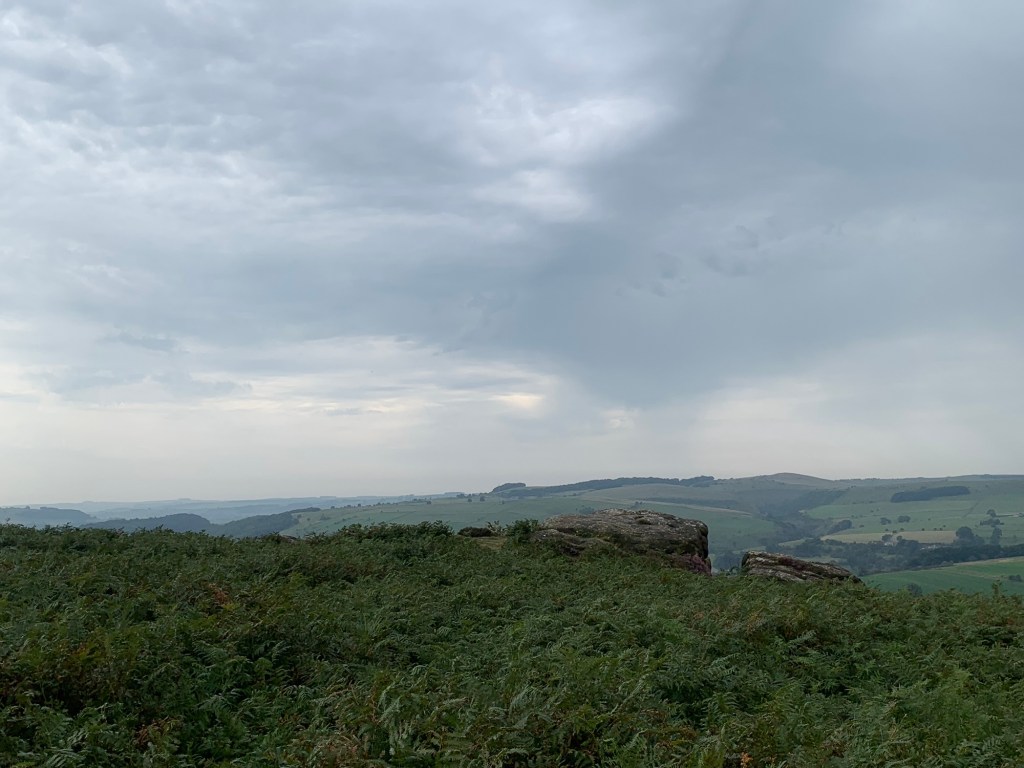
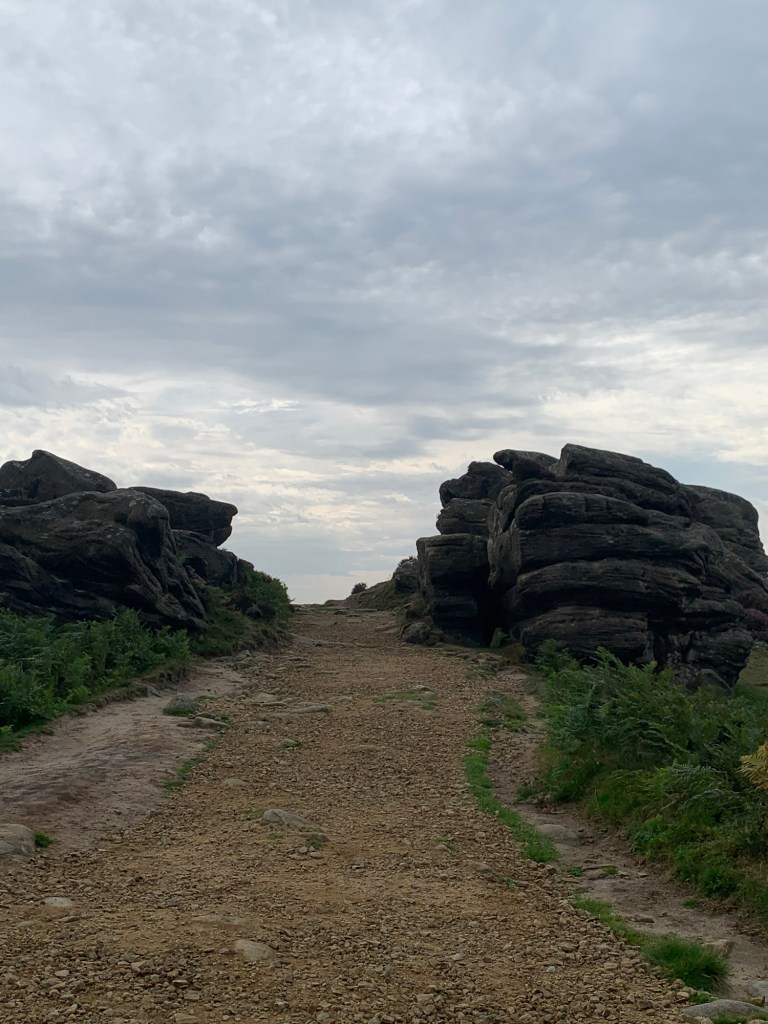
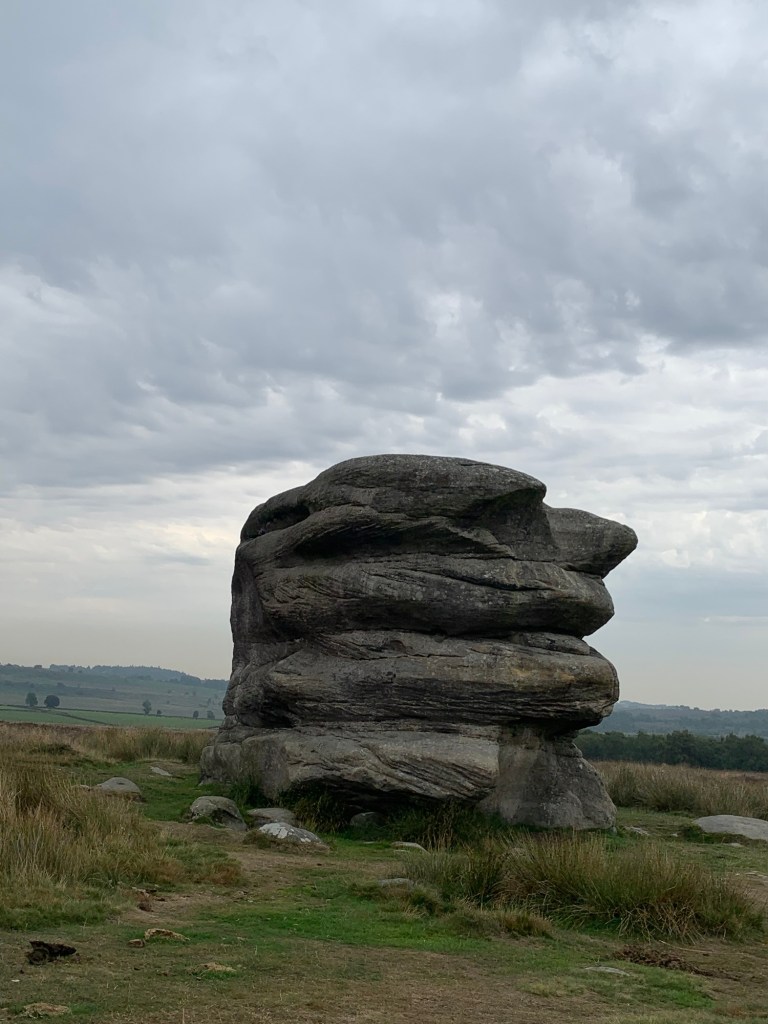
    After Froggatt comes Curbar Edge and then we cross the road at Curbar Gap. If you’re doing this walk at a weekend you might treat yourself to a drink and a bun at the Coffee Truck on the car park but, either way, it’s not far now along the top of Baslow Edge, past the weirdly shaped Eagle Stone

    and then, pausing to see if we can spot the fountain in Chatsworth’s gardens, we head steep downhill towards Baslow. 

    Follow downhill as the path becomes a lane and then a road turning left by the bench on the green triangle onto Eaton Hill . Look out for a footpath sign on your right which takes you through the houses and onto the main road. 

    Cross the main road and turn right, where we head straight for the Pavilion Cafe by the cricket field; great refreshments at a sensible price and one of our favourite cafes.

    After leaving the cafe turn back right briefly retracing your steps and then take the footpath on your right down some steps from the road.

    Cross over an attractive little bridge and on joining the main track into Chatsworth turn right. Having passed through the curious gate

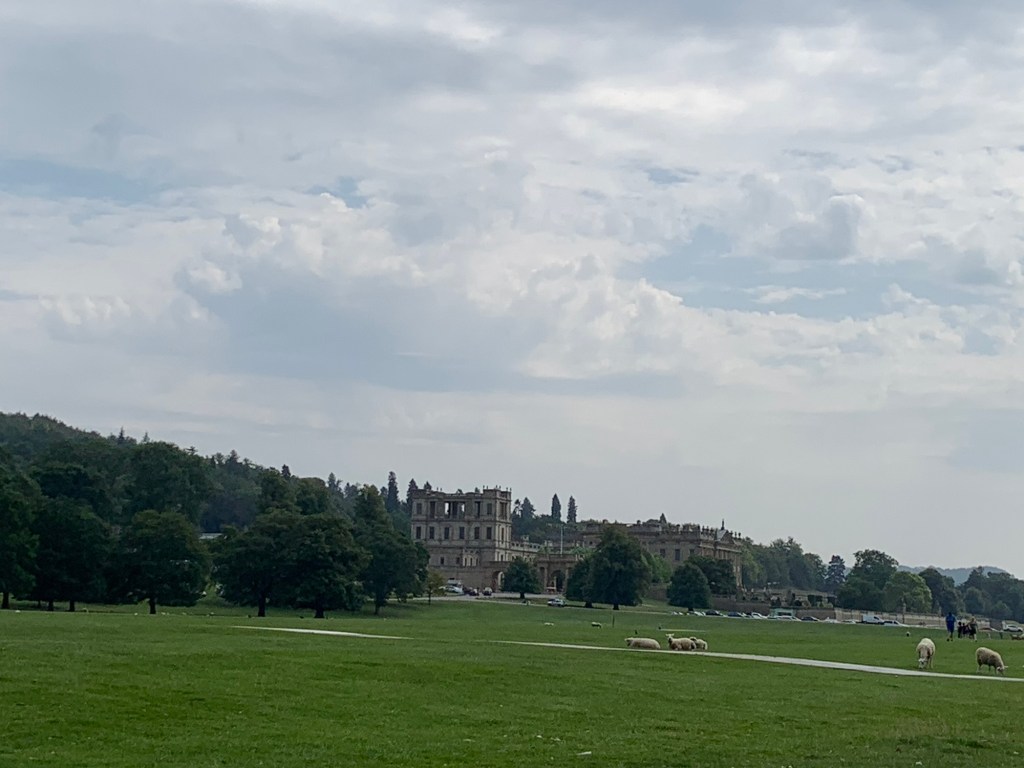
    and past the information boards, Chatsworth House looms into view on the left and then Queen Mary’s Bower, the walled and moated garden where Mary Queen of Scots got her exercise whilst under house arrest at Chatsworth during the 1570s.

    Cross over the Derwent on the attractive three arched Paine’s Bridge and then bear right along the gently climbing path towards Edensor. The views of the house looking back from here are magnificent and you might be lucky enough to see the deer.

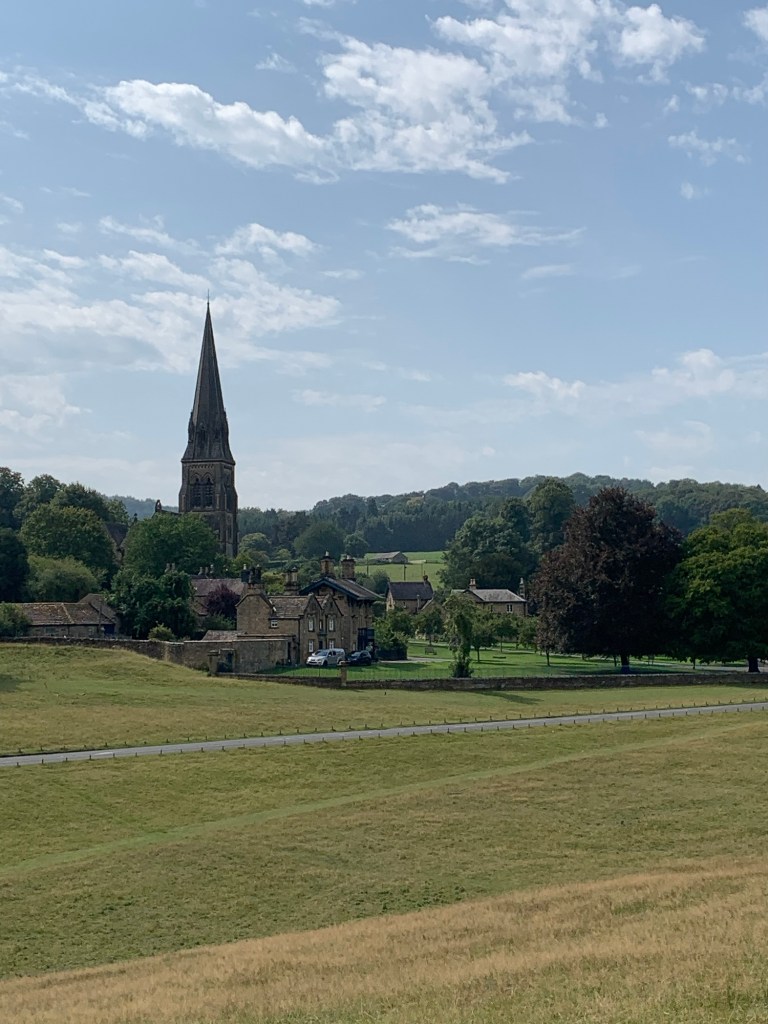
    Continue over the brow of the hill and down and cross the road to enter the estate village of Edensor ( via another interesting gate) Enjoy the beautiful gardens and quaint buildings of the village as you walk through, keeping the rather grand church on your left hand side.

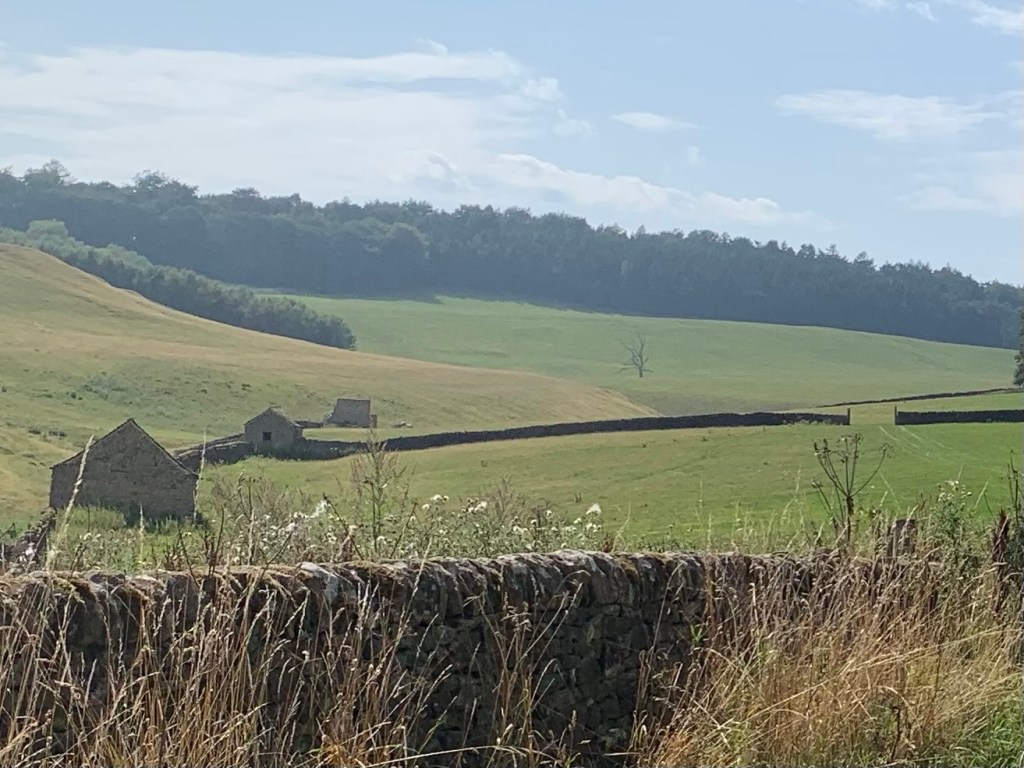
    At the end of the village I’m always reminded of the Yorkshire Dales by the row of barns over to the left.

    But sadly, no distractions such as looking at barns can divert me for long as it’s now time for one of my least favourite uphill climbs, up, up and up until the junction with the Pilsley/Ball Cross Road. 

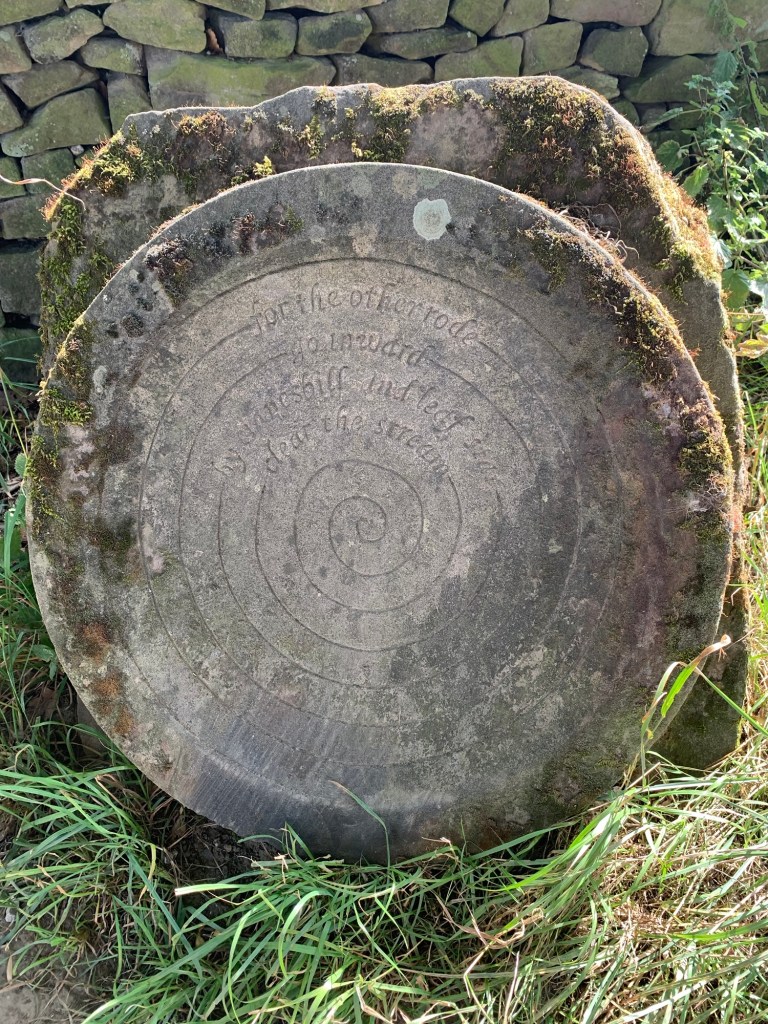
    At the top of the track check out the strange poetry stone but don’t linger too long to puzzle over the deeper meaning as taking a left along the road, (uphill again) we are soon to be rewarded with a spectacular view which is one of my all time favourite views of the Peak District.

    This is what makes the hills worthwhile.

    Ahead we can see over to the village of Great Longstone with its Edge and Moor whilst over to the right we can see the Edges of Baslow, Curbar and Froggatt stretching away into the distance and most of the day’s walk is splendidly laid out for us to see.

    Keep on the lane over Ball Cross; there’s a path directly down through the trees but I prefer the zig zag of the road which is usually pretty much free of cars.

    As we lose height we pass the golf club and then the old station where the road crosses over the Monsal Trail, and a few minutes later we’re crossing the famous bridge over the Wye into bustling Bakewell.

    On the opposite side of the bridge is

    The Castle pub which has a well placed bay window overlooking the bridge. Now, it is possible to sit in the window seat with your drink, spot the bus coming in over the bridge and still be able to leg it to the bus stop in time to catch your bus home…(apart from the buses that leave at school turning-out time as they start from the other side of the town at Lady Manners School.)

    It has been done, but maybe it’s more relaxing if you have the weather to chill on a bench in the pretty Bath Gardens?

    Or, of course you might want extra time in Bakewell anyway to feed the ducks or buy a pudding, or, you might just time your walk perfectly to arrive at the bus stop at the same time as the bus. So many possibilities…..

    Today’s walk has been a Peakland classic but however popular the route and however often we do this walk there’s always so much to see and appreciate. And it’s very easy to navigate as well. Thoroughly recommended to all. 
    See you next week for C.

    footpathapp.com/routes/0C3D78A0-7019-4945-B9E2-4AB8B39968B5

    TRANSPORT 

    Bus 272 or 65 to Fox House 

    Return from Bakewell 218 or 257

    PUBS/CAFES

    Fox House

    Longshaw Cafe

    The Grouse Inn

    Jolly’s coffee van Curbar Gap 

    The Pavillion Cafe Baslow

    Edensor Tea Cottage

    Bakewell numerous options but see note re The Castle Pub below *

    HOW FAR?

    Approximate distance 20k

    ROUTE SYNOPSIS 

    Fox House, Longshaw Estate, Jubilee Wood, Hay Wood, Froggatt Edge, Curbar Edge, Curbar Gap, Baslow Edge, Baslow, Chatsworth Park, Edensor, Ball Cross, Bakewell 

    MAP

    OS White Peak

    ( apart from a tiny section from Fox House bus stop to Longshaw Cafe which is obvious without a map.)

  • A IS FOR AGDEN

    We couldn’t have had better weather to discover the delights of the Loxley Valley. Dry conditions under foot and spectacular views combined with lots of local interest and made this a cracking start to our alphabet walks.

    Getting off the 81 near the medical centre in Stannington we turned right up hill on Uppergate Road past the Crown & Glove and on reaching the end of a row of houses our first footpath was waiting for us on our right.

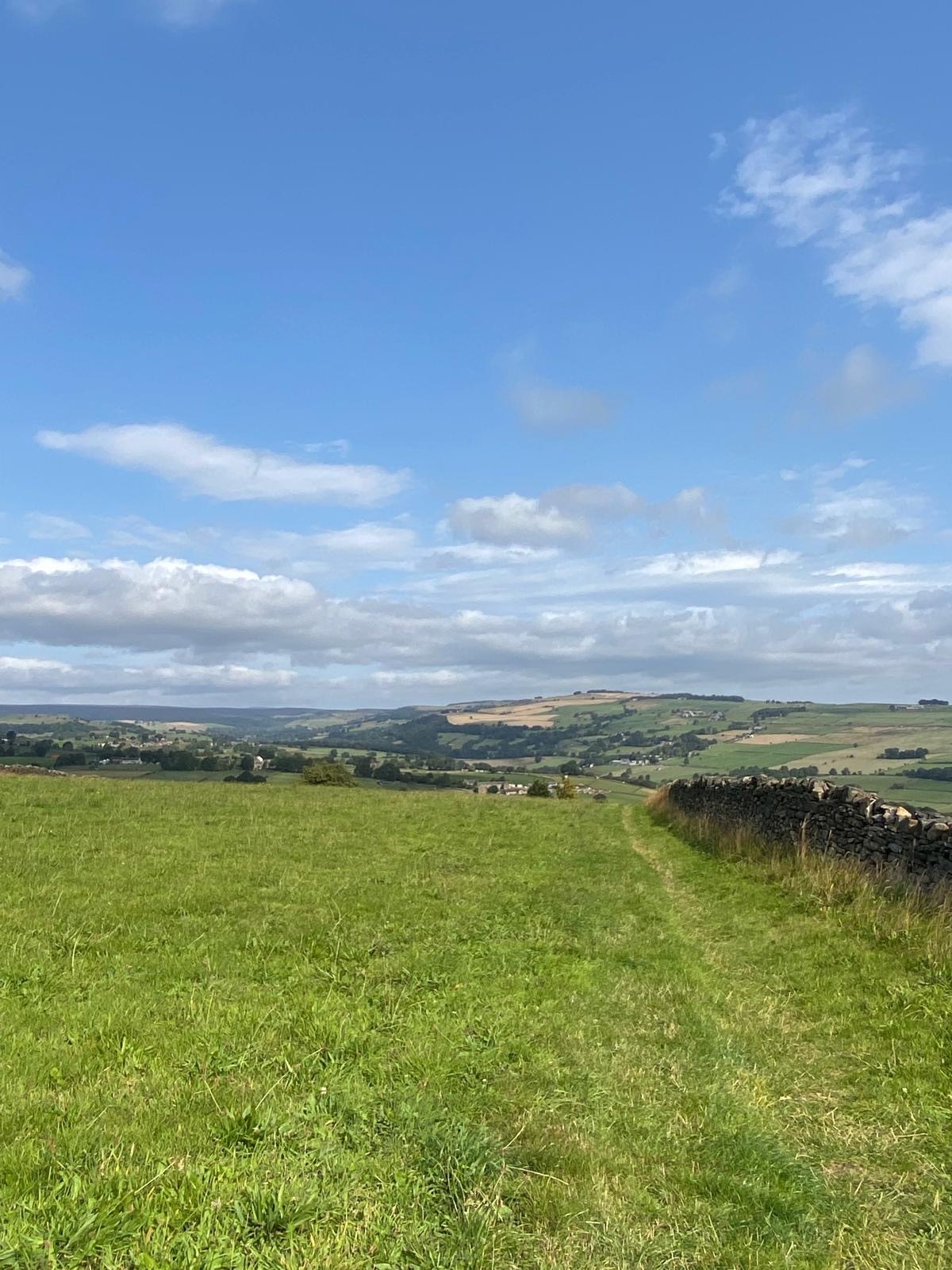
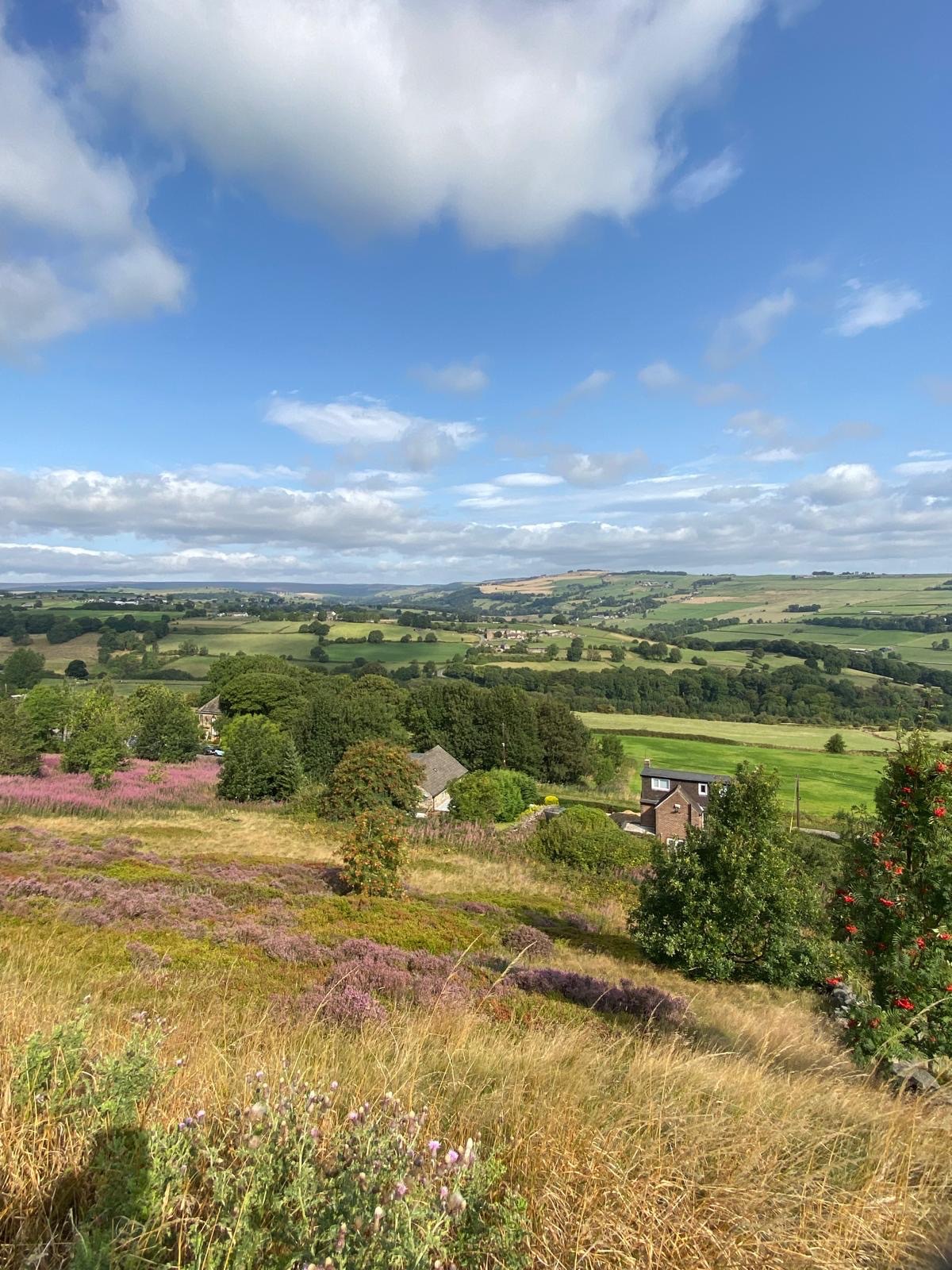
    We were instantly rewarded with an amazing view across the Loxley Valley and , further away, views of the Derwent Edges over to our left. It was already worth coming out for and we’d only walked five minutes from the bus stop.

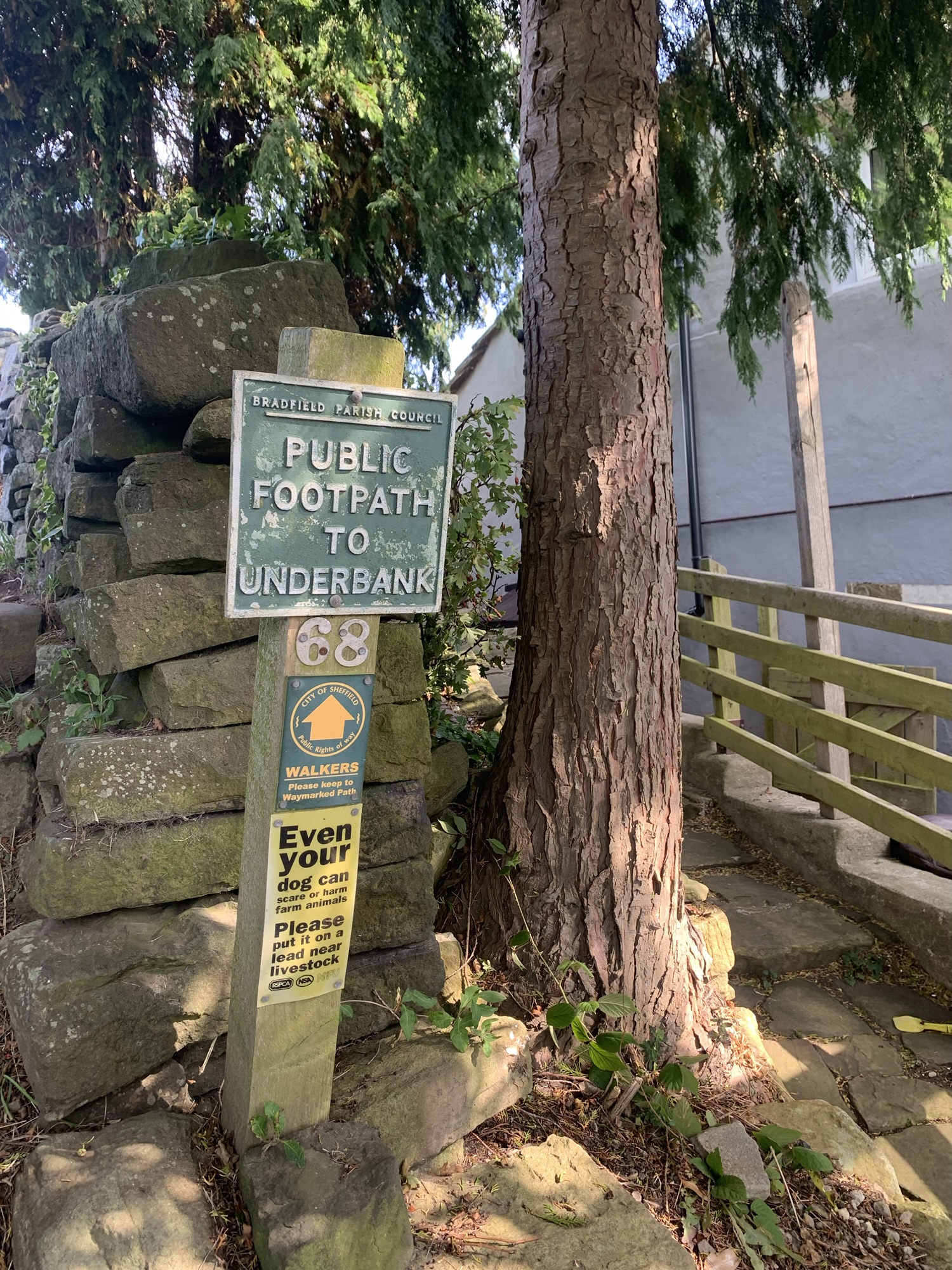
    At first the well defined path heads straight ahead through a field before winding left through the wilder miniature moorland area of Underbank where we arrived on the road near the old school and the chapel, both amazing buildings and rich in history.

    After a brief right turn along the road past the chapel we took a left down Spoon Lane ( footpath) which has the feel of an old pathway about it. It just feels like it used to have more importance to it than it does now. As we followed the path downhill we also had the extra treat of seeing a Shetland pony, some horses and a goat all munching away happily in an adjoining small holding.

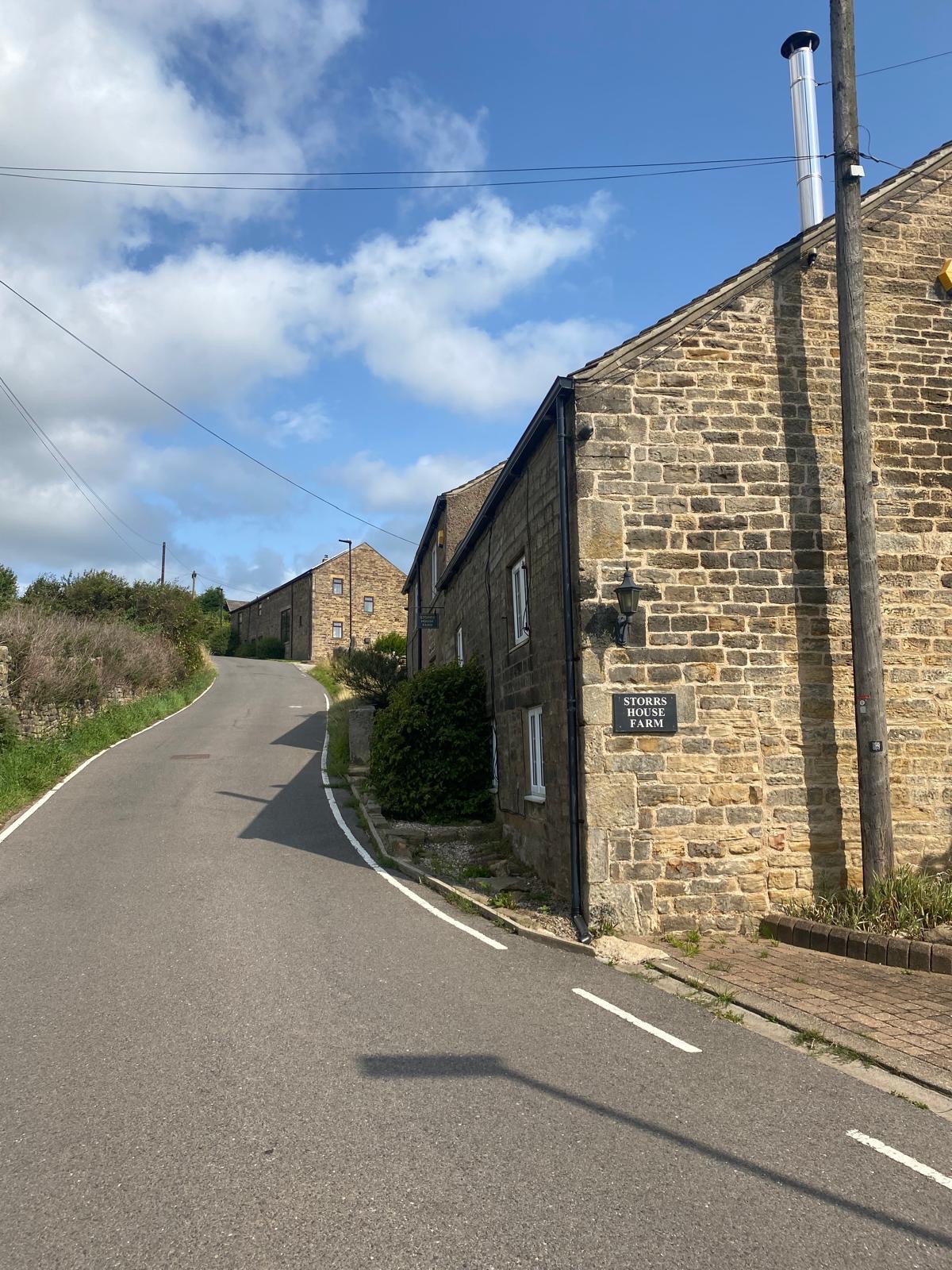
    On reaching the next road we turned left up the hill to Storrs, past the Cattery and Storrs House Farm.

    The road twists and turns and we passed some lovely old gritstone houses and farm buildings, each one deserving to be sketched and painted and no passing traffic to speak of.

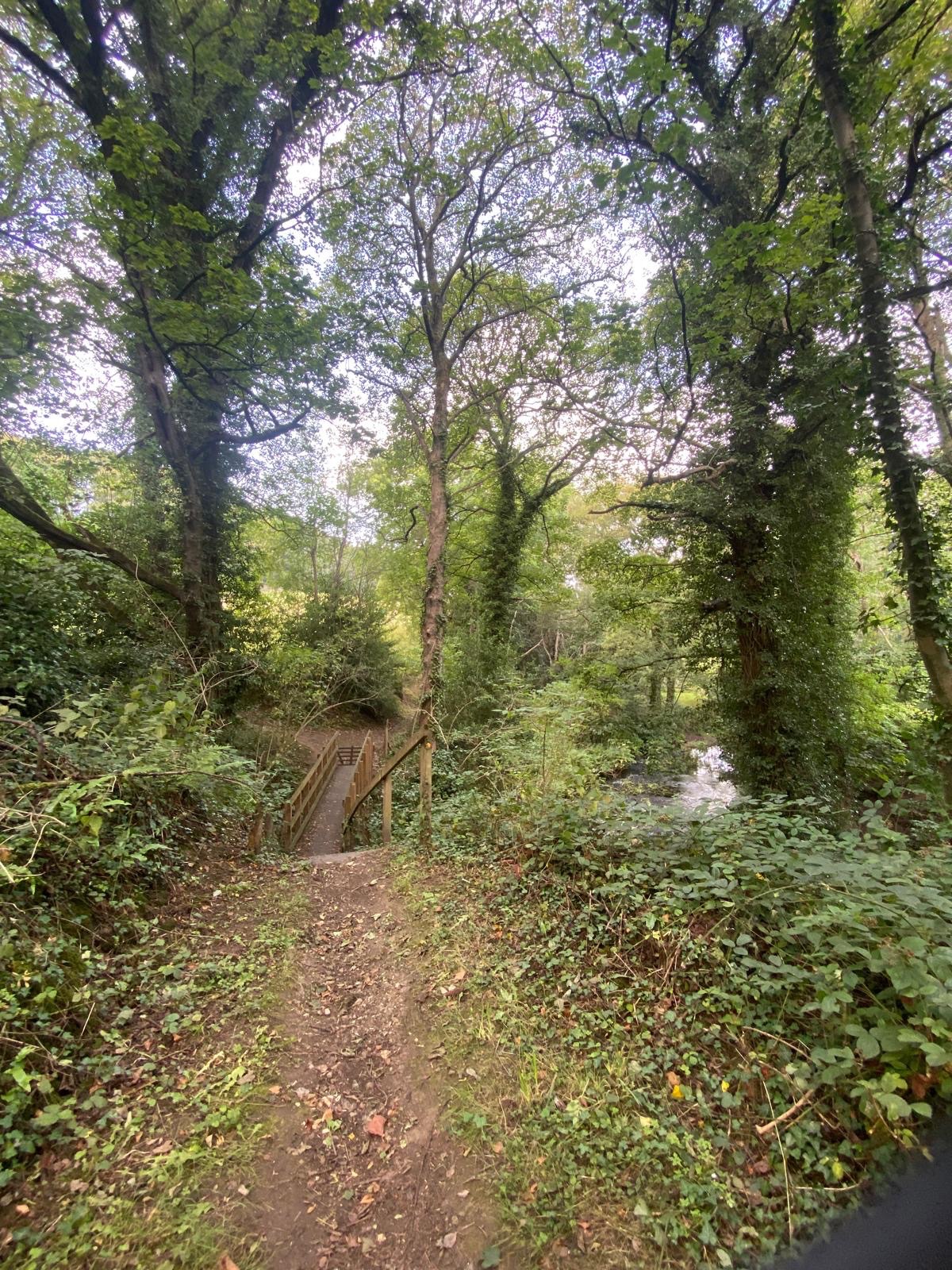
    Storrs Lane becomes Storrs Green and just as it takes a sharp bend to the left becoming Storrs Carr we branched right on a tarmac lane towards Throstle Nest Farm. Where the drive to the farm veers off to the right the path keeps straight on and downward and then left again through a small kissing gate following a steep and uneven path for a few hundred metres before turning left onto a broader and much firmer level path through the woods. This area is riddled with paths but our aim here was to avoid dropping straight into the valley bottom in order to miss out the slightly grim part of the Loxley Trail that leads through the disused factories of the old brickworks. Maybe the numerous paths here started out in life as the ways people used to walk to work. Anyway we managed to stay on a very pleasant path with a footbridge over Sykehouse Brook eventually turning right for a brief climb up past the row of houses on Stacey Bank.

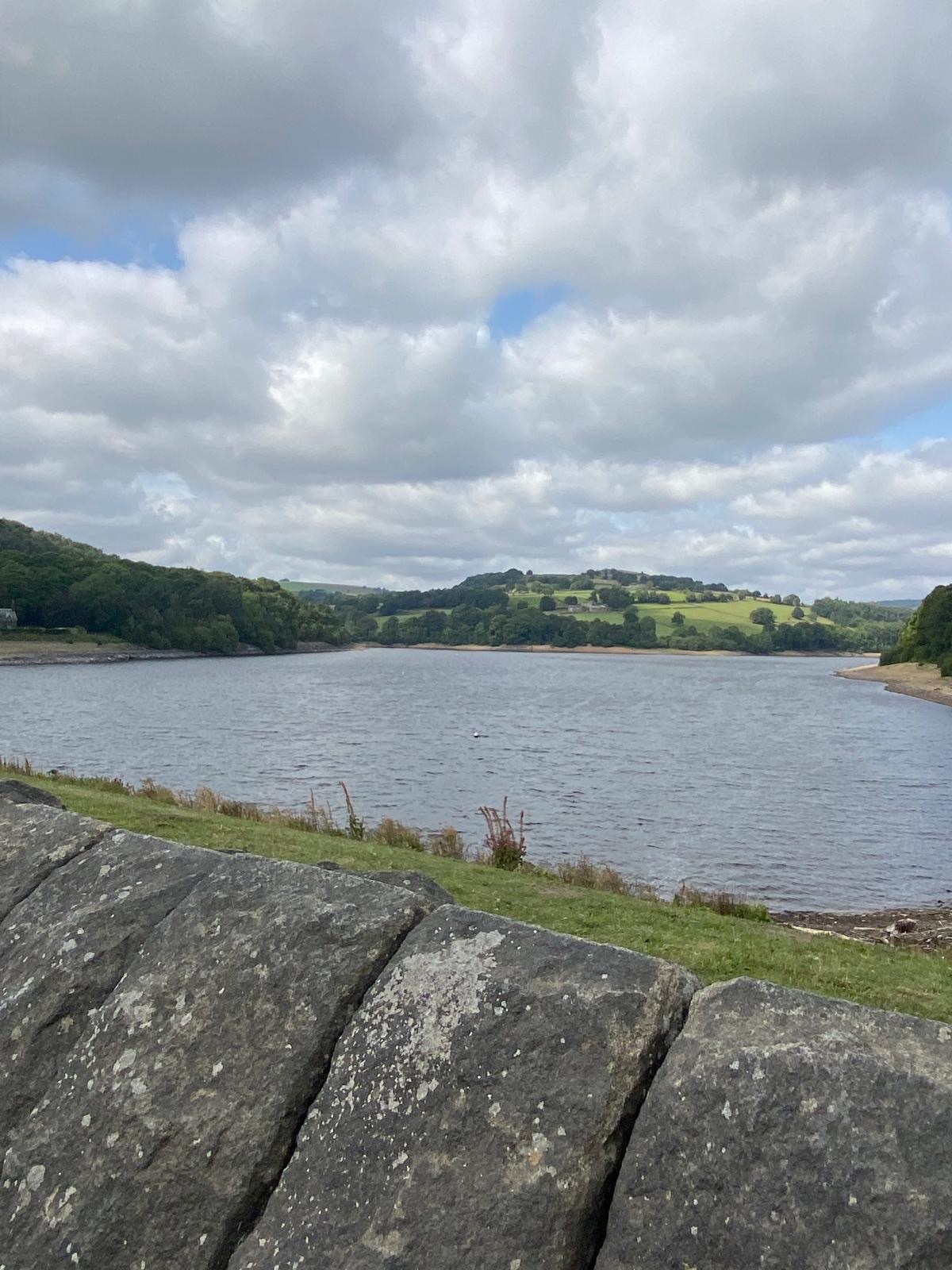
    On reaching the Loxley Road we turned left and then left again along the top of the dam. This gave rise to many memories of running the Percy Pud 10k back in the day and also delightful views across Damflask Reservoir.

    Unlike the Percy Pud we were soon off the road and following the Water Board footpath along the lakeside. It is so much more interesting and enjoyable than the road and is a very popular destination for walkers although we didn’t see many today.

    At the end of the reservoir we turned right at a bridge and then left along the road into Low Bradfield.

    Now we’d found where everyone was! …in The School Rooms Cafe. The menu looked quite expensive for a walking pit stop ( although obviously not affecting the popularity of the place as it was hard to find a table) but when our order arrived it would easily have been enough for twice as many and we thoroughly enjoyed feeding our faces and resting our legs. Another great option for refreshment in Low Bradfield is The Plough, and maybe that will have to be our excuse for doing the walk again before the next round of the alphabet!

    Continuing our walk on full bellies we walked up and around the bend past the cafe and took a right on Windy Bank.

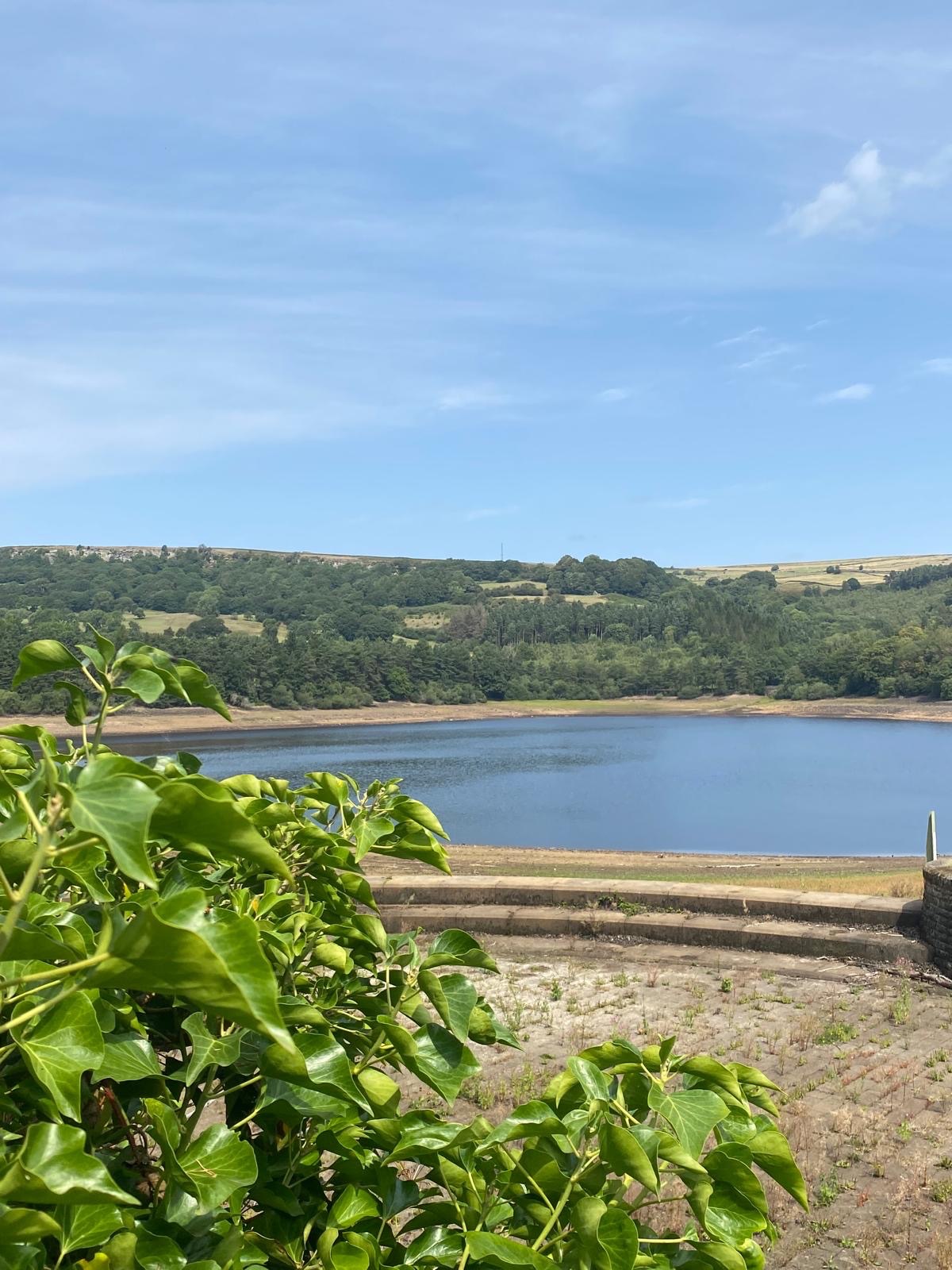
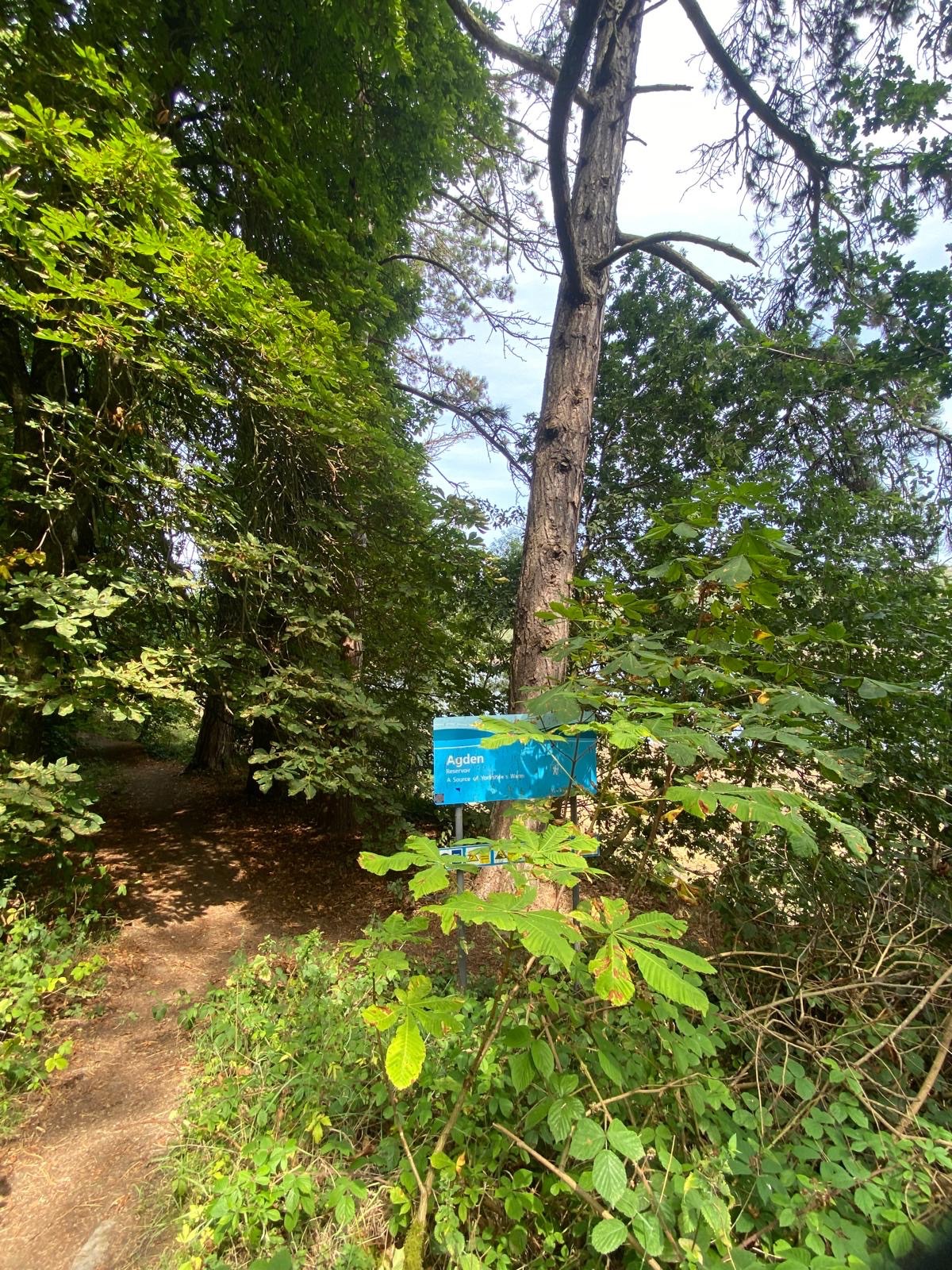
    Now we were beginning our loop around Agden Reservoir, the A of our walk, and it did not disappoint, everywhere looking beautiful on such a sunny day. We thought how lucky we were to be out and enjoying a perfect day’s walk.

    Once again we joined a water board footpath which winds its way around the lake before joining a minor road on the far side of the reservoir. The road leads back to Low Bradfield but we were on the lookout for a footpath off to the left which would take us up to High Bradfield.

    And when we found it, Boy, was it steep?!

    We reflected that apart from a brief pull up Stacey Bank we’d not really had any hills yet today, so feeling a little more as though we deserved it, we got stuck into the climb and we were soon at a T junction of paths where we took the path on the right leading through the graveyard of High Bradfield church.

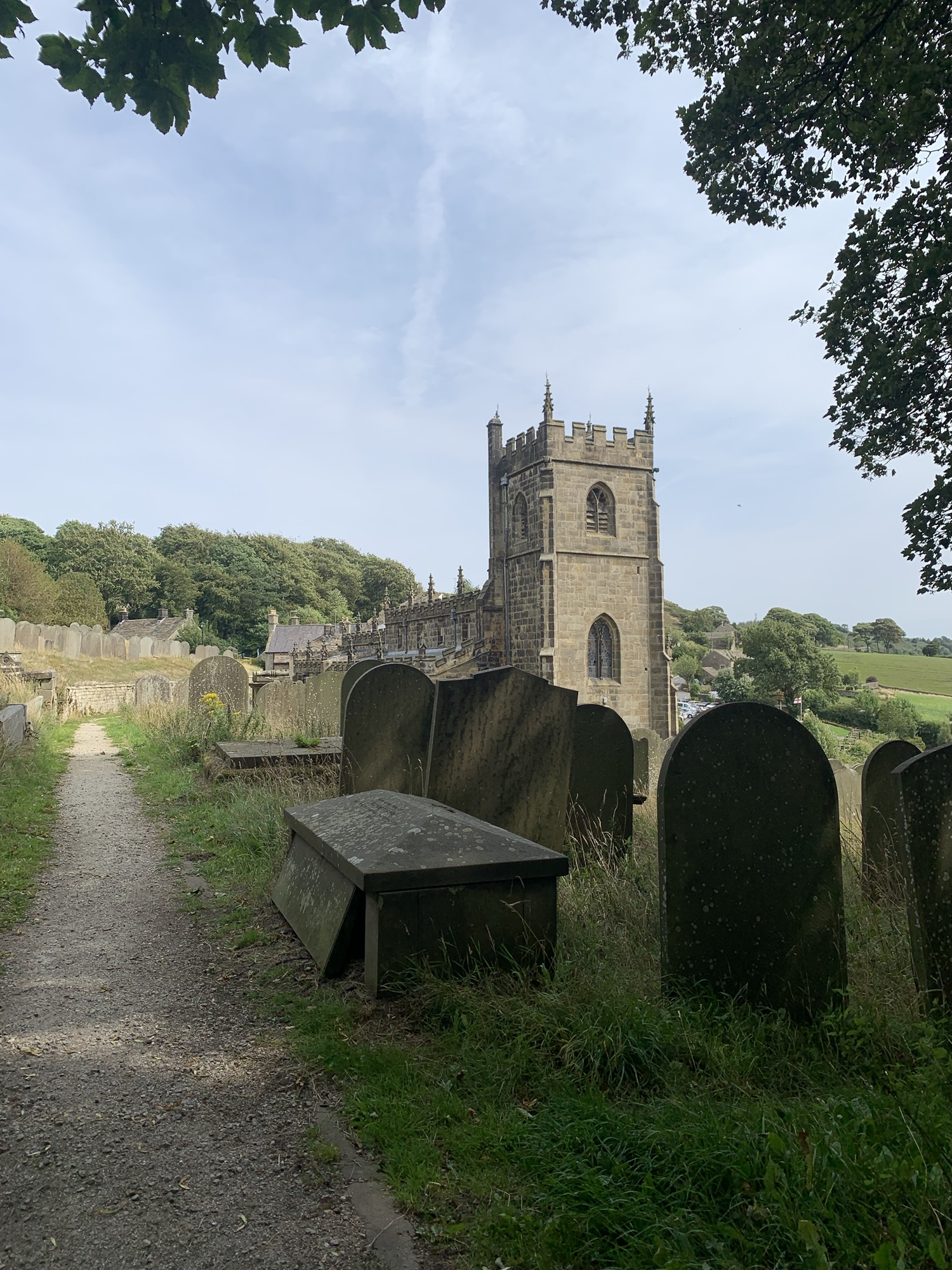
    It’s a big church with lots of history and amazing views, no wonder so many people want to get married here.

    Having recently read Peter Machan’s book on the Loxley Valley I was pleased to spot the watch house building at the entrance to the church yard which was where lookouts were posted to spot body snatchers, young medical students after bodies to do their research on, back in the early 19th century!

    The book, Loxley, Wanderings in a Curious Valley, is an absolute font of information on many of the places we’re walking through on this walk, and many more besides and I would recommend it 100%. I think it’s worth reading before this walk and then AGAIN after the walk because there’s just so much of interest in this area.

    Back to the walk and rather regretfully we managed to pass by the Old Horns pub without going in but it’s definitely to be recommended as a suitable spot to stop, especially in nice weather like today with spectacular views from the beer garden.

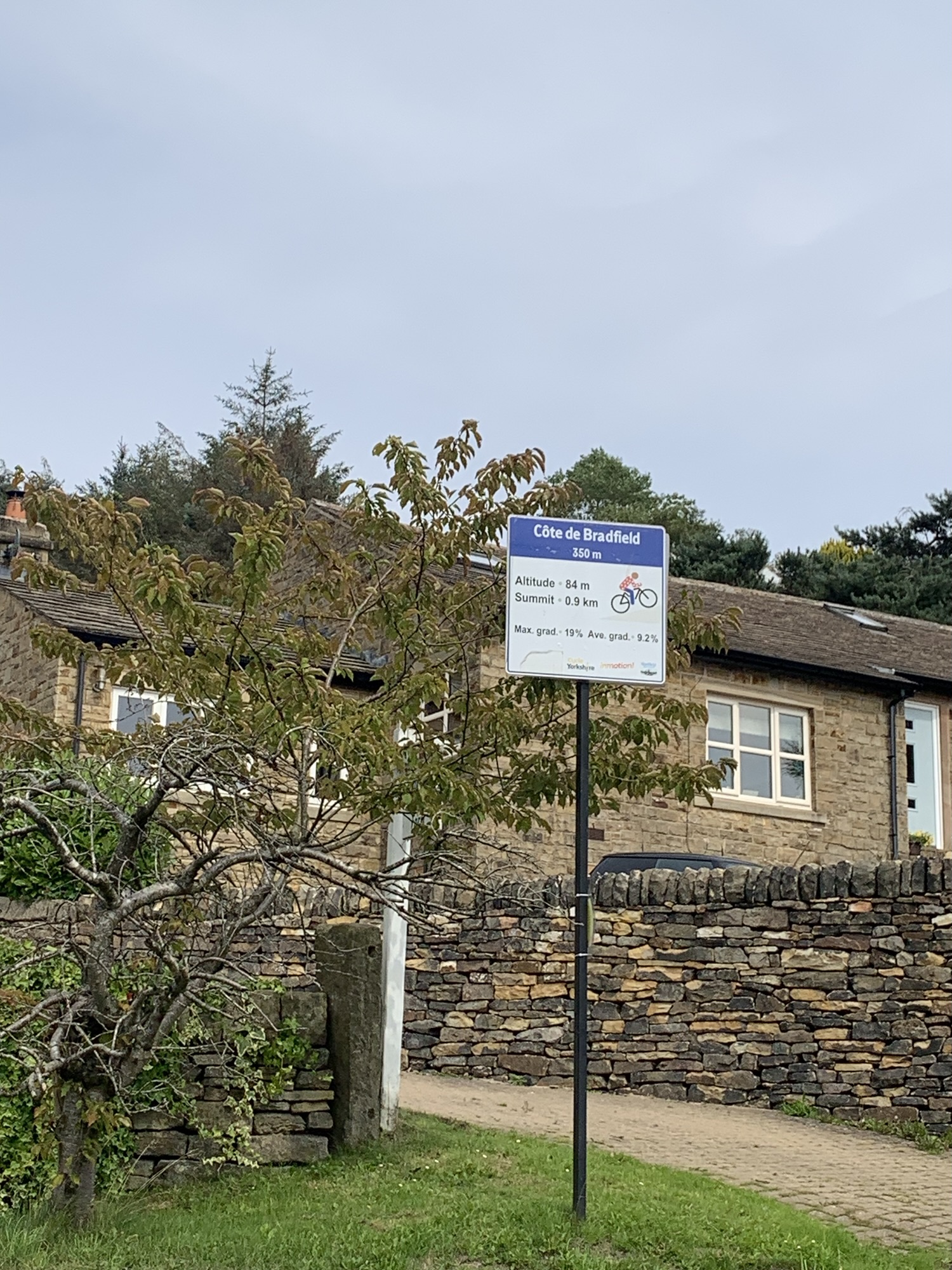
    Just past the pub we watched a guy cycling up the steep hill from Lower Bradfield. As we watched he continued up even more steeply straight across at the crossroads, obviously intent on climbing the “ Cote de Bradfield “ of the 2014 Tour de France fame, and making it look easy too, which it’s obviously not!

    Thankfully, we lesser mortals did not need to take the high road to the left, but walking straight on along Loxley Road for a short way we soon saw our next path heading off on the left and contouring along the hillside.

    There are so many great views across the valley on this part of the walk it’s a good job the path is obvious for the most part.

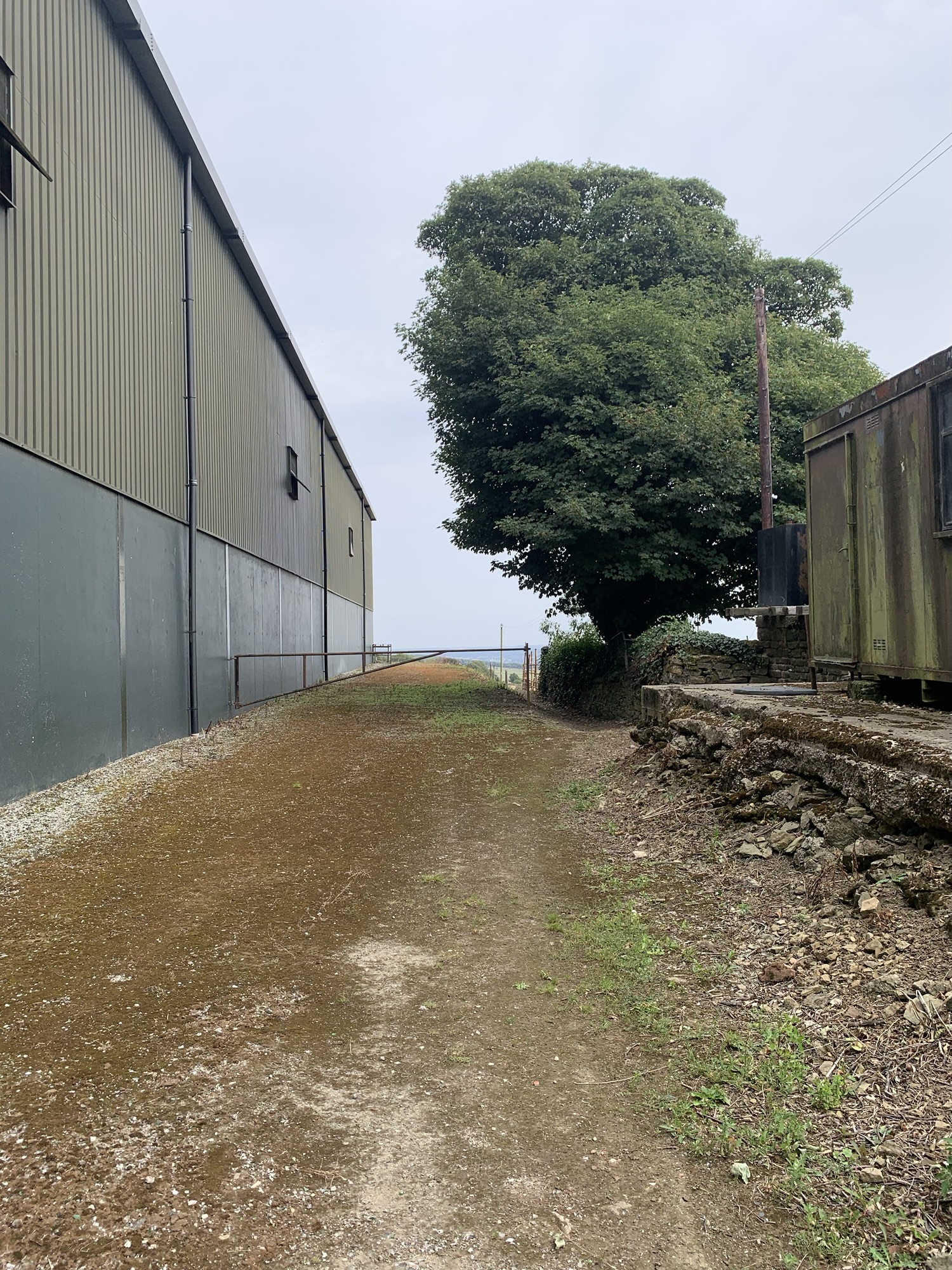
    At Cliffe House Farm there are footpath arrows but you need to look out for them. The path goes between the main farm buildings and a large barn on the left.

    Once you’re through a gate at the end of the barn the path continues straight ahead and obvious once again, to join the road just before the tiny hamlet of Holdworth.

    More great views and on the other side of the valley it’s not difficult to spot some of the landmarks we walked through earlier in the day.

    Myers Lane continues to contour along the valley side and all of a sudden the tower blocks of Stannington start to look a little closer.

    At the end of Myers Lane is a busy road known as Long Lane and thankfully we’ve only a few hundred metres on it ( to the left) before turning right onto Loxley Common. Unfortunately we didn’t spot Robin Hood but this was a really beautiful end to the elevated section of today’s walk. I can see us returning to check out this area again ( W for Wadsley maybe…?)

    Anyway as we descended to the right we were very soon out of the woodland and suddenly there we were walking along France Road, Loxley.

    At the bottom of the road we crossed onto Occupation Lane and were briefly on a path again and then it was a left past the school on Rodney Hill followed by a right onto Normandale and a left onto Woodstock as we made our way via Vale Grove towards the path through the woodland of Studfield Quarry.

    Following the path downhill we soon reached the Loxley Road.

    If you’re short of time it’s a direct walk from here along the main road to the tram terminus and bus stop on Holme Lane at Malin Bridge but much pleasanter and more interesting is to head over the road and down to Low Matlock where you can join the Loxley Trail and follow along by the river and past Wisewood Forge Mill Dam all the way to Malin Bridge. Ending the walk along the River Loxley with all its industrial history makes for a fitting end to a great day out.

    footpathapp.com/routes/a-for-agden/16E37B39-0344-401F-B2C9-9E77AB7FF1B1

    INFORMATION

    BUS

    Bus 81 to Stannington

    Return from Holme Lane tram and buses to Sheffield

    PUBS/CAFES

    The Plough

    The Schoolrooms cafe

    Both in Low Bradfield

    The Old Horns

    High Bradfield

    HOW FAR?

    Approximate distance 20k

    ROUTE SYNOPSIS

    Stannington, Underbank, Storrs, Stacey Bank, Damflask Reservoir, Low Bradfield, Agden Reservoir, High Bradfield, Holdworth, Loxley Common, Low Matlock, Loxley trail, Malin Bridge.

    MAP

    OS Dark Peak